Handmade soap packaging guide
Custom Soap Boxes: Will Yours Survive Shipping? 8 Buying Checks
Classify the bar, measure it after cure and prove the structure, label space and packout with physical samples.
Short answer: Choose custom soap boxes only after you know how the finished bar is classified, labeled and sized. Measure several bars after their normal cure period, reserve space for the approved copy, test paper against the real product, and validate the retail carton inside the complete shipping packout before production.
A soap carton is small, but the sourcing decision crosses product claims, variable bar dimensions, paper performance, artwork control and shipping. A beautiful mockup can still become an expensive reprint if the copy changes the product category, the cured bar no longer fits or the carton shows oil and rub marks. This evidence-led guide adapts the highest-value questions found in Semrush research into eight practical approval gates.
Start with a proven structure such as Stowliva’s custom gift boxes for sets or a fitted custom insert when products must stay separated. For direct shipping, protect the retail pack with a custom mailer box or shipping box. Product, retail carton and transit pack should be specified as one system.
Soap packaging formats compared
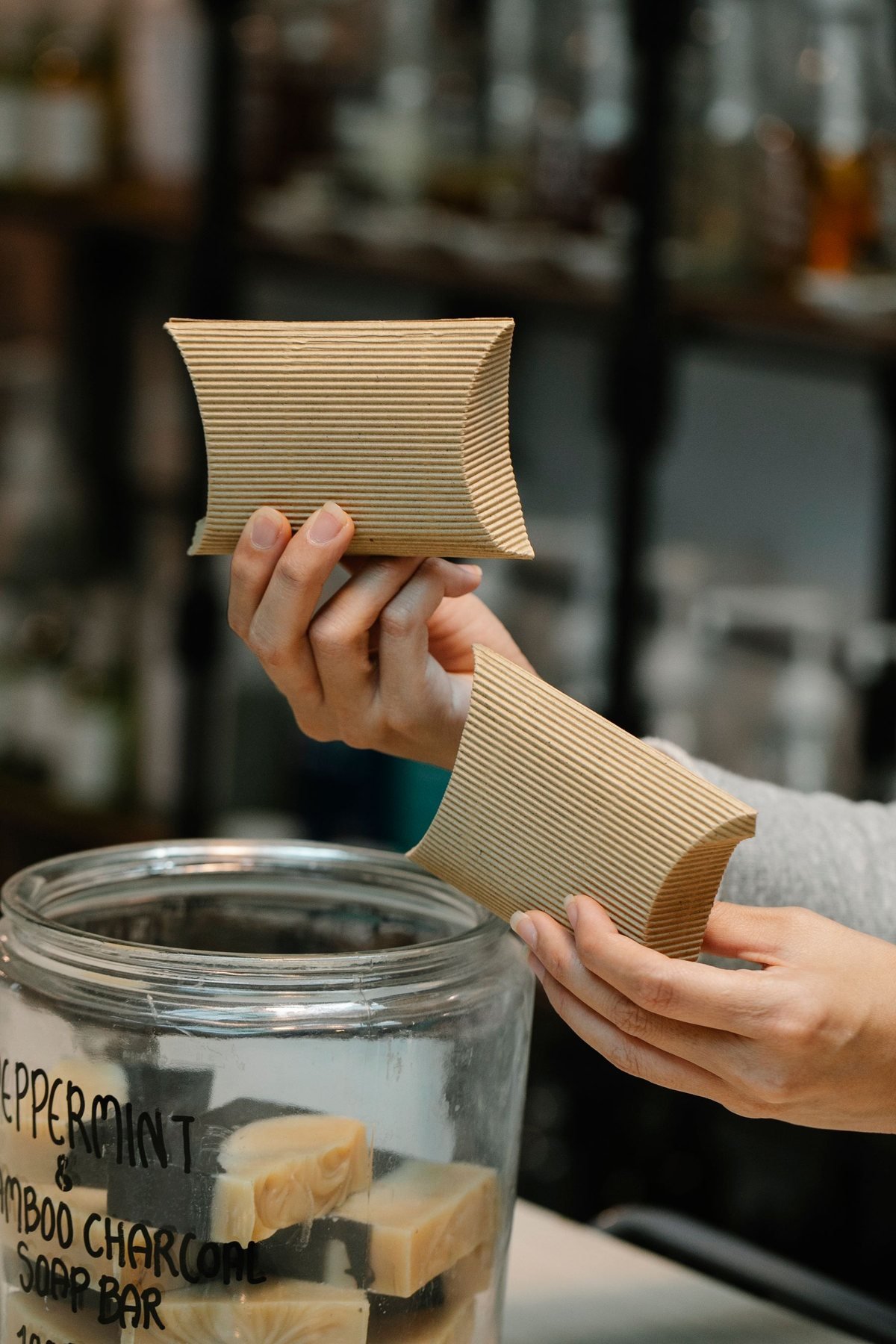
The best format depends on the bar, the information area and the sales route. Confirm each option with a finished product sample rather than relying on a digital rendering.
| Format | Useful for | Main advantage | Main tradeoff |
|---|---|---|---|
| Full folding carton | Retail, gifting and wholesale | Protection and generous print area | More board and tighter dimensional control |
| Paper sleeve | Visible artisan bars | Efficient branding with some exposure | Less edge protection and limited copy area |
| Belly band | Small batches and rustic presentation | Fast variant changes | Bar remains exposed to handling |
| Paper wrap plus label | Flexible seasonal lines | Low-cost artwork versioning | More hand assembly and variable folds |
| Window carton | Decorative colors and textures | Product visibility | Reduced panel strength and end-of-life complexity |
| Gift set with insert | Multi-bar collections | Controlled arrangement and reveal | More components to fit and test |
1. Printing boxes before classifying the product and claims
In the United States, the word “soap” on the front does not decide how a product is regulated. Composition, the source of cleansing action and intended use all matter. The FDA’s Frequently Asked Questions on Soap explains that a product meeting the regulatory definition of soap and marketed only for cleansing is regulated by the Consumer Product Safety Commission, while products making cosmetic or disease-related claims may fall under FDA cosmetic or drug requirements.
Write the exact front-, side- and back-panel copy before finishing the dieline. Words such as “moisturizing” can signal a cosmetic use, while disease-treatment or germ-killing promises can move the product toward a drug claim. Review the website, wholesale sheet and market signage at the same time; intended use is not communicated by the carton alone.
For products that are cosmetics, consult the FDA’s labeling requirements summary and determine how current MoCRA provisions apply. Requirements and exemptions depend on the product and business. This guide is packaging guidance, not legal advice.
2. Measuring a fresh-cut bar instead of the sale-ready bar
Handmade soap can change as it cures. Water loss, beveling, stamping, textured tops, embeds and hand cutting can all change the final dimensions. A box ordered around one fresh sample may become loose after cure—or may not accept bars from a thicker batch.
Measure multiple sale-ready bars from representative batches. Record maximum length, width, depth and weight, plus tall botanicals, stamped areas and the thickest hand-cut edge. If tissue, a liner or a band will sit inside the carton, include it during fit checks. Specify an acceptable finished size range for the product, not only a single ideal measurement.
Use a plain structural sample to test packing speed and removal. The bar should enter without being forced, the carton should close cleanly and normal movement should not chip corners. If an insert is used for a set, review Stowliva’s packaging inserts guide before approving contact points and spacing.
3. Choosing a full carton when a sleeve or label system would work better
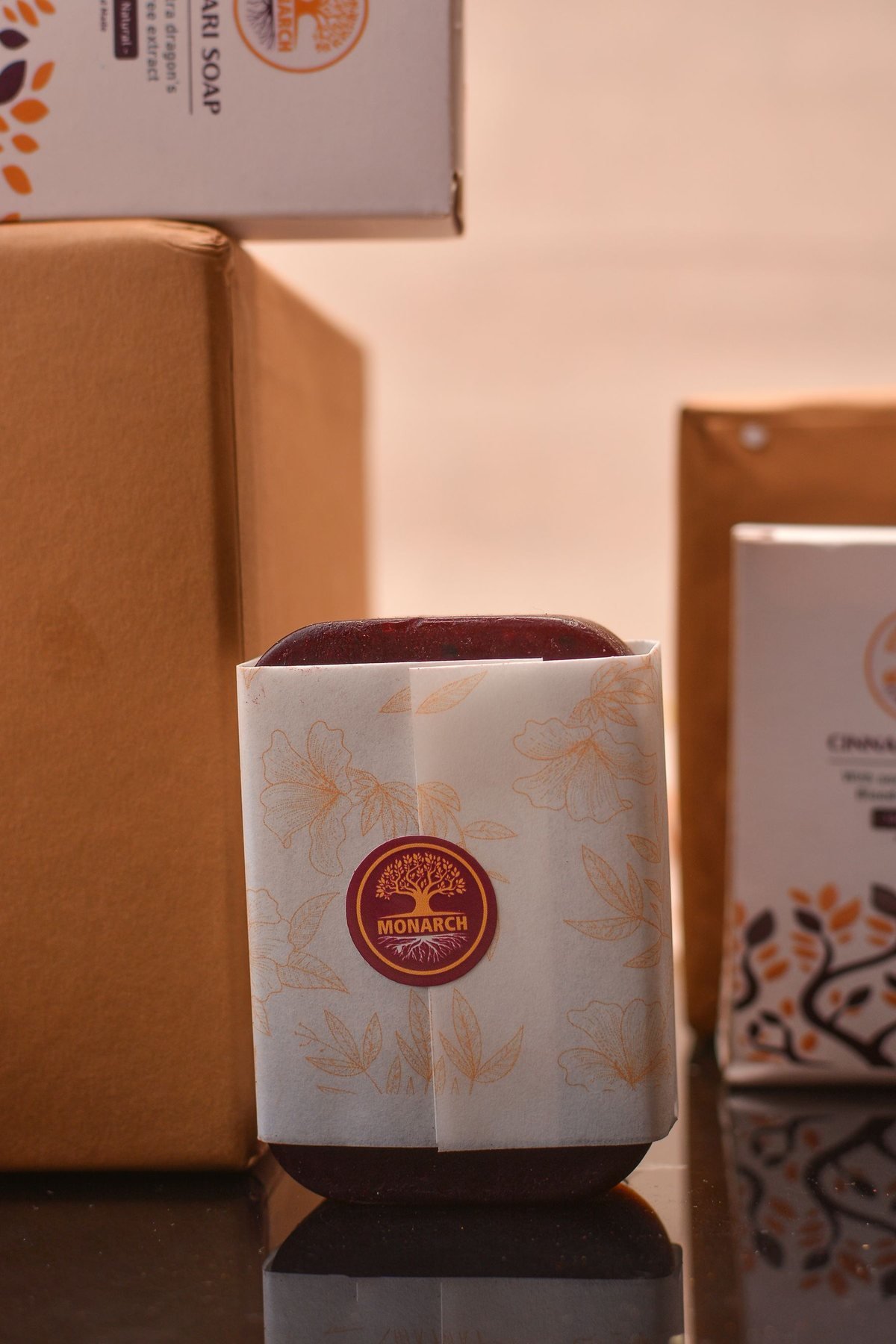
Full custom printed soap boxes offer protection and label space, but they are not automatically the best answer for every brand. A sleeve can reveal color and texture. A paper wrap can adapt to irregular shapes. A standard carton with a versioned custom label roll can reduce obsolete inventory when scents change often.
Map the portfolio before quoting. Group bars that share the same finished size; identify permanent content and variant content; then decide which information belongs in print and which can live on a controlled label. This is especially useful for seasonal lines, gift assortments and low-volume launches.
Compare labor as well as unit price. A wrap-and-label system may use less printed board but require more hand assembly. A folding carton can pack faster yet occupy more storage. Record realistic packing time with the people who will perform the work.
4. Treating the dieline like a flat poster
A dieline controls cuts, folds, glue, bleed and safe zones. Artwork placed without regard to those functions may put the scent name under a tuck flap, bend the barcode around an edge or shift the logo away from the primary display panel. Windows and hang tabs further reduce usable area.
Print the dieline at 100% and make a paper mockup. Review it from the shelf-facing angle, the market-table angle and the unboxing angle. Confirm the barcode is flat and scannable, small type remains legible, and batch or best-before information has a controlled location if used. Follow supplier rules for color, fonts, bleed, lines and knockouts; the Stowliva artwork guide is a practical preflight reference.
5. Selecting paper and finish without contact testing
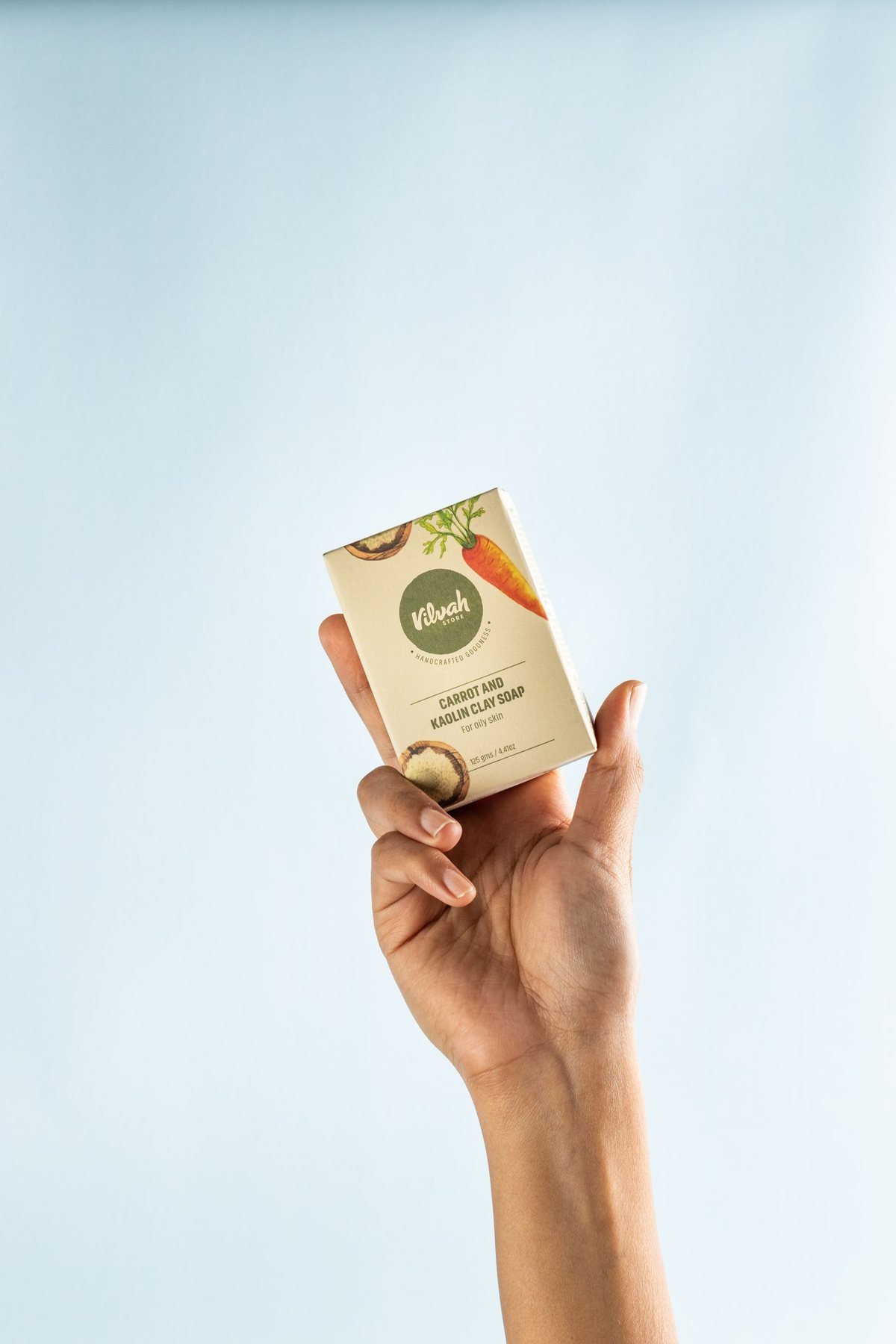
Soap may transfer residual oil, fragrance or moisture to paper. An uncoated kraft sample that looks natural on screen may darken in contact with a particular bar. A smooth white carton may show fingerprints or rub. A coating can improve surface resistance but change feel, print color or end-of-life instructions.
Put finished bars into production-intent samples and store them upright and flat for a documented period. Inspect staining, scent transfer, warping, abrasion, label adhesion and closure performance. Repeat the check with the thickest and smallest acceptable bars. The FDA’s cosmetic product testing page also reminds cosmetic businesses that “natural” does not by itself mean safe; product safety responsibility remains with the manufacturer or distributor.
Ask for the exact board, caliper or grammage, coating and finish in writing. Approve the actual combination rather than assuming every kraft or white paper performs alike. When a more giftable experience is needed, test a shared outer presentation box instead of overbuilding every individual bar carton.
6. Adding a window without deciding what it must achieve
A window is valuable when the bar’s color, swirl, stamp or texture helps the customer choose. It is less useful when it removes space needed for copy or weakens a small panel. Open windows expose the bar to touching and dust; film windows add another material and may affect local recycling guidance.
Define the viewing goal first. Position the cutout away from folds and high-stress areas, then test panel strength and shelf handling. Check that product variation will not place an uneven edge or unintended mark in the most visible spot. If a transparent film is used, document its material, attachment and disposal instructions rather than calling the whole pack plastic-free.

7. Making broad environmental claims from the look of the pack
Brown paper, twine and botanical graphics can suggest nature, but visual language is not evidence. “Eco-friendly,” “recyclable,” “compostable,” “plastic-free” and “made with recycled content” each communicate a different claim. Coatings, windows, labels, adhesives and contamination can change the finished pack’s recovery route.
The Federal Trade Commission’s Green Guides summary advises businesses to avoid broad, unqualified environmental benefit claims and to support specific claims. If FSC-labeled paper is requested, the Forest Stewardship Council’s chain-of-custody overview explains how certified material is tracked. Confirm the supplier’s current certificate scope and approval for any mark; kraft appearance alone proves neither certification nor recycled content.
Use plain, qualified copy that names the component and attribute. For example, a verified recycled-content percentage for the paperboard is more informative than a leaf icon with “green packaging.” Have the evidence owner and market reviewer approve the final wording.
8. Approving the retail carton without the shipping packout
Soap can arrive chipped, scuffed or crushed even when the small carton looks sturdy in the studio. Direct-to-consumer orders add outer-box movement, stacking and repeated handling. Test the sellable unit inside the actual mailer or shipper with every insert, card and void-fill item present.
The U.S. Postal Service’s Preparing Packages guidance recommends a strong container, adequate cushioning and secure closure. For a formal distribution test, use an appropriate ISTA packaged-product test procedure selected with a qualified lab or packaging professional.
Record packed weight, orientation, sample count and acceptance criteria before testing. Afterward, check chipped corners, crushed panels, opened tucks, surface rub, bar movement and presentation—not only whether the product remains usable. The mailer box versus shipping box guide helps distinguish outer formats for different routes.

Quote-ready checklist for custom soap boxes
- Confirm whether the product is true soap, a cosmetic, a drug or a combination in each market.
- Freeze approved claims and label copy before the dieline is final.
- Measure several sale-ready bars after the normal cure period.
- State the acceptable bar-size range and include wraps, labels or liners.
- Choose full carton, sleeve, band or wrap based on protection, labor and information area.
- Specify board, coating, print, finish, window and packing method.
- Approve a physical structural and printed sample.
- Test the complete retail and shipping packout with documented criteria.
Send quantity by artwork version, not only the total. Include the desired target date, sales route and sample stages. Then compare supplier quotations against the same specification. Stowliva’s custom packaging MOQ guide explains how setup, versions and order quantity interact.
Frequently asked questions
How do I measure a handmade soap bar for a box?
Measure several finished bars after their normal cure period. Record maximum length, width, depth and weight, including bevels, stamps, textured tops and any inner wrap. Use the largest and smallest acceptable samples during structural approval.
Does every handmade soap need a full box?
No. Sleeves, belly bands, wraps and labels can work when exposure and limited print area are acceptable. Full cartons add protection, information area and gift presentation, but also material and storage.
Can one box fit every scent?
Yes, when the bars share a controlled finished size. Permanent brand content can remain on the box while scents or batches change through approved artwork versions or labels. Test every allowed size before production.
Should a soap box have a window?
Use one when seeing the bar materially helps the purchase decision. Confirm panel strength, dust and touch exposure, film choice, copy space and disposal instructions before approving it.
What should I send a supplier for a quote?
Send cured-bar dimensions and weight, acceptable variation, preferred format, material and finish options, artwork, quantity by version, sales route, target date and required sample stages.
What should I approve before ordering custom soap boxes?
Approve the classification and copy, physical fit, packing speed, board, print, finish, barcode, complete shipping packout and written production specification. Keep the signed reference for inspection and reorders.
Next step: Bring cured-bar samples, final copy, SKU count, sales route and target quantity to Stowliva’s custom packaging quote form. Clear inputs make custom soap box quotes comparable.
Editorial note: Five newly sourced, licensed real photographs illustrate this article. Product specifications, certification scope and claims must be confirmed for each order.