Product packaging guide
Packaging Inserts: Which Type Protects Best? 7 Options Compared
Compare seven insert types, measure the product correctly and test the complete pack before ordering.

The insert inside a box can solve two very different jobs. A structural insert holds, separates or cushions the product. A printed insert card explains what to do next. Confusing the two can lead to damaged goods, slow packing or a beautiful unboxing experience that offers little real protection.
This guide compares seven common packaging inserts, explains how to measure a product for a custom fit and shows what to confirm before approving production. It is written for ecommerce teams that need a practical supplier brief rather than a list of trendy materials.
Quick answer: Start with the product, distribution route and outer box. Choose a structural insert when the product must be held in position, then add a printed card only when it gives the customer useful information. Prototype the complete pack and test it under conditions that reflect the way it will actually ship.
What Are Packaging Inserts?
Packaging inserts are components placed inside a mailer, folding carton, rigid box or shipping case to organize, protect, display or explain a product. The phrase covers two main groups:
- Structural inserts include corrugated partitions, paperboard platforms, molded pulp trays, foam cavities and thermoformed plastic trays. Their job is physical: control movement, separate parts or create a presentation position.
- Printed inserts include instruction cards, care cards, warranty information, setup guides, QR code cards and thank-you notes. Their job is communication.
Many ecommerce packs need both. A molded tray may keep a glass bottle upright, while a small card explains how to use it. Treat them as separate line items in the specification even when they ship together. A card should never be counted as protective packaging, and decorative fill should not be expected to perform like a tested retention structure.
The insert also needs to work with the rest of the pack. Product weight, the outer box format, empty space, closures and the distribution route all affect performance. Changing one component can change the way the whole pack behaves.
Seven Packaging Insert Types Compared
Use this table to narrow the options before requesting custom packaging inserts. Final selection still requires samples and, where protection matters, testing of the finished package.
| Insert type | Common use | Main advantage | Detail to confirm |
|---|---|---|---|
| Corrugated | Heavy items, kits, partitions and ecommerce shippers | Strong folded structures with no permanent tooling for many designs | Flute, board grade, fold direction, locks and clearance |
| Paperboard | Cosmetics, accessories, stationery and light retail products | Clean print surface and refined presentation | Caliper, grain, coating, score depth and fold tolerance |
| Molded pulp | Bottles, jars, electronics, candles and shaped trays | Repeatable form-fit cavities with a tactile fiber surface | Tooling, draft, trim, moisture response and cavity tolerance |
| Foam | Fragile, valuable or irregular products | Controlled cushioning and precise cut profiles | Foam type, density, thickness, surface contact and disposal route |
| Thermoformed plastic | Beauty, electronics, toys and visible retail trays | Precise cavities, nesting and product visibility | Resin, gauge, draft, color, labels and local recycling acceptance |
| Tissue or crinkle fill | Lightweight goods and presentation-led packs | Flexible pack-out with low structural complexity | Fill quantity, migration, dust, labor time and compression |
| Product insert cards | Care, setup, returns, QR codes and customer service | Adds useful information without changing the structural pack | Copy, size, paper, finish, versioning and placement |
The cheapest unit price does not always create the lowest packed cost. Include tooling, sample rounds, assembly time, storage volume, damage risk and the number of versions in the comparison.
Corrugated and Paperboard Inserts
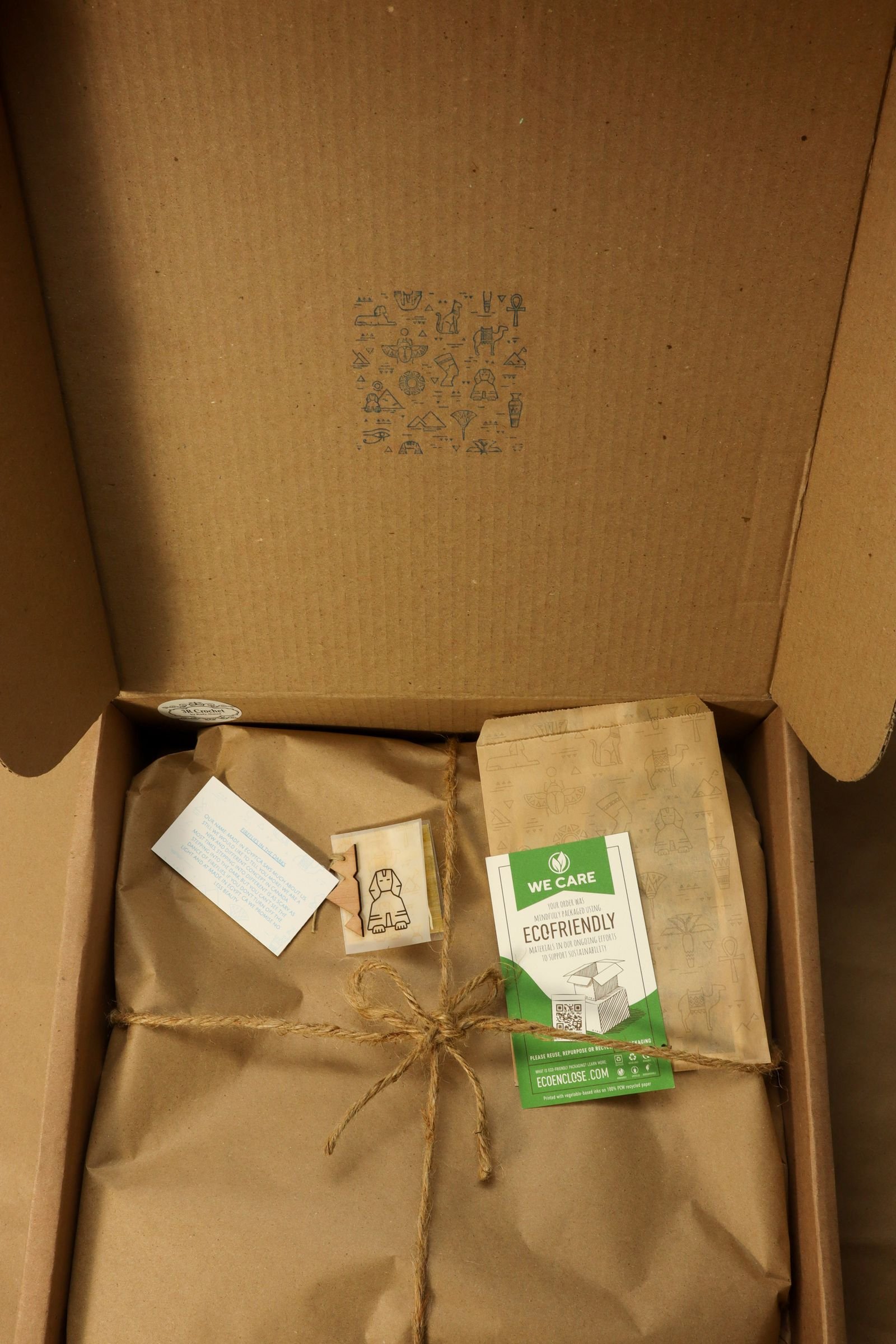
Corrugated inserts are useful when the pack needs partitions, platforms, corner buffers or a folded structure that separates several items. They are common in subscription kits, home goods, glass containers and ecommerce bundles. The design can often be adjusted without the tooling associated with molded materials, which helps during early product changes.
Measure the actual product rather than relying only on catalog dimensions. Include caps, pumps, labels, protective sleeves, cables and accessories. Confirm the flute direction because it affects the way a folded part resists loading. A CAD drawing may look convincing while the physical partition bends, shifts or becomes difficult to assemble.
Paperboard inserts suit lighter products and presentation-focused cartons. They can be printed, coated, scored and die cut, making them useful for cosmetics, apparel accessories, stationery and small electronics. The Paperboard Packaging Council overview explains how paperboard can be cut, folded and finished into many structures.
For both materials, ask for a dieline and a production-like sample. Check whether the supplier specifies caliper, flute, basis weight or another measure. Avoid comparing quotes by the word “cardboard” alone because suppliers may use that word for materially different constructions.
Molded Pulp Inserts
Molded pulp forms repeatable cavities around products and can create an organized tray-like presentation. It is often considered for bottles, jars, personal care products, electronics, candles and kits. Surface texture and dimensional precision depend on tooling, fiber mix, drying and finishing.
Product cavities need loading clearance. Too little clearance can scuff labels, grip a cap or slow the packing line. Too much can allow the product to rattle. Deep walls, undercuts and sharp corners may require design changes so the part can release from the mold.
Request samples made by the intended process. A 3D-printed model is helpful for checking layout, but it may not represent the wall thickness, texture, moisture response or production variation of a molded fiber part. Ask about nesting efficiency as well: trays that occupy excessive storage space can change inbound freight and warehouse requirements.
Molded pulp should not automatically be described with broad environmental terms. Fiber source, additives, coatings, colorants, weight and the available recovery system all matter. Document the exact claim you intend to make and ask the supplier for evidence that supports it.

Foam and Thermoformed Plastic Inserts
Foam is commonly considered for delicate, high-value or irregular products. It can be die cut, routed, layered or laminated to create cavities around instruments, glassware, devices, collectibles and sample kits. The correct material depends on product weight, fragility, desired compression and surface sensitivity.
A cavity should retain the product without forcing the customer to pry it out. Identify no-contact zones such as screens, polished coatings, seals and moving parts. Prototypes should use production-equivalent foam type, density and thickness; a visually similar substitute can behave differently during handling.
Thermoformed inserts are rigid or semi-rigid plastic trays formed from sheet. They can provide repeatable cavities, visibility and controlled retail presentation. Design inputs include sheet gauge, draft angles, corner radii, snap features and nesting. Labels, adhesives, dark colors and mixed materials may affect recovery options, so evaluate the complete component rather than the base resin alone.
Neither material should be selected from appearance alone. When protection matters, compare prototypes inside the real outer package and include the intended product, closure and shipping configuration.
Tissue, Crinkle Fill and Product Insert Cards
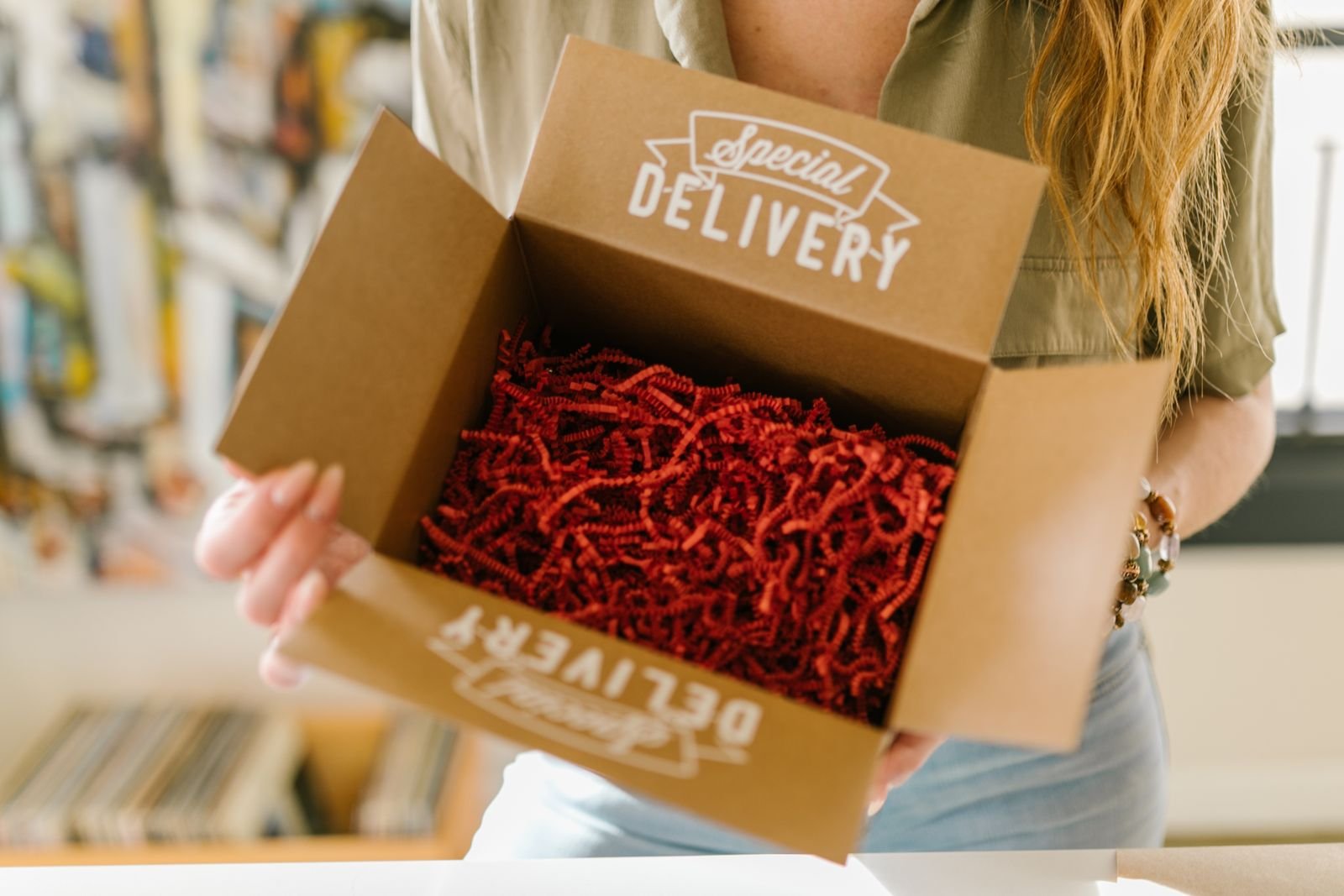
Tissue and crinkle fill support presentation and can limit minor movement in low-risk packs. They are flexible when a business ships several product combinations from the same box. They are not a direct substitute for a fitted structural insert when fragile or heavy items must remain separated.
Loose fill can migrate while the parcel moves. Too little leaves empty space; too much increases material use, packing time and closure pressure. USPS cushioning guidance says multiple items should be protected from one another as well as external forces, and heavy items should be stabilized. Review the USPS packaging and cushioning standards when mail is part of the distribution route.
For a more controlled unboxing sequence, combine custom tissue paper with a sticker or band, then place the printed card where the customer sees it before discarding the box. Keep a card useful: setup steps, care instructions, return guidance and a working QR destination are stronger than a generic marketing message.
How to Measure Custom Package Inserts
Better measurements reduce sample rounds, but a supplier still needs the physical context. Use this checklist before asking for prices:
- Measure every product at its widest, tallest and deepest points. Include closures, labels, cables, handles and accessories.
- Record product tolerances. Measure several units when manufacturing variation is possible.
- Weigh each item and the complete kit. Several products can load the same divider in different directions.
- Mark fragile and no-contact areas. Identify glass edges, screens, seals, decoration and soft-touch surfaces.
- Provide inside box dimensions. Outside dimensions do not describe the usable cavity.
- Map the pack-out order. Show which item loads first, where cards sit and how a customer removes each part.
- Define acceptable movement. A presentation tray and a protective shipping insert may require different retention.
- Describe fulfillment conditions. Note whether packing is manual or automated and the target packing speed.
- Plan samples and tests. Use the intended product, outer package, closures and insert material.
Do not add a universal clearance number to artwork and assume it will suit every material. Board thickness, product finish, molding tolerance and packing method all affect the fit. Ask the supplier to state the recommended allowance and confirm it on a physical sample.
Test the Complete Packaging System
An insert is one part of a packaged product. The outer box can crush, a closure can open, a partition can load against the wrong face or loose fill can move away from a fragile corner. Test the combination rather than the insert in isolation.
The International Safe Transit Association test procedure library separates screening tests from partial and general simulation procedures. Select a procedure that reflects the distribution route and the decision you need to make. ASTM D4169 provides a standardized approach for evaluating shipping units against distribution hazards.
Formal testing is not necessary for every decorative card, but it is relevant when the insert affects retention or cushioning. Define failure before testing: visible damage, leakage, scuffing, movement, broken seals, crushed graphics or another product-specific limit. Record the tested product version, package version and pack-out method so later changes can be assessed.
Retest when a change could affect performance. A lighter-looking material substitution, a different outer box or a new product weight can alter the load path even when the overall design appears unchanged.
Sustainability and Disposal Claims
Material labels are not complete environmental conclusions. A lightweight plastic tray, a heavy fiber insert and a foam component have different sourcing, production, transport and recovery considerations. Start by removing unnecessary material and right-sizing the pack, then compare realistic end-of-life routes in the market where the package is sold.
The US EPA sustainable packaging guidance connects packaging decisions with material efficiency and recovery. The FTC Green Guides summary explains why broad claims such as “green” or “eco-friendly” are difficult to substantiate and how recyclable or recycled-content claims may need qualification.
For paper-based options, ask whether certified sourcing is required and whether the specific supplier can provide the documentation and label approval needed for your claim. The FSC USA paper, print and packaging resources outline the role of certification and chain of custody. For corrugated context, the Fibre Box Association provides industry information on corrugated packaging.
Write the claim only after confirming the exact material, percentage, coating, label and certification scope. Keep supplier evidence with the approved specification.

What to Include in a Supplier Brief
Ask each supplier to quote the same specification. Include:
- Product samples, dimensions, weight and tolerance range.
- Fragile areas, surface restrictions and acceptable movement.
- Inside dimensions and construction of the outer package.
- Quantity, reorder expectation and the number of product versions.
- Preferred insert types plus any materials you want excluded.
- Pack-out order, fulfillment method and target assembly time.
- Print coverage, color, coatings, labels and finish requirements.
- Target distribution route and any retailer or carrier protocol.
- Prototype quantity, approval stages and production tolerance.
- Environmental claims, certifications and documentation required.
Ask suppliers to identify tooling, setup, storage and sampling costs separately. A low unit price may depend on a large tooling commitment or a pack-out that is slow at the fulfillment table. A clear breakdown makes alternatives easier to compare.
Frequently Asked Questions
Are packaging inserts and product insert cards the same?
No. Structural packaging inserts hold, separate or cushion a product. Product insert cards provide instructions, care information, QR codes or customer service messages. A package can use both.
Which insert works best for a small ecommerce brand?
The answer depends on product weight, fragility, order mix, box size and presentation. Corrugated or paperboard structures are often practical for early versions, while tissue and cards suit low-risk presentation. Tooling may be justified for molded pulp, foam or thermoformed trays when fit, protection, volume or retail presentation requires it.
Do custom inserts for packaging always need testing?
If the insert affects protection, test it with the product and outer package. Low-risk goods may use documented internal checks, while fragile products, retailer programs and expensive goods may need a formal transit procedure.
Can one insert fit several product sizes?
Sometimes. Adjustable partitions, shared cavities or paper padding may handle controlled variation, but excessive empty space can reduce retention. Provide all product dimensions and ask the supplier to prototype the full range.
What files should I send for printed inserts?
Follow the supplier’s dieline and artwork instructions. A print-ready PDF with bleed, the requested color system, outlined or packaged fonts and clearly named cut or finish layers is commonly requested. Keep structural and printed components in separate files when they have different suppliers or approvals.
Bring Your Packaging Insert Project to Production
Good product box inserts start with function: hold the product, support an efficient pack-out and create the intended reveal. Material, print and finish choices follow those requirements. Physical samples and a documented test plan help convert a promising dieline into a repeatable pack.
Planning corrugated, paperboard, molded pulp, foam, thermoformed or printed custom package inserts? Send Stowliva your product dimensions, photos, quantity, outer box details and material preferences. Request a custom packaging quote for a specification review and production options.
The five photographs are licensed illustrative stock images credited to their photographers. They do not show Stowliva products, factories or client work.