Packaging Compliance
SB 54 Plastic Reduction
California SB 54 connects producer responsibility with less plastic, better recovery and changes to packaging design. Understand the statewide goals, the producer’s role and the data behind a reduction claim.
Explore the guide ↓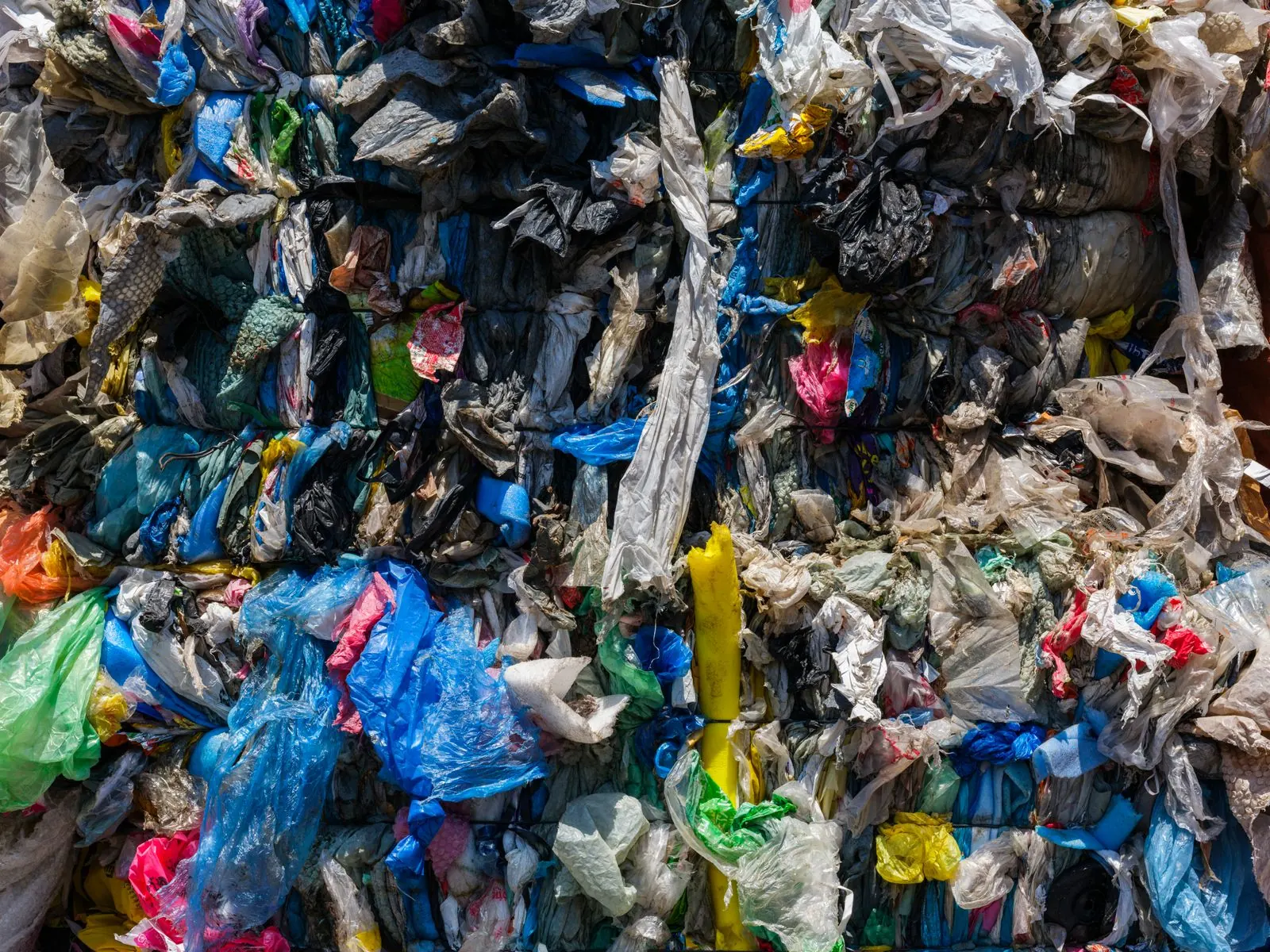
Using recycled plastic and using less plastic solve different problems. SB 54 addresses the system as well as the material in one package.
- Separate statewide targets from a specific producer’s obligations.
- Less plastic and more recycled input are separate measurements.
- Keep the baseline, component weights and protection result together.
On this page
Why the law reaches beyond the recycling binRead the 2032 goals at the correct levelSource reduction changes the amount; PCR changes the originIdentify the responsible entity before assigning tasksBuild data that can explain a changeTurn policy pressure into a useful design sequence01 / 06
Why the law reaches beyond the recycling bin
A city can collect packaging only after a producer has decided its material, weight and format. Those upstream choices influence how much waste arrives and whether recovery is practical. Extended producer responsibility brings the organizations putting covered packaging on the market into the funding and design conversation.
SB 54 applies this approach to California’s covered packaging and certain single-use plastic food-service ware. Its reduction goals add a second question: can the same job be done with less plastic in the first place? It is therefore broader than a requirement to print a recycling symbol.

02 / 06
Read the 2032 goals at the correct level
A statewide target describes a result the program must achieve. A producer’s operational obligations arise through the law, regulations, approved plans and its actual status in the system. A target does not mean every individual pouch must achieve that percentage by itself.
Keep the material and denominator attached to the number. Plastic reduction, plastic recycling and the design of all covered materials are different measurements. Replacing one statistic with another obscures what the policy is trying to change.
| 2032 program goal | What the goal concerns | A common misreading |
|---|---|---|
| 25% plastic source reduction | Less covered plastic, against the defined baseline | 25% recycled content in every pack |
| 65% plastic recycling | Recovery of covered plastic at system level | 65% of each individual bag is recyclable |
| 100% recyclable or compostable covered materials | The applicable design and recovery criteria | Any item labeled compostable automatically qualifies |
03 / 06
Source reduction changes the amount; PCR changes the origin
A 20 g plastic bag still contains 20 g of plastic if its formulation changes from virgin resin to post-consumer resin. The input history has improved, but the weight has not fallen. A reduction to 16 g changes the amount, assuming it still performs the same job. Reuse or eliminating a redundant layer can change the comparison again.
Material substitution should also be evaluated with protection and the whole construction. A lighter bag that tears and requires a second bag does not deliver the expected saving. A heavier paper substitute is not a plastic-weight calculation alone; its own resource use and function remain relevant.
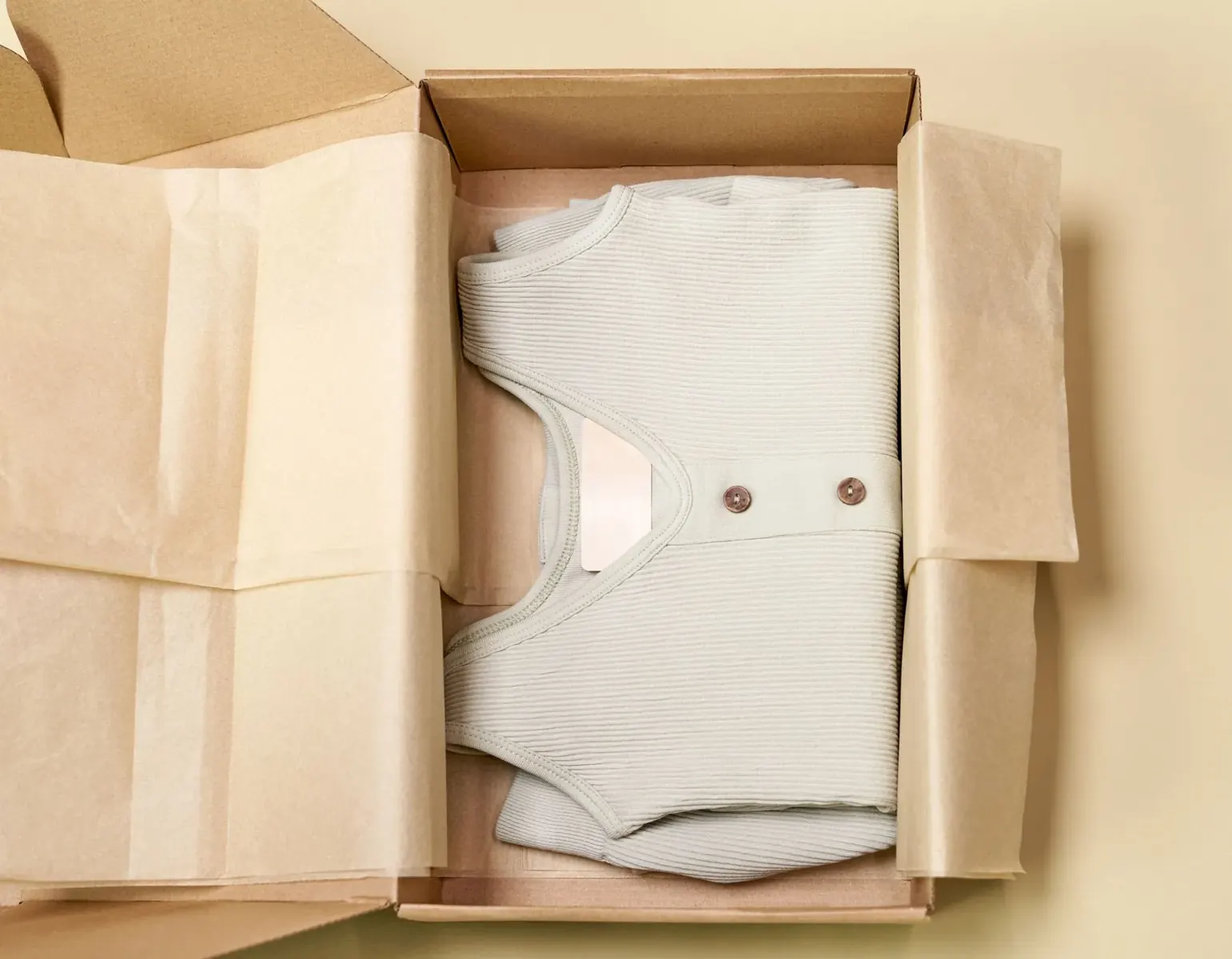
Illustrative arithmetic · two distinct changes
For 50,000 orders, a 20 g bag uses 1,000 kg of plastic. A 16 g bag uses 800 kg, a 20% weight reduction. If the 16 g bag contains 50% PCR, its PCR input is 400 kg. These figures describe different changes and do not establish regulatory credit under SB 54.
04 / 06
Identify the responsible entity before assigning tasks
The factory making an empty bag, the brand selling the packaged product and the business importing it can be different entities. Producer definitions and priority rules determine who is responsible in a particular case. Do not assume the packaging supplier becomes the producer simply because it made the item.
For each sales route, map the brand owner, importer or other relevant entity, what is placed on the California market and which packaging components are covered. Then resolve applicable exemptions and participation requirements using current official guidance. This is an entity-and-market question before it becomes a material-choice question.

05 / 06
Build data that can explain a change
A claim of reduced plastic needs a named baseline and comparable activity. Record component weights, material categories, units supplied into the market and the specification revision. A decline caused only by fewer sales is different from a lighter design per protected product.
Keep the sample behind the number. Film dimensions, thickness, closures and actual measured mass explain why a new item weighs less. If the package changes again, the data must change with it.
| Record | What it lets a reviewer understand |
|---|---|
| Baseline year and specification | What the new design is compared with |
| Weight of each covered component | Which component changed |
| Quantity by market and period | How much was supplied into the jurisdiction |
| Material and construction revision | Whether categories remain comparable |
| Protection test and reject rate | Whether the reduced material still performs |
06 / 06
Turn policy pressure into a useful design sequence
Start by removing avoidable material, then examine right-sizing and suitable lower-weight constructions. Assess recovery compatibility and sourcing with the revised design. Test product protection before replacing the approved specification. That sequence produces a practical package rather than a percentage selected only for the website.
For a Stowliva project, a component-and-weight breakdown can support the brand’s review. Regulatory participation, fee calculations and permitted claims need the responsible entity’s current program assessment. An artwork approval is not proof that those separate obligations have been met.

- 1Map the producer and market
- 2Record the baseline pack
- 3Reduce unnecessary material
- 4Test the revised construction
- 5Update quantities and reporting data
Official and first-party resources · reviewed October 7, 2026
Put the learning into your next pack.
Share your product, material questions and destination with Stowliva.