Custom Branding
Printing with Algae Ink
Algae-derived black pigment changes the source of a colorant. Learn how pigment becomes ink, why the carrier still matters and what an environmental claim can—and cannot—say about the finished package.
Explore the guide ↓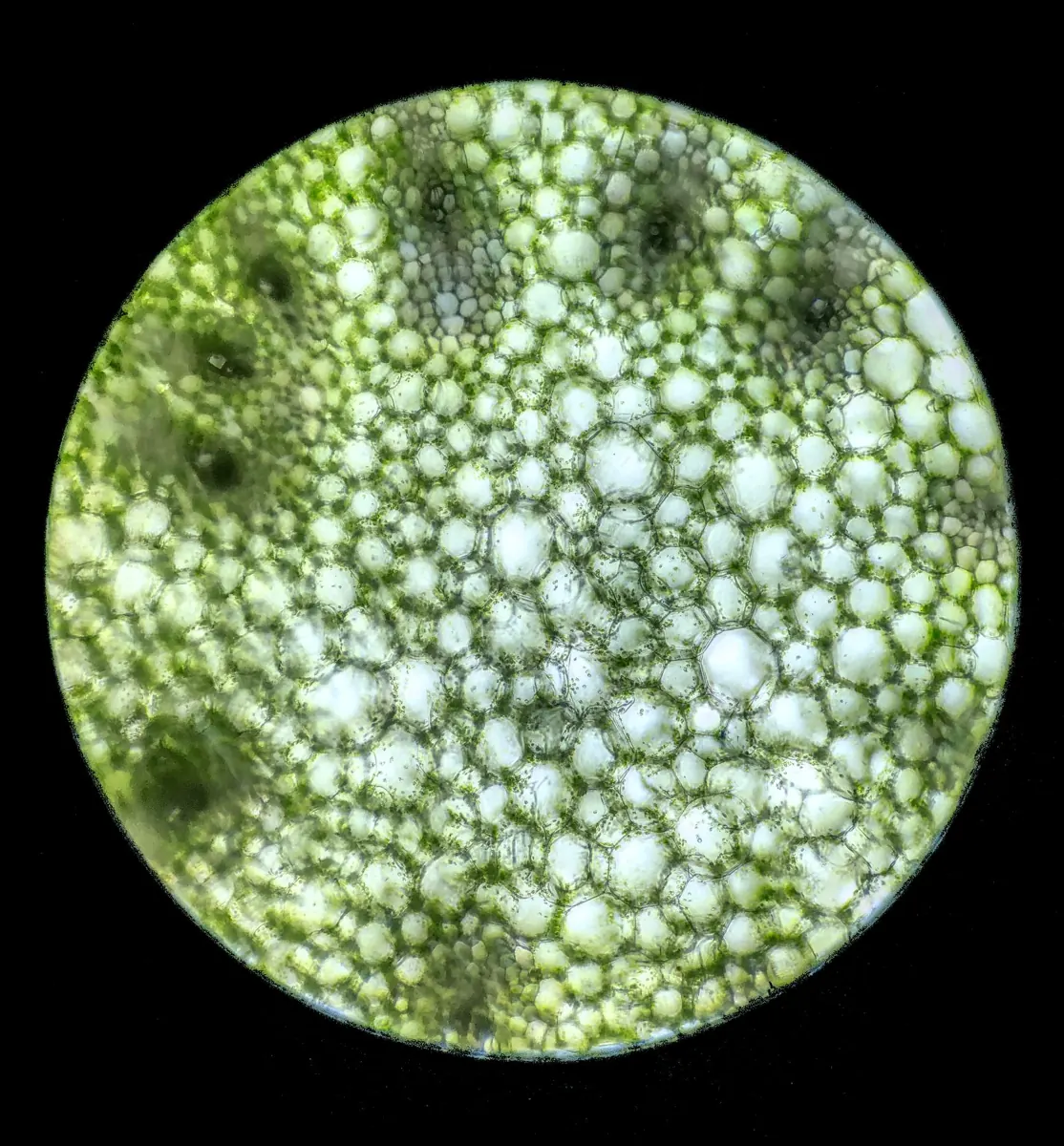
Algae pigment and soy-based ink are not competing descriptions of the same ingredient. One describes the colorant; the other can describe part of the ink vehicle.
- Separate the pigment from the ink vehicle.
- Trial the selected grade on the actual substrate.
- A pigment’s life-cycle result is not the footprint of a finished pack.
On this page
An ink is a formulation, not just a colorWhy replace fossil-derived black colorant?A soy vehicle can carry an algae-derived pigmentPrint performance belongs to the actual substrateKeep a pigment study within its stated boundaryMake a precise ingredient claim and keep disposal separate01 / 06
An ink is a formulation, not just a color
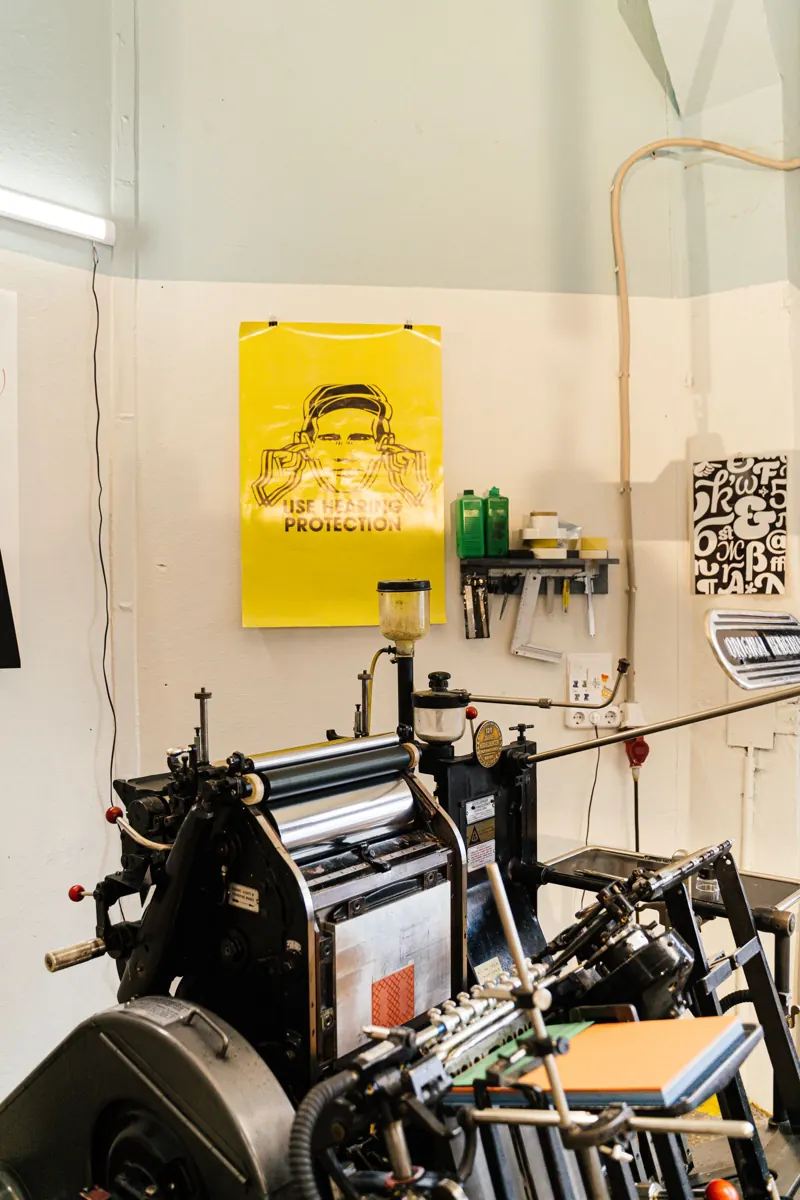
Pigment supplies color. A carrier helps deliver it through the printing process. A binder helps the printed layer stay attached, while additives adjust behavior such as flow and drying. Changing one ingredient does not describe the whole formulation.
This distinction makes alternative ink easier to understand. A renewable black pigment can be combined with an ink vehicle appropriate to paper or textiles. The same pigment name does not mean every resulting ink works on every surface.
| Part | Role | Question to ask |
|---|---|---|
| Pigment | Produces the color | Where does this colorant come from? |
| Carrier / vehicle | Enables handling and transfer | Which process and drying route is it made for? |
| Binder | Helps hold the printed layer | Does it adhere and flex on this substrate? |
| Additives | Adjust application and performance | What does the finished formulation require? |
02 / 06
Why replace fossil-derived black colorant?
Conventional carbon black is commonly produced from fossil-derived feedstocks. A biomass-based alternative changes that input pathway. Using a byproduct can also give a productive use to material remaining from another activity. These are specific resource choices rather than proof that all ink impacts disappear.
The biomass still needs collection and processing, and the complete ink still needs a suitable formulation. A careful comparison asks what changed in the pigment supply and how much of that pigment is used in the print job.
03 / 06
A soy vehicle can carry an algae-derived pigment
A common misunderstanding is to compare algae ink with soy ink as though each name describes the entire composition. A soy-based ink can still use a conventional black pigment. A formulation can instead combine a soy-containing vehicle with an algae-derived black pigment. Both descriptions can then be true.
Ask which part changed and which grade is proposed. A generic claim of plant-based ink leaves too much unclear: the renewable fraction, colorant, binder and process suitability can all differ.
Separate the two questions
Question one: what makes the ink black? Question two: what vehicle carries that colorant? This is why replacing the black pigment is a different decision from specifying a water- or soy-based vehicle.
04 / 06
Print performance belongs to the actual substrate
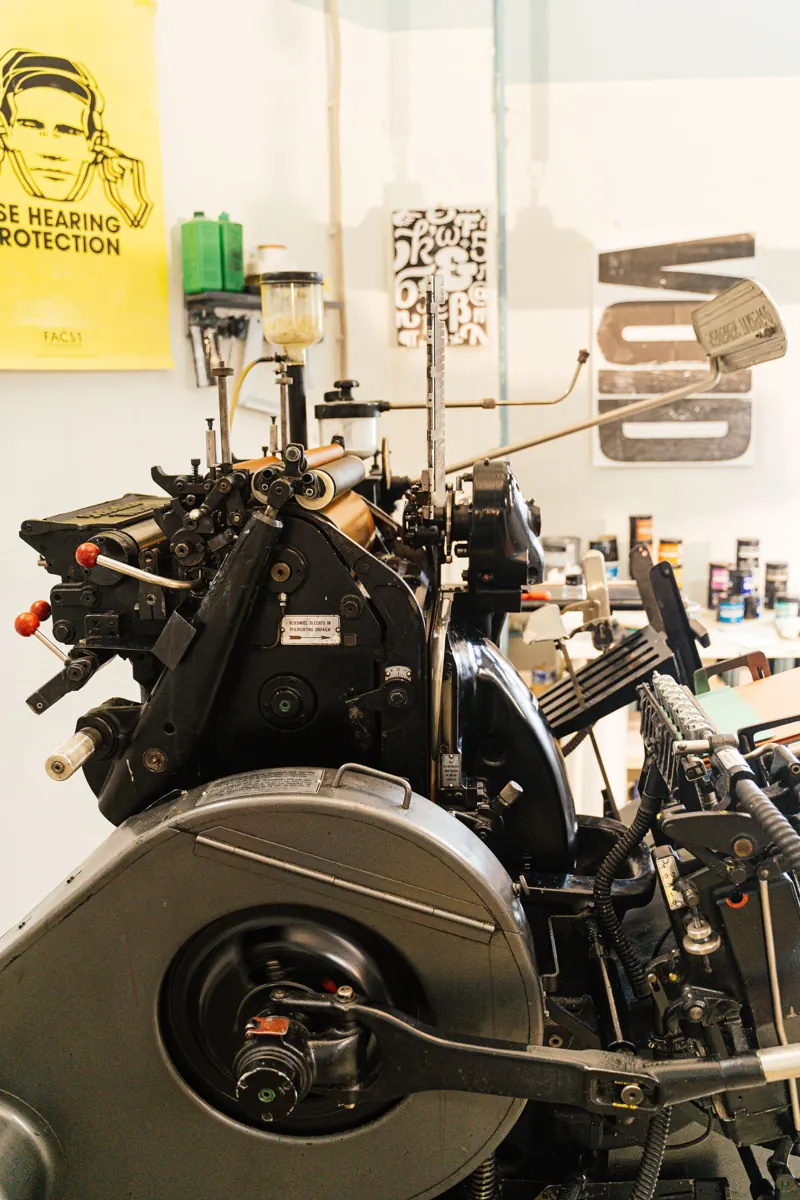
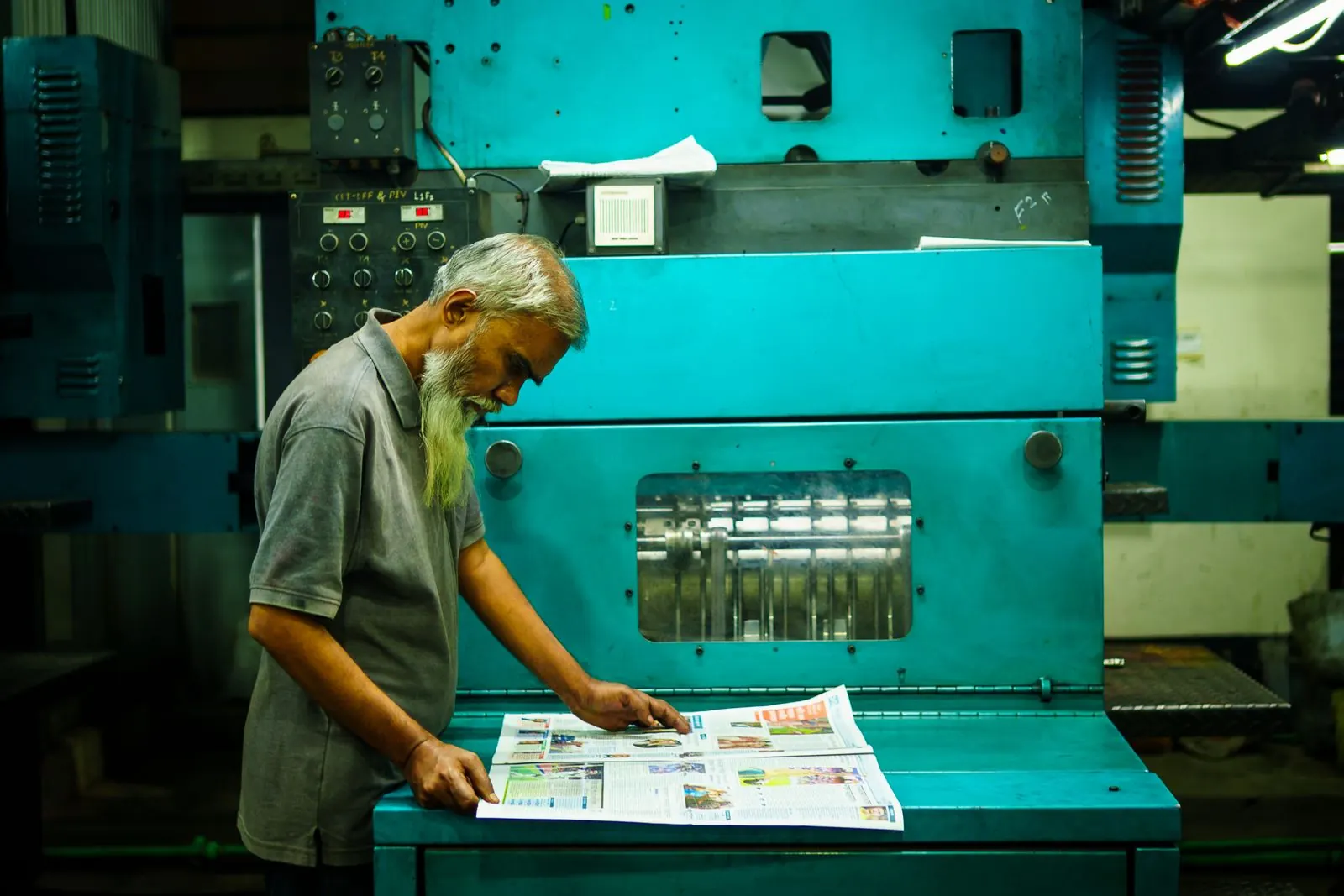
Paper absorbs ink differently from a coated card, flexible film or cotton pouch. A grade suitable for one method should not be assumed suitable for another. The selected formulation must work with the equipment, drying or curing conditions and required durability.
Use a trial to compare appearance, adhesion, rub and flexing on the actual material. Include heavy coverage and fine detail if the artwork uses them. A successful black swatch is useful evidence for that substrate and process, rather than a guarantee for every future order.
- 1Select the substrate and method
- 2Identify an available suitable ink grade
- 3Trial the actual artwork
- 4Inspect appearance and durability
- 5Review the claim and specification
05 / 06
Keep a pigment study within its stated boundary
A life-cycle result for a kilogram of pigment concerns that product and its calculation boundary. A printed bag also includes substrate, other ink ingredients, converting, transport and disposal. The bag does not inherit the pigment’s footprint automatically.
If a developer reports a carbon result, identify the developer, modeled conditions and scope. To make a finished-package comparison, use the actual pigment quantity and account for the rest of the system. A black logo made with an alternative ingredient does not establish a carbon-negative carton.
A package is larger than its ink ingredient
Illustrative mass example: a 100 g carton carrying 0.5 g of formulated ink is not 100.5 g of algae pigment. The ink’s pigment fraction must be known before even calculating the pigment contribution.
06 / 06
Make a precise ingredient claim and keep disposal separate
A supported statement about a biomass-derived pigment can explain one useful design choice. It should identify the actual ingredient and avoid implying that the paper, adhesive and finish all changed with it. The strongest story is the specific change the evidence can support.
Recycling, compostability and food-contact suitability require their own finished-construction review. For a Stowliva project, alternative pigment availability and compatibility need confirmation before it appears in the approved specification. Use the artwork and ink FAQ guides to prepare that discussion.
| Proposed statement | What it needs |
|---|---|
| Printed with a named alternative pigment | Verified grade, actual use and permitted wording |
| The printed pack is recyclable | Evidence for the complete construction and recovery route |
| The printed pack is compostable | Appropriate finished-item evidence and stated conditions |
| The pack has a lower footprint | A comparable calculation with a defined boundary |
Official and first-party resources · reviewed October 7, 2026
Put the learning into your next pack.
Share your product, material questions and destination with Stowliva.