Why Stowliva
Our Vision
A package should keep its material useful after delivery. Our direction is to make that next life possible—and to understand the ecological cost of the new resources a package still needs.
Explore the guide ↓
Better packaging connects two decisions: what it is made from today, and what its material can become tomorrow. A green-looking package can fail at either end.
- Keep material useful beyond its first delivery.
- Separate regrowth from ecological restoration.
- Explain the improvement with a concrete result.
On this page
A single delivery should not be the end of a material’s useful lifeCircularity means keeping the material in productive useRenewable describes regrowth; regenerative describes an outcomeNew raw materials still matter, even in a circular systemWhat this direction means for a real Stowliva packProgress needs evidence that a reader can follow01 / 06
A single delivery should not be the end of a material’s useful life
Imagine the box around a new sweater. Trees supplied its fiber; a mill used water and energy to make the board; a converter cut and printed it. Throwing that box away after one delivery discards material that required real resources to produce. The useful question is not simply whether the box looks natural. It is whether we can preserve more of the value already invested in it.
Our direction is to reduce unnecessary packaging first, then connect recovered inputs with a workable route after use. That requires action before the customer reaches the bin: choosing a recoverable construction, creating demand for recovered material and explaining the right destination. Product protection stays essential, because a damaged sweater and replacement shipment also consume resources.
02 / 06
Circularity means keeping the material in productive use
A circular packaging system has a return journey. A used carton is collected, sorted, pulped and converted into material that another manufacturer buys. A package made with recovered fiber then creates a market for the output of that journey. Collection and purchasing are connected: a pile of sorted paper is not yet a new product.
The ideal is to preserve useful material quality so it can do another valuable job. In practice, fiber wears and polymers can lose properties, some material is lost, and contamination reduces what can be recovered. Circularity therefore does not mean an endlessly perfect loop. It means designing to keep more material useful and reducing the need to start again with newly extracted resources.
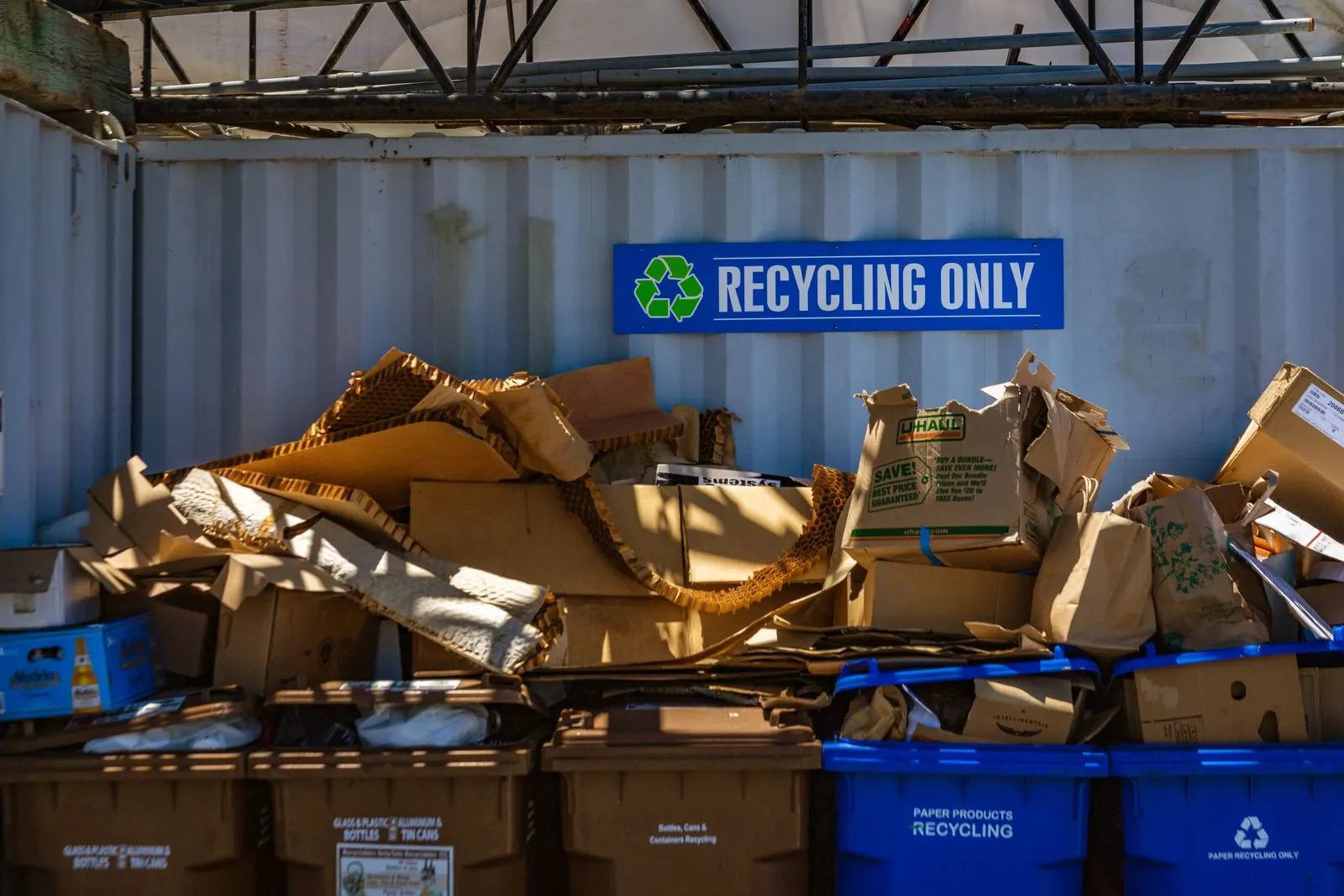
- 1An order is delivered
- 2The package is collected
- 3Material is sorted and processed
- 4A manufacturer buys recovered inputs
- 5A new useful product is made
03 / 06
Renewable describes regrowth; regenerative describes an outcome
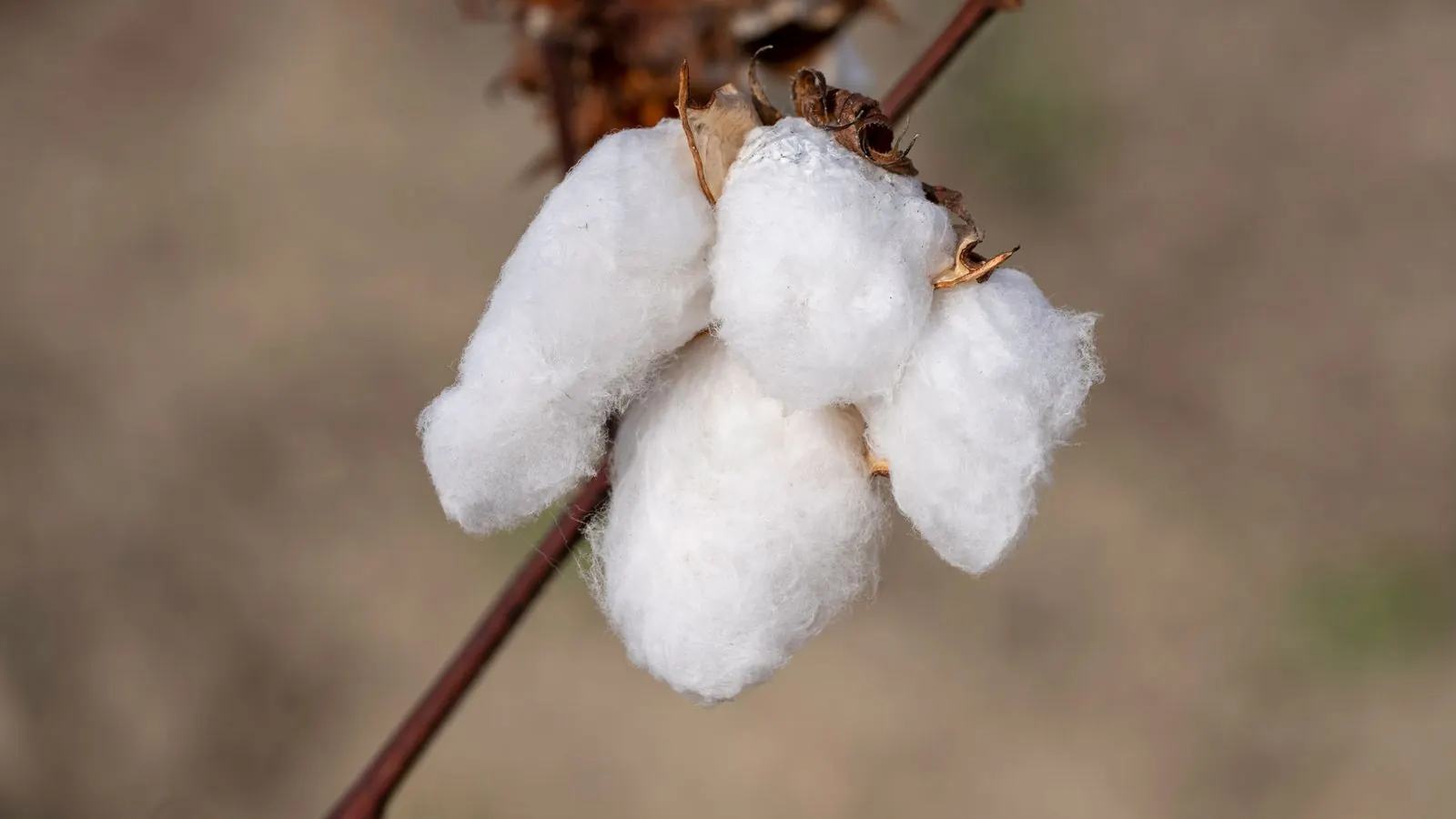
Cotton can grow again in a new season. Trees can grow again over years or decades. Seaweed can grow again in a marine farm. Those are renewable biological sources when harvesting stays within their ability to replenish. Petroleum forms over geological periods, so it cannot replenish on the time scale of a packaging purchase.
Regrowth alone does not tell us what happened to the place where the material was produced. A crop can regrow while intensive production damages soil or water. A new plantation does not recreate all the functions of an old forest. A regenerative ambition asks a further question: does the specific production practice improve ecological conditions, with evidence for the location and period being discussed? Renewable is a property of the resource; regenerative is a claim about the effects of producing it.
| Term | Plain meaning | A question the term does not answer |
|---|---|---|
| Renewable | The biological source can replenish through growth | Was the habitat protected? |
| Recycled | Previously recovered material is used again | Can this package be recovered next time? |
| Regenerative | Production aims to improve ecological conditions | Which change was measured, where and over what period? |
Two paper boxes can tell different stories
Illustrative comparison: Box A uses fresh wood fiber. Box B uses recovered paper fiber. Both have biological origins, but only Box B reuses fiber already in circulation. Neither box’s brown color tells you whether its fiber was sourced responsibly or whether a plastic laminate has been added.
04 / 06
New raw materials still matter, even in a circular system
Recycling cannot supply every input forever. Losses, growing demand and performance needs mean that some virgin material remains necessary. Our vision therefore includes the origin of those new inputs, rather than treating high recycled content as an answer to every environmental question.
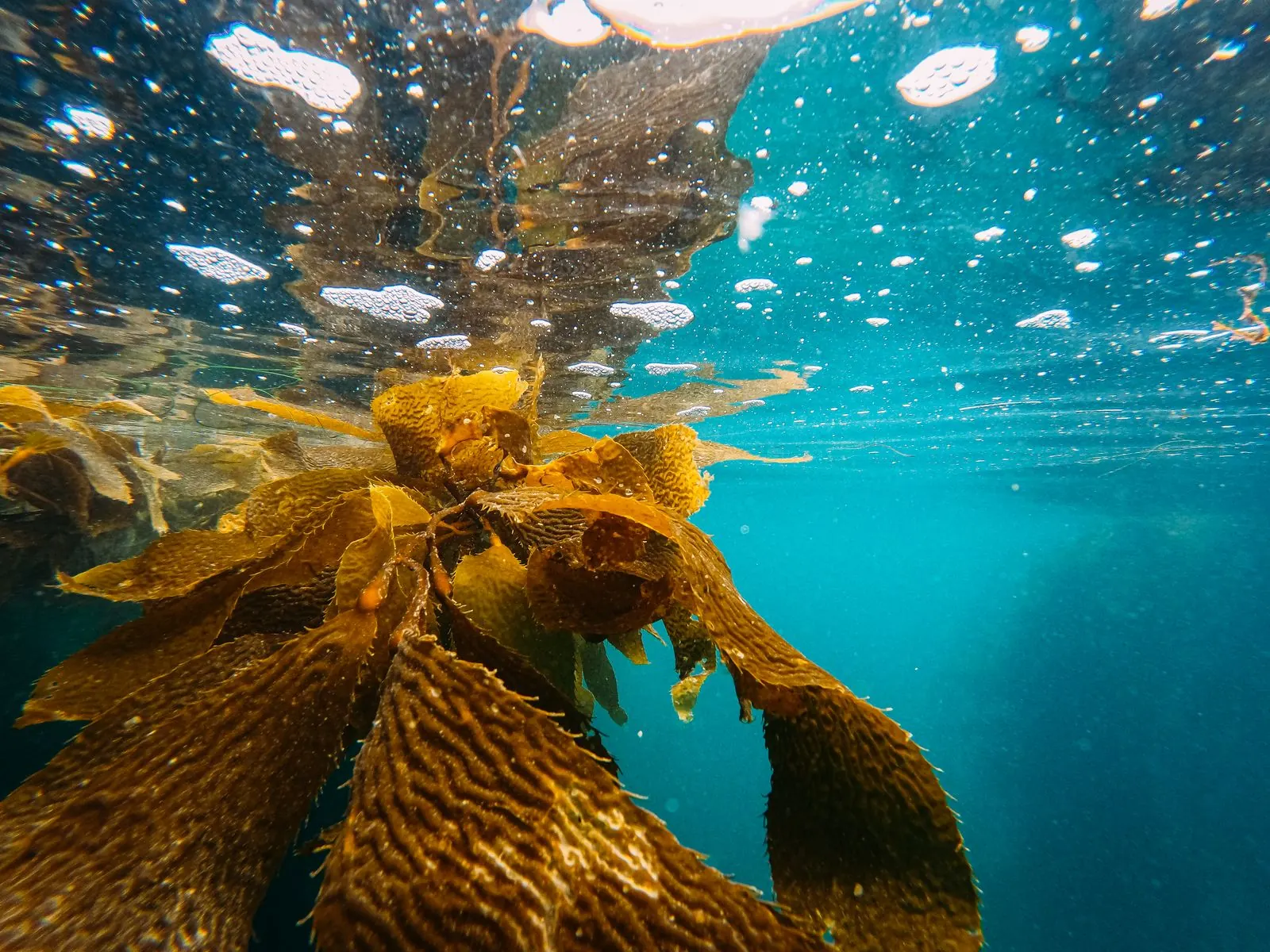
For paper, that means understanding fiber sourcing. For a textile pouch, it means looking at the crop or polymer as well as its durability. For an emerging seaweed film, it means assessing cultivation, formulation and converting. Seaweed is interesting because marine cultivation can provide ecological services; it is not a shortcut to calling every seaweed-containing bag carbon-negative. The cultivation benefit, manufacturing footprint and final disposal route are different parts of the story.
05 / 06
What this direction means for a real Stowliva pack
Consider a jewelry order with a presentation pouch, outer box, tissue, card and sticker. The first improvement may be to give each piece one useful job: the pouch protects the item, the box handles delivery and the card carries care information. If two layers only repeat the same decoration, a simpler system may preserve the experience with less material.
The next decisions concern the remaining pieces: recovered content in the box and card, a pouch customers will actually keep using, and a construction that does not need a permanent mixed-material finish. These are project choices, not a claim that every option in our catalog already meets one universal standard. The framework explains how to compare them; the material guides explain why the choices matter.
An improvement should have a named result
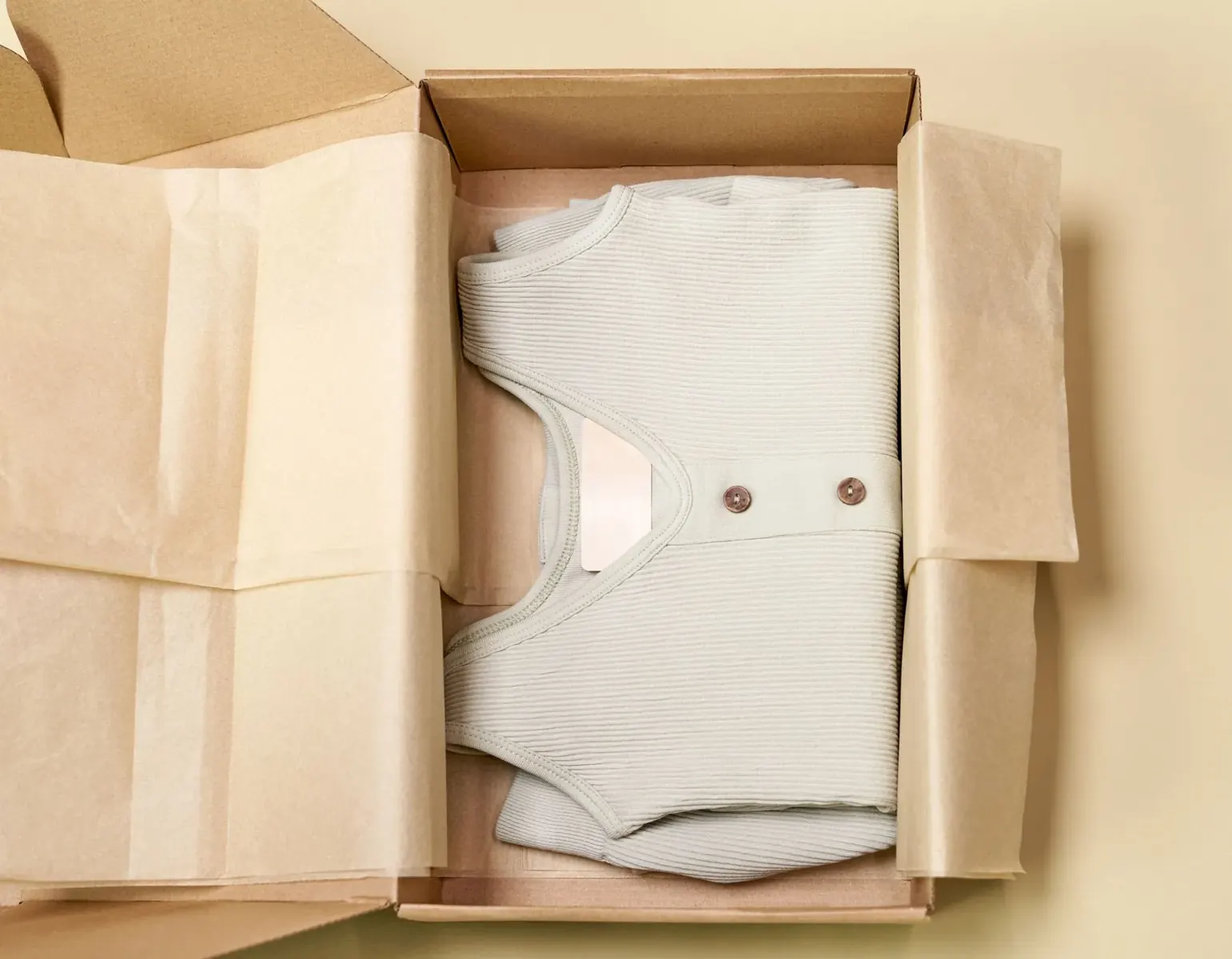
Illustrative redesign: replace a decorative sleeve and extra sticker with print on the existing carton. The first measurable result is one fewer component. If a trial confirms protection and presentation, record the removed material’s weight. A carbon-saving claim would require a separate life-cycle comparison.
06 / 06
Progress needs evidence that a reader can follow
A useful environmental statement should survive a simple follow-up: what exactly changed? ‘The outer carton contains 80% recovered fiber’ is a material statement. ‘We removed 12 grams of packing material per order’ is a measured design result. ‘This pouch is used for ten delivery cycles’ is an operating result that requires actual return records.
We want the learning library to make those distinctions understandable. Material explanations, third-party standards and worked examples help a brand connect its design to its claims. The long-term direction is less extraction and more useful material life; the next practical step is a change whose purpose and evidence can be explained clearly.
Official and first-party resources · reviewed October 7, 2026
Put the learning into your next pack.
Share your product, material questions and destination with Stowliva.