Packaging Education
Compostable Packaging
Composting is a treatment process, not a way to make every package disappear. Learn when a compostable item helps, what certification tests and why real-world acceptance matters.
Explore the guide ↓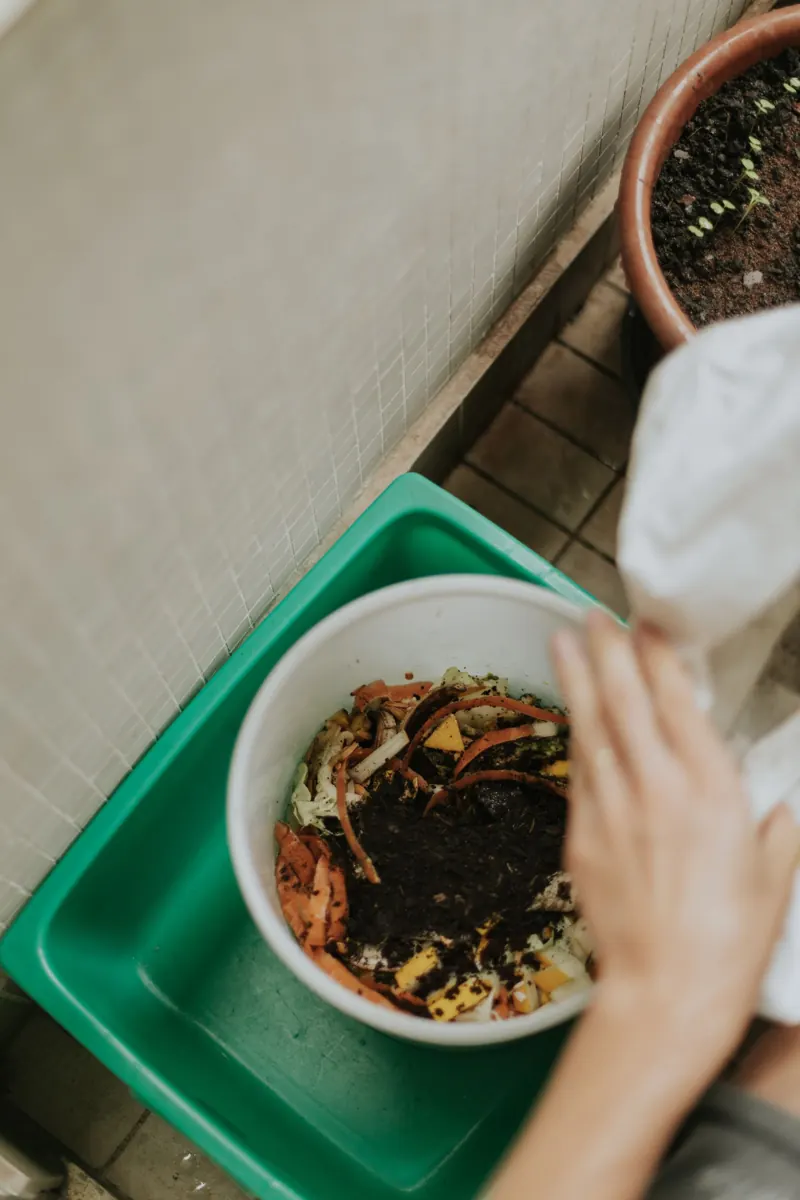
Use a compostable construction for a defined job and an accepting treatment route. For a clean recoverable packaging material, recycling may preserve more material value.
- Compostability has a specified environment and construction.
- Certification and local acceptance answer different questions.
- Choose the route that fits the application and real treatment system.
On this page
Composting returns suitable organic material through a biological processBiodegradation, disintegration and certification are differentHome and commercial composting are not interchangeableA real-world study shows why the conditions cannot be omittedComposting and recycling keep different things in circulationAcceptance by the facility is a separate requirement01 / 06
Composting returns suitable organic material through a biological process
Microorganisms break down suitable material under managed conditions. Oxygen, moisture, temperature, time and the mix of inputs influence the process. The goal is useful compost, not simply a pile in which packaging is no longer easy to see.
Food scraps and yard material are the core inputs many compost systems are designed around. Packaging is an additional input with its own formulation. It should help the system rather than make food-waste collection harder or degrade the finished compost. A label on a mailer cannot substitute for a plan to collect and treat it.
02 / 06
Biodegradation, disintegration and certification are different
Disintegration describes an item breaking into smaller pieces. Biodegradation concerns biological conversion of its material under specified conditions. If a plastic merely fragments, the pieces can remain plastic. Disappearance from sight is not enough to establish the desired biological outcome.
Compostability schemes evaluate a defined item against a set of requirements, which may include breakdown and effects on compost quality. The finished thickness, formulation and additions matter. A certificate for a base resin should not be extended automatically to a thicker printed bag with a different adhesive or closure.
A resin certificate and a finished bag
Imagine that a resin grade has been assessed for a particular composting condition. Adding a noncompatible closure or changing the construction creates a new question. The base ingredient’s document cannot answer for every finished item made with it.
03 / 06
Home and commercial composting are not interchangeable
A managed commercial process can reach and maintain conditions that a garden bin may not. A home bin varies with climate, season, moisture, ventilation and how it is used. A material that performs under one test environment should not be assumed to perform at the same speed in another.
Read the exact scheme on the listing and packaging. Commercial certification does not establish a home-compost claim. Home evidence does not establish marine breakdown or permission to litter. Those are different environments with different conditions.
04 / 06
A real-world study shows why the conditions cannot be omitted
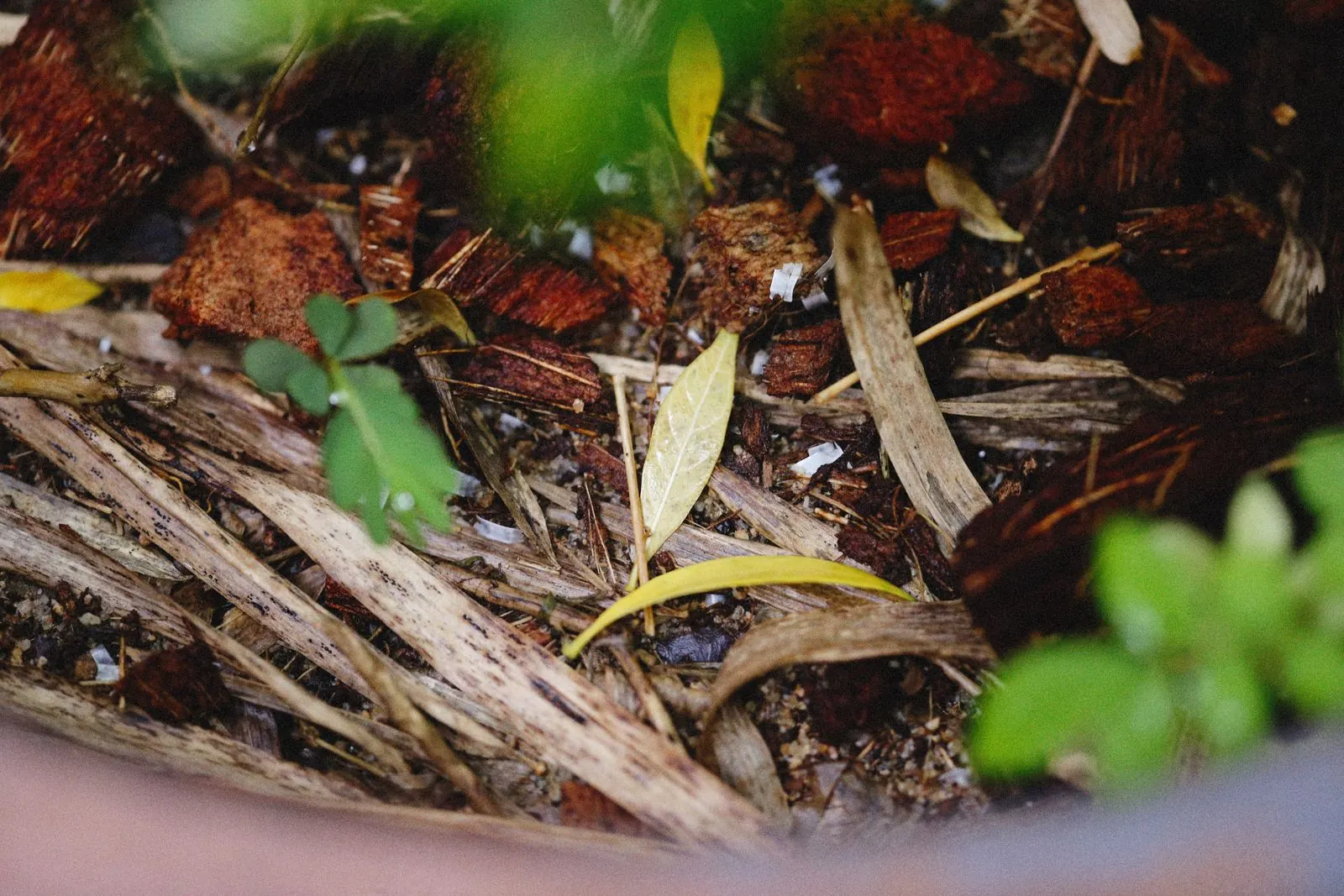
Laboratory assessment provides a controlled comparison. A household compost experiment tests a different question: what people and their actual bins achieve. Results can depend on the product, the user’s interpretation of the label and the composting conditions.
A UK citizen-science study is useful because it makes that implementation gap visible. It should not be turned into a universal failure rate for every certified product in every country. It does show why a home-compost claim needs usable instructions and a realistic understanding of the receiving environment.
05 / 06
Composting and recycling keep different things in circulation
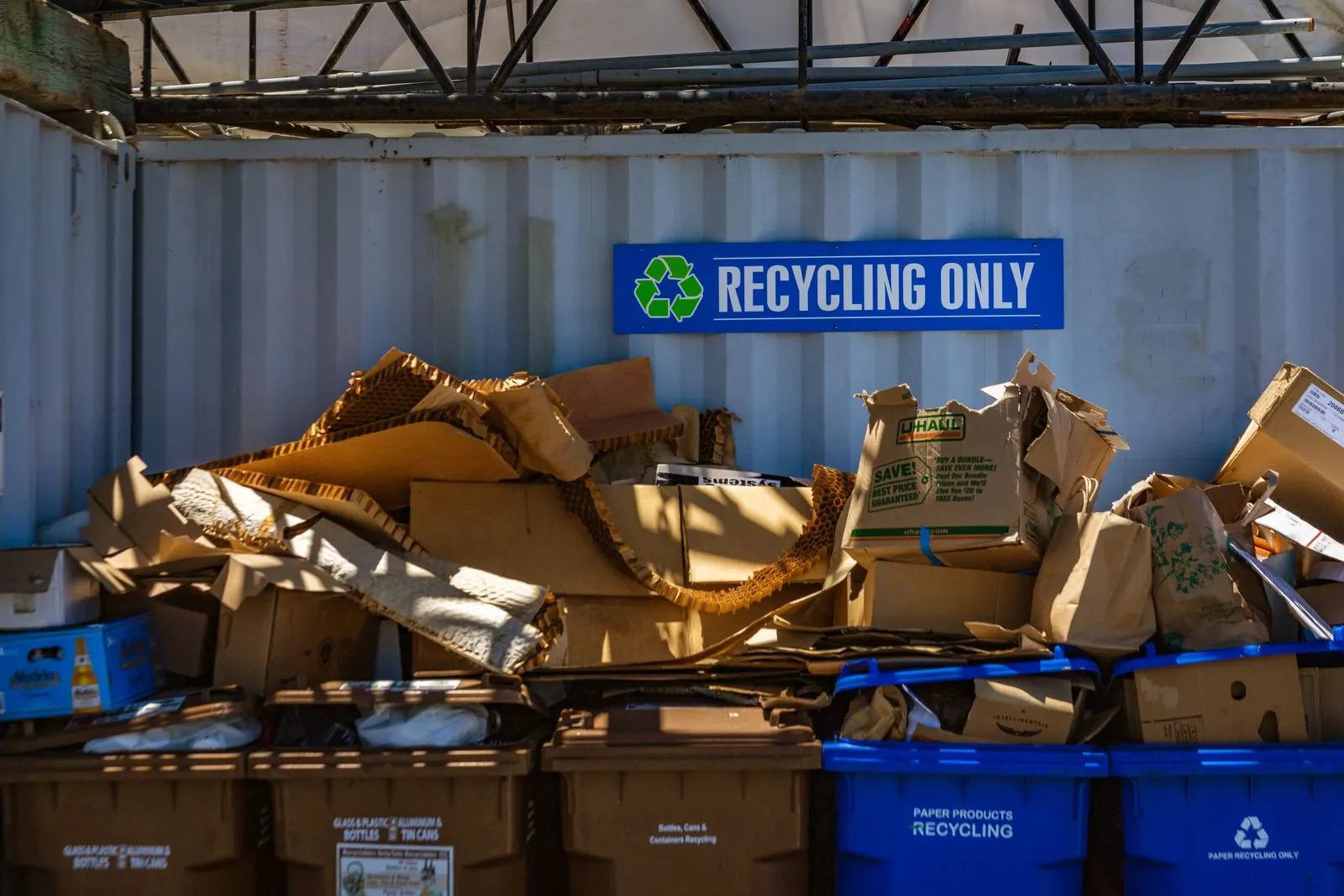
Recycling aims to retain material for another product. Composting aims to biologically process suitable inputs into compost; it does not return a plastic bag as a new plastic bag. That distinction matters when the material can already enter a useful recycling route.
For a clean delivery carton, keeping fiber in a paper recovery system can preserve its manufacturing value. For food-soiled packaging in a closed food-service setting, an accepted compostable item might help collect food scraps that would otherwise be separated poorly. The better route depends on the job and actual system, not on a ranking printed without context.
Compare a clean parcel with a food-service tray
A clean shipping carton and a food-soiled item at a venue have different waste contexts. The venue may have a controlled organics collection and an accepting facility. A customer receiving a mailer at home may have neither.
06 / 06
Acceptance by the facility is a separate requirement
Compost operators decide what their process can accept. They manage residence time, contamination, screening and the quality their customers need. A facility may decline packaging even when that packaging has a valid certificate.
Before designing around composting, identify the program, the accepted item and how it will be separated from lookalikes. If no appropriate route exists, a compostability claim does not solve disposal. Keep compostable film out of conventional plastic recycling, and never treat a biological-origin claim as permission to put it in either stream.
- 1Choose a necessary application
- 2Verify the finished construction
- 3Confirm the accepting program
- 4Collect it separately
- 5Treat it under the required conditions
Official and first-party resources · reviewed October 7, 2026
Put the learning into your next pack.
Share your product, material questions and destination with Stowliva.