Stowliva learning library
Turn a brand idea into a reproducible print.
A logo file alone does not specify a finished pack. Learn how construction, color separation, ink formulation and substrate affect the result—and what the digital proof and physical sample should each approve.
Find your next guide ↓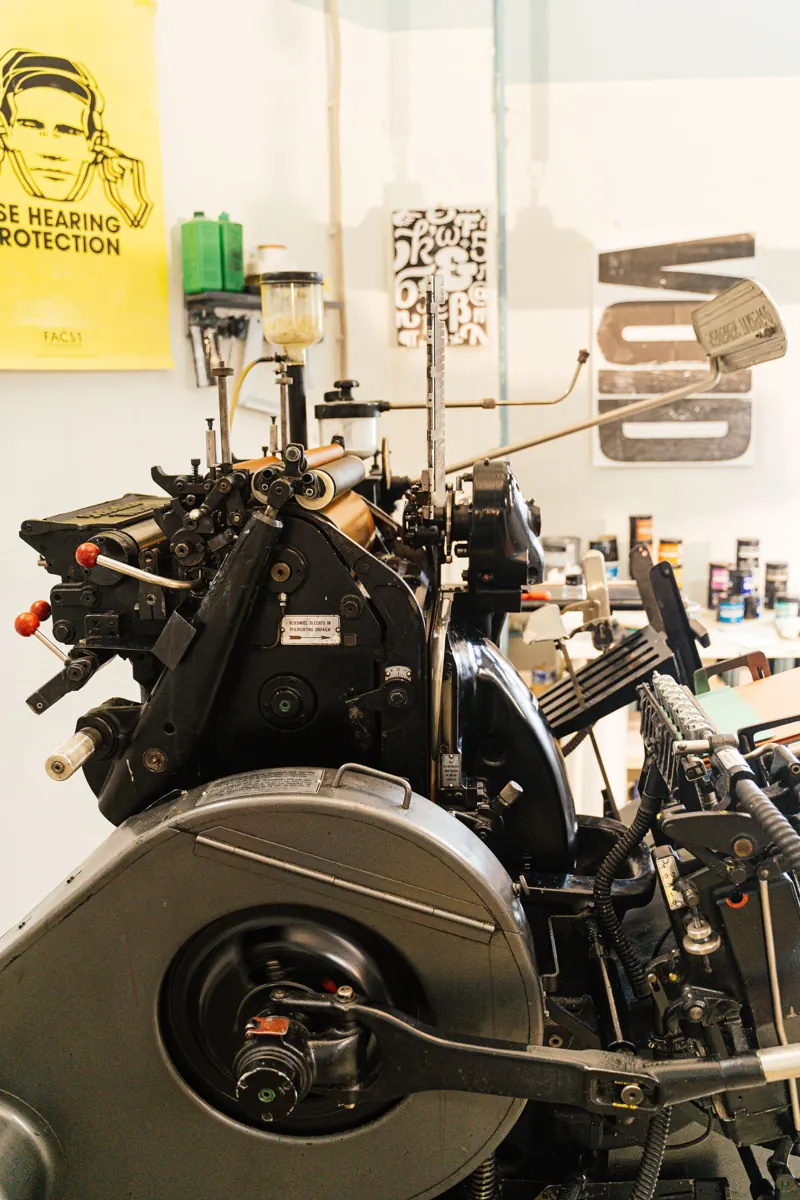
Where does the design go after folding?
Use the dieline to map cuts, folds, seams and finished orientation. Avoid approving only the flat image.
Use the artwork guides →What changes in an alternative ink?
Separate the pigment from its vehicle. A biomass colorant is one ingredient, not the whole packaging footprint.
Understand algae-derived black →Why does color change on kraft or cotton?
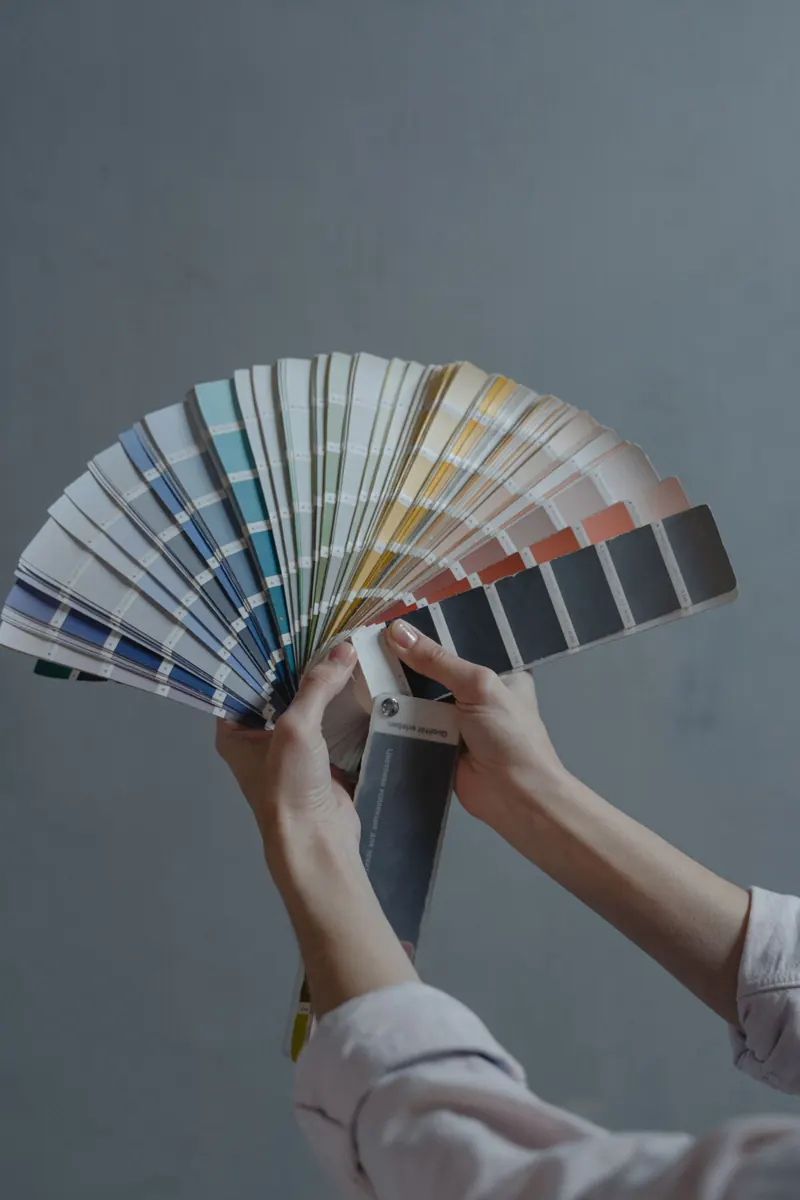
Substrate, opacity and method shape the printed result. Learn what the digital proof cannot show.
Read the printing answers →Custom Branding
 Custom Branding
Artwork Guidelines
A production file must explain how a flat design becomes a finished object. Follow the guides for boxes, bags, tissue, tags and textiles, with examples of the mistakes a proof should catch.
Explore resource →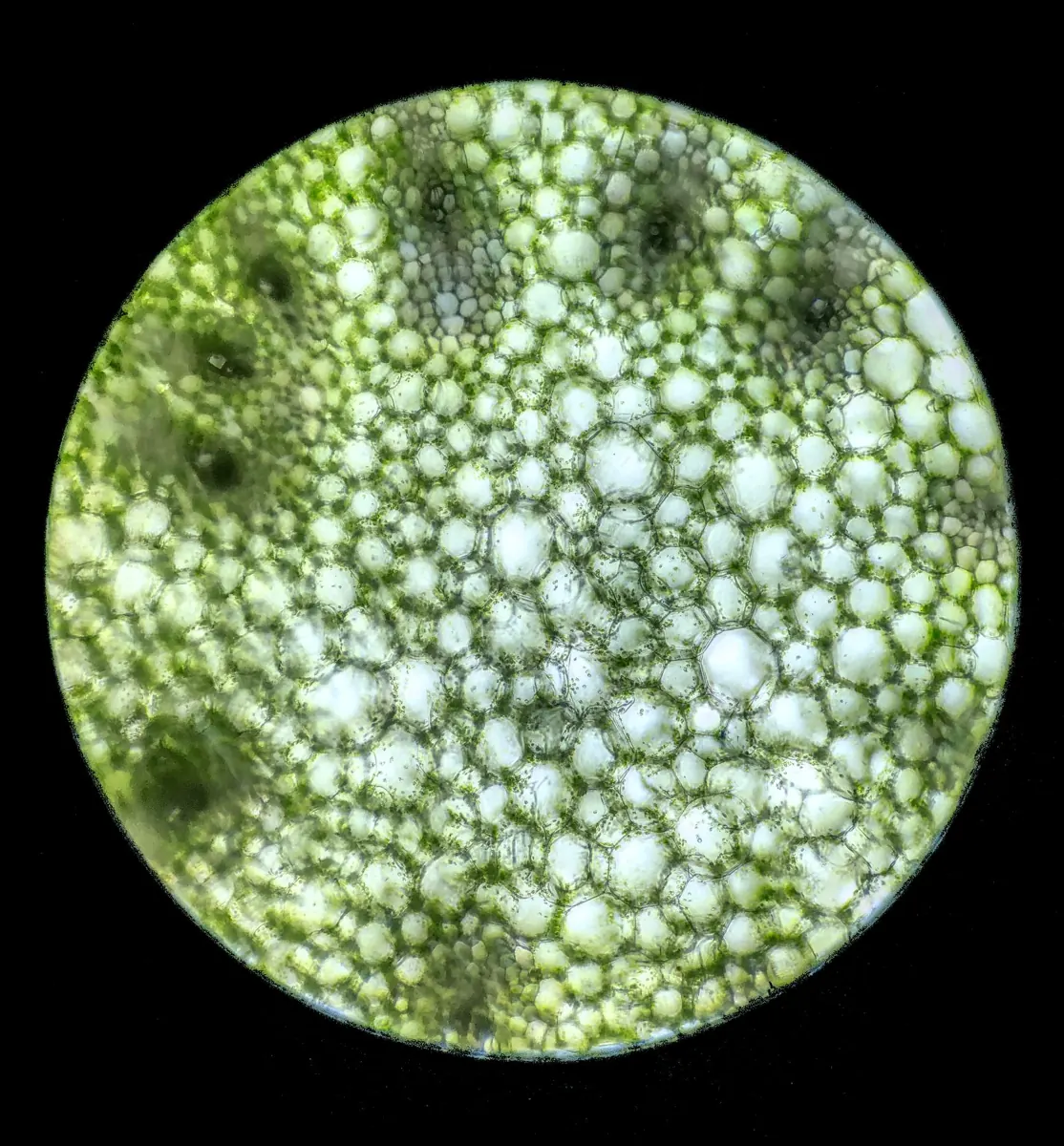 Custom Branding
Printing with Algae Ink
Algae-derived black pigment changes the source of a colorant. Learn how pigment becomes ink, why the carrier still matters and what an environmental claim can—and cannot—say about the finished package.
Explore resource →Custom BrandingInk & Printing FAQs
Understand what ink names mean, how printing methods transfer an image and why color changes on different materials. Use the answers to choose a sensible print route and interpret a proof.
Explore resource →No matching resources. Try a different material or topic.
Put the learning into your next pack.
Share your product, material questions and destination with Stowliva.