Why Stowliva
Our Innovations
A useful packaging innovation changes something specific: the material input, the construction, the recovery route or the number of times a product is used.
Explore the guide ↓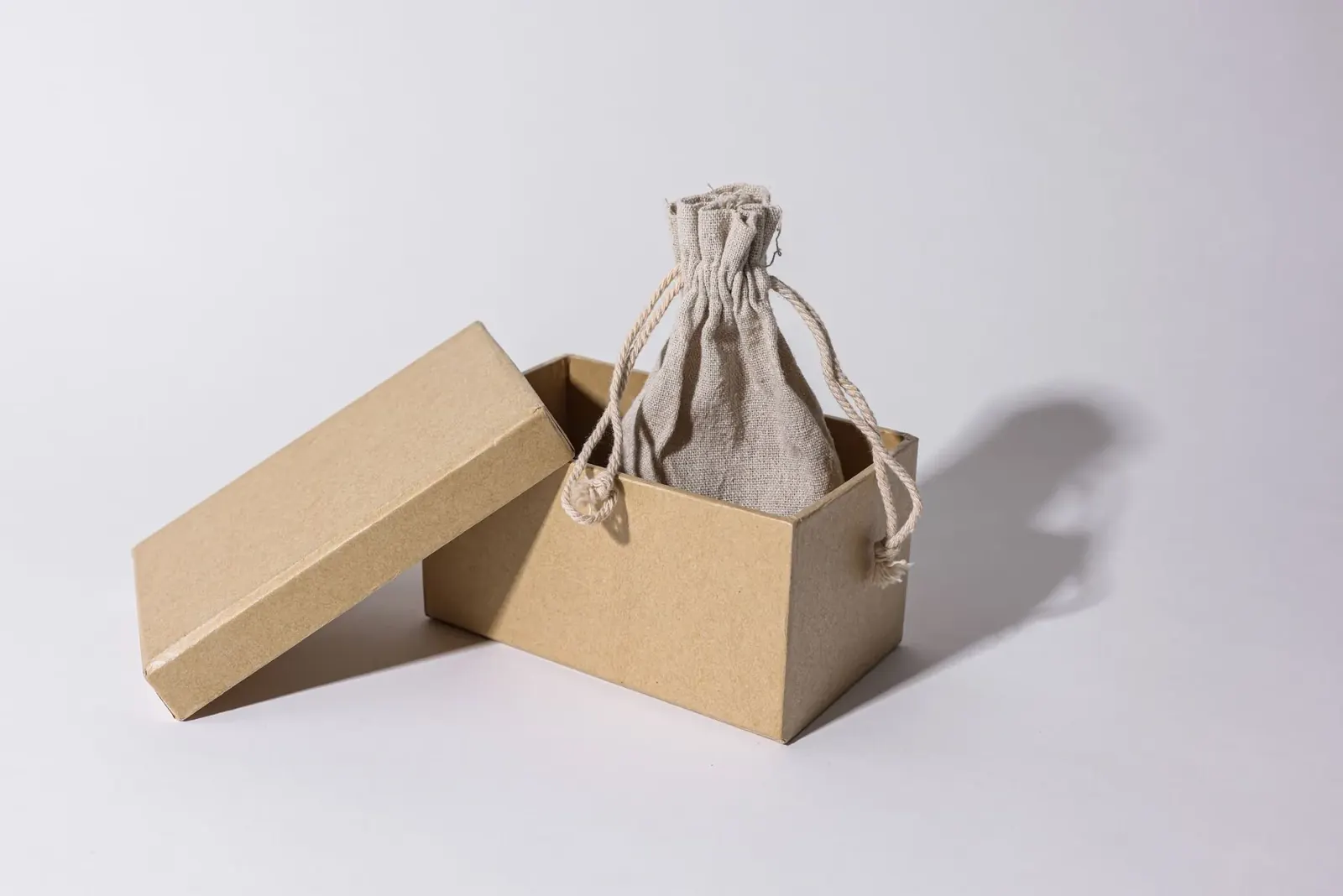
Innovation earns its place by solving a packaging problem. The examples below explain the technical change and the tradeoff, rather than treating novelty as proof of a better outcome.
- Explain which part of the system changes.
- Distinguish commercial examples from product availability.
- Measure performance and actual use before scaling.
On this page
Better inputs can be an innovation even when the pack looks unchangedSimpler structures can remove a recovery obstacleSeaweed film shows why an ingredient and a finished material differAn alternative black pigment changes a small but widespread inputReuse succeeds when a design supports repeated behaviorA development project should finish with a decision01 / 06
Better inputs can be an innovation even when the pack looks unchanged
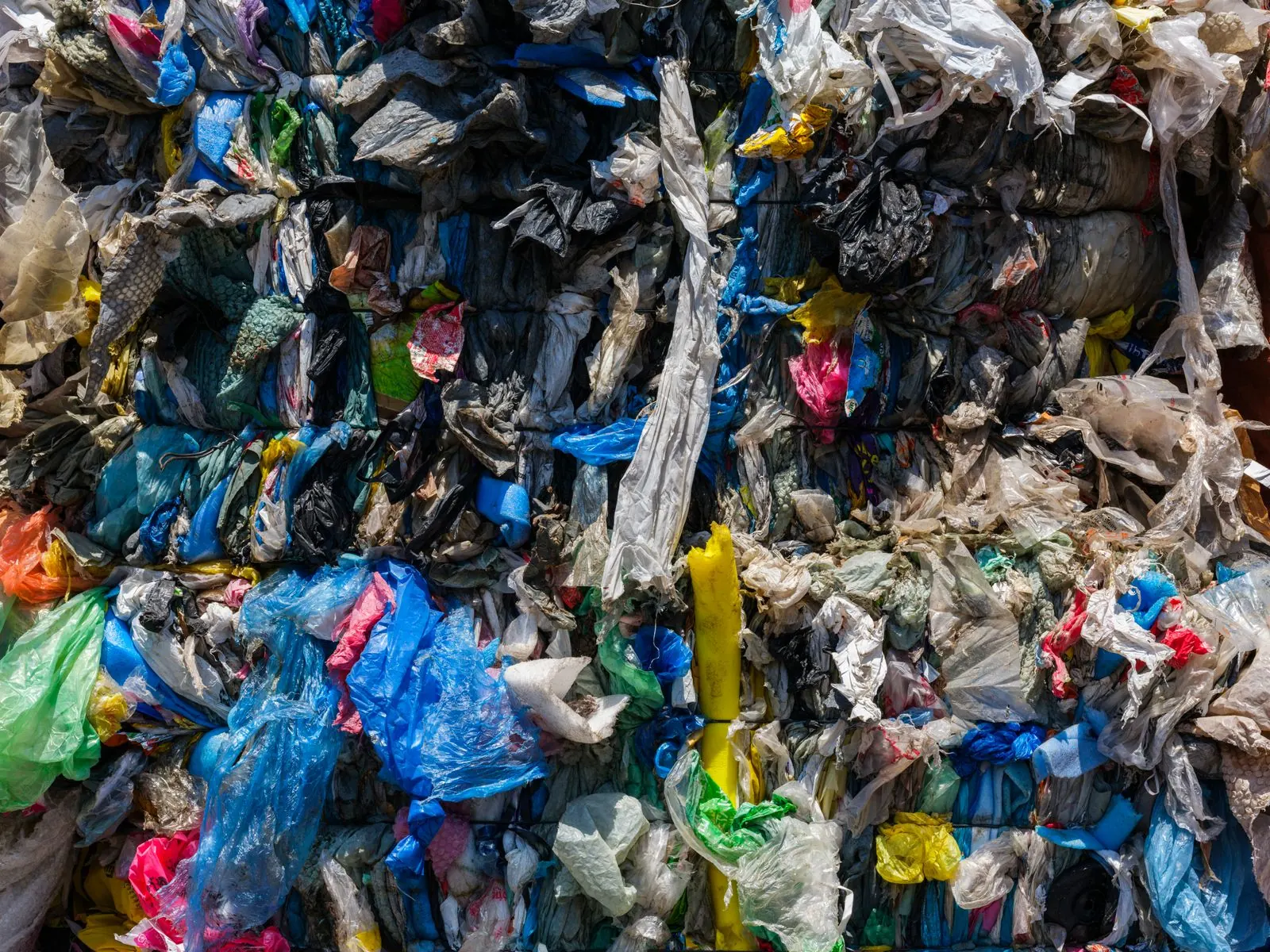
A paper grade can look similar while using a different recovered-fiber mix. A flexible bag can have familiar dimensions while incorporating resin from a recovered film stream. The visible appearance is only part of the innovation. The more important change may be what the mill or converter is able to use.
This technical work has constraints. Recovered inputs can vary in color, cleanliness and performance. A development team may need to adjust the grade or process to keep the seam, fold or printed surface reliable. The useful result is an input change that survives production and protects the product—not simply a recycled percentage in a presentation.
What to compare in a recovered-input trial
Keep bag size and product weight constant. Compare the existing and proposed constructions for seam failure, puncture resistance and storage behavior. A higher recovered share is useful when the resulting pack still performs the required job.
02 / 06
Simpler structures can remove a recovery obstacle
A permanently bonded window or glossy laminate can make a paper-based pack harder to process as fiber. Redesigning the viewing feature, changing the finish or using a removable part can address that obstacle. This kind of innovation changes how a package is put together.
The limitation is the function the original addition provided. A moisture barrier on a food pouch has a different job from a decorative film on a hang tag. Removing either without understanding that job can cause a new problem. For Stowliva projects, this makes a construction review as important as a material search.
A paper band can do a box’s branding job
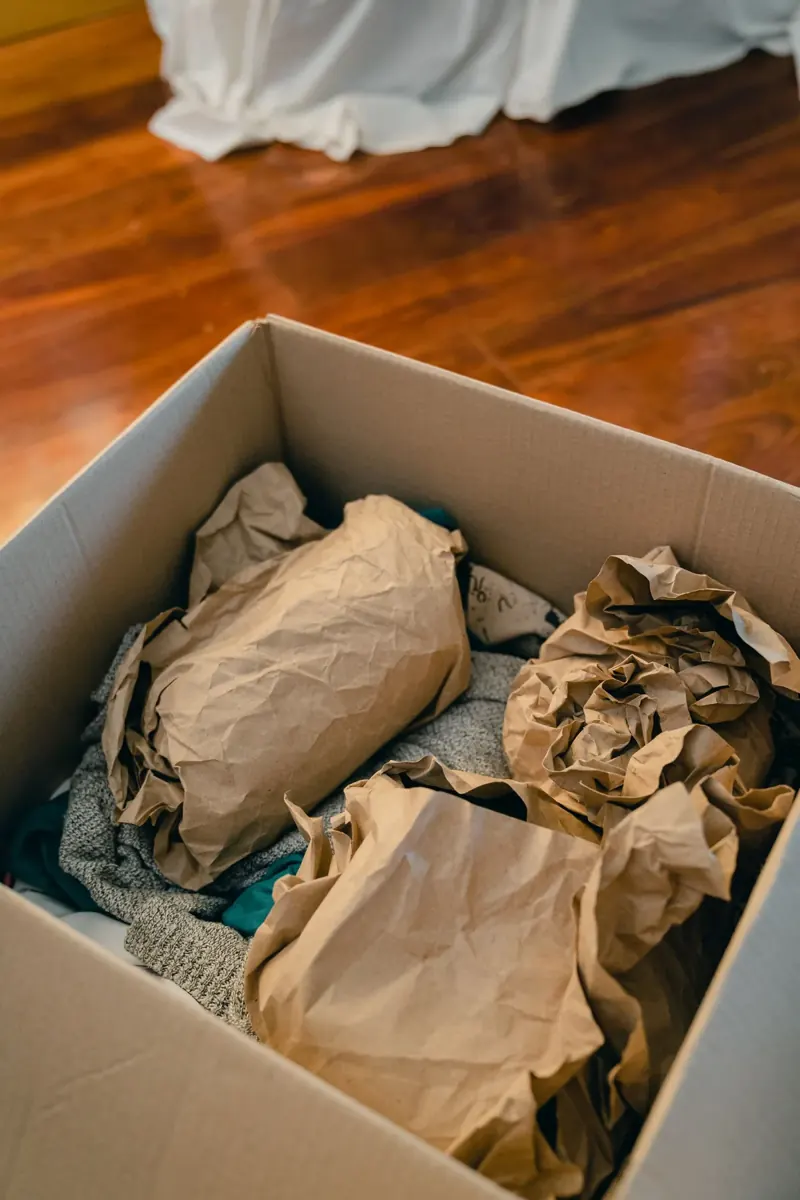
Illustrative concept: a fitted paper band holds folded garments together and carries size and care information. It could replace a purely decorative inner carton, while the delivery package continues to provide transit protection. It would not replace a moisture barrier where one is necessary.
03 / 06
Seaweed film shows why an ingredient and a finished material differ
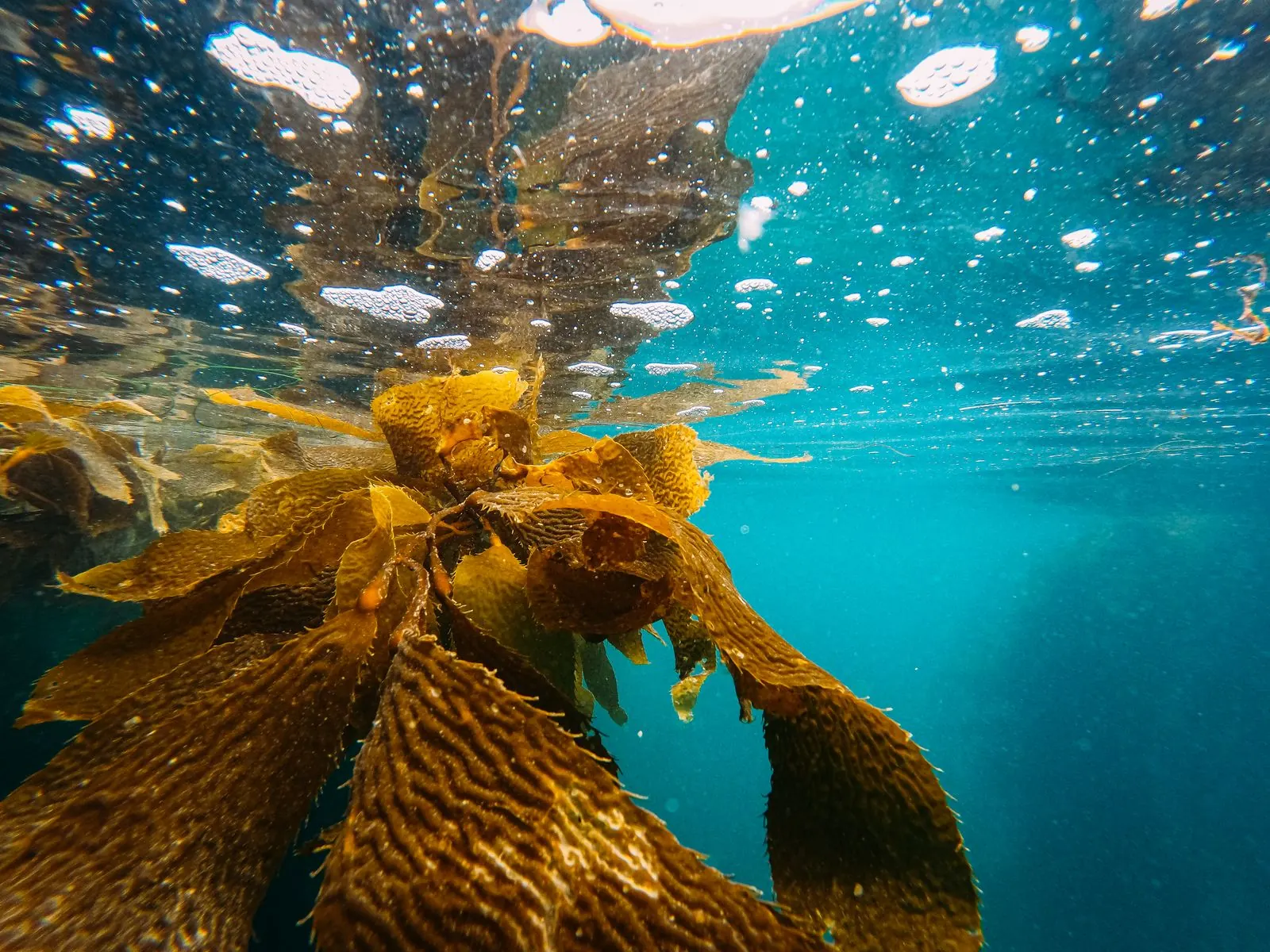
Seaweed-derived polymers offer a different starting resource from petroleum or a land-grown crop. The engineering challenge is to turn that resource into a film that can be processed, sealed, stored and handled at useful scale. A raw ingredient’s promise does not automatically provide the strength or moisture behavior needed in a bag.
Sway provides a concrete industry example. Its technology distinguishes a biobased pellet from flexible films made with blends. That distinction matters: a claim about the pellet cannot be copied onto every final bag. Seaweed materials are a development route to assess for a specific project; this educational example does not imply a Stowliva–Sway partnership or stock offering.
04 / 06
An alternative black pigment changes a small but widespread input
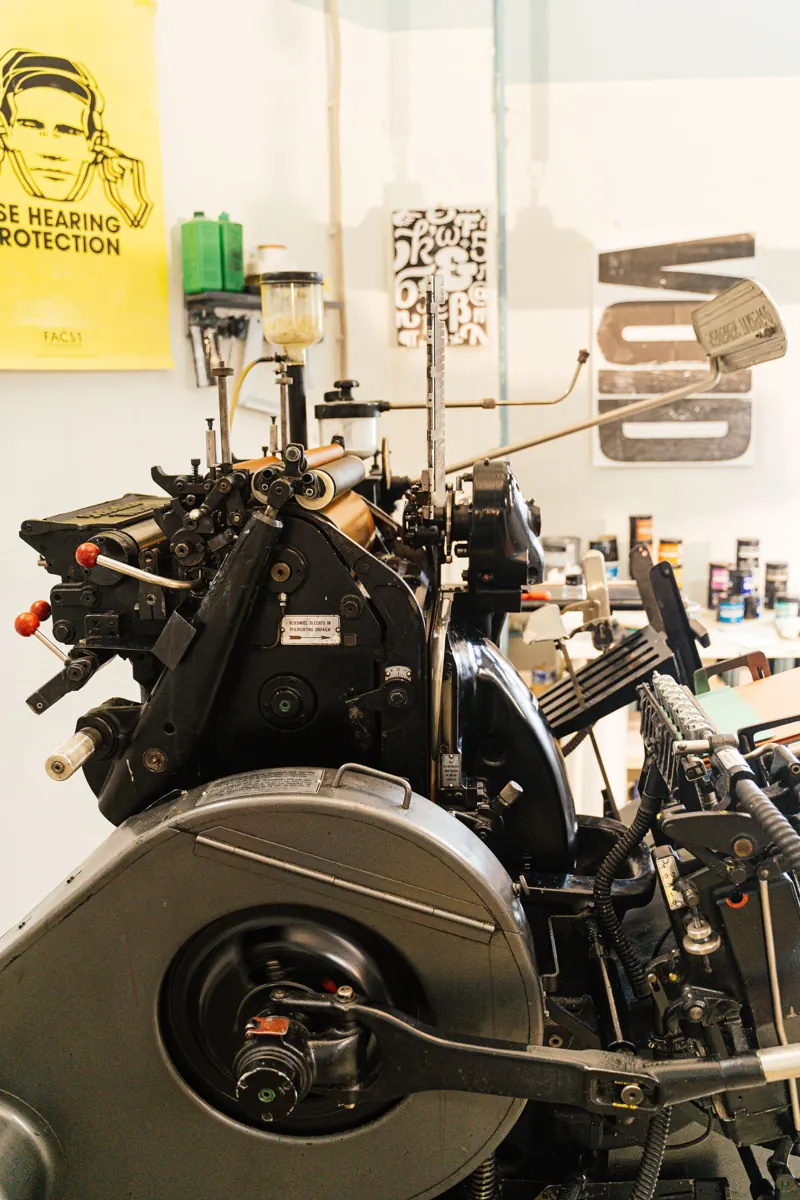
Black print appears on boxes, tags, tissue and many other components. An ink contains pigment for color, a carrier to move it and binders to hold it to the surface. Changing one part of that formulation is a targeted innovation.
Living Ink’s algae-derived black pigment replaces a conventional petroleum-derived black colorant in suitable ink systems. The formulation still has to suit the printer and substrate. A black mark that smudges on tissue or fails a rub test on a pouch is not ready for that application, regardless of the pigment’s origin.
05 / 06
Reuse succeeds when a design supports repeated behavior
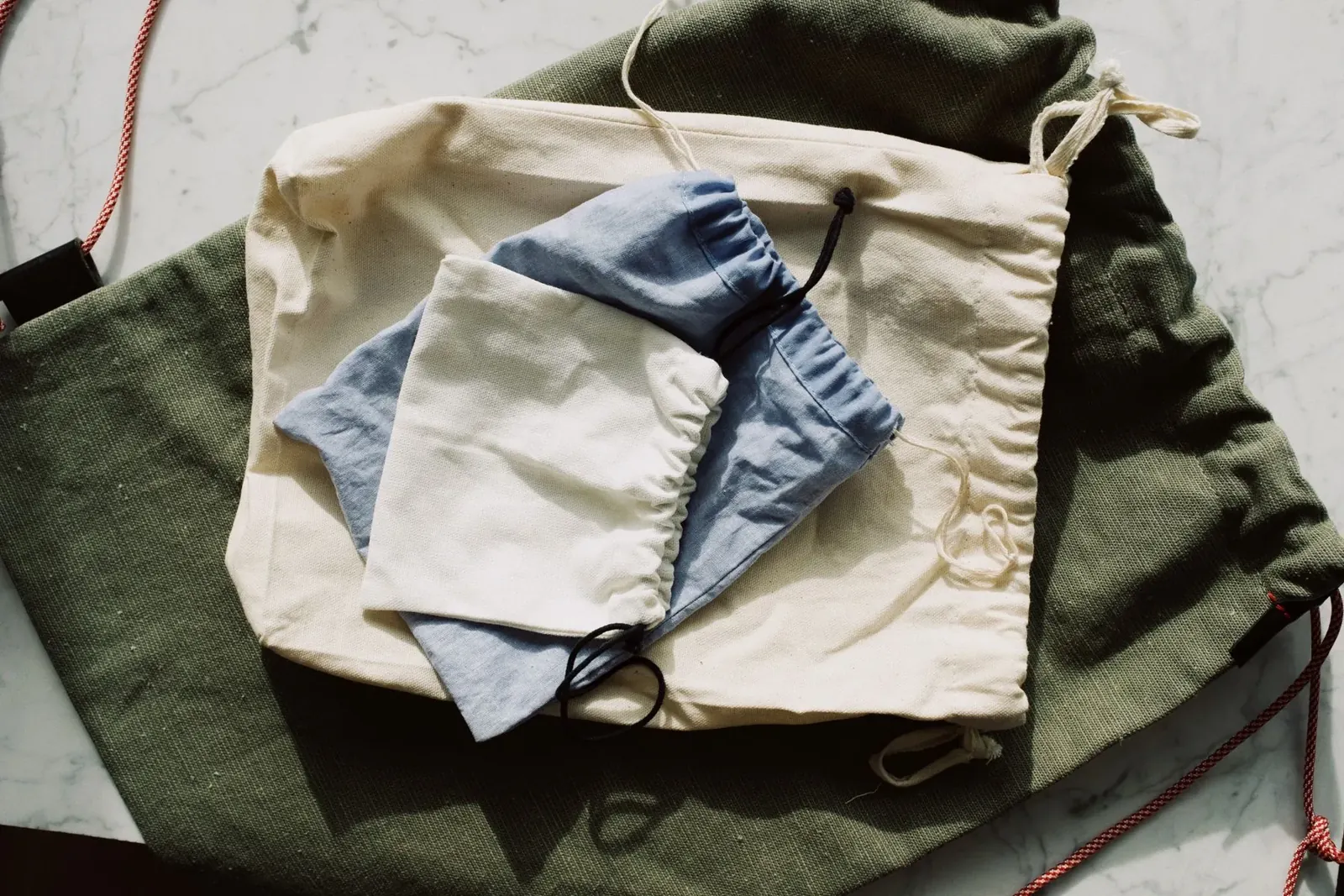
A reusable package needs a useful second job or a practical return system. A drawstring pouch sized for jewelry storage offers a different proposition from a durable delivery mailer that must come back to a warehouse. Both need durability; the second also needs customers, labels, collection and inspection.
A heavier material can be spread across repeated uses, but only when those uses happen. Cleaning, losses and return transport can change the result. The development task is therefore partly a service-design problem: make the next use simple enough that it becomes normal behavior.
Count completed uses, not intended uses
Illustrative pilot: 100 returnable mailers make 180 completed deliveries before loss or retirement. Their observed average is 1.8 deliveries per mailer, even if the supplier says each could physically survive twenty trips.
06 / 06
A development project should finish with a decision
A strong brief names the change and what success would look like: fewer components, a higher verified PCR share, a compatible paper recovery route or a useful repeated cycle. The trial then compares the finished pack with its baseline.
The decision can be approve, revise or stop. A failed seal test or an unavailable disposal route is useful information, because it prevents an attractive concept from becoming an unsuitable production order. Keep the material, sample, test result and artwork together so the learning carries into the next revision.
- 1Name the problem
- 2Identify the technical change
- 3Make a representative sample
- 4Test the actual use
- 5Approve, revise or stop
Official and first-party resources · reviewed October 7, 2026
Put the learning into your next pack.
Share your product, material questions and destination with Stowliva.