Plantable packaging sourcing guide
Seed Paper: Will It Grow? 9 Checks Before You Print
Specify the seed mix, sheet, artwork and planting message—then verify the finished tag before scaling.
The short answer: how should a brand choose seed paper?
Choose seed paper by starting with the packaging job, destination, verified seed mix, sheet thickness, print method and storage plan. Then approve a finished physical sample and planting instructions before scaling. Treat germination and environmental benefits as conditional, not guaranteed, and confirm seed rules for every market you ship to.
Seed paper can turn a hang tag or insert into a second interaction after unboxing. It is also a material that contains living seeds, so it cannot be specified exactly like ordinary coated stock. The best brief connects three systems: the package your operations team must pack, the printed piece your customer must understand, and the seed mix that must be appropriate for its destination.
This guide is for ecommerce, fashion, beauty, gifting and handmade brands comparing arch seed paper tags, corner-cut seed paper tags and round seed paper tags. It refines a Semrush SERP-aligned draft with primary-source guidance from USDA, FTC, EPA and FSC. It is a purchasing checklist, not a promise that every seed, paper or finished tag will perform identically.
Seed paper vs other tag materials
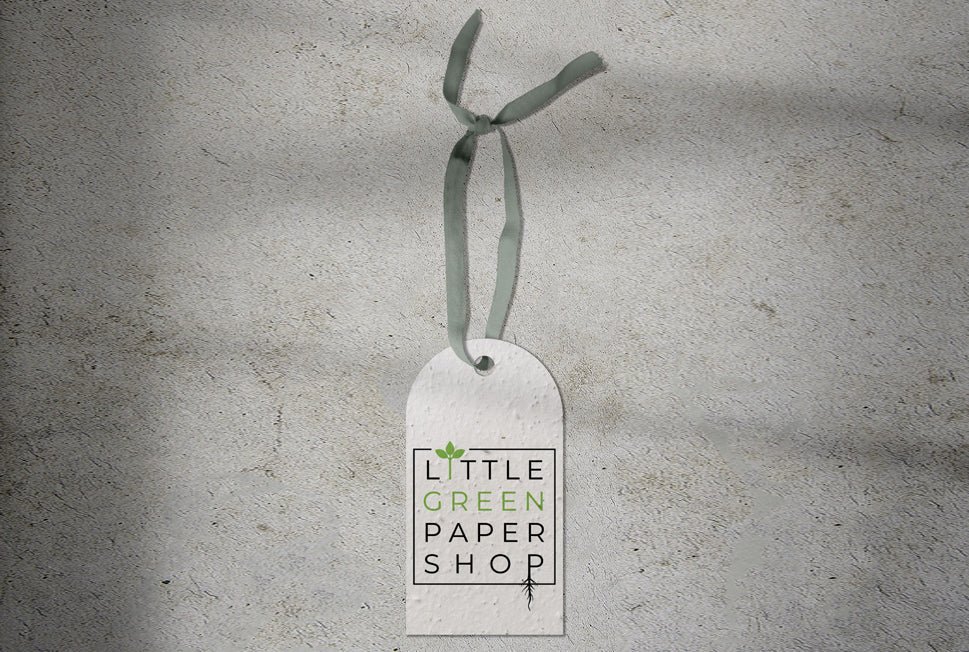
No tag stock wins every job. Compare the function, print surface, handling demands and evidence behind the claim you want to make. If your priority is precise barcodes or dense legal copy, a smooth conventional card may be more reliable. If your priority is a memorable planting ritual, a removable plantable tag can be compelling.
| Material | Best suited to | Watch-outs | Approval test |
|---|---|---|---|
| Seed paper | Plantable message cards, removable hang tags and gifting inserts | Seed suitability, texture, moisture, cutting limits and planting instructions | Print, pack, ship and plant a finished sample |
| Recycled kraft card | Natural-looking tags that need firmer structure | Fiber content, print contrast, rub and recycling acceptance | Check recycled-content evidence and legibility |
| Coated paperboard | Dense artwork, photography and fine text | Coatings, mixed-material finishes and end-of-life claims | Approve color, rub resistance and finished construction |
| Cotton or woven label | Durable garment branding and sewn-in identity | Not plantable; fiber, dye and attachment all matter | Wash, abrasion and attachment test on the product |
For a broader material decision, compare this guide with our hang tag design guide and hang tag printing checklist. Seed paper is often strongest as a removable storytelling component rather than the only place for essential compliance or care information.
Nine seed paper mistakes that cost brands time and money
1. Choosing the material before defining its job
A tag, belly band, thank-you card and structural sleeve do different work. Write the job first: must the piece carry a barcode, hang on a garment, fit a candle box, sit near oils, or remain flat in a mailer? A seed paper insert may be a delightful secondary touch but a poor structural spacer. Oil, fragrance and moisture can also change its appearance or the customer’s willingness to plant it.
Measure the real product and packout, not a screen mockup. Note the usable print area, hole position, cord, box clearance and whether the piece will be removed before the product is used. Our packaging inserts guide explains how a removable insert can carry instructions without competing with the primary pack.
2. Treating every seed mix as legal everywhere
Seed rules depend on species, origin and destination. USDA APHIS says imported plants and seeds must meet U.S. import requirements and that permits can specify treatment, packaging and shipping conditions. Its page on buying plants and seeds online tells importers to check the exact commodity and conditions. APHIS also lists seeds with special requirements and prohibited seeds, including special treatment of seeds embedded in materials.
Ask the supplier for the scientific and common names, lot information, origin and intended markets. Do not approve a vague “wildflower mix” for national or international distribution and assume it is appropriate everywhere. USDA’s Agricultural Commodity Import Requirements route is the place to check commodity- and origin-specific import conditions. Local and state rules may add another layer.
3. Promising germination instead of explaining conditions
Seed paper is plantable, but germination depends on seed quality, age, storage, soil contact, temperature, moisture, light, season and customer care. The USDA Federal Seed Act overview describes a truth-in-labeling system for agricultural and vegetable seed in interstate commerce and identifies information such as purity and germination percentage for regulated seed shipments. A decorative plantable tag is not a shortcut around checking which requirements apply to the finished item.
Use precise language: “contains seeds,” “plantable tag,” or “designed to grow when planted under suitable conditions.” Avoid “guaranteed to bloom.” If your supplier provides a dated germination test or a defined planting window, keep the documentation with the approved specification and make sure the customer instructions match the actual mix.
4. Ignoring paper thickness, seed size and converting limits
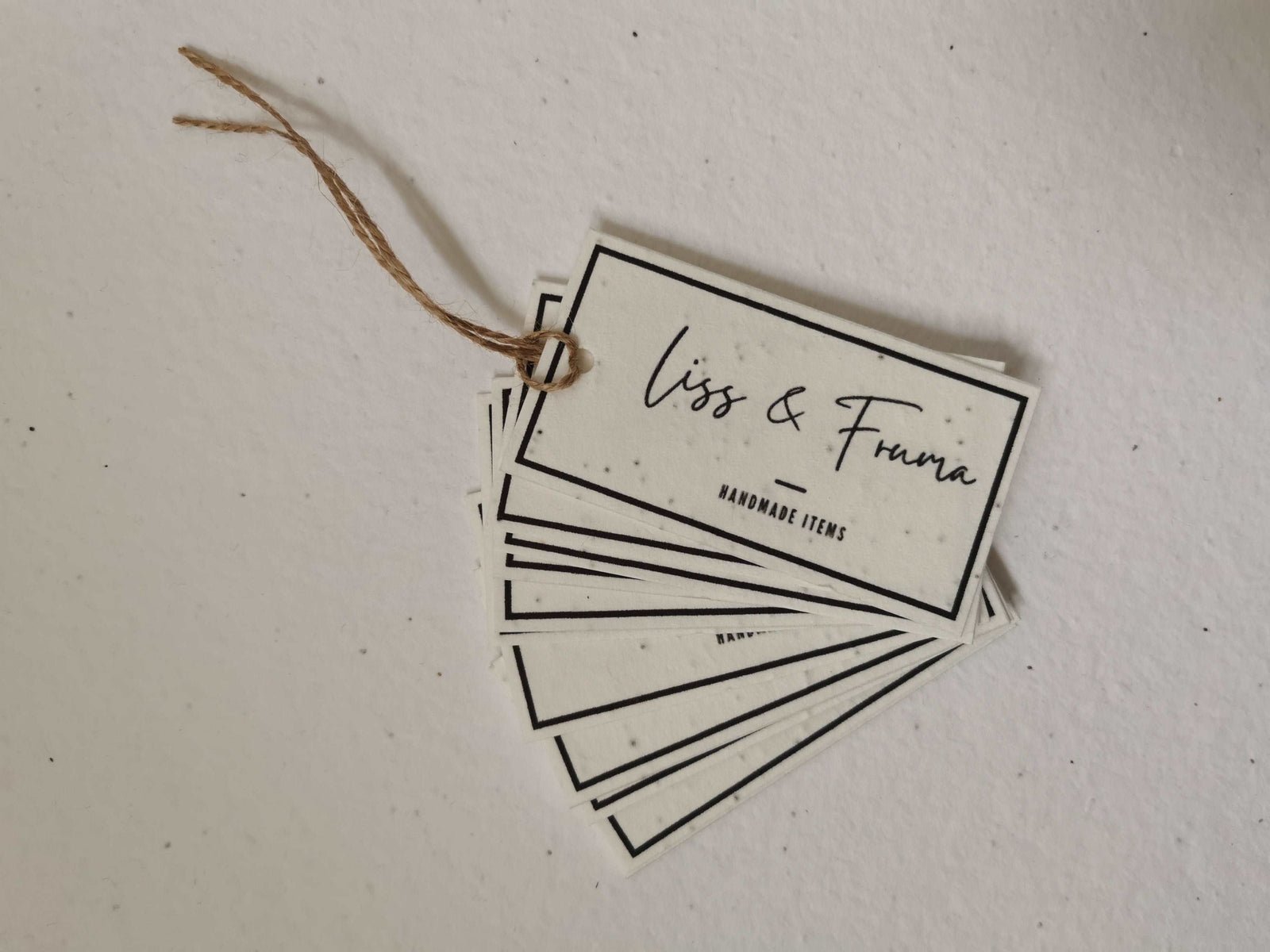
Seeded sheets are naturally textured and variable. Thicker paper may feel substantial as a swing tag but can be harder to fold or plant evenly. Larger seeds can create bumps that reduce fine-detail printing and complicate tiny cuts. Narrow bridges, sharp internal corners and micro perforations may tear or crush seeds.
Favor generous rectangles, arches, circles and soft corners, then ask for the smallest safe hole-to-edge distance. Specify the finished dimensions, sheet weight or thickness range, seed mix and acceptable variation. A flat digital die line cannot show how a dense seed cluster will behave under a punch or how a stack will fit into a fulfillment bin.
5. Sending artwork that fights the sheet
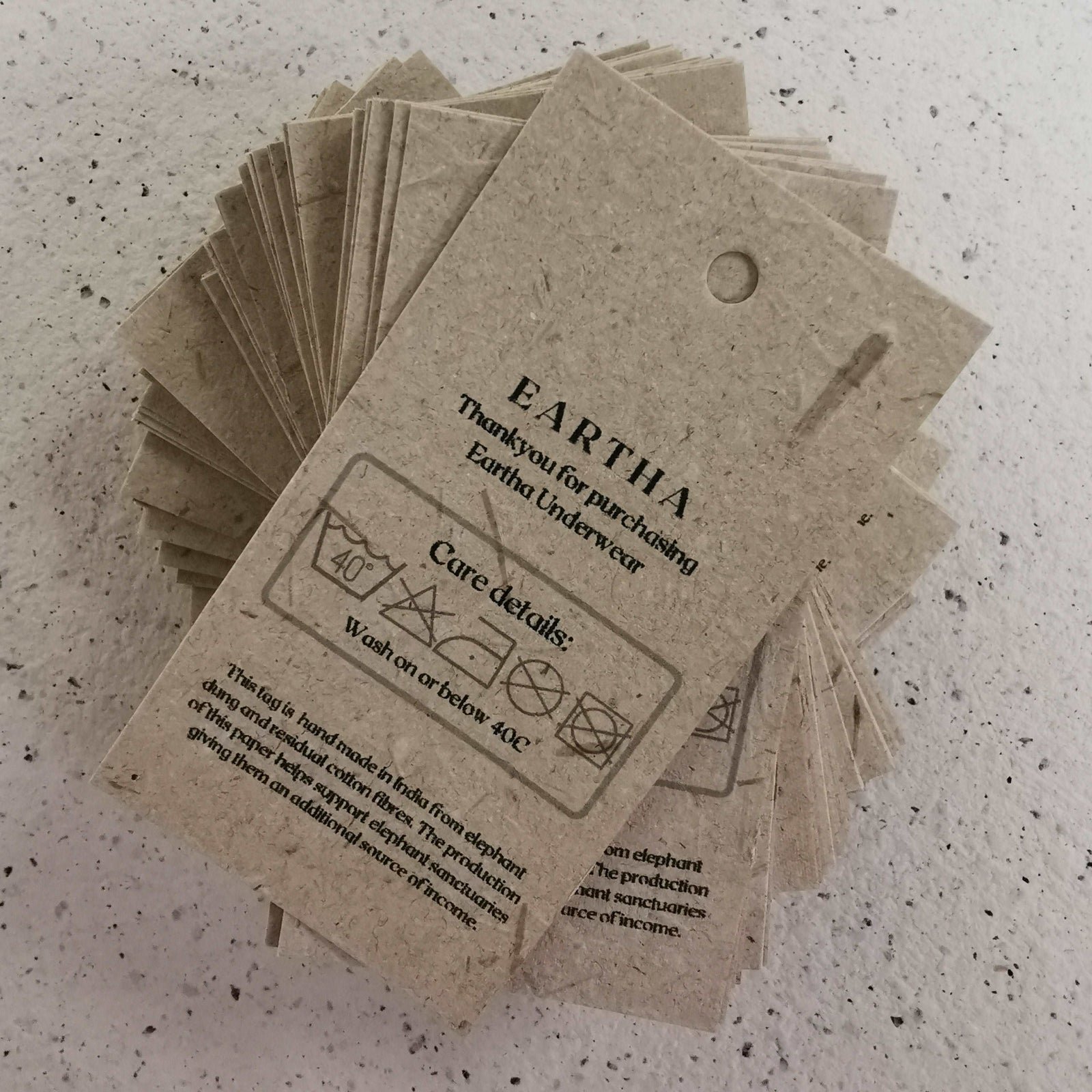
Texture is part of the appeal, but it can swallow fine type and break delicate lines. Keep essential copy large, use strong contrast, allow open space and avoid treating a handmade surface like glossy photo stock. Heavy ink coverage or a water-blocking finish may also conflict with the intended planting experience, depending on the ink and process.
Separate essential product information from the emotional planting message when necessary. A conventional label can hold a dense ingredient list while the plantable piece carries the brand story, seed identity and short instructions. Request a printed physical proof in the final size, under normal indoor light, and read it from the distance a customer will use.
6. Designing the shape without the attachment
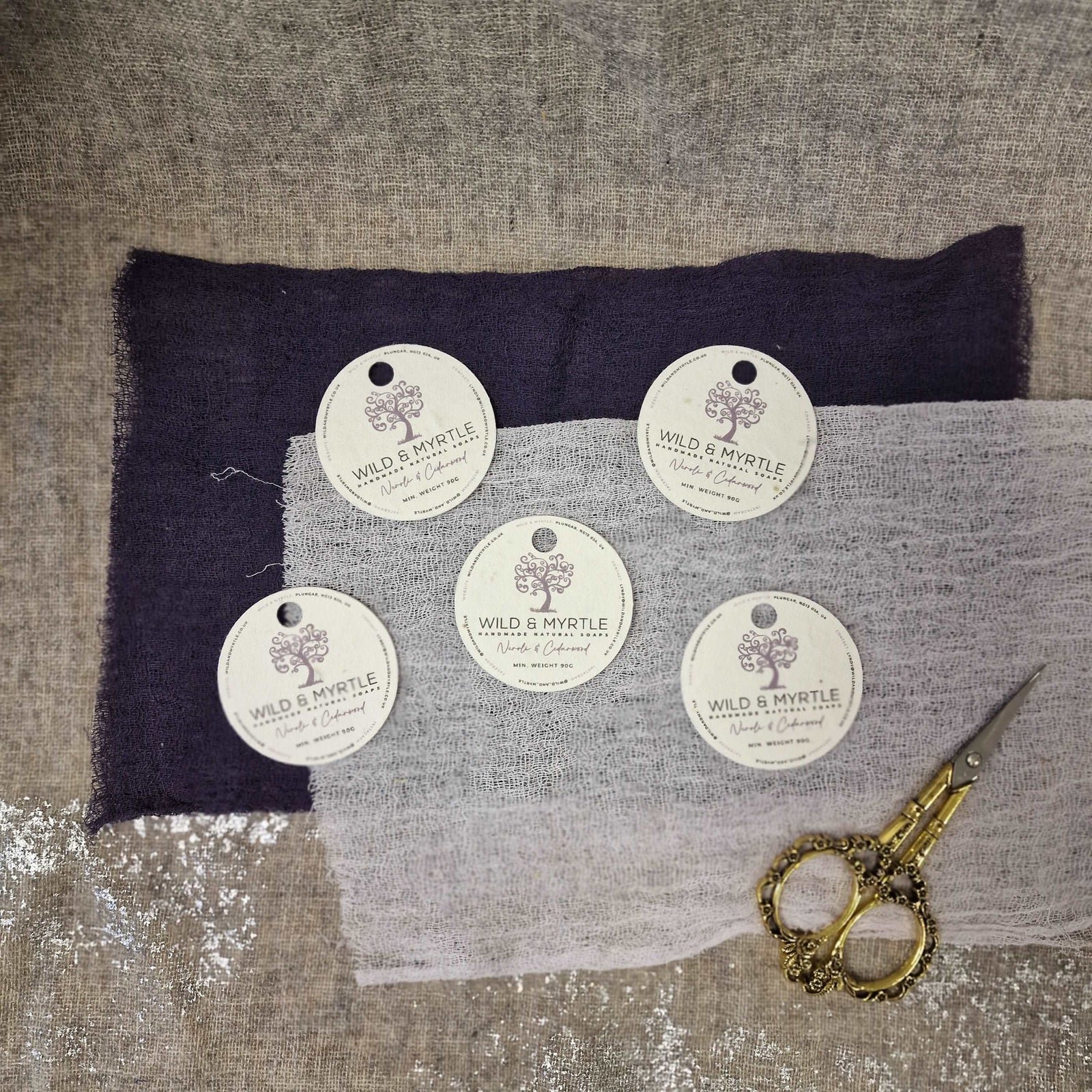
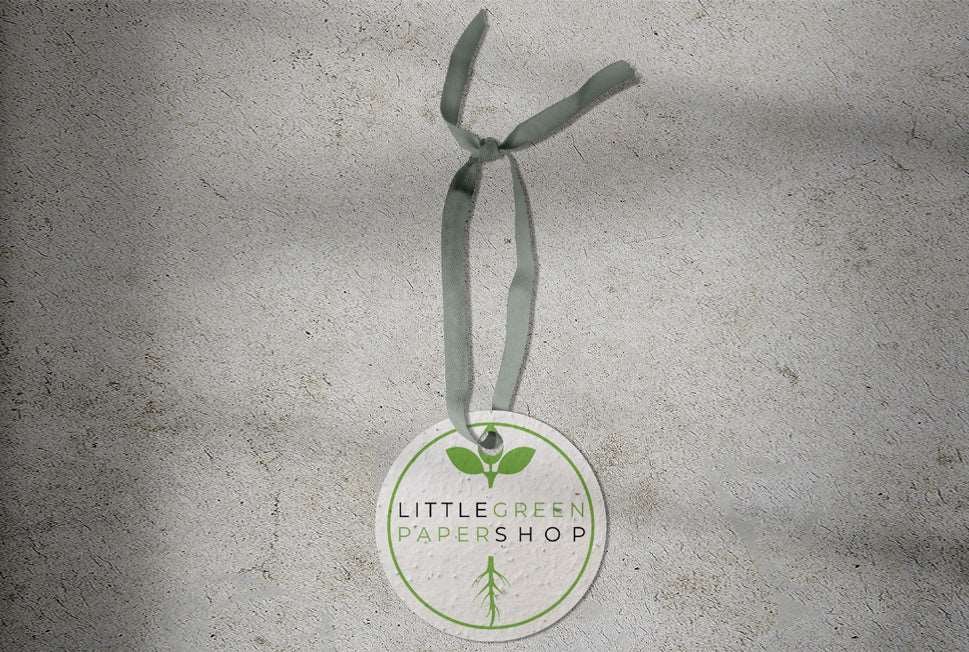
The hole, cord, knot, ribbon and hanging direction are part of the tag. A hole too close to the edge can tear; a thick cord can distort a small tag; a knot can cover instructions; and a beautiful front can face backward once attached. Test the complete component on the real jar, pouch, garment or gift box.
Also tell the customer what to remove before planting. String, elastic, foil, adhesive and metal eyelets do not become plantable simply because the paper contains seeds. If you need help coordinating the tag with the rest of the package, start from Stowliva’s custom packaging options rather than specifying each part in isolation.
7. Buying more inventory than storage can protect
Heat, humidity, bright light and uncontrolled storage can affect paper flatness and seed viability. Keep finished stock cool, dry, dark and protected from spills and strong fragrances. Do not leave cartons in a hot vehicle or beside a damp wall. Record receipt date and lot, and use first-in, first-out handling.
Ask the supplier for storage recommendations supported by the actual seed mix and paper process. A purchasing discount is not a saving if a year’s supply warps, fades or becomes questionable before use. Pilot volume should reflect the brand’s realistic packing rate, seasonality and storage conditions.
8. Turning “plantable” into unsupported green claims
A plantable component does not automatically make the complete package recyclable, compostable, biodegradable, zero-waste or environmentally preferable. The U.S. FTC’s Green Guides summary warns against broad, unqualified environmental benefit claims and explains that recyclable, compostable and degradable claims require appropriate evidence and qualifications.
Describe the specific attribute you can prove. For example: “This removable paper tag contains [identified seed mix]; remove the cord before planting.” If you claim recycled fiber or forest certification, retain supplier documentation. The FSC Chain of Custody standard covers how certified organizations source, process, label and sell forest-based products as FSC certified; it does not allow an uncertified brand to borrow the claim casually.
Look at the whole system. The U.S. EPA’s materials management hierarchy places source reduction and reuse ahead of downstream options. A right-sized tag with a clear purpose may be more defensible than adding a larger component only to make a green impression. Our evidence-led packaging guide for small businesses provides a broader claims checklist.
9. Scaling without a physical packout and planting pilot
A digital proof can verify copy placement, but it cannot show paper texture, stack bulk, tearing, cord behavior, ink rub or the planting experience. Approve a small pilot made with the intended paper, artwork, cut and attachment. Pack it into the actual box or mailer, send sample parcels through the real route, and inspect what arrives.
Plant several finished pieces from the same batch under documented conditions. The goal is not to manufacture a universal germination guarantee; it is to catch obvious mismatches and write honest instructions. Record the batch, planting date, soil, watering and outcome. Keep the approved physical sample with the purchase order.
A specification checklist for seed paper tags
- Use: tag, card, insert or other removable component.
- Destination: countries and states where the finished item will ship.
- Seed identity: common and scientific names, origin, lot and supplier evidence.
- Paper: finished dimensions, thickness or weight range, color and texture tolerance.
- Artwork: vector files, minimum type and line sizes, ink coverage and proofing method.
- Conversion: die shape, hole position, edge distance, cord and remove-before-planting note.
- Instructions: where, when and how to plant the identified mix, using conditional language.
- Storage: temperature, humidity, light protection, lot tracking and use-by guidance.
- Claims: documentation for every environmental, recycled-content or certification statement.
- Pilot: printed sample, attachment test, packout, shipment and documented planting check.
USDA’s Seed Regulations and Testing page is a useful reminder that truthful seed information depends on defined testing and regulatory scope. Your supplier should state what it knows, what it has tested and what remains conditional.
Frequently asked questions
Is seed paper packaging guaranteed to grow?
No. Germination depends on the seed, storage, season, climate, soil, moisture, light and planting care. Use conditional, specific wording and provide instructions for the identified seed mix.
Can seed paper tags be shipped internationally?
Possibly, but not by assumption. Confirm the species, origin and destination with the relevant plant-health and customs authorities before production. Seed embedded in paper may face special import conditions.
Can a seed paper tag be recycled or composted?
Do not make a blanket claim. Evaluate the finished paper, ink, coating, adhesive and attachment, then qualify the claim for the actual recovery system. Planting is a separate end-of-use route and also depends on local suitability.
What artwork works best on seeded paper?
Bold type, simple line art, strong contrast and generous open space usually reproduce more reliably than fine text, dense photography or full-bleed coverage. Approve a printed physical proof.
What should I ask for before placing a bulk order?
Request seed identity and origin, paper specifications, compatible print and finishing limits, storage guidance, claim evidence, a finished sample and a written approval record.
Sources and next step
The regulatory and environmental references used in this article are linked above so a buyer can inspect the primary source rather than rely on a slogan. Requirements change, and the correct decision depends on the exact seed mix, origin, destination and finished construction.
Build a seed paper tag brief you can verify
Share the product, destination markets, tag size, artwork, attachment and target quantity. Stowliva can help you compare shapes and prepare a physical sample before production.
Request a seed paper tag quote
Browse all packaging products, or compare how plantable tags can sit beside glassine bags in a lower-plastic presentation.
Editorial note: The five images are existing Stowliva catalogue photographs of real products, not AI-generated artwork. Product specifications and claims should be confirmed for each order.