Materials & planning
Eco-Friendly Packaging for Small Business: What Works? 5 Steps
Build a practical packaging system around product protection, responsible material choices and a realistic small-brand budget.
1. Start with the product and its journey
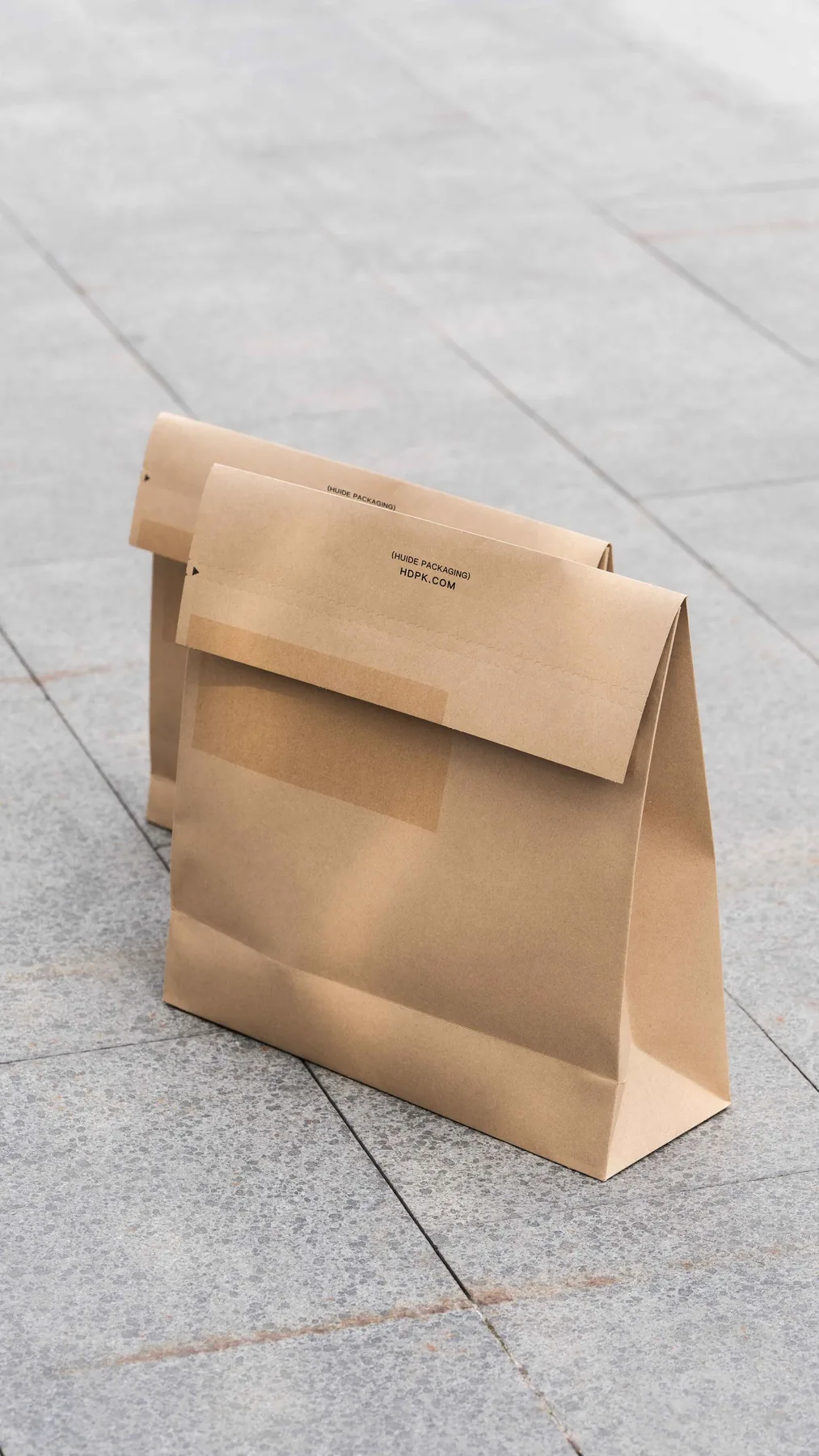
Choosing eco-friendly packaging for a small business starts with a practical question: what must arrive safely, and how will your customer dispose of the packaging? A compact paper-based pack may suit an accessory. A fragile candle needs a different protective system. The most useful starting point is a pack that does its job with fewer unnecessary components.
Write down the product’s dimensions, packed weight, scratch sensitivity and likely delivery conditions. Then separate the roles of presentation, protection and shipping. Tissue can improve presentation and separate surfaces, but it does not replace cushioning for a breakable product. A reusable pouch can be useful after purchase, but it still needs a suitable outer package for delivery.
Use the Stowliva material guide to compare material routes, then check the actual construction of each item. Paper appearance alone does not reveal recycled content, coatings, adhesives or how a finished package will be collected.
A simple brief: product size + product weight + delivery route + presentation needs + disposal market. Decide these five things before choosing colours and print finishes.
2. Choose a small, coordinated packaging system
A growing brand rarely needs to customize every layer at once. Start with one recognizable brand element, such as a printed wrap or a paper seal, and use standard dimensions for the other pieces. This keeps the packing process easier to repeat and lets you learn which components customers actually value.
| Product | Possible inner layer | What to confirm |
|---|---|---|
| Clothing or soft accessories | Tissue wrap or a product pouch | Colour transfer, moisture exposure and closure |
| Jewelry | A pouch or fitted presentation insert | Surface protection, movement and outer-pack strength |
| Gift sets | Paper wrap with an insert where needed | Components stay separated and the pack survives delivery |
| Fragile lifestyle products | Protective wrap and a tested box system | Impact protection, void space and compression |
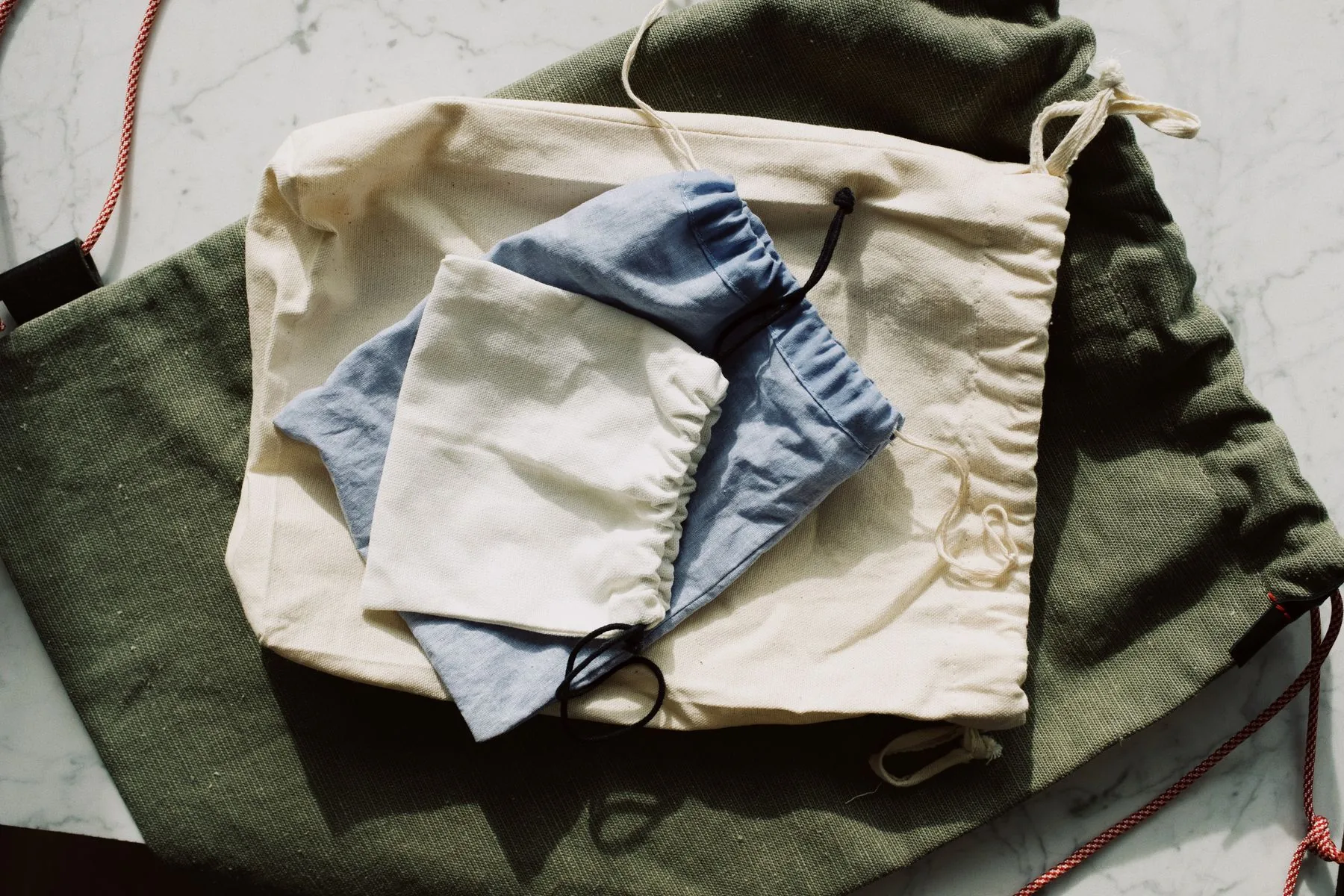
For a wrap-and-seal approach, compare the tissue paper collection with stickers and labels. If the customer will keep a protective bag for storage or travel, review bags and pouches instead of adding a second decorative layer automatically.
3. Understand what each material claim tells you
Recycled content describes the material going into a product. Recyclability describes a possible route after use. They answer different questions: a recycled-content item may have a coating or a mixed-material construction that changes how it is collected. Ask for a specification tied to the exact product and finish you intend to order.
The U.S. EPA’s recycling guidance stresses checking local collection rules and explains that compostable plastics should not be mixed into conventional plastic recycling. For customers in other countries, check the relevant local collection system. A material label is only useful when the destination and disposal route are clear.
When comparing compostable options, ask whether the finished item is intended for home or industrial composting, what evidence supports that claim, and whether customers have access to an accepting facility. Do not assume “biobased,” “biodegradable” and “compostable” mean the same thing.
Stowliva’s approach to responsible packaging choices is a useful place to start a material discussion. For a specific procurement decision, make the final description as precise as the available product documentation allows.
4. Compare cost per packed order
The cheapest component can create an expensive packaging system if it requires extra layers, takes longer to assemble or fits poorly. Compare the total pack: inner wrap, seal, card, pouch, cushioning, outer package and packing time. Include the freight and storage space needed to receive the order.
For example, a brand shipping two sizes of accessory might start with one stock box size, one tissue design and a small paper seal. Before creating a separate box for every colour variation, test whether a shared format protects both products without excessive filler. This is a planning example, not a promise that one size will fit every range.
The choice between stock packaging essentials and custom packaging should follow your order pattern. Stock formats can help you test a launch or a new size. Custom print becomes easier to evaluate once the specification, quantity per design and reorder schedule are stable.
Ask the supplier to quote the same specification at realistic quantities. Separate setup costs from unit costs, and compare delivery terms consistently. Buying more than you can use is not a useful saving if a logo, product size or seasonal message changes before the stock is consumed.

5. Approve a sample and a repeatable packing method
Pack an actual product rather than an empty display box. Check how the wrap folds, whether the closure stays secure, and how much movement remains inside the outer package. Assess appearance under normal lighting and test whether dark inks or dyed materials transfer onto a light-coloured product.
For shipping, include the relevant handling and delivery conditions in the test brief. A pack that looks neat on a table can behave differently after vibration, impacts or moisture exposure. Request a suitable transit-testing approach when the product’s fragility or shipment value warrants it.
Make a short packing instruction: component list, fold order, seal position and final dimensions. Photograph the approved sample for your own fulfilment team. These instructions help prevent extra filler or decorative pieces being added inconsistently during a busy period.
Questions to answer before ordering
Can a small business use stock packaging and still look branded?
Yes. A consistent tissue colour, logo seal or useful insert card can create a recognizable presentation around stock outer packaging. Start with the touchpoint customers see and handle most, then customize more components only when the benefit is clear.
Is brown paper always the better choice?
No. Colour does not establish recycled content, product protection or the disposal route. Compare the complete specification, including strength, coatings and the amount of material needed to protect the product.
What should I send for a packaging quote?
Send product dimensions, packed weight, order quantity per design, artwork, a destination and any required documentation. Include a photo of your current packing method if you want to improve a specific problem.
Turn the guide into a packaging brief.
Share your product dimensions, artwork, quantity per design and delivery destination. We’ll help compare practical material and production routes.
Request a packaging quote →Reference photos illustrate packaging applications. Catalogue photos show listed Stowliva options. Final material claims and performance must be confirmed for the approved specification.