Creator seeding packaging guide
PR Packaging: What Makes an Influencer Box Ready to Film?
Make the product easy to understand and lift out, then make sure that first reveal survives the journey.
PR packaging is the presentation and shipping system used to introduce products to creators, journalists and other relevant recipients. A useful influencer box makes the main product easy to identify and remove, provides accurate context, and protects the first reveal in transit. It can support product discovery; gifting does not guarantee coverage, a review or a positive mention.
For brands planning custom PR boxes, the best starting point is practical: choose the product story first, then build the box, insert, print, card, and pack-out around that story.
What does PR packaging mean?
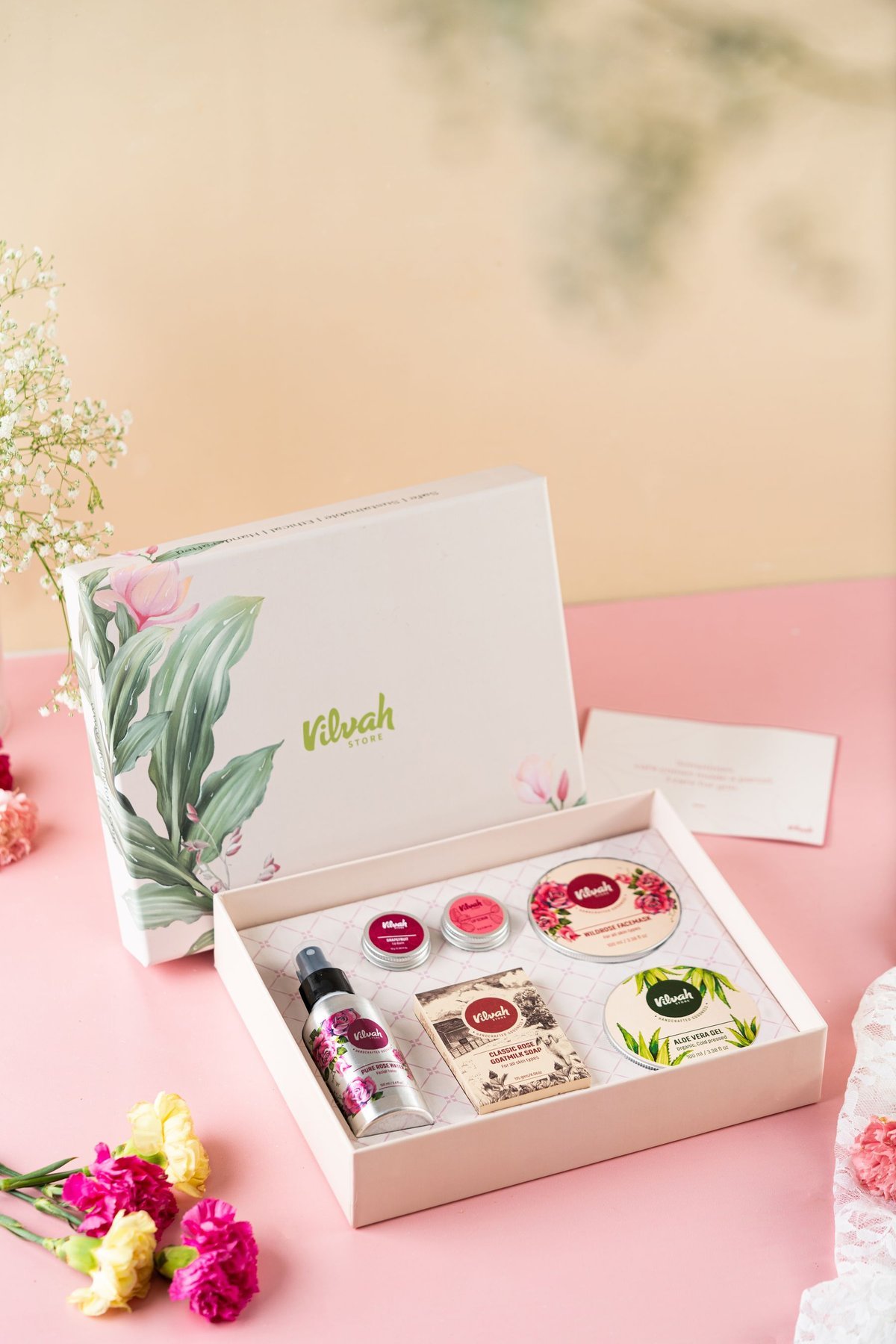
PR packaging is presentation-led packaging used for public relations outreach, influencer gifting, launch seeding, media previews, and creator mailers. In plain terms, it is the package a brand sends when it wants someone to experience a product and potentially share it with an audience. The “PR” part matters because the box must communicate context quickly: what the product is, why it matters, what is included, and whether the item was gifted.
The most common mistake is treating PR packaging like a decorative shipping box. A beautiful box can still fail if the creator opens it upside down, cannot identify the hero item, has to search for product names, or finds a damaged sample. Film-ready pr packaging is designed around a sequence: outer arrival, first reveal, product lift-out, supporting details, and safe disposal or storage.
A film-ready influencer box starts with one clear story
Plan the package so a recipient can understand it without a brand representative present. Choose one product story and give the main item a clear visual position. Test this assumption with someone unfamiliar with the kit: ask them what the product is, what they would lift first and what information they still need.
Before choosing box size or finishes, write a one-sentence message for the package. For example: “This box introduces our new fragrance through scent, texture, and a refill reminder.” That sentence becomes the filter for every decision. If an item does not support the message, protect the product, or help the creator explain it, it may not belong in the box.
Useful PR packaging usually answers four questions at a glance:
- What is the hero product? The main item should be visible, centered, raised, or otherwise visually dominant.
- Why was this sent? A launch, seasonal collection, product update, or limited preview needs a short explanation.
- What should the creator know? Include shade names, product use, ingredients or materials where relevant, and any claims that can be supported.
- What relationship should be disclosed? If the item is gifted, the creator needs a clear reminder to disclose that connection.
Choosing the hero product and supporting items
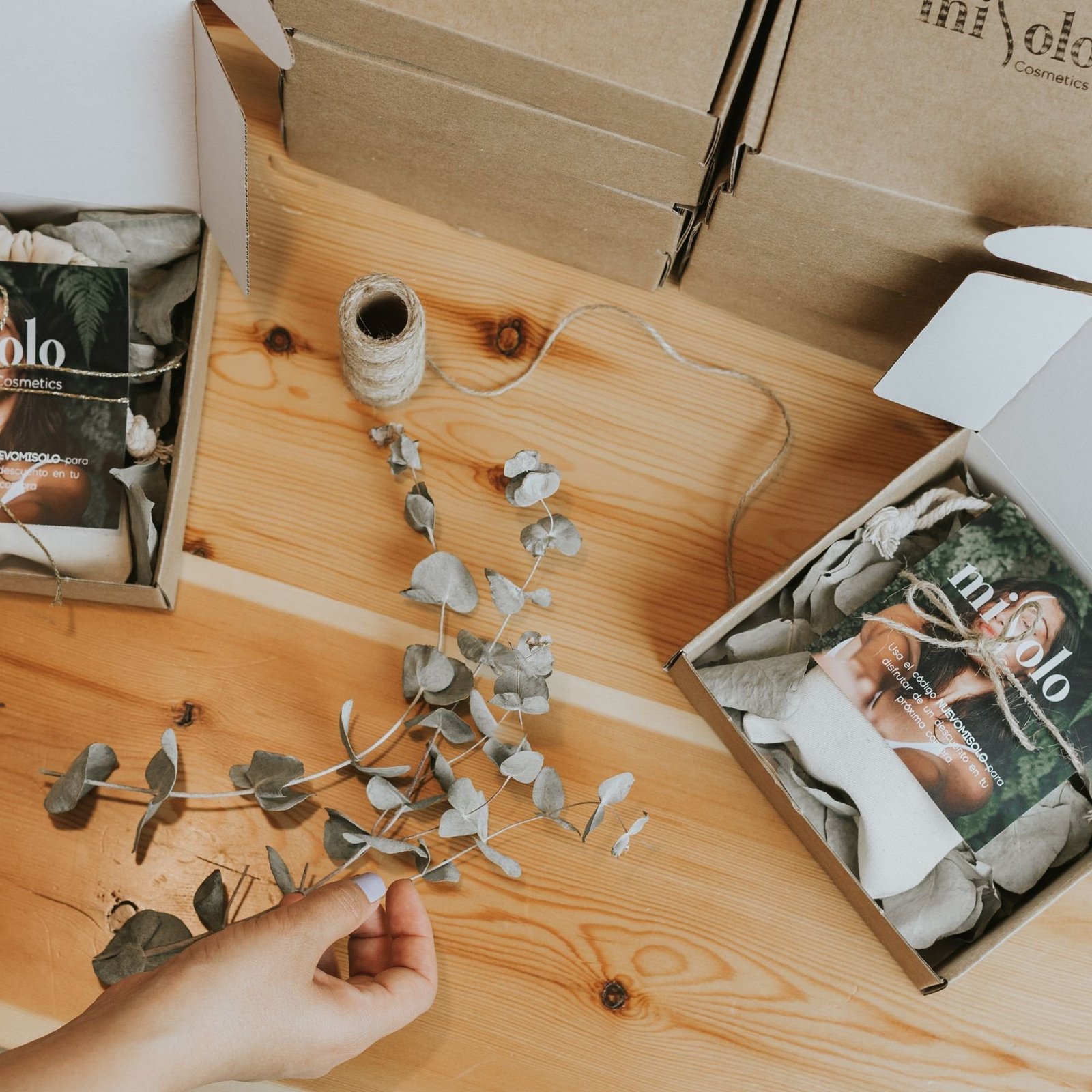
The hero product is the item the box is really about. Choose it based on campaign relevance, visual clarity, product readiness, and the likelihood that a creator can understand it without a brand representative present. A new product, bestselling item, signature formula, limited colorway, or complete starter item can all work, as long as the package makes its role unmistakable.
A good hero product should meet these criteria:
- It represents the campaign message. Do not make a secondary accessory the visual star if the launch is about the main product.
- It is ready to be filmed as received. Labels, seals, shade names, and usage instructions should be correct and camera-presentable.
- It can survive the shipping route. Fragile, heat-sensitive, leaking, or easily scratched items need extra testing before they become PR heroes.
- It can be explained simply. If the product requires a long technical explanation, the box should include a concise creator card.
Supporting items should complement the hero product, not compete with it. Useful additions may include a refill, applicator, shade card, swatch sample, care card, product insert, small accessory, or branded tissue. For example, custom inserts can help position a hero item and separate smaller components, while custom tissue paper can add a branded layer without forcing another product into the box.
Avoid adding filler just because the box feels empty. Empty space is a design problem, not always a product problem. A smaller box, better insert, paper wrap, or cleaner layout can look more intentional than a large box crowded with unrelated items.
Design the first reveal for the camera
The first reveal is the view immediately after the lid opens. Design it to remain understandable in a still frame: the product name, main item and supporting context should be easy to distinguish. This is a practical design test, not a claim that a particular layout increases views or engagement.
Design the first reveal as if it will be paused on screen. The viewer should see the logo or campaign line, the hero product, and the most important supporting cue without rotating the box. Keep the top layer calm: one clear message usually films better than multiple competing cards, stickers, ribbons, and inserts.
Practical first-reveal tips:
- Place the hero product where the eye lands first, often centered or slightly above center.
- Use contrast so the product does not disappear into the insert or tissue.
- Keep the opening orientation obvious; avoid layouts that only work when viewed from the brand’s desk.
- Put dense product information on a card beneath the first layer or inside a sleeve.
- Test the reveal with a phone camera before approving production.
A clean reveal is not necessarily minimal. It can be colorful, textured, layered, or dramatic. The key is control: the creator should know what to lift first and what the audience is meant to notice.
Mailer vs rigid PR packaging boxes
The box format affects cost, protection, storage, assembly time, and the feeling of the unboxing. Mailer boxes and rigid boxes can both work for PR packaging, but they solve different problems. Stowliva lists custom mailer boxes as a related route for branded packaging, while rigid-style presentation is usually considered when the opening moment or keepsake feel matters more than a simple shipper.
| Format | Useful role | Approve with a sample | Shipping decision |
|---|---|---|---|
| Corrugated mailer | Compact creator kit with a direct lid reveal | Loaded fit, board, seams, print scuffing and insert | Confirm whether the selected construction can be the outer parcel |
| Rigid presentation box | A deliberate lift-off, drawer or other premium reveal | Opening action, finish, product release and storage bulk | Assess a separate outer shipper and cushioning |
| Simple box with a printed card | A focused product introduction with fewer custom parts | Card readability, secure product placement and packing time | Validate the complete loaded pack for the intended route |
Choose the format around the complete journey, not just the photos. If the box is the shipper, it needs to tolerate labels, handling, scuffs, and transit. If the box is the presentation piece, plan the outer carton, void fill, and unpacking sequence so the creator receives it in filming condition.
Inserts must fit, hold, and release properly
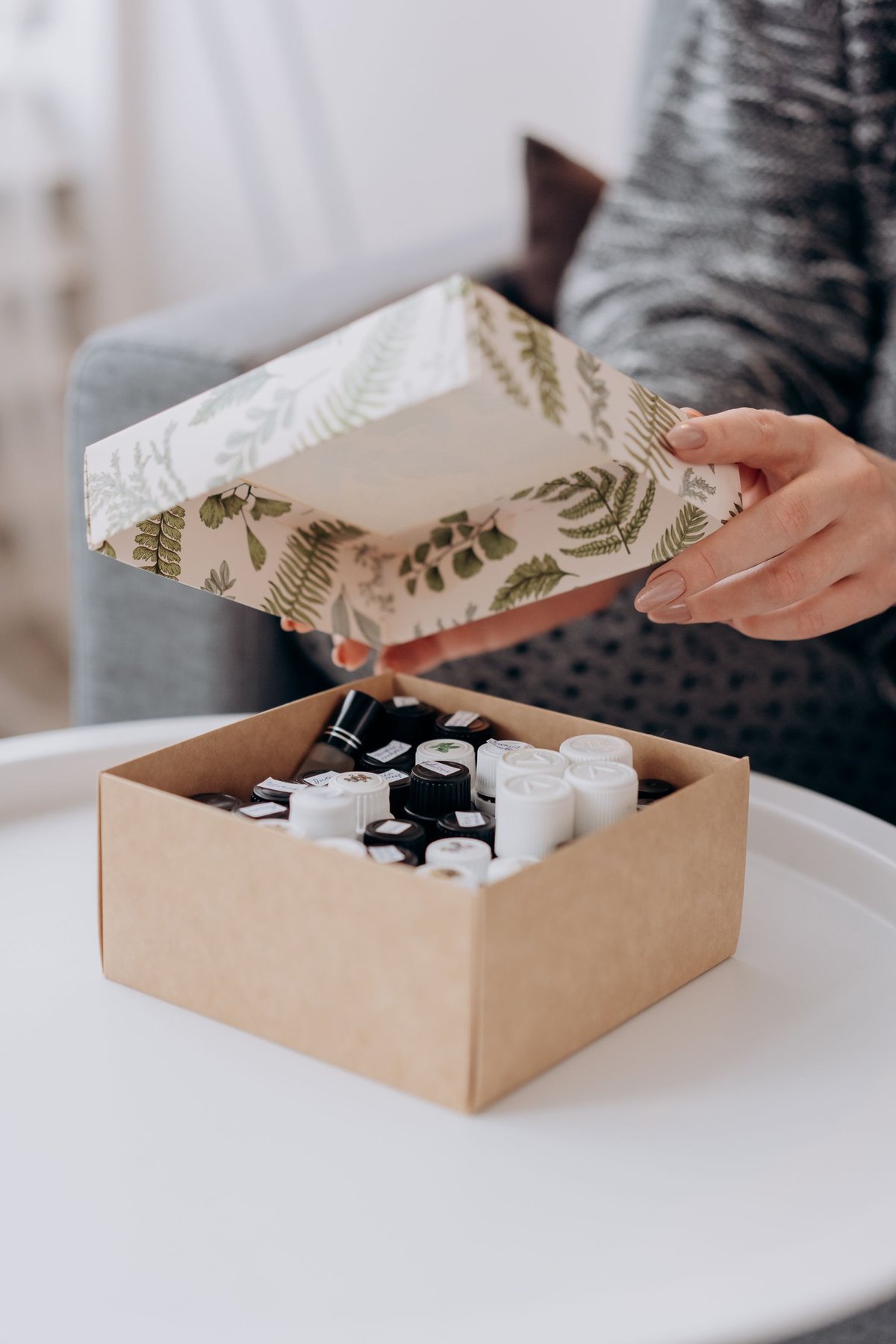
An insert is not just decoration. It controls where the product sits, how it survives movement, and how easily the creator can remove it on camera. A poor insert can grip too tightly, expose fragile edges, hide labels, or let products rattle until they arrive scratched.
Start with actual product samples, not only digital dimensions. Measure the product at its widest points, including caps, pumps, sleeves, wraps, and any protective seals. Then decide whether each cavity should hold the product snugly, allow finger access, or create a reveal gap around the item. The goal is secure retention without making the creator wrestle with the box.
For protection during shipping, think in layers:
- Primary product protection: caps tightened, seals applied, surfaces protected from abrasion.
- Insert retention: cavities, tabs, partitions, or wraps that prevent movement.
- Void control: tissue, paper fill, pads, or dividers used only where they improve stability.
- Outer protection: mailer, shipper, carton, or sleeve suited to the transit route.
- Pack-out testing: shake, tilt, open, and re-open sample packs to see what shifts.
Test the complete product, insert, wrap, box, outer shipper and closure together. ISTA’s procedure overview distinguishes preliminary screening from transport simulations. Ask a lab or packaging specialist which protocol matches your route and failure risks. Tilting or gently shaking a pack can reveal obvious movement, but cannot establish shipping protection.
UPS packaging guidance covers rigid outer boxes, cushioning, closures and shipping labels. Use the current instructions for your selected carrier and service. Decorative ribbon, tissue and an attractive insert do not replace a validated shipping system. Confirm any leakage containment needed for liquids before dispatch.
Print options, artwork, and assembly choices
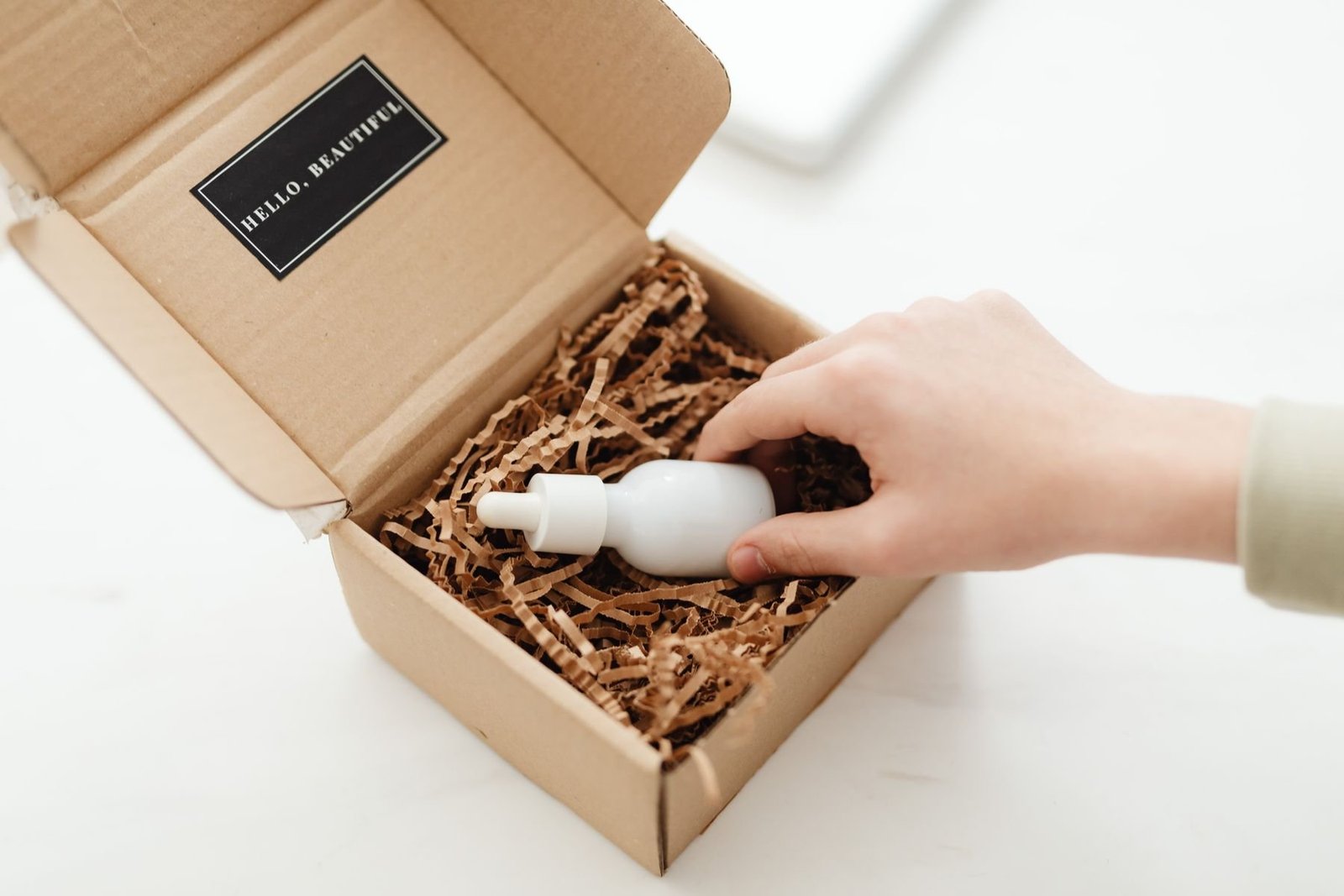
Print decisions should support the reveal, not overwhelm it. Common PR packaging print routes include exterior logo printing, interior lid messaging, repeating patterns, belly bands, insert cards, tissue patterns, stickers, and product labels. Depending on the specification, brands may consider CMYK or Pantone-style color references, foil, embossing, debossing, die-cut shapes, or textured paper details.
Good artwork preparation keeps production clearer. Provide vector logo files where possible, define finished dimensions, specify color references, and separate structural dielines from print artwork. If the inside of the box is printed, check where folds, tabs, and inserts may interrupt the design. A phrase that looks centered on a flat dieline may sit awkwardly once the box is assembled.
Adobe’s print bleed guide explains why edge-to-edge artwork must extend beyond the final trim. Use the printer’s specific bleed and safe-area requirements. Check the lid message on an assembled sample, then photograph it under the lighting you expect recipients to use; gloss, pale ink and small type can affect legibility.
Assembly also deserves its own planning. A PR box may require forming the box, placing tissue, loading the insert, adding products in a specific order, tucking cards, sealing tissue, adding a mailer label, and packing into an outer carton. If the sequence is slow or confusing, fulfillment mistakes become more likely. Build a simple pack-out guide with photos so every box opens the same way.
Include a short creator card and disclosure reminder
A creator card should be factual, brief, and useful. It is not the place for exaggerated claims or pressure to post. It should help the recipient identify the product, understand the campaign, and disclose the relationship if they choose to mention it.
Example creator card copy:
Gifted PR Sample Product: {Product name} Included: {Hero product} + {supporting item} Campaign note: {One-sentence launch context} Disclosure reminder: If you mention this gifted product, please disclose that it was gifted. Gifting does not require or guarantee coverage, a review, or a positive mention.
FTC’s Disclosures 101 for Social Media Influencers explains that free or discounted products can create a material connection. When a recipient endorses the product, the brand relationship should be made clear in the endorsement. A card hidden inside a box does not replace that disclosure. If the arrangement also includes payment or other benefits, the wording must reflect the actual relationship.
PR packaging checklist before production
Use this checklist before ordering pr packaging boxes, inserts, tissue, cards, or a sample kit:
- The campaign message can be explained in one sentence.
- The hero product is visually dominant in the first reveal.
- Supporting items have a clear purpose and do not crowd the box.
- The box opens in the intended filming orientation.
- The insert holds products securely and allows easy removal.
- Product labels, shade names, and instructions are visible where needed.
- Tissue, cards, stickers, and seals support the reveal sequence.
- The outer shipping method protects the presentation box.
- Claims on cards or packaging are supported by documentation.
- The creator card includes a factual gifted-product disclosure reminder.
- A packed sample has been reviewed under real lighting and handling.
- Assembly steps are documented for the packing team.
Compare the cost of the complete delivered PR kit
This example is hypothetical and does not represent a quote. Imagine a brand has a fixed launch budget for 100 creator boxes. Instead of spending most of it on the largest box possible, the brand might divide the budget into practical categories: box structure, insert, printed card, tissue or wrap, outer shipping protection, assembly time, samples, and contingency for changes.
The planning lesson is simple: the cheapest-looking line item is not always the cheapest part of the project. A complex insert may slow pack-out. A rigid presentation box may need an outer carton. A heavy supporting item may increase shipping requirements. Compare the complete packed box, not just the unit price of the empty box.
FedEx’s dimensional-weight guide explains why a light but bulky kit can cost more to ship than its scale weight suggests. Measure the final outer carton after cushioning is included. Compare two prototypes using the same product contents, destination and service before assuming that a smaller empty-box price means a lower delivered cost.
Use specific material claims and an approval brief
For a paper-focused kit, ask which parts are paper, which parts have coatings, and whether inserts or decorations can be separated. FSC’s label guide distinguishes its sourcing labels. Request documentation and permitted label use for the actual finished order before printing an FSC mark. A kraft color does not establish recycled content or certification.
FTC environmental claims guidance supports using qualified, evidenced descriptions rather than broad green promises. Check the box, insert, tape, tissue and card as separate components. Explain disposal according to the confirmed construction and destination market; avoid promising universal recycling or composting access.
Send a supplier the actual product samples or measured ranges, unit weights, intended orientation, destination, quantity per design and launch date. Ask the quote to identify box construction, insert support, artwork requirements, assembly sequence, sample scope, outer protection and each cost. Attach a photo of the first reveal you want to achieve, with an explanation of what needs to remain visible.
Approve a master packed sample and a packing photo guide. Confirm the correct product variants, readable labels, finger access, card placement, closure and outer label area. Record what changed after testing so that the production order matches the prototype you approved.
Start with Stowliva custom PR boxes, then coordinate inserts, mailer boxes and printed tissue around the actual contents. The packaging sample kit can help compare available material and print options; a custom pack still needs its own approval. Read the packaging insert guide and rigid box comparison, or send a PR kit brief.
PR Packaging: frequently asked questions
What does PR packaging mean?
PR packaging is the presentation and shipping system used to send products and supporting information to creators, journalists or other relevant recipients for product introduction and evaluation. It is part of outreach, and it does not guarantee coverage or a positive review.
What should go in a PR box?
Include a relevant hero product, only useful supporting items, stable product support, and a concise card with factual product information, brand contact and any appropriate campaign guidance. Test the entire packed kit before dispatch.
Are rigid boxes better than mailer boxes for PR kits?
Rigid boxes can suit a premium presentation and corrugated mailers can suit a compact shipped kit. Compare finished fit, insert support, external protection, assembly and total delivered cost rather than choosing on appearance alone.
Do free PR gifts need a disclosure?
FTC guidance says free or discounted products can create a material connection. If recipients endorse the product, they should clearly disclose the relationship as appropriate. A note inside the box does not replace a clear disclosure in the resulting endorsement.
About this guide: Prepared by Stowliva Editorial using the linked references, reviewed October 16, 2026. Reference photographs show independent applications. Confirm specifications for the selected order.