Footwear packaging buying guide
Custom Shoe Boxes: 8 Fit & Shipping Mistakes
Eight checks that keep the shoes, retail box and shipped order working together.
Custom shoe boxes work when they fit the footwear, survive the journey and keep the right size information easy to find. A good-looking carton can still fail if a tall boot crushes the lid, a tissue fold creases suede, or an oversized shipper makes delivery unnecessarily expensive. The best starting point is a packed pair, not a mood board.
This guide covers eight checks for footwear brands ordering custom shoe boxes with logo artwork. It is designed to help you build a precise brief for Stowliva’s custom shoe boxes and to separate display, storage and parcel-shipping requirements.
What belongs in a shoe box specification?
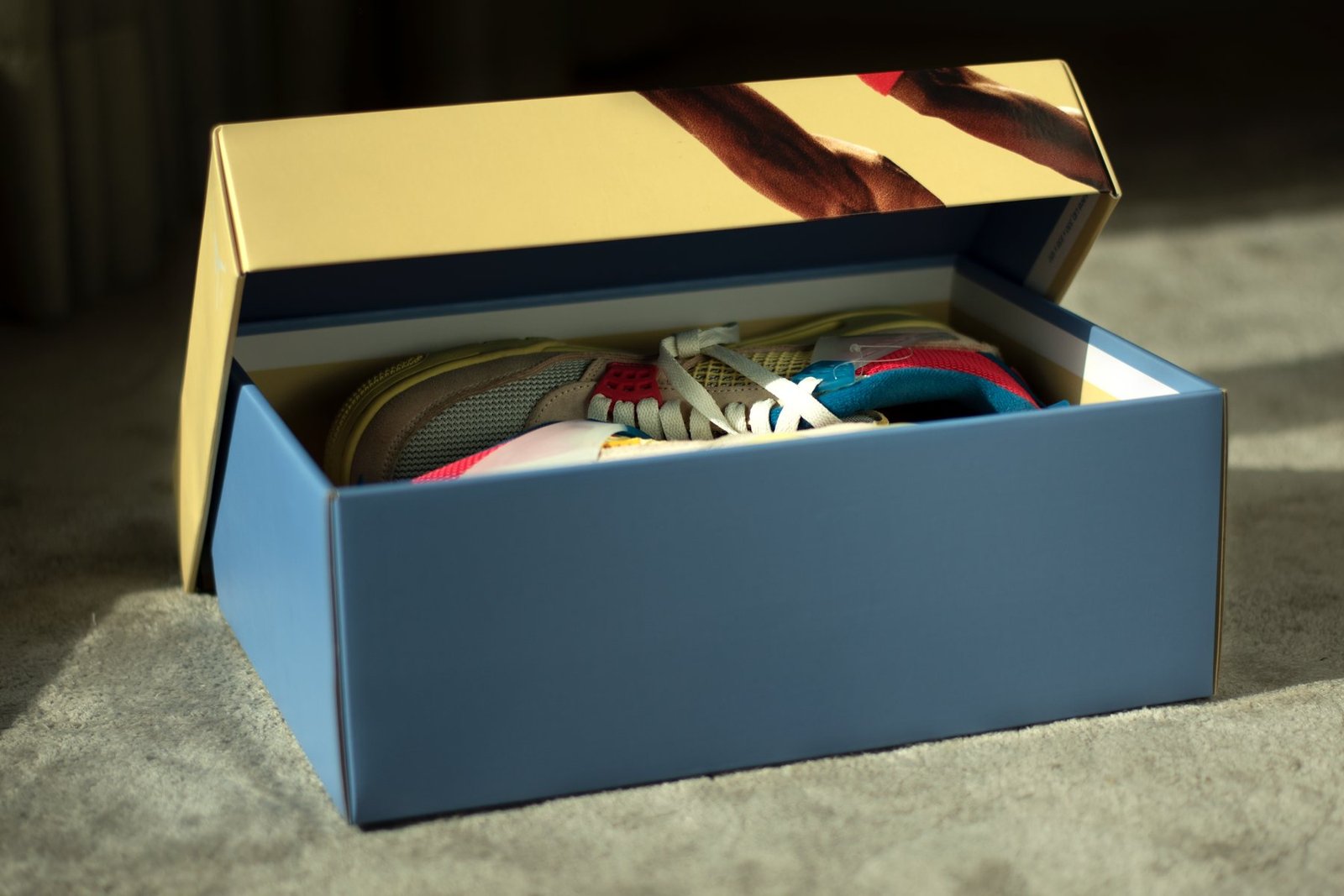
Record the largest pair for each proposed box size, measured with inserts, stuffing, tags and any accessories. Specify finished internal length × width × depth, box style, board grade, finish, lid or drawer clearance, ventilation or handle details, tissue, size-label position, barcode, quantity by size range and the outer shipping pack. Include the route and tests the complete system must pass. A shoe box is a repeatable packing process, not just a printed rectangle.
| Format | Best reason to use it | Sample check |
|---|---|---|
| Two-piece lid and base | Easy retail access and familiar stacking | Lid friction, corner strength and stack stability |
| One-piece hinged carton | Fast packing with attached lid | Hinge fatigue and opening clearance |
| Drawer or rigid set | Gift or premium presentation | Weight, pull action and shipping cost |
1. Size the box around the largest packed pair
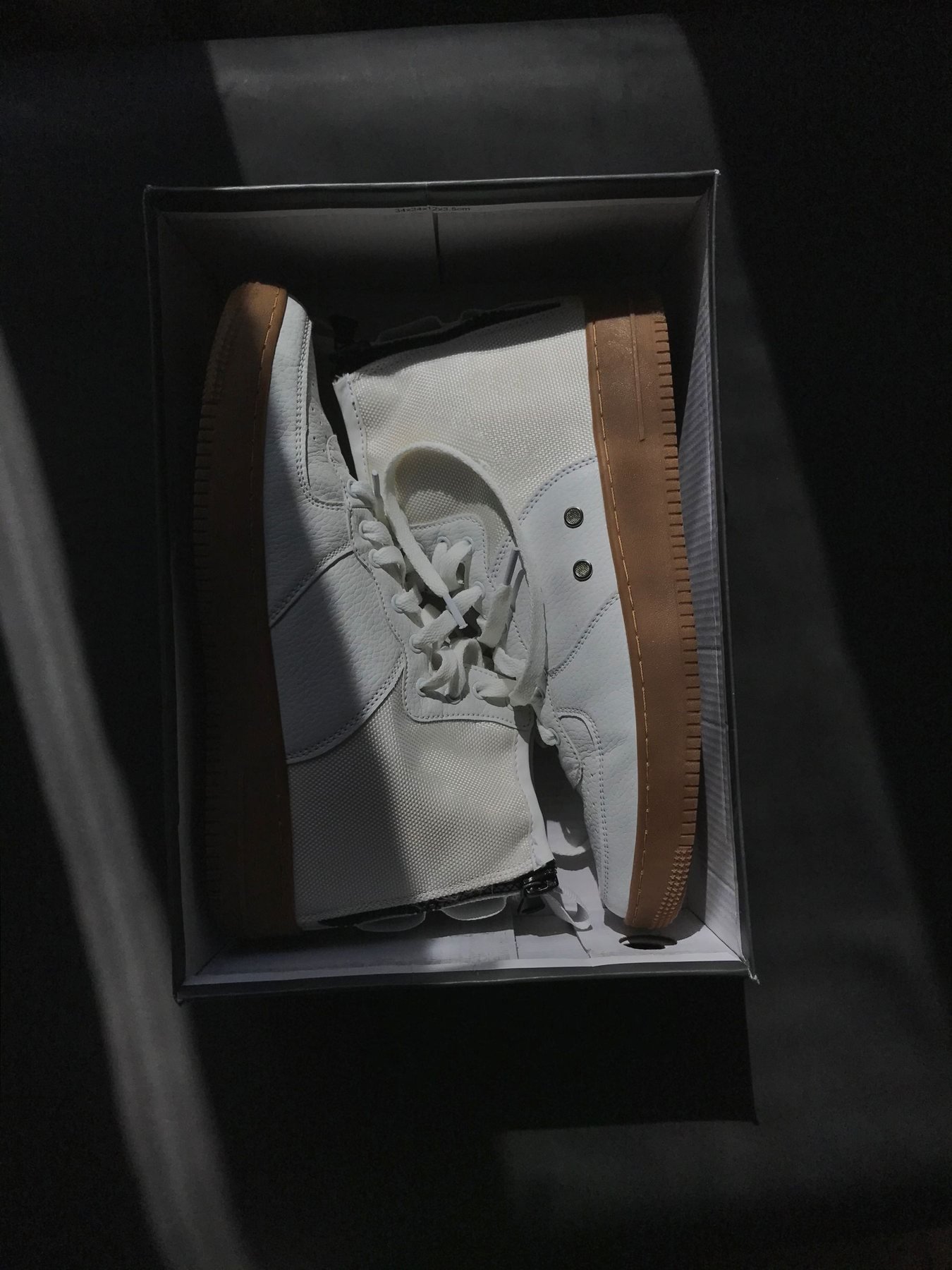
Measure shoes in their intended packed orientation, including toe stuffing, inserts or a protective bag. High heels, boots and chunky midsoles change the clearance needed even when the nominal shoe size is the same. Test at least the extremes of the size run and any unusually tall model. If one box format must cover several SKUs, check whether the smaller pairs slide and scuff.
Use a physical dummy or cut sample before ordering printed board. Place the pair inside, close the lid without forcing it, then lift and rotate the box. The correct fit allows removal without snagging details or pressing the upper into the lid. For a coordinated fashion order, compare an apparel box only if its dimensions and structure genuinely suit the footwear.
2. Distinguish shelf strength from shipping strength
Retail boxes may be stacked in a stockroom, carried by customers or packed into a separate parcel. Those are different loading conditions. A box that stacks neatly on a shelf can crush when shipped alone. If the brand sells online, test it inside an appropriate shipping box or mailer box. The Stowliva mailer versus shipping box guide helps choose the outer format.
The International Safe Transit Association describes ISTA 3A as a general simulation for individual parcels. Select a protocol that reflects the actual distribution channel and evaluate the finished, packed configuration. Check the footwear, retail box and shipper after testing, including corners, print rub and closure.
3. Protect the shoes without overpacking
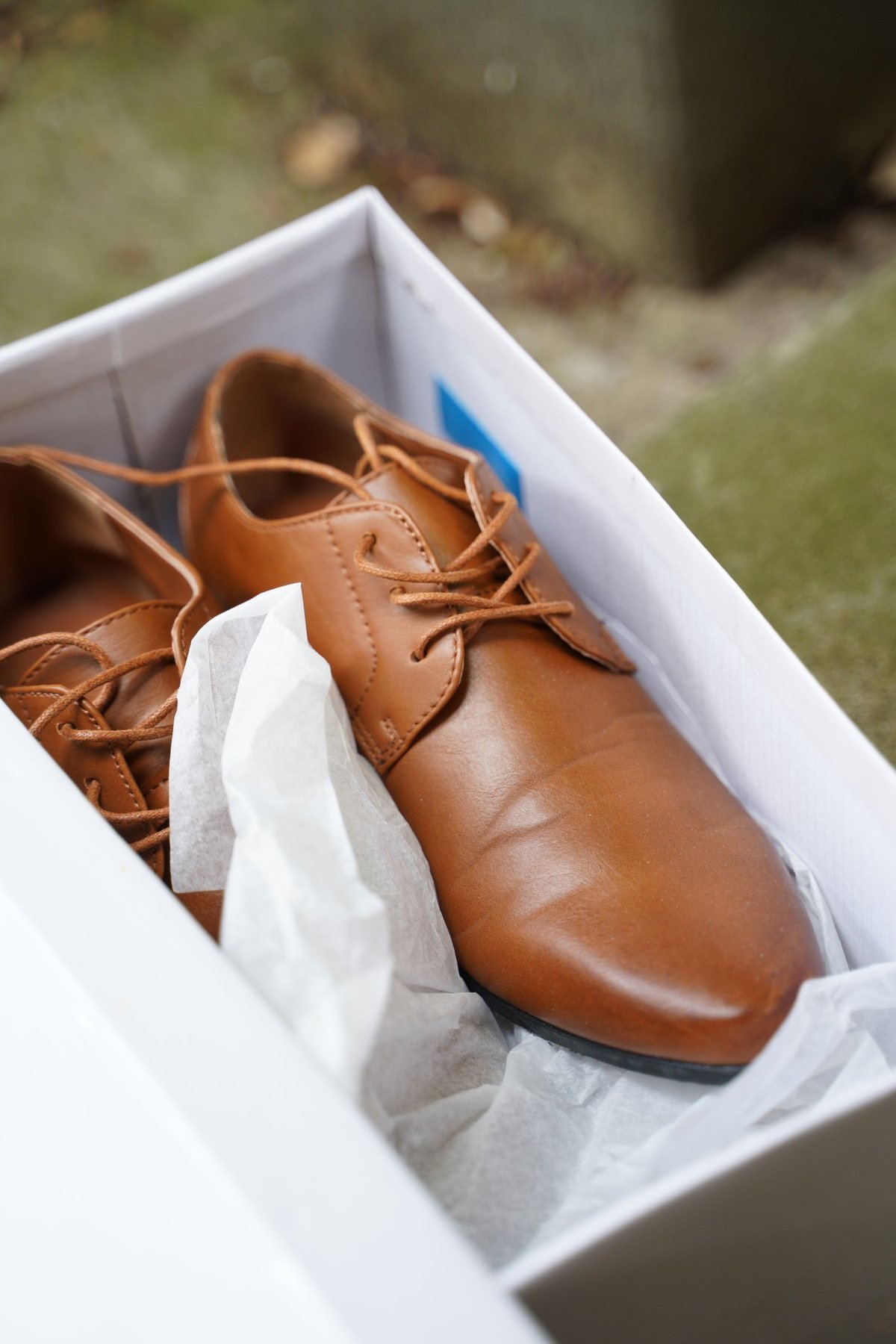
The goal is to prevent upper-to-upper rubbing and maintain shape while letting the customer remove the shoes easily. A folded sheet of custom printed tissue paper can separate surfaces and add presentation, but it is not an impact cushion. Test color transfer on pale leather or textile and make sure the fold does not imprint delicate finishes during storage.
For high-value or easily marked shoes, try the chosen packing sequence with the complete product: laces, spare parts, hang tags and any care card. Use the same sequence in the fulfillment instructions. The tissue paper buying guide explains how sheet size and folding affect the finished pack.
4. Keep the size label visible and the barcode scannable
Size, color, style code and barcode must be findable even when boxes are stacked. Choose a consistent short-end label panel and reserve a quiet, flat area in the artwork. GS1 US’s barcode placement and printing guide explains why contrast, clear space and avoiding edges matter. Scan an actual printed sample after it has been filled and stacked.
A variable product label roll may be easier than printing a unique carton for every size and color. Confirm adhesive performance on the finished board, readable type at arm’s length and the label’s exact orientation in storage. Keep the base box artwork useful even if the label is later changed.
5. Calculate the cost of the complete shipped order
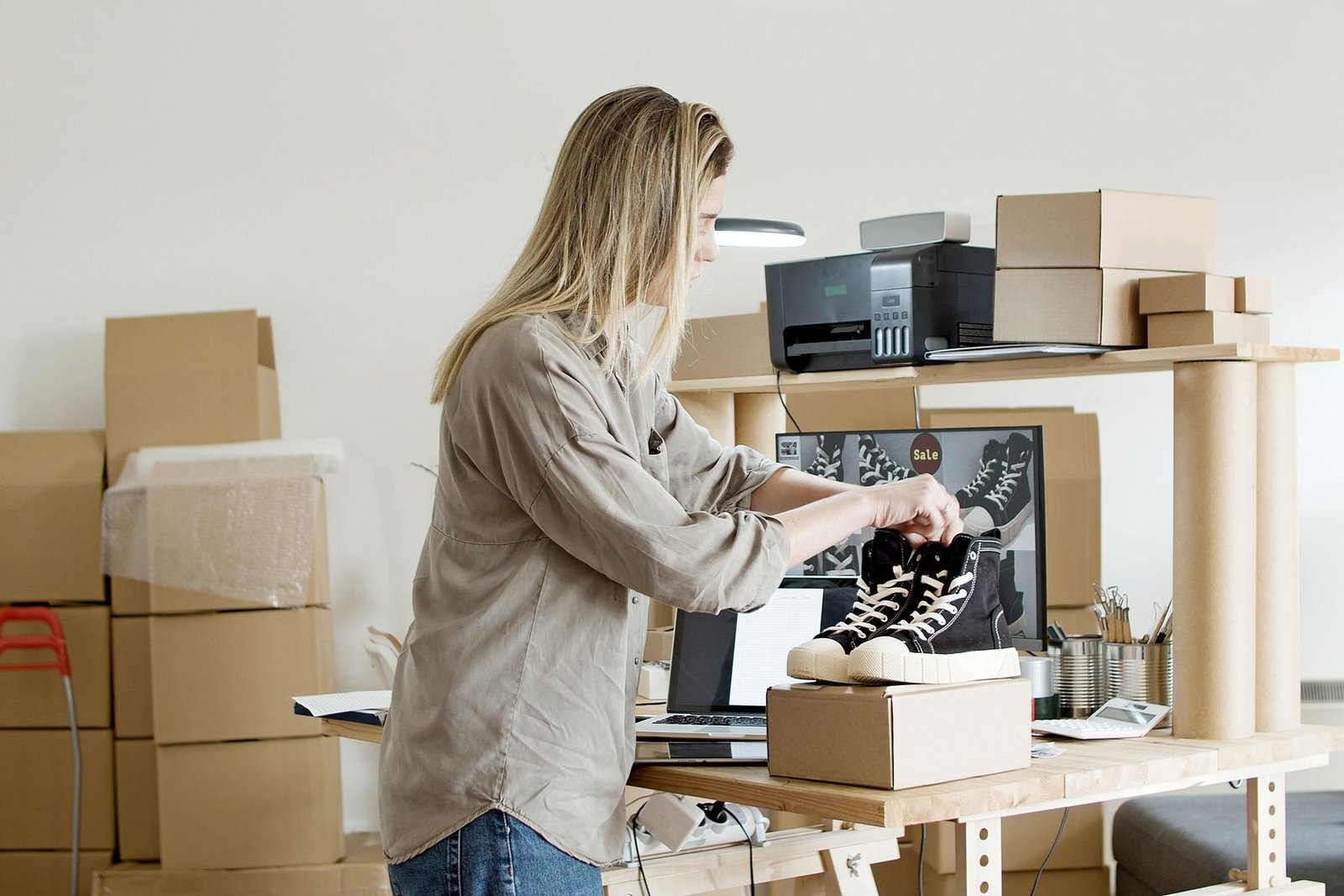
Compare the packed retail box plus outer shipper, not only the price of the custom carton. Oversized cartons add board and can add freight. FedEx’s dimensional-weight explanation shows why package dimensions can affect billed weight. Recalculate after you finalize the actual shipping box, cushioning and carrier.
For example, two shoe-box designs with similar unit prices may lead to different outer cartons. If one requires a much larger shipper, its true per-order cost can be higher. A smaller box is useful only if the shoes and structure still pass fit, stacking and delivery tests.
6. Check material claims for the finished construction
Ask what board, inks, coating, adhesives and added handles are used, and document the exact finished version. The Forest Stewardship Council’s guide to FSC labels distinguishes FSC 100%, FSC Mix and FSC Recycled. Printing an FSC mark requires an eligible, approved production route; it does not follow automatically from choosing a paper-looking board.
The FTC Green Guides summary recommends substantiated, qualified environmental claims. The US EPA’s common recyclables guide says cardboard boxes should be flattened and local instructions checked. A laminated, heavily embellished or mixed-material shoe box may need a different disposal instruction. Describe the actual construction rather than treating all boxes as identical.
7. Test print and finish where hands actually touch
Footwear boxes are stacked, pulled from shelves, carried and sometimes used for long-term storage. Rub the printed corner and lid edge, flex the hinge if there is one and check whether dark or matte finishes show fingerprints. Photograph the sample under ecommerce lighting and place it next to the shoes. A bold logo can work, but it must not bury the style and size information that staff need.
If a box uses a foil, varnish or printed wrap, request a production-intent proof. Compare the proof with the final flat artwork and a physical color target. Keep enough clear area for labels and avoid locating fine text on an edge or fold. The Stowliva artwork guide helps prepare print files for a supplier review.
8. Approve a sample for every meaningful size group
One approved sample does not prove that a toddler size, adult sneaker and high-heel style will all fit. Group SKUs by shape and size range, then sample each structural group. Record internal dimensions, board and finish, approved tissue fold, label location, artwork version and pack-out method. Retain a physical reference after approval.
When a supplier changes a board grade or closure, retest stacking and transit where relevant. For a new range, a material sample kit can help narrow finishes; the final sign-off still belongs to a filled shoe box. Ask for the actual minimum order and lead time by structure and artwork version instead of assuming every size shares one setup.
Before issuing a purchase order, send a short approval sheet to the brand, supplier and fulfillment team. It should identify who owns the dieline, the revision date, finished internal size, approved board, print method, color target, closure, tissue arrangement, label position, packed product and outer shipper. Specify how samples will be checked and how a changed component will be reapproved. This creates a usable reference when the next season brings a new colorway or a reorder months later.
Ask the fulfillment team to time a small packing trial. If a lid repeatedly catches, a size label has to be applied twice or tissue requires an elaborate fold, that labor belongs in the cost comparison. Inspect several packed boxes from different team members. The result should look consistent without relying on one expert packer. A slightly simpler design can outperform a premium-looking structure when it is quicker to fill, less likely to damage shoes and easier to repeat.
Quick answers about custom shoe boxes
How do I choose the size of a custom shoe box?
Measure the largest packed pair in each structural group, including stuffing and any protective components. Test the proposed internal size with a physical sample and check that the smaller sizes do not move excessively.
Can a retail shoe box be mailed on its own?
Only if the complete packed box is designed and validated for that route. Many brands use an outer shipper to protect the retail box, maintain the unboxing and provide a clear carrier-label surface.
Which shoe-box finish is most sustainable?
No single finish is universally best. Compare material amount, durability, print needs, component separation and local recovery for the exact box. Make only claims supported by the selected supplier and construction.
Build the box around your footwear
Share your size range, packed samples, destination and artwork. We can compare structures and help turn the range into a repeatable specification.
Request a Stowliva quoteEditorial note: Five newly sourced, licensed real photographs illustrate this article. Product specifications, certification scope and claims must be confirmed for each order.