Fragrance packaging buying guide
Custom Perfume Boxes: 9 Mistakes Before Print
Nine checks for a box that presents the fragrance, holds the bottle and supports the real sales channel.
Custom perfume boxes should protect the exact bottle, leave room for required copy and make the fragrance recognizable at a glance. The expensive mistake is approving a beautiful flat proof before checking the filled box. A millimeter of unexpected bottle movement, a cap that presses against the lid or a barcode hidden by a fold can turn a promising design into a costly reprint.
This guide is for fragrance brands preparing retail cartons or perfume packaging boxes for presentation. It covers nine decisions to test with a real bottle and a production-intent sample. Begin with Stowliva’s custom perfume boxes as one possible format; the right structure depends on your bottle, sales channel and shipping route.
What should a perfume box specification include?
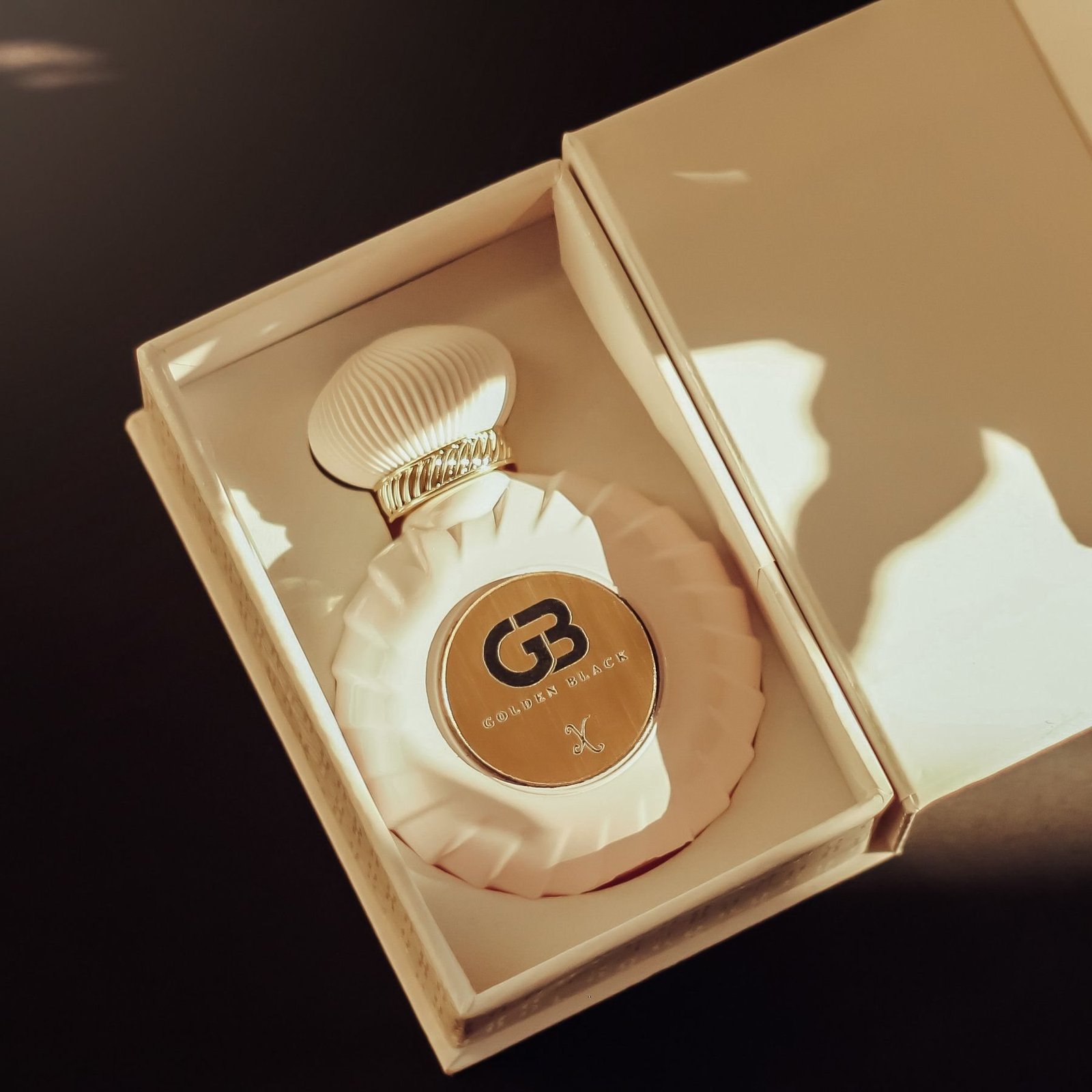
Write down the filled bottle’s length, width, height and weight, including the cap, pump, collar and any sleeve. Add the desired retail box’s finished internal dimensions, board and insert construction, opening style, artwork version, finish, quantity by scent or size, barcode location, destination market and packed shipping method. Define the tests the complete pack must pass. A supplier can then quote a specific construction rather than a vague “luxury box.”
| Decision | Evidence to approve | Failure to catch |
|---|---|---|
| Bottle fit | Filled production bottle in finished insert | Cap pressure, rattle or trapped pump |
| Physical proof under retail lighting | Unreadable text, color shift or scuffing | |
| Distribution | Complete shipper and transit test plan | Glass damage or leaky closure |
| Claims | Material documentation and approved wording | Unsupported recycling or certification mark |
1. Measure the bottle, not the marketing mockup
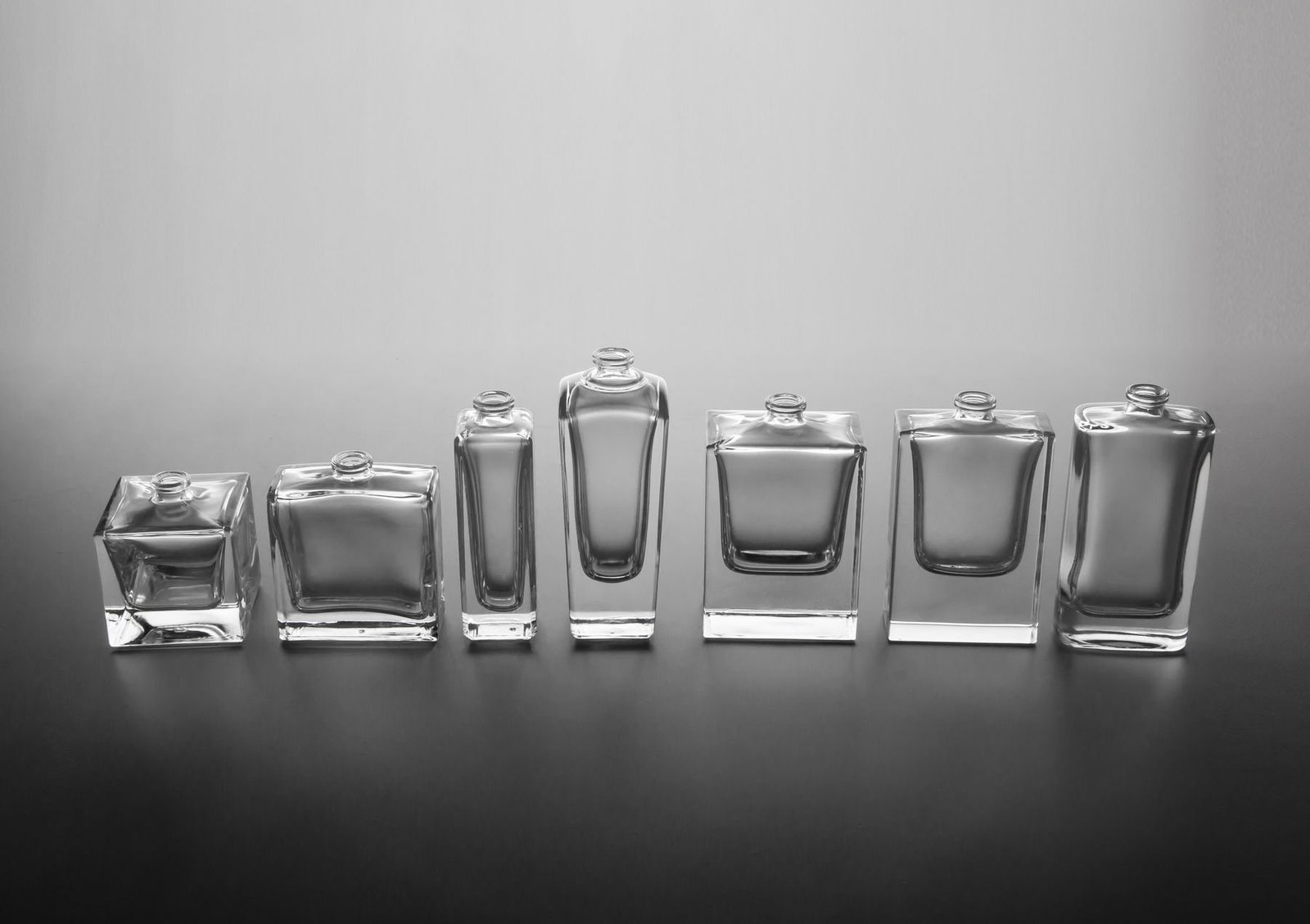
Perfume bottles have shoulders, thick bases, pumps and caps that can be wider than the glass body. Measure multiple filled samples from the intended production run. Record the widest points and the mass, then test the tolerance that the converter proposes. A dieline based only on a rendering can make an insert pinch the label or leave enough free play for the glass to strike the wall.
Choose the opening direction with the customer experience in mind. The bottle should lift out without pulling on the pump or scratching a decorated cap. If the carton must also fit a gift sleeve, confirm the combined dimensions. Stowliva’s custom inserts are a separate design decision: material, contact points and tolerances need approval with the actual bottle.
2. Decide whether the box is retail presentation or transport protection
A fragrance carton can look sturdy and still be unsuitable as the only parcel shipper. For direct-to-consumer orders, test the carton inside a separate shipping box or mailer box with the chosen cushioning. FedEx’s breakables packing guidance emphasizes a strong box and adequate cushioning; the correct pack depends on the filled bottle and route.
For a repeatable validation plan, the International Safe Transit Association’s parcel test procedures describe ISTA 3A for individual packaged products in parcel delivery. A brand should choose tests based on its actual channel and failure history, then retain the tested construction as the approved reference. A pretty empty box is not a transport test.
3. Hold the bottle securely without hiding the product
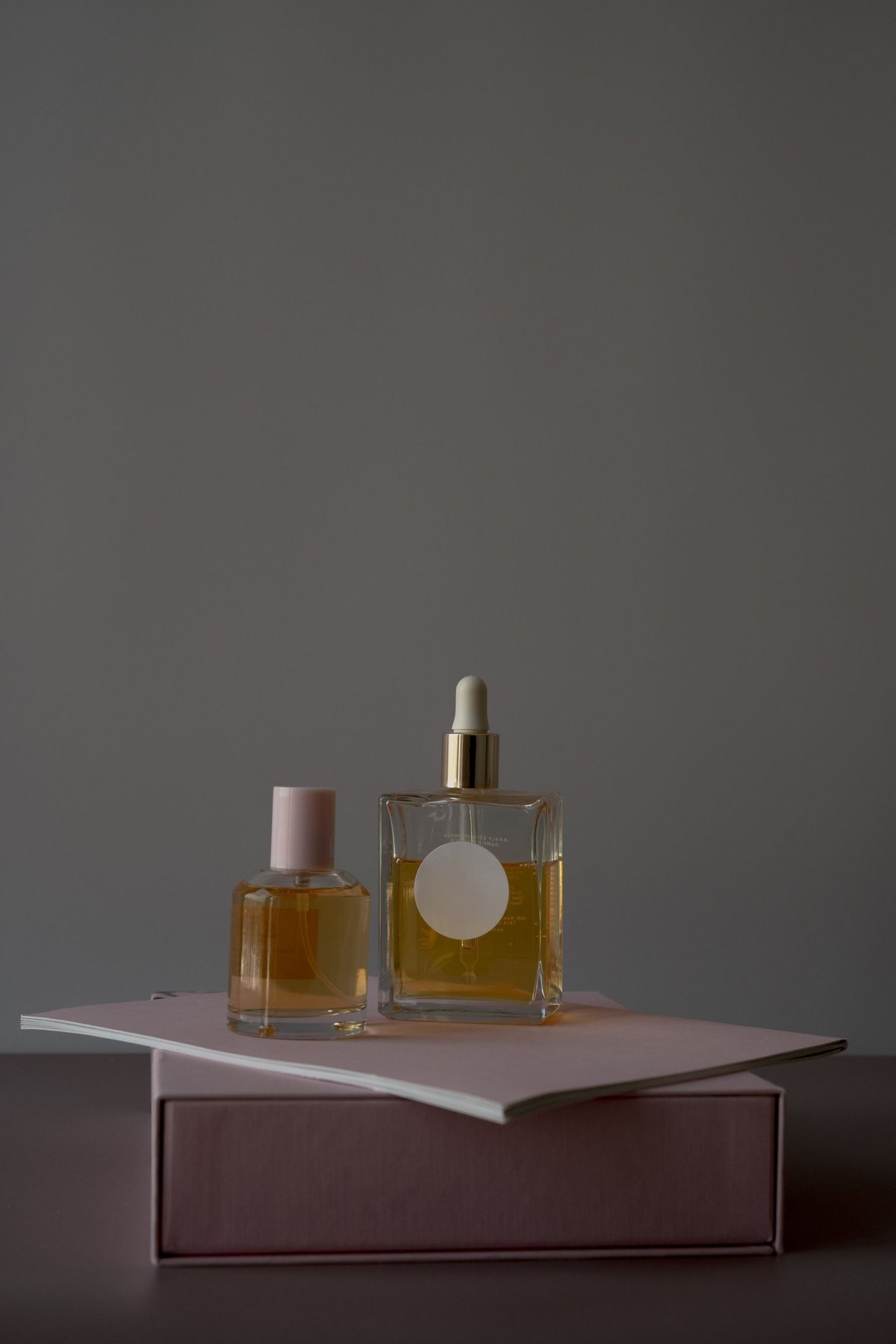
For glass, prevent motion at the base, shoulder and neck while keeping the unboxing intuitive. Compare folded paperboard, molded pulp and other insert options by real fit, scuffing, cost and disposal route. Avoid automatically adding a thick plastic tray to every SKU: a well-designed paper structure may work for some bottles, while other shapes need a different solution. The packaging inserts guide gives a broader checklist.
Pack and unpack the sample at least several times. Listen for rattle, check whether the cap has loosened and look for rub marks on painted glass or labels. Run these checks again after the complete packed unit has been handled as it will be in fulfillment.
4. Reserve regulatory and barcode space before artwork
Market rules vary. In the United States, the FDA identifies perfume and cologne as cosmetics when marketed for use on the body and provides a cosmetics labeling resource and a detailed labeling guide. Confirm the requirements for every destination and the final product before placing essential copy. This is a packaging layout checkpoint, not a substitute for category-specific review.
Put a retail barcode on a stable, flat and scannable panel. GS1 US guidance explains clear areas around the symbol, color contrast and placement away from folds and edges. A digital zoomed-in proof can hide a barcode that fails on printed board. Scan the physical sample with the actual retail or warehouse equipment.
5. Do not assume a fragrance can ship like an ordinary cosmetic
The retail box cannot determine transport eligibility. Alcohol-based perfumes can be regulated as flammable liquids. The USPS hazardous materials guidance explains its domestic surface conditions and restrictions for perfume; rules differ by carrier, composition and destination. Verify the actual formulation and route before promising air delivery or an international service.
Separate three layers in the brief: the bottle’s closure and leak prevention, the retail box’s presentation and immobilization, and the outer shipper’s cushioning and carrier marks. A premium retail carton should not be presented as proof that the parcel meets dangerous-goods or breakage requirements.
6. Choose a finish that survives handling
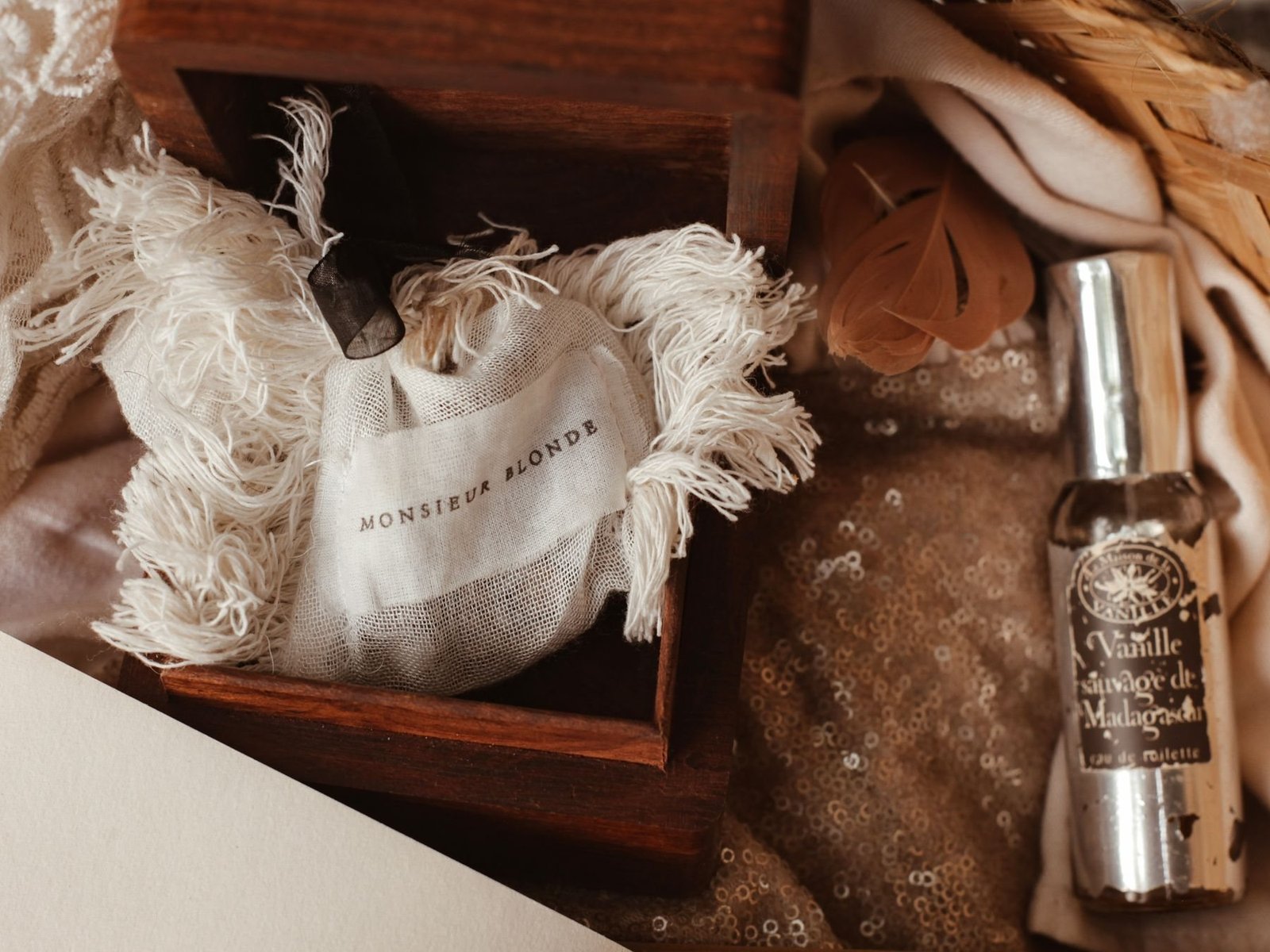
Foil, embossing, soft-touch coating and dark solid colors can give a fragrance box shelf impact. They also change rub behavior, lead time and the way small type prints. Ask the converter for a physical proof on the exact board and finish. Handle it with clean and ordinary hands, stack it, slide it into an outer box and photograph it under the lighting used for ecommerce and retail.
For a small launch, a carefully printed folding carton with a restrained finish may give a clearer result than several elaborate components. Use printed tissue paper only when the final pack benefits from a separate wrap; test transfer or abrasion against the bottle decoration. Keep the fragrance name and size easy to find before considering decorative effects.
7. Check material and environmental claims at the finished-box level
Board grade, coating, foil, glue, window film and insert all affect how the box should be described. The Forest Stewardship Council explains the difference among FSC 100%, FSC Mix and FSC Recycled labels. A mark on the artwork needs documentation and approval for the specific certified production route; a photo of certified paper is not enough.
The FTC’s Green Guides summary advises businesses to substantiate and qualify environmental claims. Write a precise instruction for the final box and market instead of putting an unsupported “eco-friendly” badge on every version. If the insert and carton follow different disposal routes, tell the customer which is which.
8. Version the artwork by scent, size and market
One fragrance family may contain multiple bottle capacities, languages and claims. A single generic dieline can produce an expensive SKU mix-up. Create a version table: scent name, bottle size, country or language, barcode, required copy, artwork file, and approved proof date. Keep the structural parts shared only where the physical fit has been demonstrated.
Use a product label or variable-data area where a limited launch needs flexibility, but test it on the finished box for adhesion and scanability. The cosmetic packaging guide covers related decisions for ranges beyond fragrance.
9. Approve a filled, shipped production-intent sample
The final sign-off should include a filled bottle, final insert, printed box, outer shipper, closure and all labels. Photograph each side and keep one approved unit as a reference. Check dimensions and fit, color and finish, copy and barcode, packing time, rub and opening, then the transport protocol chosen for the sales channel. Record a decision for each finding and update the file version when a change is made.
If a factory proposes a different board or insert after the proof, treat it as a changed specification. Ask for a new sample where the substitution affects protection, print or claims. Stowliva’s sample kit can help establish initial material preferences, while the final perfume pack still needs its own filled proof.
Quick answers about custom perfume boxes
What box style is best for perfume?
There is no universal winner. A folding carton can suit many retail units; a rigid presentation box may suit a gift set. Choose by filled-bottle fit, shelf use, production volume and the complete shipping system.
Can a perfume box protect a glass bottle in the mail?
Sometimes, but only when the bottle, insert and outer shipping pack are tested together for the intended channel. A retail carton alone should not be assumed to provide parcel protection.
What should I send a supplier for a quote?
Send the real filled bottle, capacity and weight, target finished dimensions, artwork and number of versions, preferred material and finish, intended market, annual or launch quantity, shipping method and required test or claim documentation.
Turn the bottle into a box brief
Share the physical bottle, SKU list, destination and artwork. We can compare a practical box and insert route for your launch.
Request a Stowliva quoteEditorial note: Five newly sourced, licensed real photographs illustrate this article. Product specifications, certification scope and claims must be confirmed for each order.