Custom fabric packaging guide
Custom Drawstring Bags: What Size Fits? 9 Checks Before Ordering
Choose the right size, fabric, cord and print method—and approve a sample that works with your real product.
Quick answer: The best custom drawstring bags start with the product, not the fabric swatch. Measure the real item, define the usable bag area, match fabric and cord to handling, then approve the logo on a physical sample. Most costly failures come from treating finished size, print area and closure space as the same measurement.
Custom drawstring bags look simple, but every choice changes how the finished package works. A pouch that is only a few millimeters too narrow can be frustrating to pack. A bold logo can lose clarity on a coarse weave. A thin cord can make a heavier bag feel awkward. This guide turns the Semrush search data behind custom drawstring bags, personalized drawstring bags and custom printed drawstring bags into a practical buying process for growing brands.
What should you decide before ordering custom drawstring bags?
First define what the bag must hold, where customers will see it and how often it will be handled. A small jewelry pouch, an apparel dust bag and an event giveaway bag solve different problems. Record the product’s width, height and depth, including bulky closures or irregular parts. Add the desired opening direction, presentation style and whether the bag must sit flat, hang, fold or travel inside another package.
Then write a one-page brief with five decisions: product dimensions, intended use, desired feel, branding priority and handling conditions. If you are comparing options, start with Stowliva’s custom drawstring bags, review the broader materials guide, and send the actual product dimensions through the quote request. A supplier can recommend more intelligently when the outcome is clear.
Which fabric is right for a custom drawstring pouch?
There is no universal “best” fabric. Cotton is familiar and printable; recycled cotton can provide a different fiber story and a more variable natural appearance; linen-style cloth creates visible texture; and RPET can suit programs that specifically require recycled synthetic content. Ask for the fiber composition, fabric weight, color, finish and documentation as separate facts.
Certification language deserves precision. The Textile Exchange Global Recycled Standard describes third-party requirements for recycled content and chain of custody, while GOTS certification guidance explains certification and labeling for organic textiles. Neither standard makes every product made from a related fiber automatically certified. Verify the scope and current certificate before using a claim.
| Fabric direction | Typical character | Often considered for | What to confirm |
|---|---|---|---|
| Cotton | Soft, familiar, available in several weights | Beauty, gifts, apparel and events | Weight, weave, shrinkage and print test |
| Recycled cotton | Natural look with possible fiber variation | Brands specifying recycled fiber content | Composition, shade tolerance and documentation |
| Linen or linen blend | Visible texture and a crisp presentation | Jewelry, hospitality and premium gifting | Blend, texture, fraying and fine-line reproduction |
| RPET | Lightweight synthetic construction | Travel, events and technical applications | Recycled-content evidence, hand feel and ink compatibility |
9 costly custom drawstring bag mistakes to avoid
1. Starting with a style before defining the use case
A beautiful sample is not a specification. Decide whether the bag protects a product, presents a gift, organizes a kit or acts as a reusable takeaway. That purpose determines which tradeoffs matter. A lightweight pouch may be ideal inside a box but too soft for standalone retail presentation. A heavier fabric may look substantial yet add unnecessary bulk to a subscription shipment.
2. Using product dimensions as the finished bag size
A flat object still needs insertion clearance. A three-dimensional object also needs room for depth, seam allowances and gathering at the top. Measure the actual product at its widest and tallest points, then test it inside a sewn sample. Do not assume that a 20 cm-wide product belongs in a 20 cm-wide bag.
3. Ignoring the usable space below the drawcord
The top channel and gathered fabric reduce usable height. Ask the supplier to state both finished outside dimensions and approximate usable dimensions. Pack the real item, close the bag fully and confirm that the top gathers cleanly without crushing the contents or hiding the logo.
4. Specifying fabric by name but not by construction
“Cotton” does not define weight, weave, finish, color tolerance or shrinkage. Put measurable attributes in the brief and approve a representative swatch. Textile tests should be chosen for the risk. The AATCC standards catalogue includes methods used for colorfastness and crocking, while ASTM’s textile standards overview lists methods covering properties such as mass, strength and dimensional behavior. Ask which method applies instead of requesting a vague “quality test.”
5. Forgetting seam allowance and load
A render shows a silhouette; it does not show how seams behave under load. Confirm seam placement, stitch type, corner construction and expected contents. Put the heaviest realistic product in the sample, lift it by the bag and repeat normal opening and closing. This is a practical use check, not a substitute for a formal strength claim.
6. Treating every cord as interchangeable
Cotton cord, ribbon and synthetic cord differ in grip, bulk and visual character. Diameter affects both comfort and the channel design. Confirm whether the bag uses one pull or two, whether the cord ends are knotted or finished, and whether the chosen cord slides smoothly after the bag is filled.
7. Letting the logo cross a seam, fold or closure channel
Ask for a dieline or marked sample showing the safe print area. Keep important type and symbols away from seams, folds and the gathered zone. A centered logo on an empty flat bag may move visually when the bag is filled; approve placement on the packed sample, not only on a PDF.
8. Choosing a print method without testing the fabric
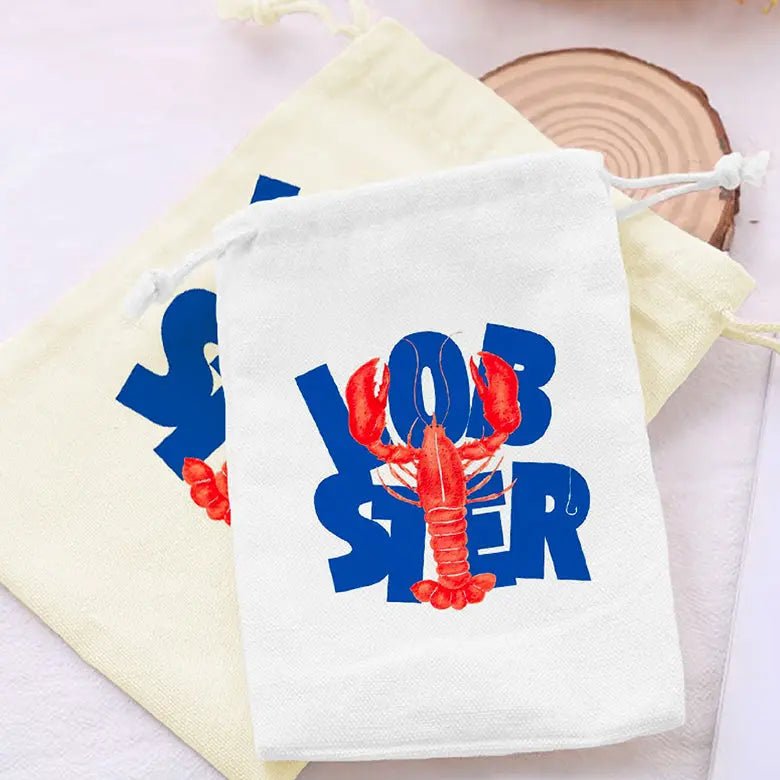
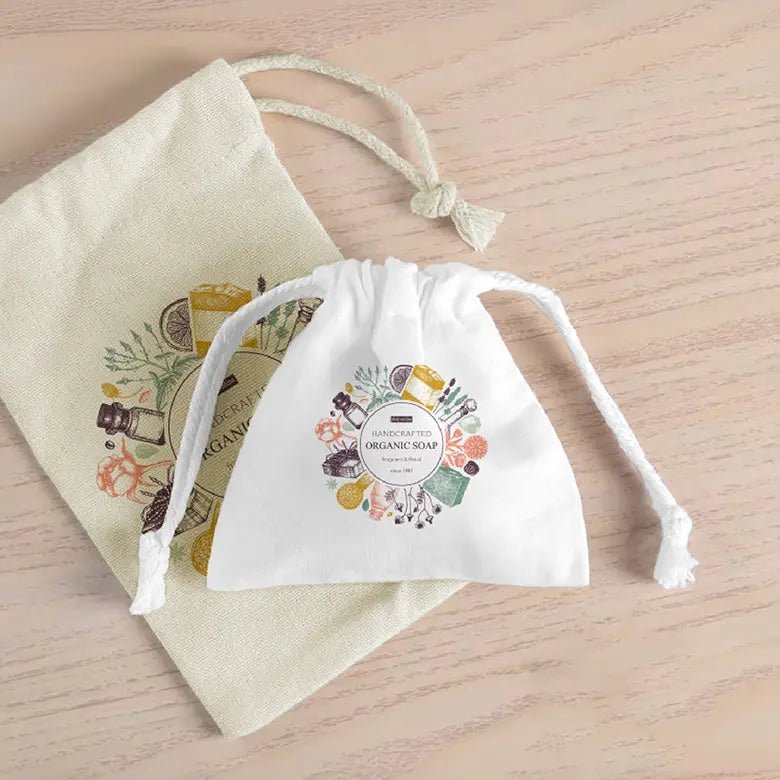
Screen printing, transfer methods, embroidery and other decorations respond differently to weave, color, stretch and artwork. Fine lines may break up on a coarse surface. Pale inks may change over a colored base. A thick decoration can alter hand feel. Submit vector artwork using the Stowliva artwork guide and request a production-representative print sample.
Color references also need context. Pantone’s explanation of its color systems distinguishes systems made for print from those made for textiles. The code in a brand guide may not map one-to-one onto dyed cloth or ink on a textured bag. Agree on the physical reference and viewing conditions.
9. Making environmental claims broader than the evidence
“Eco-friendly,” “green” and “sustainable” are broad terms. The FTC’s Green Guides summary advises marketers to qualify general environmental benefit claims and keep evidence specific. Describe what can be verified—fiber content, reuse design or certified scope—rather than implying that a bag has no environmental impact.
How do you make custom printed drawstring bags look polished?
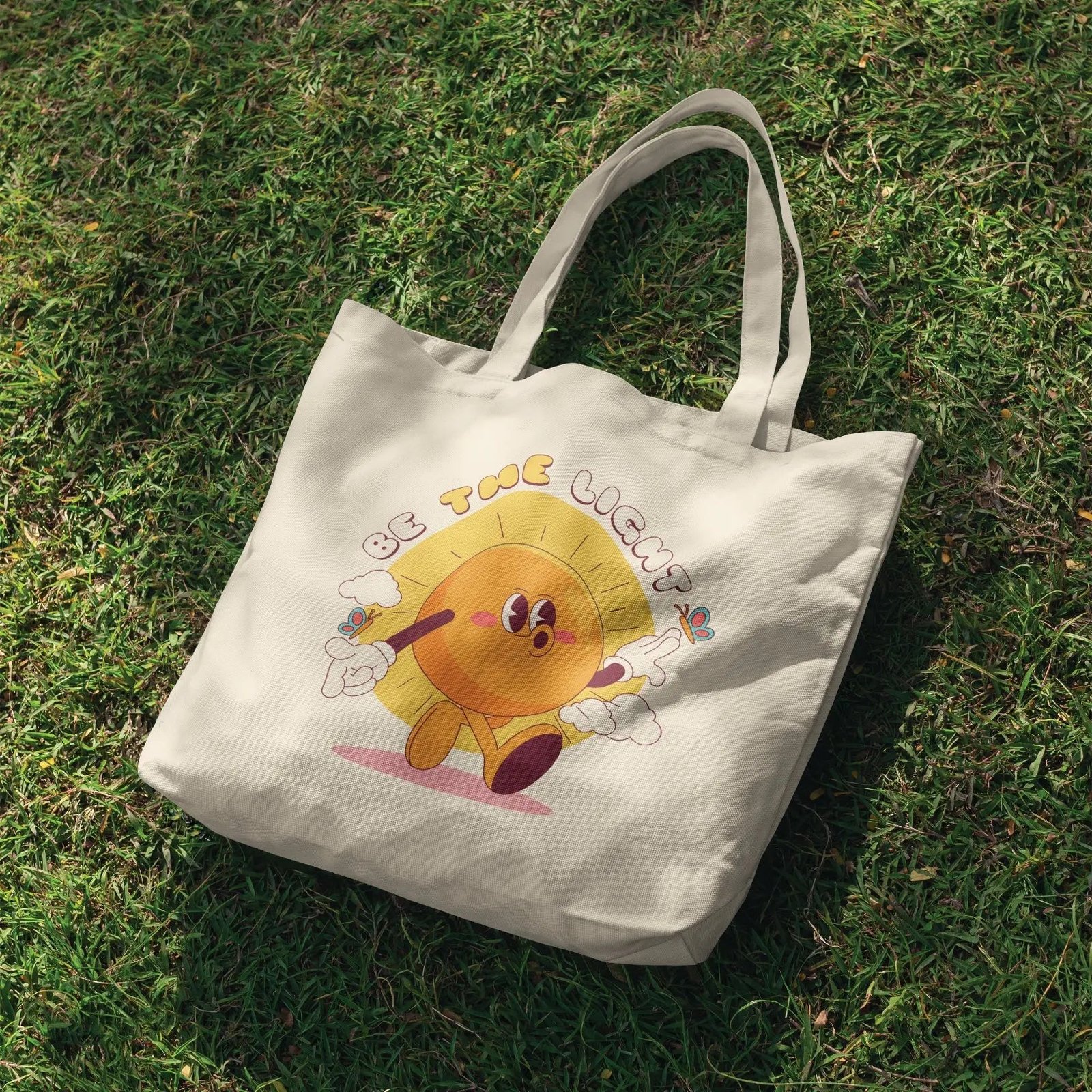
Polish comes from alignment: the fabric, proportions, cord, closure and print should tell the same story. A subtle one-color mark on natural cloth can feel intentional when it has generous space. A colorful illustration can work when the surface and print method preserve the details. Complexity alone does not create value.
Review the sample in this order: pack the real product; close the cord completely; look at the logo from normal viewing distance; open and close the bag repeatedly; inspect seams and corners; then photograph the sample in the lighting used for your store. If your project is actually better suited to handles, compare the construction with Stowliva’s gusseted custom tote bags and washable custom tote bags.
A six-step approval checklist for bulk orders
- Confirm the brief: product, use, finished size, usable size, fabric, cord, artwork and packing method.
- Approve the material: record composition, weight, color and any evidence required for claims.
- Test the fit: use the real product and close the bag fully.
- Approve physical decoration: judge size, contrast, alignment and hand feel on the chosen cloth.
- Check the complete pack: place the bag inside its mailer or box and confirm shipping dimensions.
- Define batch checks: agree on what will be reviewed for size, stitching, print and packing before shipment.
For a first order, use the custom MOQ guide to frame sampling and quantity questions. If the bag is part of a larger unboxing system, connect it with the packaging inserts guide so instructions and brand messaging do not compete with the pouch.
Frequently asked questions
How much extra room should a drawstring bag have?
There is no reliable universal allowance. Product depth, fabric thickness, seam construction and the closure channel all change the answer. Give the supplier the three-dimensional product size and test a sewn sample with the real item.
Can a supplier match an exact brand color on fabric?
A target can be specified, but the substrate, ink system, lighting and production tolerance affect the appearance. Approve a physical swatch or printed sample and record the accepted reference rather than relying on a monitor.
Are custom cotton drawstring bags washable?
Washability depends on the fabric, dye, print, cord and construction. Do not promise care performance without a confirmed care instruction and relevant test. If reuse matters, ask for a sample and evaluate the complete decorated bag.
What artwork file is best?
Editable vector artwork is normally the most flexible for logos, because it can be resized without pixelation. The production method may require separated colors, outlined fonts or minimum line weights. Adobe’s Illustrator reference explains vector artwork concepts, while the supplier should provide the final production rules.
Turn the brief into a production-ready sample
Good custom drawstring bags are engineered around the item they carry. Define the use, separate finished dimensions from usable dimensions, document the fabric and cord, then approve the decoration on a packed physical sample. That sequence prevents more problems than any last-minute visual adjustment.
Ready to compare fabric, size and logo options? Review Stowliva’s custom printed drawstring bag product and request a quote with your product dimensions and artwork.
Editorial note: The five images are existing Stowliva catalogue photographs of real products, not AI-generated artwork. Product specifications and claims should be confirmed for each order.