Beauty packaging sourcing guide
Custom Cosmetic Packaging: What Works? 9 Checks Before Ordering
Build the carton around the filled primary pack, protect label space and test the complete packout before production.
Short answer: Good custom cosmetic packaging starts with the filled primary component—not a rendering. Confirm formula compatibility, closure performance, maximum dimensions and label copy first. Then engineer the carton and insert around that approved pack, test the full shipping configuration and document the production specification before committing to volume.
Beauty packaging sells a promise before the customer opens the product, but appearance is only one part of the job. The pack must protect a bottle, jar or tube; keep important information readable; withstand storage and delivery; and arrive with a finish that still looks intentional. The nine mistakes below turn Semrush’s commercial-intent keyword findings into a practical approval workflow for founders, product teams and buyers.
For a coordinated system, compare Stowliva’s custom gift boxes, custom inserts and custom product label rolls. If the product is sold online, add a separate custom mailer box or shipping box. A retail carton and a transit pack solve different problems.
Custom cosmetic packaging formats compared
Use this table to narrow the structural direction. Final material, coating, closure and dimensions should be approved with the real filled component and the intended distribution route.
| Format | Useful for | Main strength | Approval risk |
|---|---|---|---|
| Folding carton | Bottles, tubes and jars | Efficient print area and storage | Weak base, tight closure clearance or panel bowing |
| Rigid box | Premium sets and gifting | Controlled reveal and presentation | Added weight, surface scuffing and excess material |
| Paperboard insert | Single products or sets | Repeatable position and visual order | Cut edges rubbing the primary component |
| Molded fiber insert | Heavy jars or multi-packs | Shaped support and cushioning | Loose tolerances or an awkward removal path |
| Label-led pack | Small runs and frequent variants | Flexible version control | Wrinkles, low contrast or insufficient legal copy area |
| Transit mailer | Direct-to-consumer orders | Shipping protection | Assuming a decorative retail carton can ship alone |
1. Designing the carton before the formula and primary pack are stable
The secondary paper box cannot correct a leaking pump, migrating oil, warped tube or loose cap. Freeze the formula, primary component, closure and fill level before the carton is considered final. The product owner should evaluate the formulation against every material it contacts and confirm the filled pack remains safe and functional through its intended life.
The U.S. Food and Drug Administration’s cosmetic product testing guidance says manufacturers or distributors are responsible for ensuring a marketed cosmetic is safe when used as directed or customarily expected. FDA does not prescribe one universal test list, so the safety and compatibility plan must fit the formula, component and use case.
Give the carton supplier the final component, not an early sample from another mold or supplier. Include the applied label, cap, overcap, pump lock, shrink band and any decoration that changes the maximum dimension. If the pack can be shipped with the pump locked or unlocked, define the approved state in the packing instructions.
2. Measuring the nominal container instead of the finished component
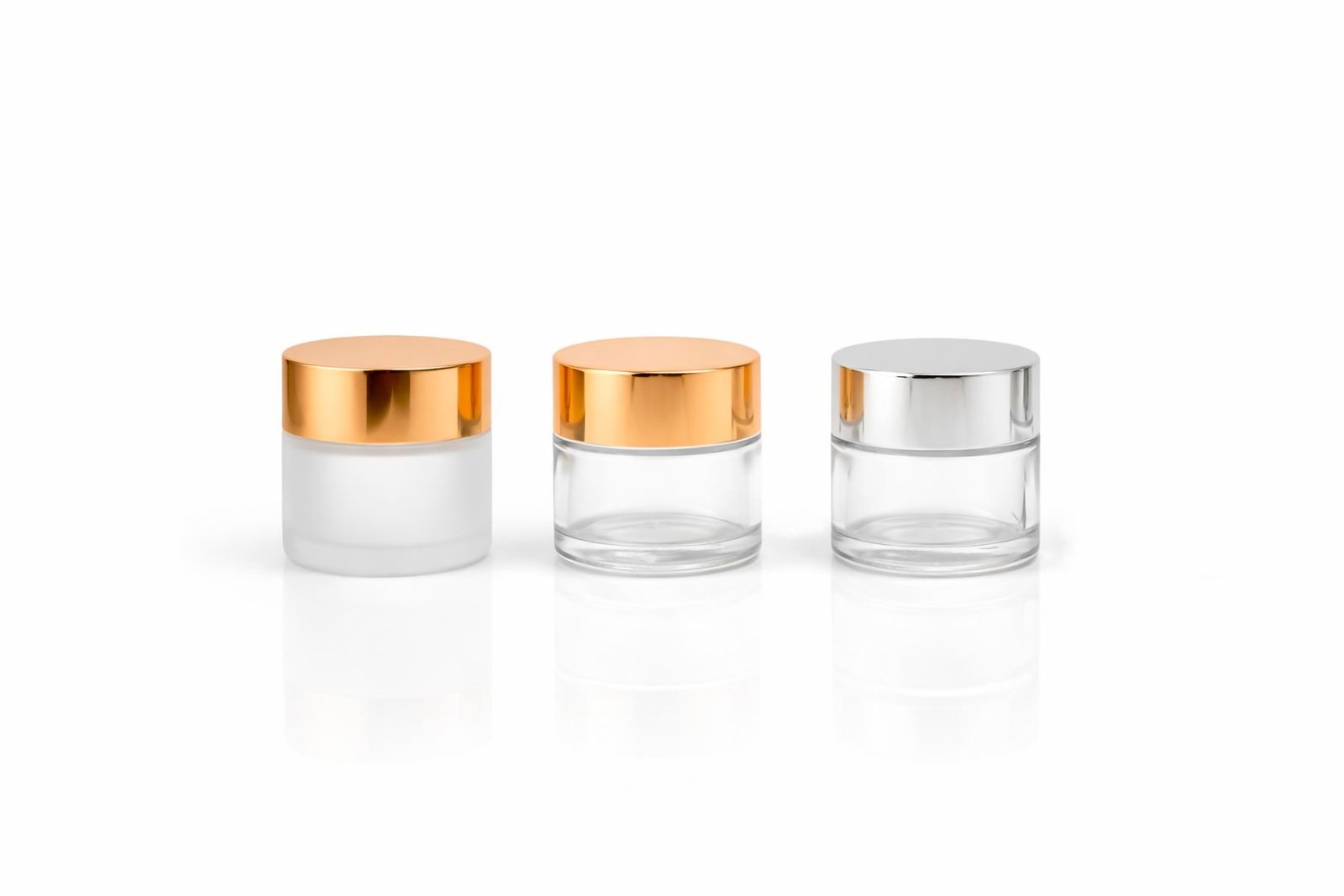
A “50 ml jar” is a capacity description, not a carton dimension. Measure the maximum outside width or diameter, total height with the production closure, filled weight and any seam, collar or protruding actuator. Sample several units because molded and assembled components have tolerances.
Ask the packaging supplier to state the finished internal box dimensions separately from the flat dieline. Then approve a plain structural sample. The component should load and lift out without damaging a label or metallic finish, yet should not rattle or rotate enough to ruin the presentation. If an insert is involved, prototype it with the carton; the packaging inserts guide explains how contact points, retention and removal work together.
3. Treating “luxury” as decoration instead of controlled details
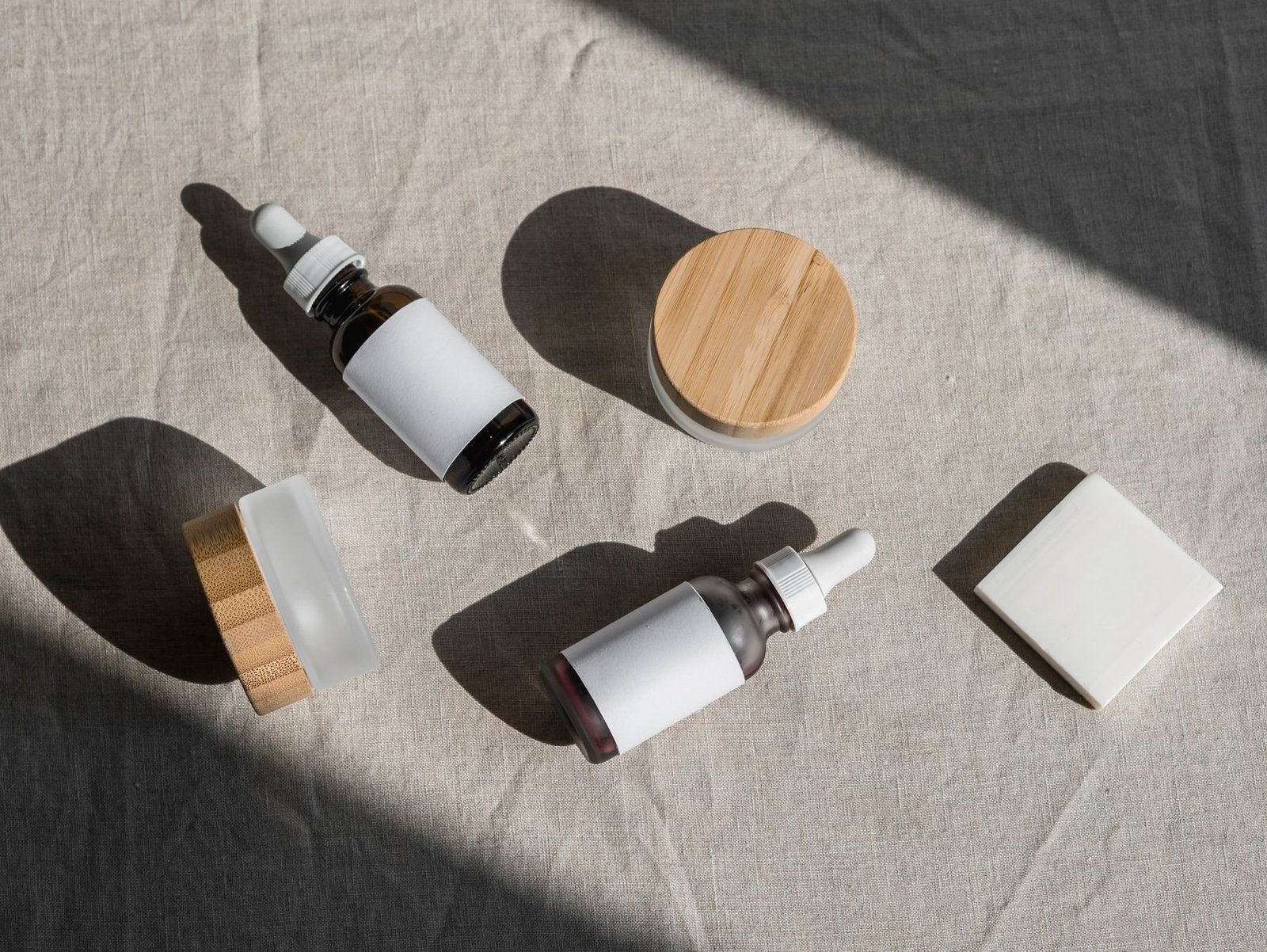
Premium perception is usually created by consistency: square corners, clean folds, even gaps, accurate logo position and a deliberate opening action. Adding foil, embossing, soft-touch film and several specialty papers at once can increase cost and production risk without making the pack feel more considered.
Choose one or two details that support the brand hierarchy. Review the finish on the intended paper, at actual size and under normal retail light. Dark matte surfaces may show rub; fine reverse text may fill in; deep embossing may distort a fold. Build files on the approved dieline and follow the printer’s limits for bleed, line width, knockout and registration. Stowliva’s artwork guide provides a useful preflight checklist.
4. Leaving regulatory and consumer information until the end
Packaging architecture should reserve readable space before the front panel is decorated. Product identity, net quantity, ingredient declaration, business information, warnings and other copy may apply depending on the product and market. The FDA’s summary of U.S. cosmetic labeling requirements is a starting point, not a substitute for product-specific review.
Review every surface where the product appears: primary label, carton, insert card, ecommerce page and wholesale catalog. Claims can change the regulatory position of a product, so the packaging team should not improvise benefits to fill empty space. Keep a controlled copy document and record who approved each version.
For U.S. cosmetic businesses, FDA’s MoCRA overview explains expanded requirements, while its registration and product-listing page describes scope and exemptions. Registration or listing is not FDA approval, and the exact obligations depend on the business and product. Obtain qualified advice for your market.
5. Choosing board and inserts by appearance alone
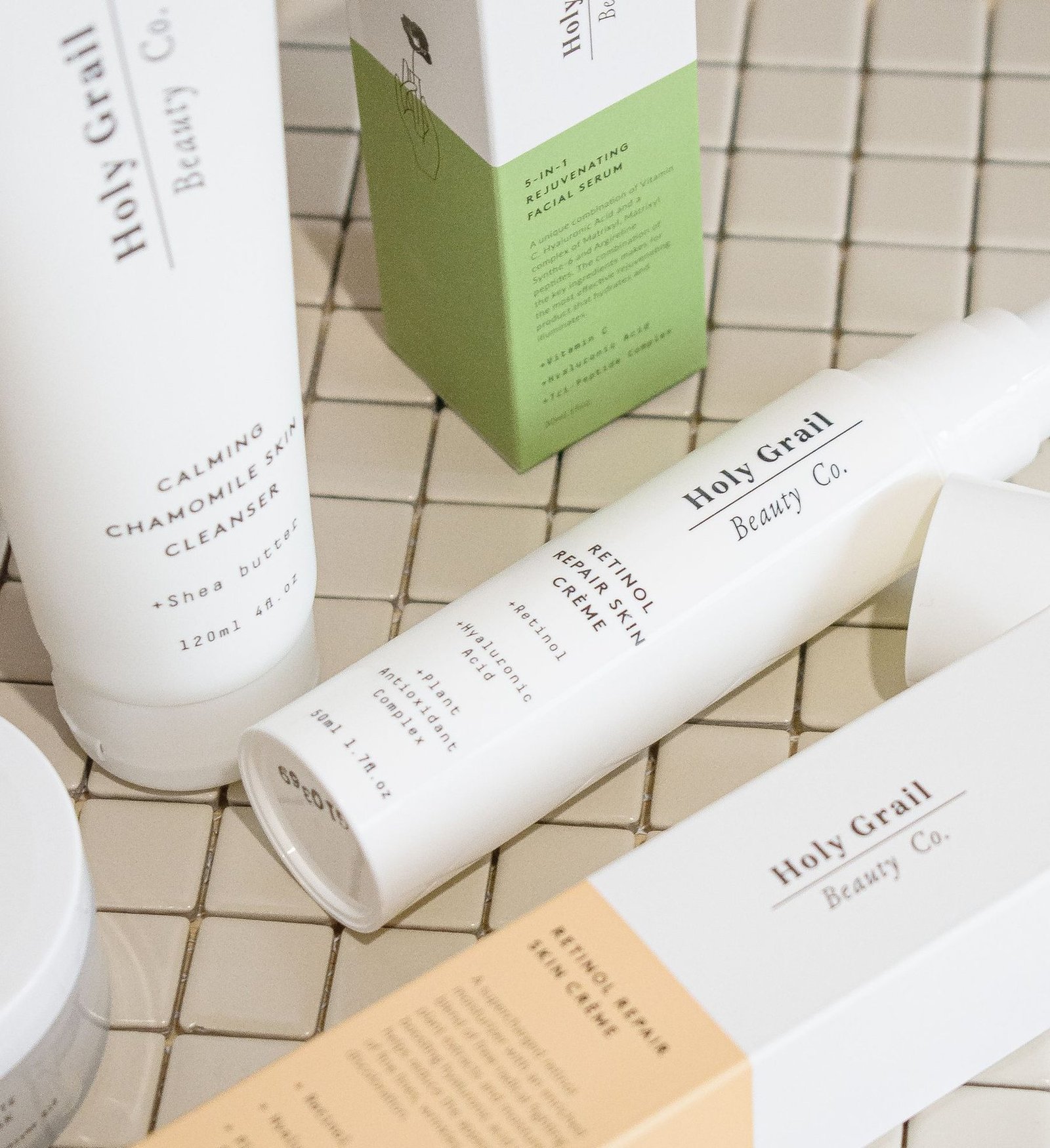
A white, smooth sheet may photograph well but still be unsuitable for the filled weight, carton span, humidity, coating or distribution route. Likewise, a thick board does not automatically create a stronger pack if the structure, grain direction, folds or bottom closure are wrong.
Request the proposed material name, caliper or grammage, coating and construction in writing. Load a production-intent sample with the real product. Inspect the bottom lock, sidewall, tuck flaps and opening force after ordinary handling. For a heavy glass jar, compare a reinforced folding carton with a rigid structure rather than relying on a decorative laminate to carry weight.
If supplier quality systems matter to the sourcing brief, state the exact evidence you need. ISO 22716 provides cosmetics GMP guidelines covering production, control, storage and shipment of cosmetic products, but a packaging quote, logo or paper sample does not prove that any company or item is certified. Verify current scope directly.
6. Over-customizing every SKU before demand is known
Printing a different box structure for every shade, scent or size can fragment purchasing, increase obsolete inventory and make artwork control harder. Early-stage brands often gain flexibility from a shared carton family with versioned labels, sleeves or color-coded graphics.
Separate what must be structural from what can change graphically. The bottle or jar size determines the fit; the variant name, shade or fragrance may be handled by an artwork version or applied label. A shared printed tissue paper can also carry brand cues across gift sets without forcing every retail carton to hold the full visual system.
Compare order economics using the same specification. Setup, version count, finish, sampling, packing and freight all influence landed cost. The custom packaging MOQ guide explains why the lowest printed unit price is not always the lowest-risk buy.
7. Approving the pack without storage and handling checks
Cosmetics may be stored upright, on their side, in humid bathrooms, warm warehouses or bright retail spaces. A clean day-one sample can later reveal oil marks, adhesive lift, odor transfer, scratched decoration or a closure that touches the carton.
Build a documented evaluation with finished goods. Include the production formula, primary component, closure, applied label, insert, tissue and carton. Store samples in relevant orientations and conditions, then inspect leakage, panel distortion, staining, label adhesion, color, odor and ease of opening. Define the duration, conditions and acceptance criteria before testing so reorders can be compared.
8. Testing the retail box but not the shipping packout
A retail carton protecting a jar on a shelf does not prove it can survive parcel delivery. Test the sellable pack inside its intended outer mailer or shipper, with all void fill, cards and bundled items present. The U.S. Postal Service’s Preparing Packages guidance emphasizes a strong container, adequate cushioning and secure closure.
For a formal program, the International Safe Transit Association publishes packaged-product test procedures. Choose a procedure with a qualified lab or packaging professional based on the distribution environment. Record packed weight, orientation, sample count and acceptance criteria. Afterward, inspect leakage, pump activation, cap movement, broken glass, crushed corners, rub and off-center presentation—not only catastrophic failure.
Our mailer box versus shipping box guide can help define the outer format before you request a prototype.
9. Using broad sustainability language without evidence
“Eco-friendly,” “recyclable,” “responsibly sourced” and “plastic-free” are different claims. Foil, lamination, windows, magnets, adhesives and mixed-material inserts can change the end-of-life route. The U.S. Federal Trade Commission’s Green Guides summary advises marketers to avoid broad, unqualified environmental benefit claims and to make qualifications clear and specific.
If FSC-labeled paper is requested, confirm eligible material, chain-of-custody scope and mark approval. The Forest Stewardship Council’s chain-of-custody overview explains how certified material is tracked through the supply chain. Kraft color alone is not proof of recycled content, recyclability or certification.
Quote-ready checklist for custom cosmetic packaging
- Send filled primary components with closures, labels and decoration applied.
- Record maximum dimensions, filled weight and expected manufacturing tolerances.
- Define retail, gift, wholesale and ecommerce distribution routes.
- Identify every SKU and decide what changes structurally versus graphically.
- Reserve label and artwork space for market-specific copy before styling the front panel.
- Specify board, insert, finish, color reference and packing requirements.
- Approve a physical sample and the complete shipping packout.
- Document claim evidence, tests, owners and production acceptance criteria.
This brief makes quotations more comparable and creates a record for quality review. When inputs are still uncertain, ask suppliers to price explicit options rather than silently assuming a material, finish or tolerance.
Frequently asked questions
What should I send a custom cosmetic packaging supplier?
Send filled production components, maximum dimensions, weight, sales route, approved label copy, artwork, quantity by version, target date and required samples or tests. State which elements are fixed and which may change.
How much clearance should a cosmetic carton have?
There is no universal number. Component tolerances, labels, closures, insert geometry, packing method and removal path all affect fit. Approve the finished internal dimensions with several real production components.
Does cosmetic packaging need compatibility testing?
The product owner should evaluate the formula against all primary-pack contact materials and the closure system. The secondary paper carton can be included in storage and odor checks, but it does not replace formula, safety, leakage or stability work.
Which paperboard is best for cosmetic boxes?
Choose by filled weight, carton dimensions, structure, finish, humidity and shipping route. Compare loaded, production-intent samples made from the proposed board rather than selecting by color or grammage alone.
Can I call cosmetic packaging recyclable or sustainable?
Only use specific, supported language for the finished configuration and target market. Review every component and local collection access, then qualify the claim where necessary.
What should I approve before bulk production?
Approve the structural sample, component fit, closure clearance, copy, artwork, barcode, finish, complete shipping packout and a written production specification. Keep the signed reference and inspection criteria for reorders.
Next step: Bring the filled component, dimensions, SKU count, sales route and target quantity to Stowliva’s custom packaging quote form. A useful quotation begins with a measurable brief.
Editorial note: Five newly sourced, licensed real photographs illustrate this article. Product specifications, certification scope and claims must be confirmed for each order.