Candle packaging sourcing guide
Custom Candle Boxes: Will They Protect Glass Jars? 9 Buying Checks
Engineer the carton, insert and shipper around the real vessel—then validate labeling, claims and transit performance.
Short answer: The best custom candle boxes are engineered around the real filled vessel, not a nominal jar size. Measure the maximum width, total height and weight; choose an insert that controls movement without stressing glass; then test the retail carton inside its complete shipping packout. Approve structure, artwork, labeling and finish as one system before production.
A candle box has three jobs at once: present the fragrance, protect a relatively heavy vessel and carry the information a buyer needs. A beautiful mockup can still fail if the jar rattles, the lid touches the carton, the insert grips the glass too tightly or the printed safety panel becomes hard to read. This guide turns the Semrush research theme into a buyer-side approval process for founders, procurement teams and packaging developers.
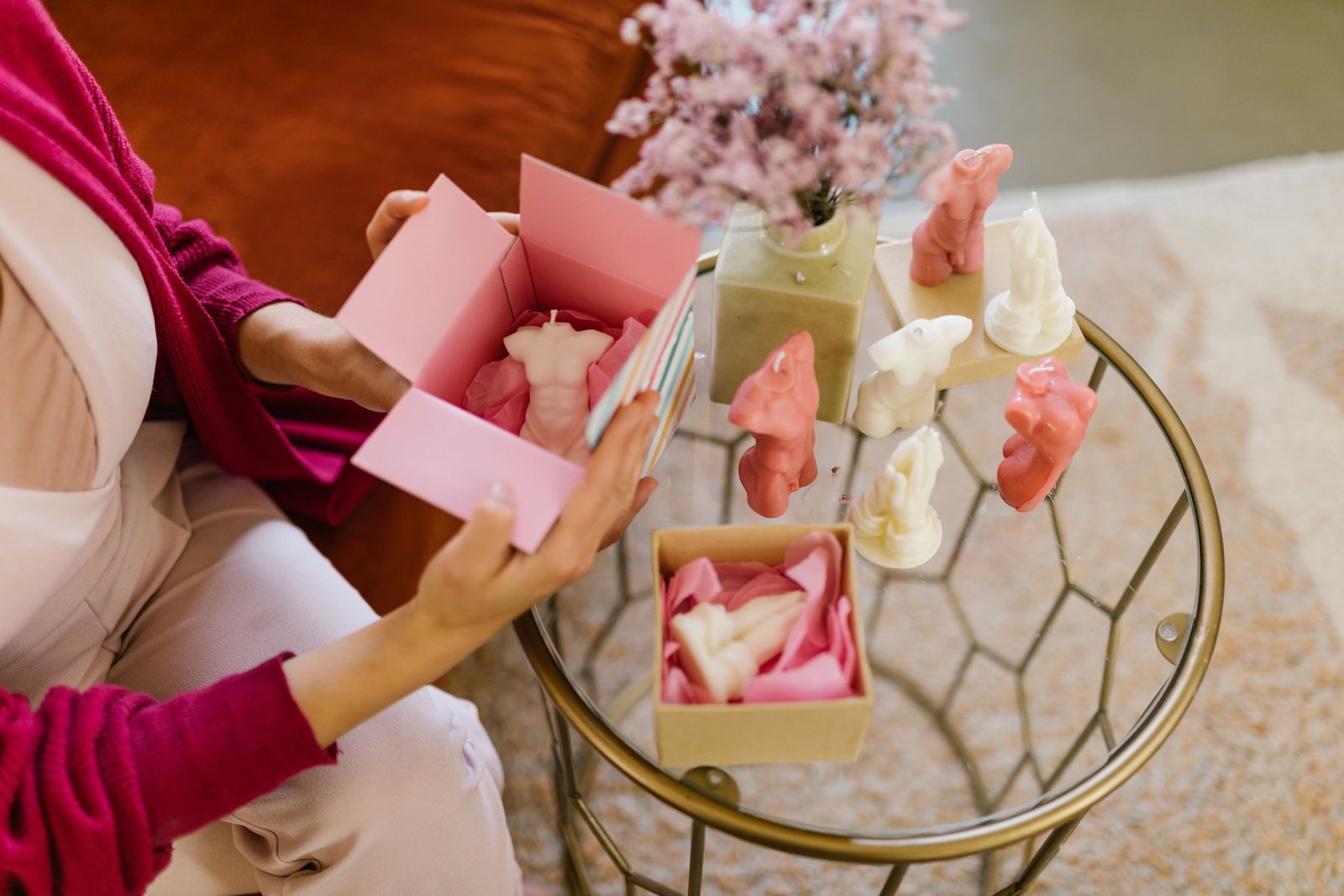
Start with Stowliva’s custom candle boxes when you need a purpose-built retail pack. Add a fitted custom insert for fragile vessels, and use a separate shipping box when the order will travel through a parcel network. Those are separate design decisions, even when one supplier produces all three parts.
Custom candle box formats compared
Use the table as a specification starting point, not a substitute for sampling. Board grade, fiber direction, insert geometry, finish and route-to-customer can change the result.
| Format | Best fit | Strength | Main approval risk |
|---|---|---|---|
| Folding carton | Single lightweight jar or tin | Efficient storage and print area | Panel bowing or a weak bottom lock |
| Rigid lid-and-base box | Premium gifting | Strong presentation and clean reveal | Excess weight, scuffed wrap or loose lid |
| Drawer or sleeve box | Gift-ready unboxing | Controlled opening sequence | Drawer friction and poor pull-tab clearance |
| Corrugated mailer | Direct-to-consumer shipping | Transit protection | Assuming the retail box alone can ship |
| Paperboard insert | Repeatable vessel positioning | Printable, foldable support | Cut edges or tabs pressing the glass |
| Molded fiber insert | Heavier jars and multi-packs | Shaped support and cushioning | Loose tolerance or surface rub |
1. Choosing the outer style before defining the sales route
A shelf carton, gift box and parcel shipper experience different loads. Retail packaging is handled by staff and shoppers; ecommerce packaging sees conveyors, stacking, drops and vibration. Decide whether the candle will be sold in-store, placed inside a gift set, mailed alone or shipped in a multi-unit case before choosing the structure.
If the same SKU serves several channels, define a packaging hierarchy. The primary carton presents the candle. A custom mailer box or outer shipper protects it in delivery. Void control keeps the retail pack from moving inside that shipper. Our mailer box versus shipping box guide explains why those formats are not automatically interchangeable.
The U.S. Postal Service advises shippers to use a strong container, provide cushioning and close packages securely. Its Preparing Packages guidance is a useful baseline, while your carrier and sales channel may add their own rules.
2. Using nominal jar dimensions instead of maximum dimensions
A “three-inch jar” may be wider at the shoulder, lid, seam or decorative label. Record the maximum outside width or diameter, total height with the production lid, filled weight and any protruding feature. Measure several production units because glass, lids and applied labels can vary.
Internal box dimensions are not the same as flat artwork dimensions. They also are not the same as the space left after an insert is installed. Ask the supplier to identify finished internal dimensions and intended clearance. Then place the real candle in a white structural sample. The vessel should load and lift out without scraping, yet should not rattle when the closed box is gently moved.

3. Designing the insert after the carton is finished
The insert determines where weight is carried. A circular cutout can center a jar, but an undersized opening may grip the glass wall while an oversized opening allows repeated impact. Bottom support, side clearance, lid clearance and the customer’s removal path must be considered together.
Prototype the carton and insert at the same time. For a glass candle, check that contact points are broad and smooth, tabs do not land on a weak edge and the customer can lift the product without pulling on the wick, lid or label. For a multi-candle set, prevent jars from striking one another. The packaging inserts guide compares common insert functions and approval questions.
A useful sample review is simple: load the actual candle, close the pack, turn it through several orientations, reopen it and inspect the vessel, label and interior surfaces. This does not replace formal transit testing, but it catches obvious fit errors early.
4. Treating glass weight as a printing decision
Choosing board only by color or print smoothness ignores compression and handling. A filled glass vessel can place concentrated load on the base panel. Box span, grain direction, folds, bottom style, humidity and the insert all influence performance, so a single paper-weight recommendation cannot fit every candle.
Ask for the proposed material name, caliper or grammage, construction and surface finish in writing. Approve a loaded sample made from the intended material. If the candle is heavy, compare a folding carton with a rigid custom gift box rather than adding decorative layers to a structure that is already under-specified.
5. Adding premium finishes without testing the finished pack
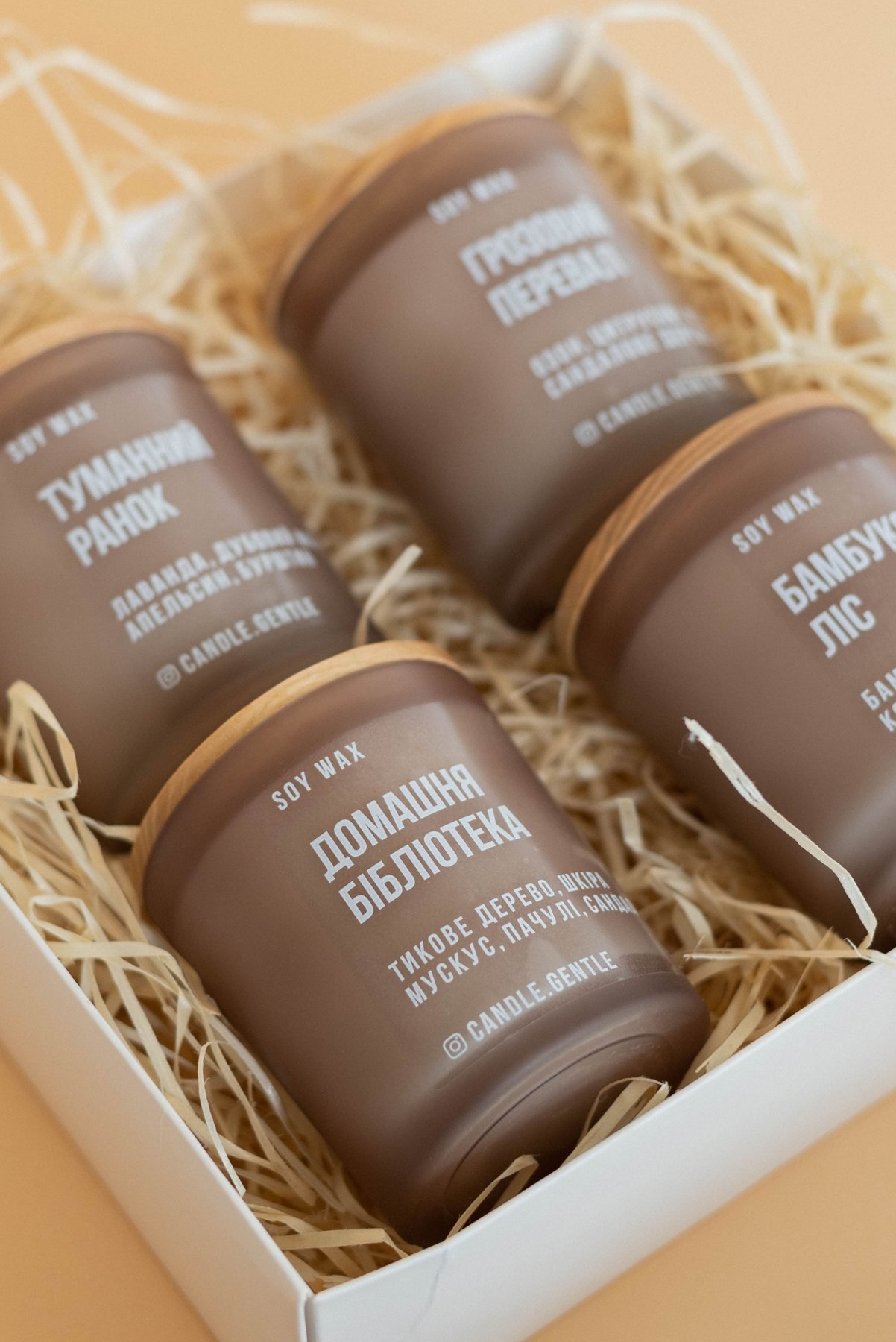
Foil, embossing, debossing, textured paper and soft-touch surfaces can help a fragrance line feel distinctive. They also introduce production tolerances. Fine foil can fill in, deep embossing can distort a nearby fold, dark matte surfaces can show rubbing and wrapped corners can expose glue or lift.
Place artwork on the approved dieline and follow the printer’s minimum line, knockout, bleed and registration limits. The Stowliva artwork guide covers file preparation. Review a physical production-intent sample under ordinary retail light, then pack and handle it as a customer would. A finish earns its cost only if it arrives clean.
6. Forgetting candle safety information and legibility
Packaging decoration must not crowd out required or appropriate safety communication. The U.S. Consumer Product Safety Commission maintains business guidance for candles and a page summarizing voluntary candle standards. ASTM’s F2058 candle fire-safety labeling specification is another source your compliance team may need to review.
The correct requirements depend on product, market and claim. Keep warnings legible at finished size, confirm contrast on the actual substrate and make sure a seal, ribbon or retail sticker will not cover important text. Packaging is not evidence that the candle itself is compliant; product testing, labeling review and market-specific advice remain separate responsibilities.
7. Ignoring oil, fragrance and heat exposure during storage
A clean sample can change after weeks beside a filled candle. Fragrance oil, a loosely fitted lid or residue on the vessel may mark an insert or wrapped board. Warm storage may soften certain coatings or adhesives. Dark uncoated papers can also reveal oily fingerprints during packing.
Run a storage check with production-intent candles and components. Include the label, lid, insert, tissue and any card. Store samples in the orientations and conditions reasonably expected in warehousing and fulfillment, then inspect for odor transfer, staining, adhesion failure, color change and surface marking. Document the duration and conditions so the result can be compared on reorders.

8. Skipping complete-packout transit tests
A jar surviving in a retail carton does not prove it will survive parcel delivery. Test the sellable unit inside the intended shipper with every insert, card and void-fill component in place. The International Safe Transit Association publishes packaged-product test procedures, and ISTA 3L addresses certain ecommerce retailer fulfillment systems. Select a protocol with a qualified lab or packaging professional for the actual distribution environment.
Record pre-test photographs, sample count, packed weight, orientation and acceptance criteria. After testing, inspect not only broken glass but also lid movement, wax marks, scuffed print, crushed corners, insert tears and off-center presentation. A technically unbroken candle may still be commercially unacceptable.
9. Comparing quotes by unit price instead of approved specification
Two quotes are comparable only when size, material, construction, print colors, finishes, insert, packing method, quantity, freight terms and quality criteria match. A lower unit price may exclude a fitted insert, protective packing, sampling or a finish that appeared in the rendering.
Build a written specification from the approved sample. Note allowable tolerances, color reference, logo position, board and insert material, finishing, packing quantity and carton marks. Our custom packaging MOQ guide explains why setup and quantity affect unit economics. Ask Stowliva for a custom packaging quote only after those inputs are clear enough to price.
How to review sustainability claims without overpromising
“Recyclable,” “eco-friendly” and “responsibly sourced” are not interchangeable. Coatings, foil, magnets, adhesives, windows and mixed-material inserts can affect the finished pack and local recovery options. The U.S. Federal Trade Commission’s Green Guides summary explains why environmental claims should be specific, qualified and supported.
If you request FSC-labeled material, understand that the claim depends on eligible material and controlled handling through the supply chain. The Forest Stewardship Council describes this in its chain-of-custody overview. Confirm the supplier’s current certification scope and approval for any on-product mark; do not infer certification from the appearance of kraft paper.

Buyer checklist before approving custom candle boxes
- Measure maximum vessel width, height, filled weight, lid and fragile features.
- Define retail, gift, wholesale and parcel-shipping routes.
- Approve the carton and insert together with a real production candle.
- Confirm removal path, glass contact points and top clearance.
- Review artwork, warnings and contrast at finished size.
- Test the complete packout, not an empty carton.
- Document material, color, finish, tolerance and packing requirements.
- Qualify environmental and certification claims for the finished pack.
That sequence makes the buying decision auditable. It also gives the supplier a clearer brief, reduces subjective disputes and creates a repeatable benchmark for reorders.
Frequently asked questions
How should I measure a candle for a custom box?
Record the vessel’s maximum diameter or width, total height including the lid, filled weight, label thickness and any protruding feature. Measure several units and send a physical sample when possible. The supplier should state the finished internal dimensions and insert clearance separately.
Do candle boxes need inserts?
Not always. An insert is valuable when it controls movement, supports a heavy jar or separates products in a set. It must not create pressure points, scratch decoration or make the candle difficult to remove.
Which board is best for candle packaging?
There is no universal board. Vessel weight, box dimensions, span, structure, humidity, finish and sales route all matter. Compare loaded production-intent samples rather than selecting by grammage alone.
Can I ship a candle in its retail carton?
Do not assume so. Parcel delivery usually needs an outer shipping structure and cushioning. Validate the complete packout against the intended distribution route and acceptance criteria.
What should I approve before bulk production?
Approve structure, dimensions, insert fit, candle removal, artwork, safety information, finish, full packout and a signed production reference. Keep photographs and written specifications for repeat orders.
Can I call the packaging recyclable or FSC certified?
Only when the finished pack and supply chain support the claim. Review every component, local recovery access and mark-use requirements, then use precise, qualified language.
Next step: Bring your candle dimensions, filled weight, sales route and target quantity to the Stowliva custom candle box team. A useful quote begins with a measurable packaging brief.
Editorial note: Five newly sourced, licensed real photographs illustrate this article. Product specifications, certification scope and claims must be confirmed for each order.