Bookshop and publisher packaging
Book Mailers: Rigid Envelope or Wraparound Box? Protect the Corners
Choose the format around the book, jacket and accessories, then check the complete parcel before placing a bulk order.
Book mailers should fit the complete packed book, restrain movement and provide appropriate support at the corners and spine. A rigid envelope is a candidate for thin, flat items; a corrugated wraparound mailer offers adjustable folds around a single volume; a shipping box provides space for cushioning and mixed orders. Compare loaded samples before choosing a format.
A book that arrives with a dented corner can disappoint a reader even when every page is readable. For a signed preorder or illustrated hardcover, the jacket and boards are part of what the customer bought. This guide helps independent publishers and bookshops compare packaging around those details, then brief a supplier with usable measurements.
Which book mailers best protect corners?
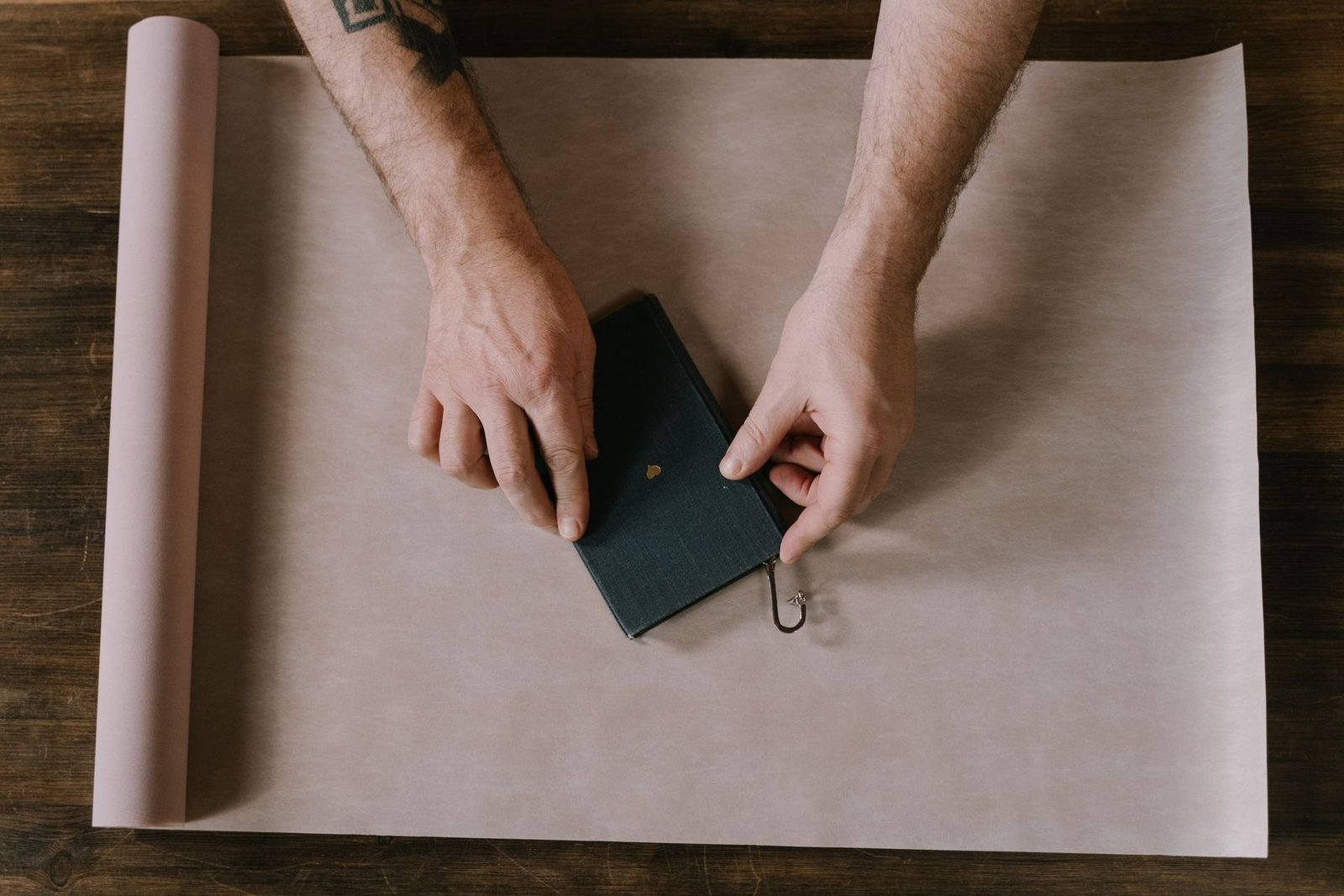
Good fit limits travel without squeezing the book. Compare material between the book corners and the parcel edges, closure pressure and the way the book loads. A wraparound design may add layered edge coverage, while a shipping box can accommodate a separate protective system. Neither format establishes protection without evaluating the finished pack.
Corners fail when a book shifts inside the pack, when a parcel edge takes impact, or when a dust jacket catches against loose packaging. The Library of Congress preservation guide emphasizes preventive storage, environment and handling. It also distinguishes materials for prolonged contact with valuable books. That guidance concerns preservation; the shipping comparisons below are practical design considerations to evaluate with your supplier, rather than Library of Congress transit recommendations.
For Stowliva buyers, the decision should start with the book itself, not the outer carton style. A paperback with square corners, a clothbound hardback with a dust jacket, and a collectible comic all behave differently inside a parcel.
The three main packaging options
Rigid envelopes
Rigid envelopes are flat mailers made to resist bending more than a standard paper envelope. They are useful for slim books, catalogs, zines, and some comic book mailers when the item is already supported by a backing board or internal sleeve. Their main advantage is a slim packed thickness, which can help keep parcels compact.
The tradeoff is edge and corner space. A rigid envelope may have limited internal depth, so the usable inside dimensions must allow the book to enter without forcing the corners. If the book is a tight fit, the corners can press directly against the mailer edge, and any impact may transfer into the cover or dust jacket.
Rigid envelopes also need a movement check. If the book can slide from one side to the other, the spine and fore edge can take repeated knocks. For thin items, a snug paper wrap, belly band, or insert can help limit travel before the envelope is sealed.
Corrugated wraparound mailers
Corrugated wraparound mailers fold around the book, with folded panels that can provide layered edge coverage. These cardboard book mailers are worth comparing for single books because the flaps can be sized to the book’s thickness and the structure can create layered protection at the corners.
For corner damage, the design goal is controlled fit. The mailer wraps the item instead of asking the item to fit into a fixed-depth pocket. For spine damage, the wrap can support the long edge and help restrain the book from pivoting inside the parcel.
Dust jackets still need attention. A glossy or soft-touch jacket can scuff if it rubs against corrugated material during transit. For premium hardcovers, consider a paper wrap, tissue, or custom insert before the book goes into the mailer. Stowliva’s custom book boxes are a relevant starting point when you want packaging designed around book trim size, thickness, and presentation.
Shipping boxes
Shipping boxes offer additional layout options when a book needs cushioning, multiple items are packed together, or merchandise is included. They provide room for void fill, inserts, and separation between the book and the outer wall. UPS packaging guidance advises choosing a rigid box and using appropriate cushioning to protect contents, while also filling empty space to limit movement. (UPS packaging guidance)
The main risk with book shipping boxes is over-sizing. Too much empty space can let the book slide, twist, or strike a corner unless the void is controlled. FedEx explains that dimensional weight relates to the space a package occupies, so right-sizing matters for shipping efficiency as well as protection. (FedEx dimensional-weight explanation)
For boxed orders, compare Stowliva custom shipping boxes and custom mailers with inserts using the actual order. For an opening style that folds closed, also evaluate custom mailer boxes. A presentation box and a transit pack can have different specifications.

Which book mailer should you sample first?
These are starting points for a sample comparison, not performance ratings. Keep the same book and accessories in each candidate so the comparison is useful.
Order type | Candidate to evaluate | Corner protection | Spine and dust-jacket notes | Movement control | Watch-out |
|---|---|---|---|---|---|
Thin paperback or zine | Rigid envelope | Check edge clearance and bending with the actual item | Spine can knock if the item slides | Add a wrap or backing board | Avoid forcing the book into the usable inside dimensions |
Single trade paperback | Corrugated wraparound mailer | Inspect folded layers at each corner | Wrap should support the spine edge | Choose a depth that closes snugly | Too much internal height can still allow shifting |
Hardcover with dust jacket | Wraparound mailer or box | Wraparound works if fit is controlled; box adds space for cushioning | Protect jacket from rubbing with paper or sleeve | Use snug folds, insert, or void fill | Dust-jacket corners can catch if packaging is loose |
Signed, collectible, or limited edition | Shipping box | Evaluate with an internal wrap or insert | Allows separation from the outer wall | Use inserts or tightly placed fill | Do not let presentation packaging become the only protection |
Comics or magazines | Rigid comic book mailers or flat corrugated mailers | Needs flat corner support | Use boards or sleeves where appropriate | Prevent sliding inside the mailer | Bending resistance matters as much as edge fit |
Book plus gift merchandise | Shipping box | Separate hard items from book corners | Keep merch away from jacket and spine | Use dividers or inserts | Verify USPS Media Mail eligibility separately |
Measure usable inside dimensions and packed thickness
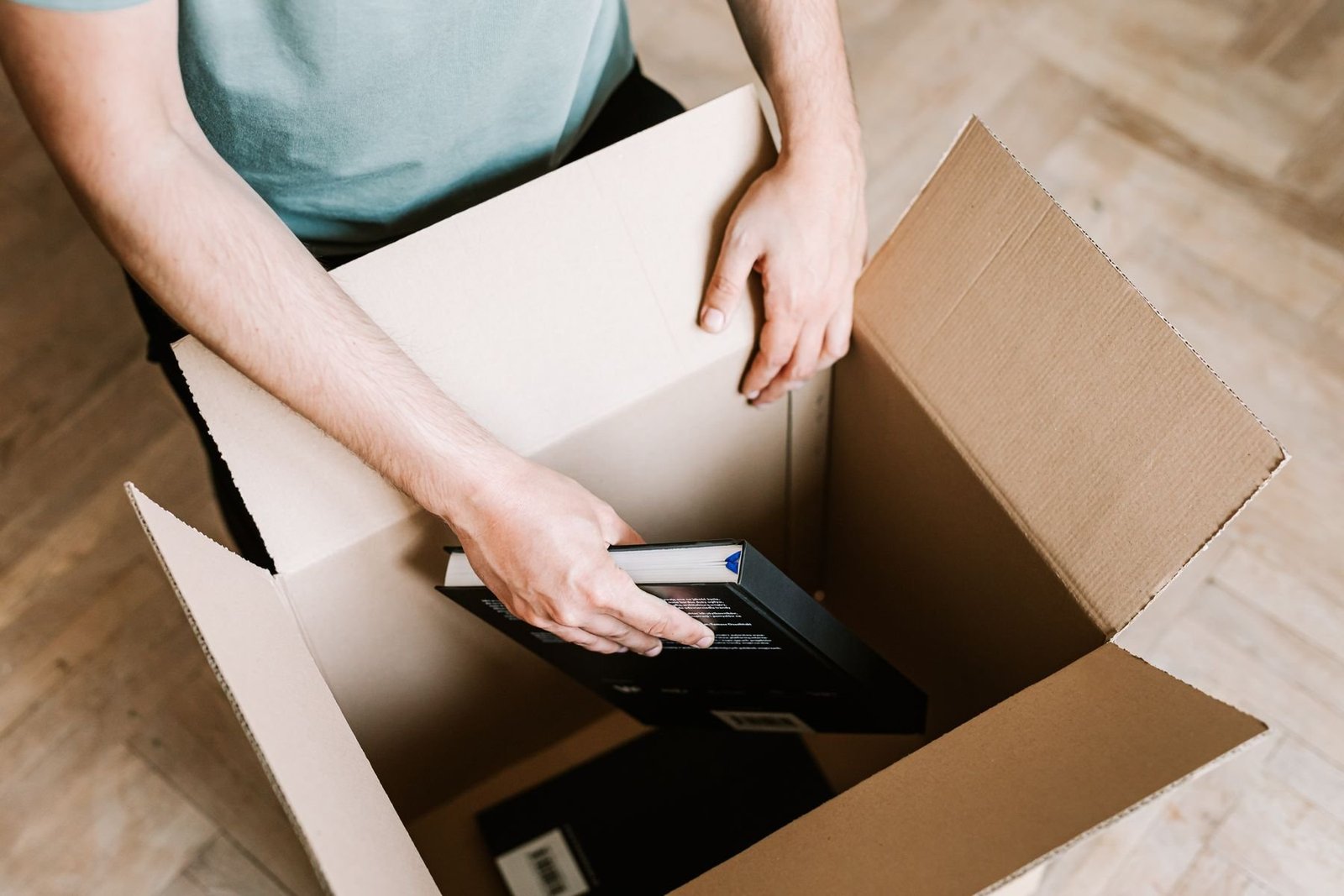
Usable inside dimensions are the real working space inside the mailer after folds, material thickness, and closure pressure are considered. They are not just the flat blank size. A book may technically fit inside a mailer but still be poorly protected if the corners press into the crease or if the packed thickness strains the closure.
When comparing book mailers, check four measurements:
- Book trim size: height and width of the finished book.
- Book thickness: spine width, including jacket bulk if present.
- Protection allowance: paper wrap, sleeve, board, insert, or cushioning.
- Closure allowance: the space needed for the mailer to close without bowing.
Adobe notes that print bleed should be set when artwork extends to the paper edge, and that print providers may specify bleed requirements. For custom printed Stowliva packaging, confirm dielines, bleed, trim, and safe areas before approving artwork so logos, barcodes, or cover graphics do not land on folds or cut lines. (Adobe print-bleed tutorial)
A worked fit example for one hardcover preorder
Illustrative example, not a production specification: imagine an independent publisher shipping a signed hardcover preorder. The book has a dust jacket, a promotional bookmark, and a thank-you card. The goal is to protect the jacket corners and keep the signed book from moving.
A rigid envelope is probably too flat unless the book is very slim and already protected by an internal wrap. A corrugated wraparound mailer may work if the inside panel area gives the book enough height and width, and the adjustable depth closes without compressing the boards. A shipping box may be better if the publisher wants tissue wrap, a branded insert, or separation between the book and the outer wall.
Suppose the bare book is 240 × 170 × 28 mm, while the complete wrapped book and card measure 244 × 174 × 32 mm. A cavity specified only to the bare-book dimensions would already be too small. Give the supplier the measured packed size, then agree any additional loading and protection allowance through a physical sample. Do not treat these example numbers as a recommended universal clearance.
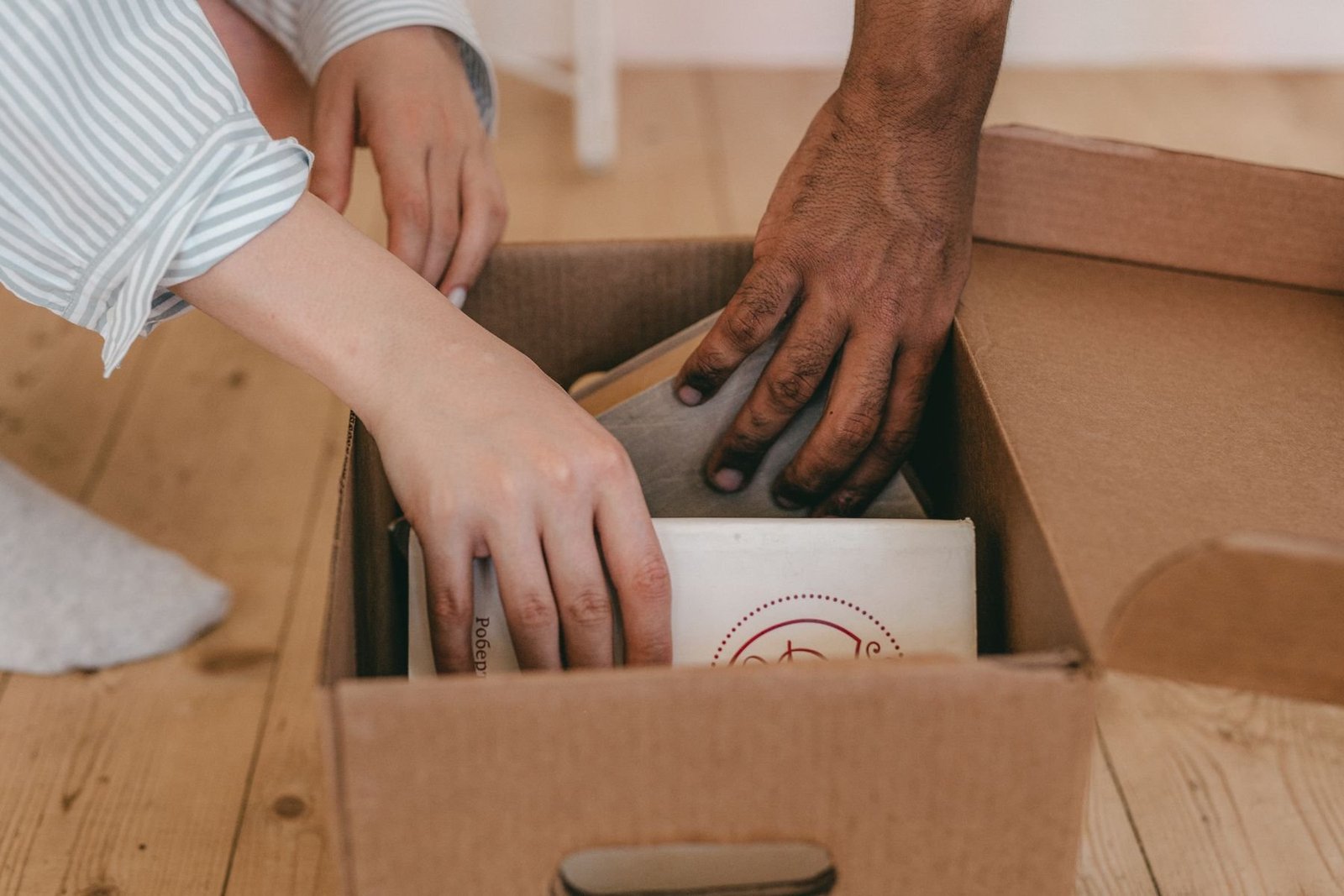
For a prototype, pack one complete order exactly as a customer would receive it. Include the book, jacket, bookmark, card, label, and any branded wrap. A gentle movement check can expose obvious gaps. If you feel the book slide, revise the restraint. A quiet parcel can still fail in distribution; this check is not a transit test.
Loaded prototype checklist
Before ordering cardboard book mailers in quantity, build a loaded prototype rather than judging the empty mailer.
- Fit: The book enters without crushed corners, bowed boards, or pressure on the spine.
- Packed thickness: The closure sits flat and does not spring open.
- Corner coverage: Every book corner has material between it and the parcel edge.
- Spine support: The spine cannot pivot into an empty corner.
- Dust-jacket safety: The jacket does not scrape against rough corrugated surfaces.
- No movement: The closed parcel does not allow sliding, rattling, or twisting.
- Label area: The address label sits on a flat, readable surface.
- Opening experience: The customer can open the parcel without cutting into the book.
- Artwork placement: Printed graphics avoid folds, seals, labels, and tear strips.
This checklist applies whether you are evaluating Stowliva custom mailer boxes, wraparound-style book mailers, or a more protective shipping carton.
Evaluate the complete parcel before scaling
A simple in-house parcel test will not replace a formal lab procedure, but it can reveal obvious problems before you commit to production. ISTA lists test procedures for packaged products, including procedures for parcel delivery shipments, and its materials can help teams think more systematically about distribution hazards. (ISTA test procedures)
Use this practical plan for early screening:
- Pack a real order. Use the final book, final insert, final wrap, and final closure method.
- Photograph the book first. Capture corners, spine head and tail, jacket edges, and any signed page.
- Handle the parcel from all sides. Turn it, stack it, and check whether the contents shift.
- Run a short trial shipment. Send samples to yourself or trusted staff using the services you expect customers to choose.
- Inspect on arrival. Compare the book with the original photos and note corner dents, jacket rub, spine pressure, or crushed edges.
- Revise one variable at a time. Change the mailer size, insert, wrap, or box style, then test again.
Keep notes by title format. A solution that works for a light paperback may not work for a heavy art book, and comic book mailers may need a different flatness and board-support strategy than prose hardcovers.
USPS Media Mail considerations for bookshops
For U.S. domestic orders, evaluate packaging and postal eligibility separately. The phrase “book mailer” describes a package; it does not establish eligibility for a USPS service. USPS states that Media Mail eligible books must meet content standards, including printed-page and advertising restrictions, and USPS also notes that Media Mail pieces are not sealed against postal inspection. (USPS Media Mail content standards)
Gift merchandise can affect eligibility. If you add candles, mugs, tote bags, stationery, toys, or other non-book merchandise to a book order, do not assume the parcel still qualifies for Media Mail. USPS allows certain incidental enclosures, but those are limited in nature, so verify the current USPS Media Mail rules separately before building a bundle workflow. (USPS Media Mail content standards)
The packaging choice still matters either way. A compact wraparound mailer may suit a single eligible book, while a mixed gift order may require a shipping box with dividers to stop hard merchandise from damaging the cover.

Send a quote brief that describes the loaded order
A clear quote brief helps Stowliva recommend the right structure and avoid guesswork. Include enough detail for the packaging to be designed around the loaded parcel, not just the book’s trim size.
- Book formats: paperback, hardcover, board book, comic, art book, or mixed catalog.
- Largest and smallest sizes: include height, width, and spine thickness for each key format.
- Typical order configurations: single book, two books, book plus bookmark, book plus gift item, subscription bundle.
- Damage concerns: corner dents, spine crushing, dust-jacket scuffing, bending, or internal movement.
- Preferred packaging type: rigid envelopes, corrugated wraparound mailers, book shipping boxes, or a comparison prototype.
- Branding needs: outside print, inside print, label zone, barcode area, opening message, or unprinted kraft.
- Artwork readiness: dieline needs, bleed setup, color expectations, and safe-area concerns.
- Fulfillment method: hand packing in a shop, warehouse packing, kitting, or preorder campaign.
- Testing plan: whether you want samples for internal trial shipments before approving production.
When you are ready to compare options, submit the details through Stowliva’s request a quote page and include photos of your current packaging if you have them.
Use the packaging sample kit to compare available material feel, then request a prototype built around your books. For further detail, read the packaging inserts guide and mailer versus shipping box comparison. A general material sample does not validate a custom book parcel.
For each approved format, keep a packing photograph and a dated specification identifying the book, wrap, insert, mailer and closure. If a new edition changes the board size, spine thickness or accessories, review the pack again before fulfillment.
Book Mailers: frequently asked questions
Are rigid envelopes suitable book mailers?
They can be candidates for thin, flat items when the complete pack provides appropriate fit and support. Evaluate bending, edge clearance and movement with the actual book before approving the format.
When should I sample a corrugated wraparound mailer?
Sample one when adjustable folds and layered panels may suit a single volume. Check the packed thickness, corner coverage and closure without squeezing the boards or spine.
When should I use a shipping box for books?
Compare a shipping box when the order needs additional cushioning, several volumes, a presentation box or separation from merchandise. Evaluate the loaded construction and its protective system.
How do I measure for book mailers?
Measure the complete wrapped book including its jacket and accessories. Give the supplier the packed length, width, thickness and weight, then agree loading and protection allowances through a physical sample.
Does a book mailer qualify a parcel for Media Mail?
No. Packaging style does not establish postal eligibility. Check the actual contents, enclosures and current USPS requirements separately, especially when including non-book merchandise.
About this guide: Prepared by Stowliva Editorial using the linked references, reviewed October 20, 2026. Reference photos show independent applications. Confirm specifications for your order.