Cookie packaging buying guide
Cookie Packaging: Bags or Boxes? 7 Checks Before You Order
Choose bags, liners and boxes around your recipe, then test the complete pack before a bulk order.
Cookie packaging usually works in layers: a suitable primary bag or liner manages food contact and freshness, a presentation box organizes the cookies, and a shipping carton protects the complete order in transit. Choose the first layer around the recipe and storage conditions, then approve the complete pack with real cookies before ordering.
Which is better for cookie packaging: bags or boxes?
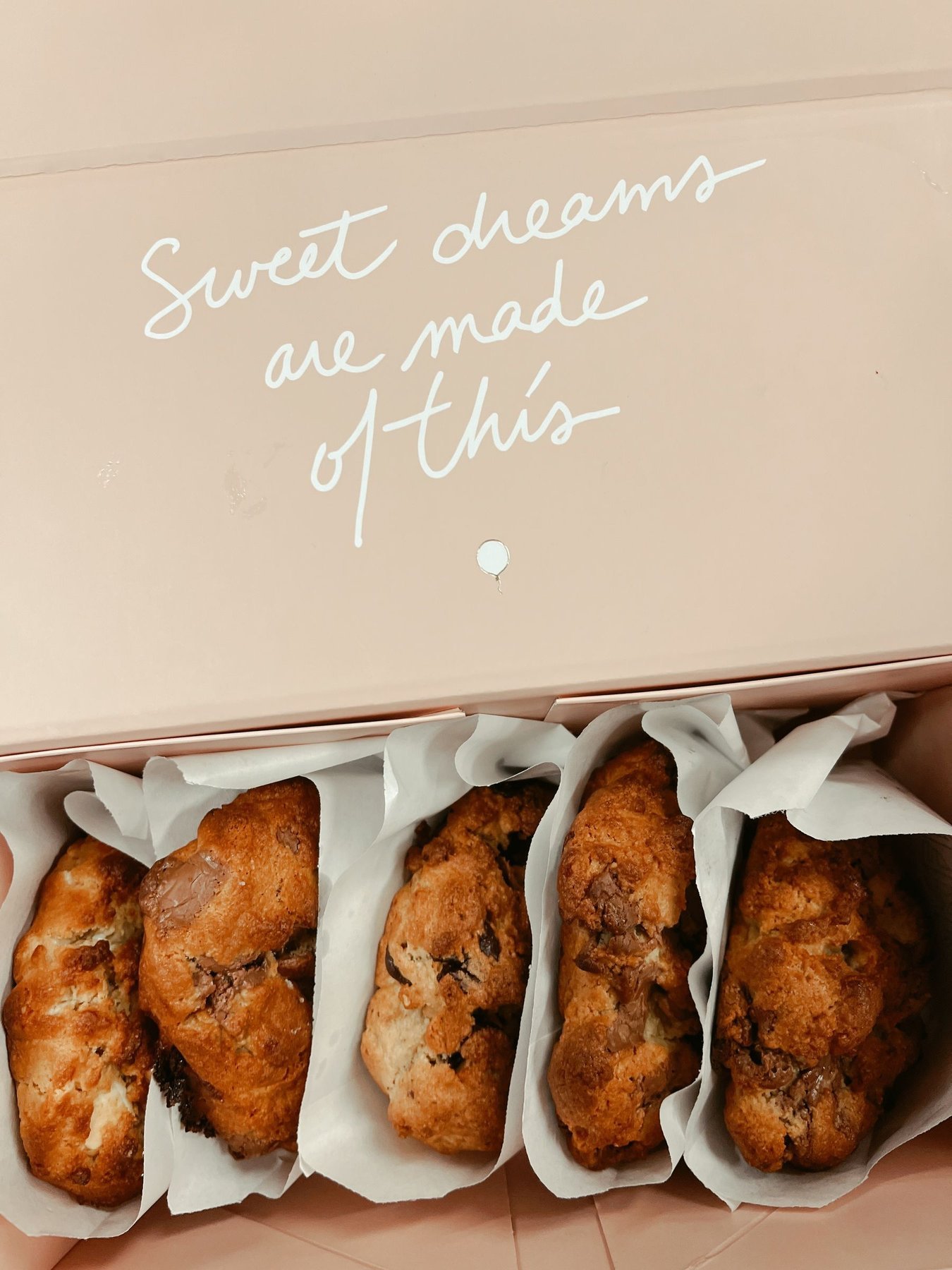
A sealed bag and a box do different jobs. A bag can provide a freshness barrier when its material and seal match the product. A box provides a surface for branding and a structure for presentation. An outer shipping carton and suitable internal protection may also be needed for parcel delivery.
For bakery counters, a simple food-contact bag may suit a short handover. For corporate gifts, decorated-cookie sets and ecommerce orders, combine the layers that the product needs. A lid, ribbon or paper sleeve does not by itself establish an airtight seal, a shelf life or protection against parcel handling.
| Format | Useful role | Check before ordering |
|---|---|---|
| Sealed primary bag | Portioning, freshness management and containing crumbs | Finished material, food-contact documentation, sealing process and storage performance |
| Paper or glassine sleeve | Handling and presentation around suitable cookies | Grease resistance and intended contact; do not assume it is a moisture barrier |
| Display box | Branding, gifting and arranging an assortment | Usable dimensions, liner, lid clearance and stacking |
| Box with fitted insert | Defined positions for decorated or differently shaped cookies | Actual baked sizes, bag thickness and contact with decoration |
| Outer shipping carton | Transport structure around the inner pack | Complete packout, cushioning, closure and route-specific testing |
Stowliva’s custom treat boxes and custom bakery boxes are starting points for discussing the presentation format. Confirm the material, liner and intended food contact for your order. This guide does not establish the suitability of a particular stock specification.
Check 1: Start with cookie texture and moisture behavior
A crisp shortbread, a soft chocolate-chip cookie and an iced sugar cookie need different evaluations. Record the texture you want the customer to experience, the time between packing and opening, and the expected storage conditions. Then compare samples of the actual recipe in the proposed primary pack.
King Arthur Baking’s documented cookie-shipping trial recommends choosing sturdy cookies and packing different types carefully. Use that practical experience as a starting point for your own recipe trial. Do not infer a universal shelf life from a bag name or a successful shipment of someone else’s cookies.
For mixed gift boxes, evaluate each cookie separately before combining them. Keep moist and crisp varieties in their own suitable sealed packs when the assortment requires it. Record changes in texture, aroma, grease marks and appearance over the intended period. Packaging tests should use normal production variation, including the thickest and most delicate cookies.
Check 2: Confirm the primary pack before the display box
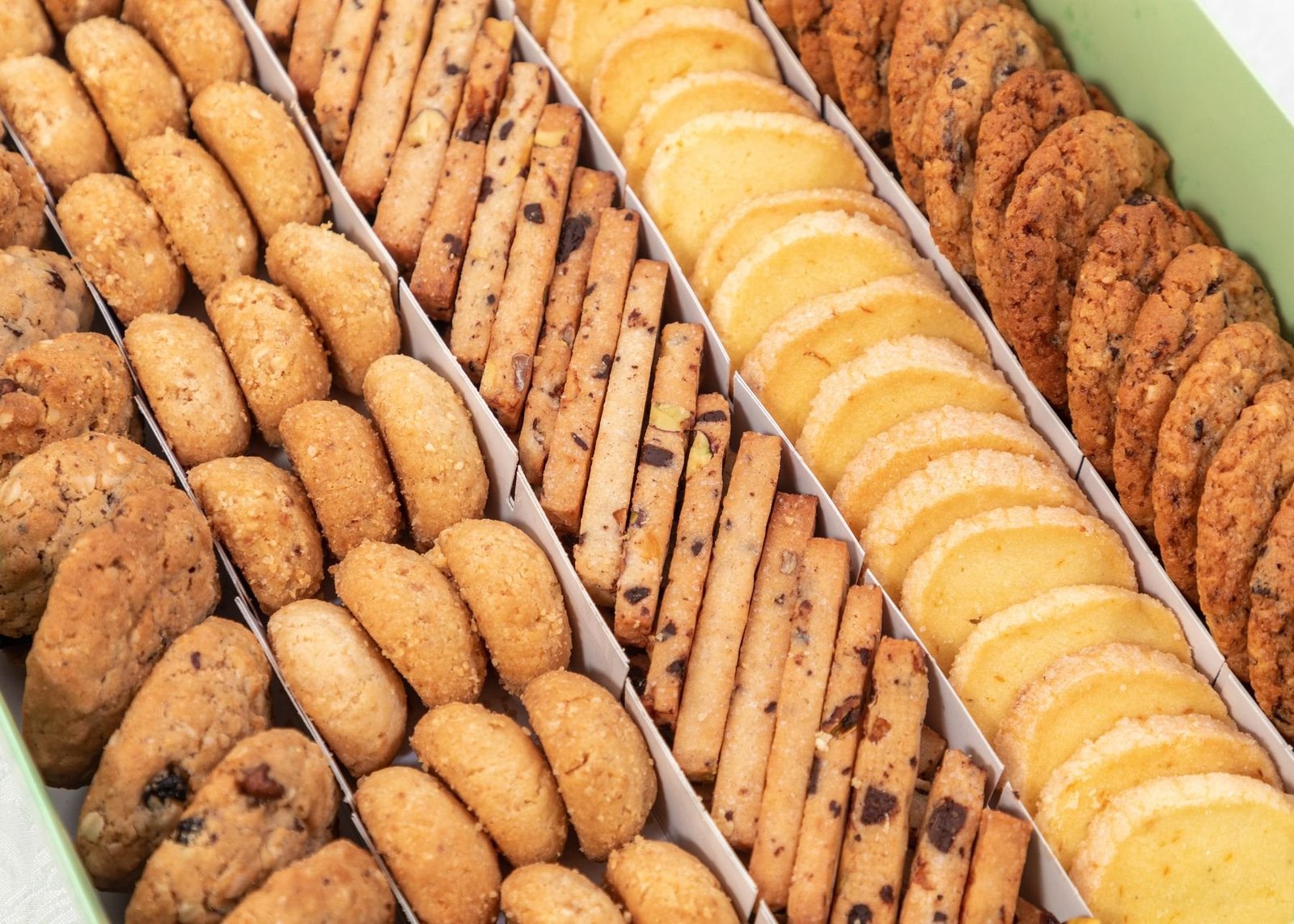
The primary pack is the layer directly around the cookie. It may be an individual sealed bag, a shared pouch, a liner or the box itself when cookies are placed directly on the board. Define this layer before specifying the outer box; bag seams and folded liners change the space you need.
The FDA’s explanation of food-contact substances includes packaging components such as adhesives and colorants. Intended use matters. Ask the supplier for documentation relevant to the finished construction, contact conditions, food type and target market rather than treating a paper description as approval.
Include the recipe’s oils, coatings and filling in the brief. If a grease-resistant liner is needed, ask what the liner is made from and how it will be used. A sheet that keeps a gift box looking tidy may still lack the barrier required for the planned storage period. Keep decorative print and loose presentation fill outside the primary food-contact layer unless specifically documented for that use.
Check 3: Cool cookies fully before packing
FedEx’s cookie-shipping guide advises cooling cookies and sorting them by flavor and texture before wrapping. Build those checks into the packing instructions. For iced or dipped products, also verify that the finished decoration can tolerate the chosen bag and handling process.
Do not define readiness only by minutes after the oven. Compare a normal batch at the packing station, then examine retained packed samples for condensation, softening, decoration transfer and unwanted odors. Document the process that worked with your recipe. Sensory checks help evaluate quality; they do not replace any required food-safety or shelf-life validation.
A useful packing record identifies the recipe, bake batch, cooling procedure, packaging version, sealing setup and storage conditions. If a seasonal recipe or filling changes, repeat the relevant checks. The previous approval may no longer describe the product being shipped.
Check 4: Give decorated cookies their own clearance
Decorated cookies are sensitive to rubbing and pressure. Measure the finished cookie after icing or dipping, including its highest point. When cookies are bagged individually, measure the packed cookie and the position of the bag seam too. An insert that fits a plain biscuit can press against a raised decoration.
Ask for a sample of the proposed custom insert with the box. Check loading, removal, the closed lid and the opening sequence. Look for bent bag seams, pressure points and small cookies that can escape a cavity. Avoid describing an insert as protective until the complete design has been evaluated for the intended handling.
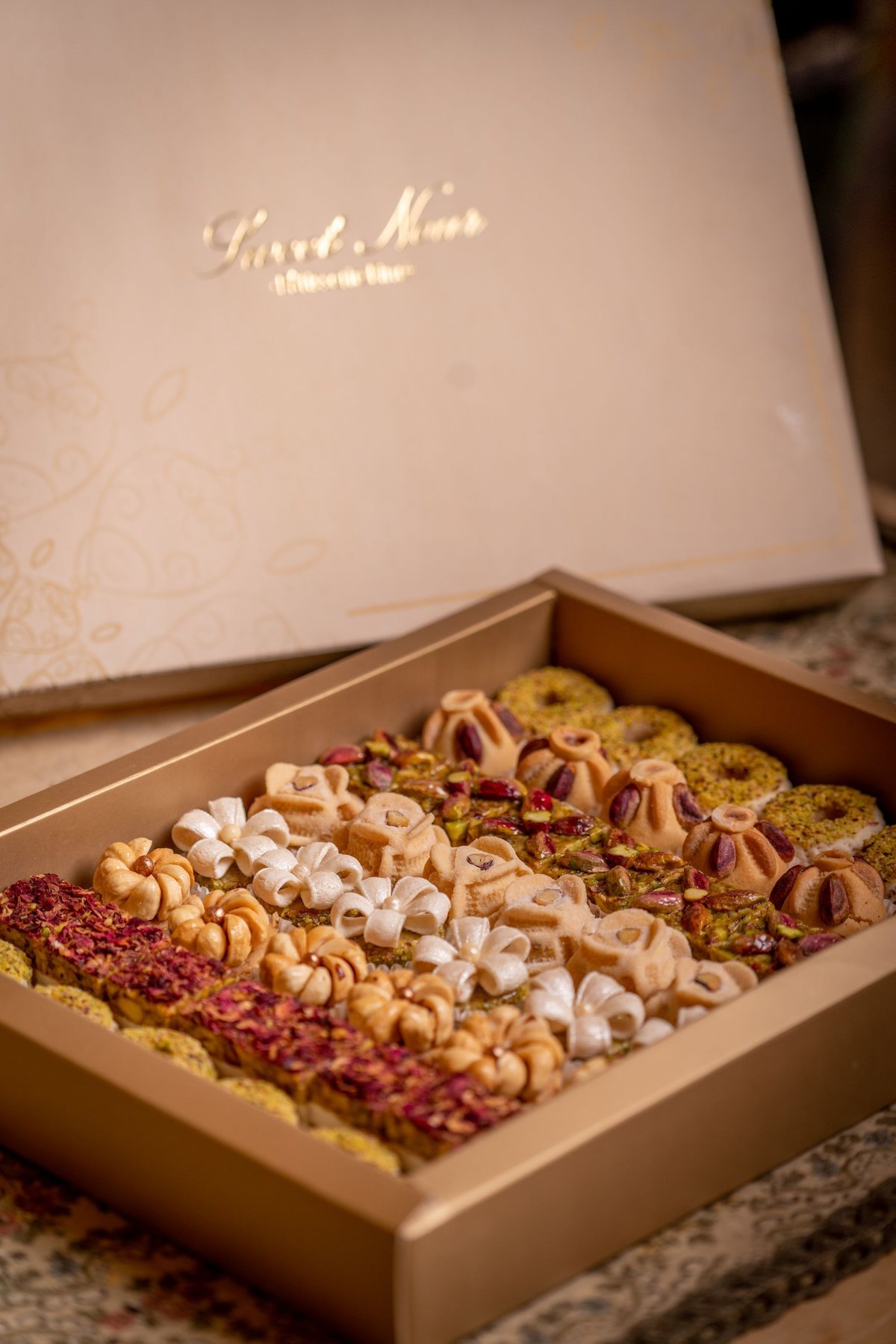
For an assortment, give the supplier a position map rather than an average cookie dimension. Identify each shape, quantity and orientation. Include normal baking variation and tell the packer which substitutions are allowed. Read the packaging inserts guide for more detail on comparing structures.
Check 5: Design the parcel around the inner box
A retail gift box is not automatically a shipping box. Start the parcel design after the primary pack, presentation box and insert are defined. Use the actual loaded inner box to determine the outer carton and the space needed for its protective system.
UPS packaging guidance emphasizes a suitable rigid box, cushioning and secure sealing. Use the instructions relevant to your chosen carrier and service. Keep ribbons and decorative ties on the inner gift package, and reserve a clear, flat outer surface for the shipping label.
Compare custom shipping boxes with your real cookie pack. Inspect for movement, broken edges, decoration transfer and crushed corners after a controlled pilot. A gentle movement check can expose obvious gaps, but it does not demonstrate transport performance.
For higher-risk shipments, ask a packaging specialist to select an appropriate documented test. ISTA distinguishes screening and simulation procedures for packaged products. Specify the outcome you need and the distribution route; do not label an informal trial as ISTA certification.
Check 6: Approve artwork on the assembled box
A flat design can hide a fold through a logo, text covered by a ribbon, or a window touching a cookie. Place the artwork on the supplier’s approved dieline. Check the printed sample closed, open and packed before signing off the production version.
Adobe’s print-bleed guide explains extending artwork past the finished trim. Follow the printer’s required bleed and safe areas. Keep essential text away from folds, glue zones and cutouts, then compare the assembled sample with your artwork preparation checklist.
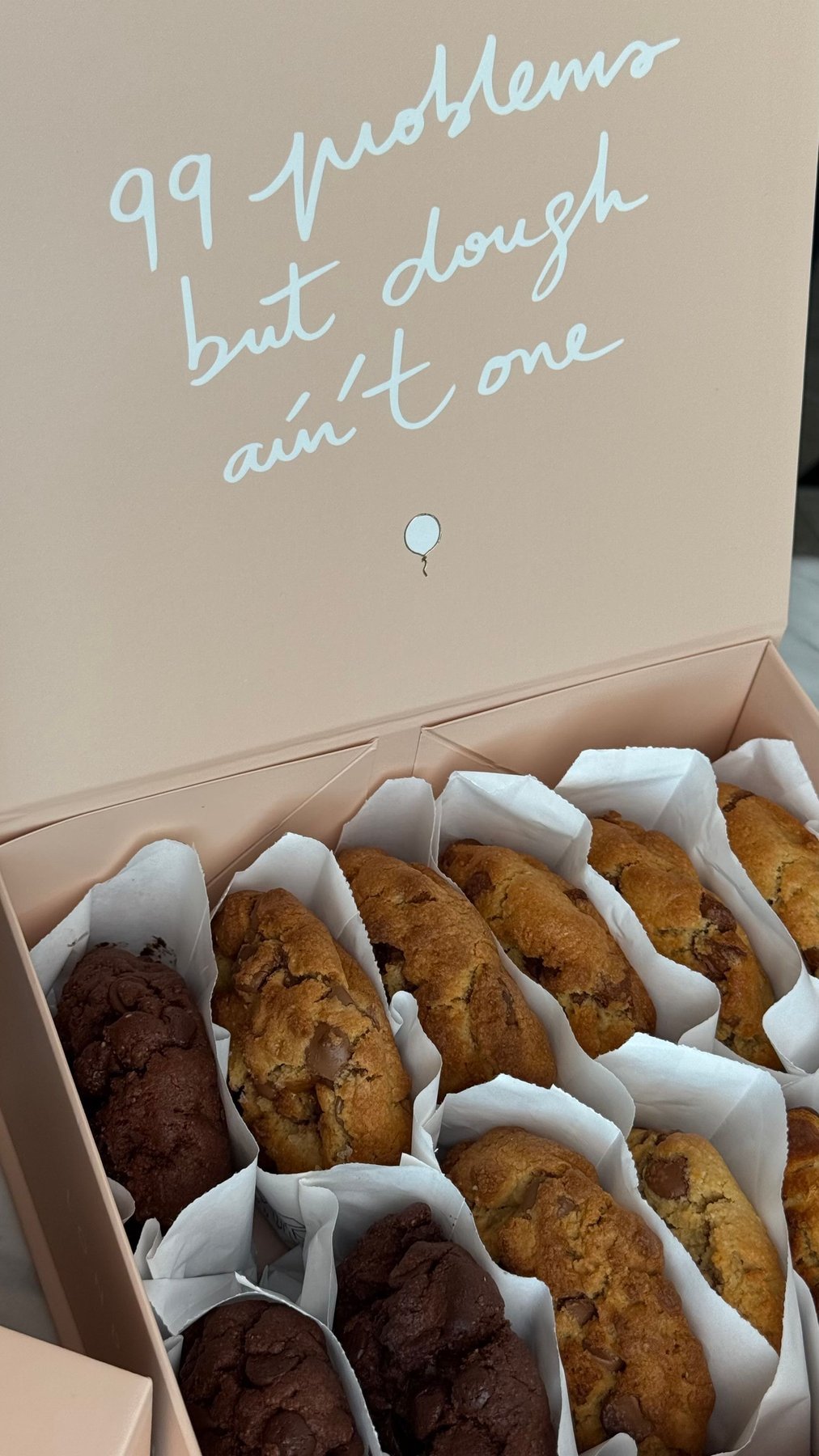
For seasonal gifting, keep the main box design usable beyond one event where practical. A separate card or label can carry the campaign message. Approve its placement so it does not obstruct opening, cover required product information or interfere with the primary seal. Separate packs also do not replace allergen controls or the labeling required for your market.
Check 7: Send a complete quote brief and approve samples
The supplier needs more than a cookie count and a photograph. Send a clear brief that describes the product, the job of each packaging layer and the conditions the pack will encounter. Ask suppliers to state what their proposal includes so you can compare like-for-like quotations.
- Product: recipe type, finished dimensions, normal variation, decoration and weight.
- Pack: quantity per box, individual bags, liner, insert, opening style and intended food contact.
- Sales route: counter collection, retail display, local delivery, parcel network or wholesale cases.
- Artwork: colors, print areas, window, label, card, ribbon and language versions.
- Order: quantities per design, delivery destination, target dates and expected repeat orders.
- Approval: material documentation, printed sample, loaded sample and agreed checks before production.
Use the Stowliva packaging sample kit to compare available material feel, then request a custom loaded prototype when fit and protection need approval. A general sample kit does not validate a food-contact construction or establish the performance of your cookie pack.
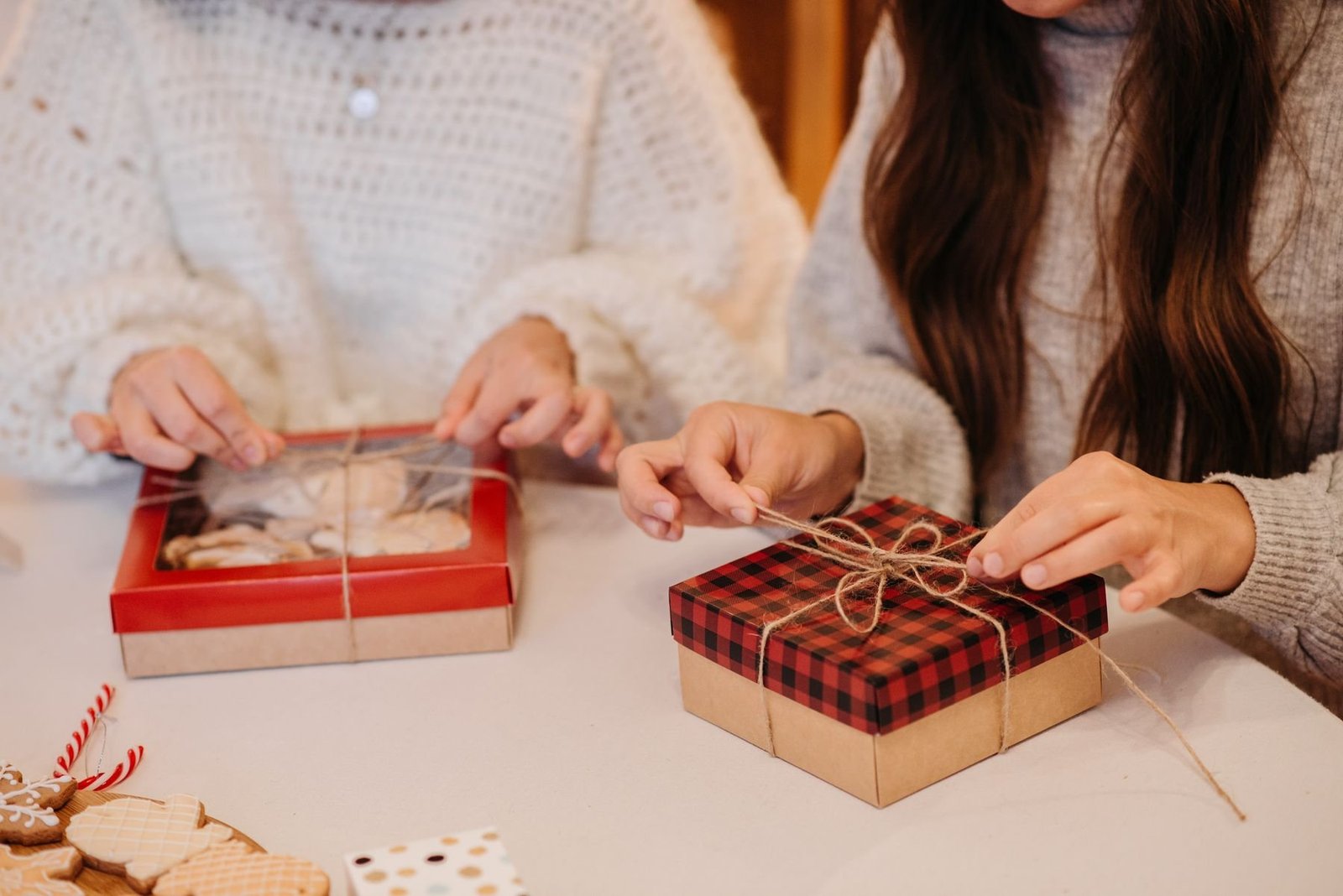
Keep one approved sample with a dated specification and a packing photograph. Record which bag, liner, insert and carton versions belong together. If a component changes, review the effect before using it for a production run.
Send Stowliva your cookie packaging brief with the recipe type, dimensions, quantity, destination and sample requirements. For the outer-box decision, see the mailer box and shipping box comparison. Choose the freshness layer first, build the presentation around it, and evaluate the complete parcel before scaling.
Cookie Packaging: frequently asked questions
Do cookies need a bag and a box?
They serve different functions. A suitable sealed primary bag can manage freshness, while a box provides presentation and structure. Choose the combination around the recipe, storage period and delivery route.
Will a paper box keep cookies fresh?
A paper box alone does not establish an airtight seal or a shelf life. Evaluate the actual primary pack, seal, recipe and storage conditions before making a freshness claim.
Can I put cookies directly in a printed box?
Only use a construction documented as suitable for the intended food contact. Confirm the finished board, print, coatings, adhesives and any liner for the cookie type and target market.
What packaging works for decorated cookies?
Evaluate individual primary packs, sufficient clearance and an insert that positions the finished cookies without rubbing the decoration. Approve the loaded box and complete shipping package.
What should I send for a cookie packaging quote?
Send the cookie type, finished dimensions, decoration, pack count, quantities, destination, sales route, food-contact requirements and artwork. Include sample and performance checks in the brief.
About this guide: Prepared by Stowliva Editorial using the linked references, reviewed October 18, 2026. Reference photos show independent applications. Confirm specifications for your order.