Monthly subscription packaging guide
Custom Subscription Boxes: Will One Box Fit Every Month?
Build a box system for the products you send each month, with stable artwork, suitable support and a practical stock plan.
Custom subscription boxes can use one size across several months when every planned product set fits securely with suitable support. When products vary widely, compare two sizes using the complete packed parcel, assembly time, storage and delivery cost. Start with the smallest, largest and heaviest planned kits, then test the options before ordering a long run.
Will one box fit every month?
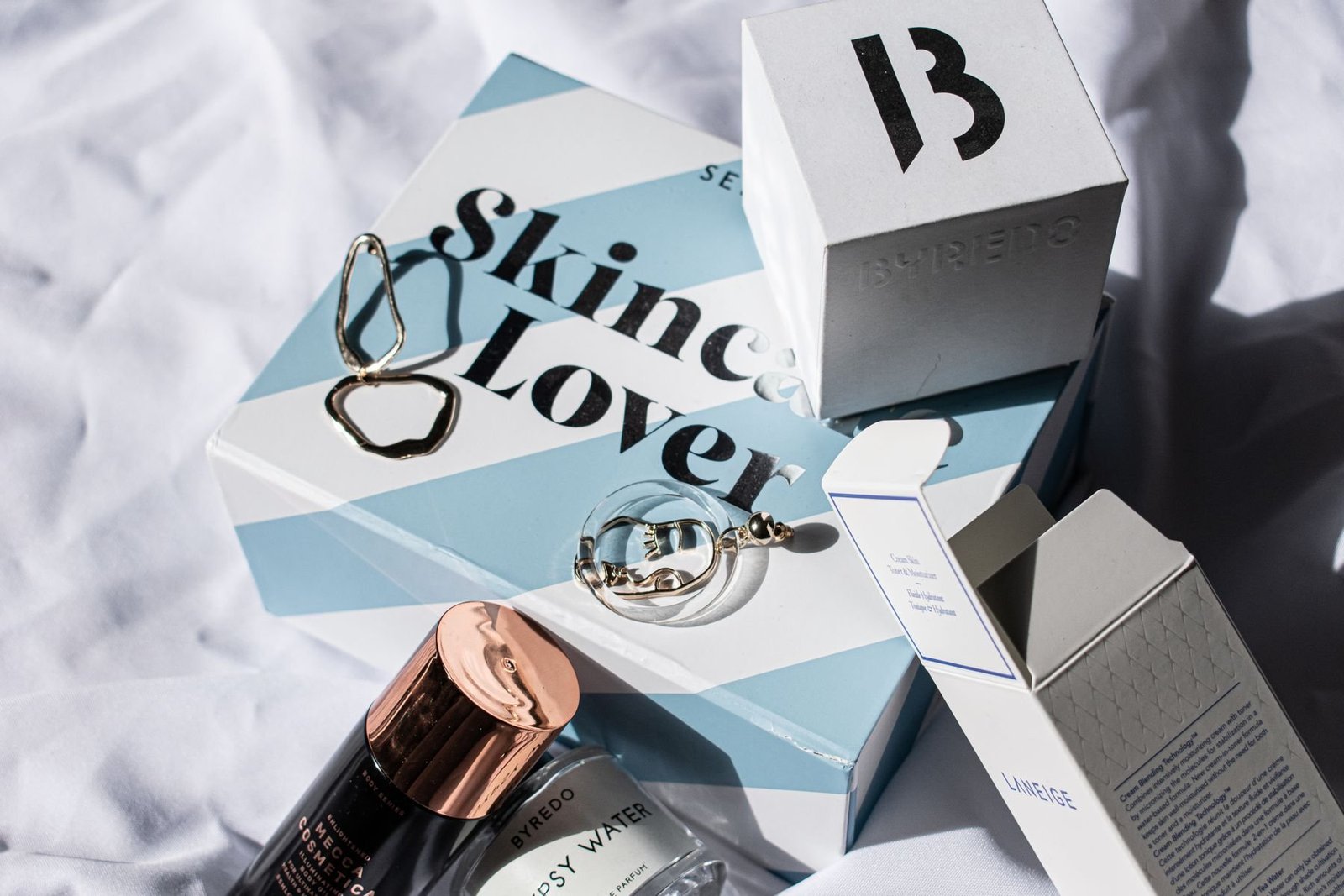
One evergreen box can work when the product range is predictable and the insert can adapt. Two sizes are worth testing when one carton leaves too much empty space in light months or cannot accommodate the largest set. Neither option establishes protection by itself: compare loaded prototypes with the actual contents.
Concise direct answers:
- Use one evergreen box when brand consistency, simple inventory, fast packing, and predictable SKUs matter most.
- Use two box sizes when monthly products vary enough that the large box would regularly ship air.
- Do not decide from product dimensions alone; measure the packed order with tissue, insert, card, protection, and label area included.
- Treat packaging as a system: outer box, insert, closure, artwork, carrier rules, and warehouse process all affect the result.
The two main packaging strategies
Monthly brands usually choose between an evergreen box with adaptable interiors or a small family of box sizes. Both can work for custom printed subscription boxes; the difference is operational discipline.
| Option | Best fit | Pros | Cons | Watchpoint |
|---|---|---|---|---|
| One evergreen box + modular inserts | Similar monthly assortments, gifts, beauty, wellness, accessories | One printed box to manage, consistent unboxing, simpler reorder planning, fewer pick errors | Can waste space in light months, may need more insert design, can trigger higher freight if oversized | Calculate dimensional weight before approving the size |
| Two box sizes for changing products | Programs with rotating hero items, seasonal kits, mixed weights | Better fit by month, less void fill, potential freight savings, better protection for small months | More inventory lines, more forecasting, more artwork/version control | Keep artwork stable so two sizes still feel like one brand system |
Stowliva’s custom mailer and shipping-box guidance notes that mailer boxes are often used for compact ecommerce and subscription orders, while shipping cartons can suit larger or mixed-item shipments; final performance still depends on board, dimensions, closure, and internal support. (stowliva.com)

Build a three-month size and weight matrix
Use real subscription box ideas from your calendar, not averages. The “average” month is rarely the one that fails in transit or costs too much to ship.
Hypothetical sample matrix for planning only:
| Month | Illustrative contents | Product arrangement L × W × H | Product weight | Question for prototype |
|---|---|---|---|---|
| January | Serum, flat pouch, card | 7 × 5 × 2 in | 0.8 lb | Can a smaller mailer retain each item? |
| February | Candle, soap, booklet | 8 × 6 × 4 in | 2.4 lb | How much space does protective support add? |
| March | Robe, jar, card set | 11 × 8 × 5 in | 3.1 lb | Does the largest layout need a separate size? |
These invented numbers show the range of contents; they do not specify finished box dimensions or cushioning clearance. Build the support first, then measure the closed parcel. A protective insert, glass jar and folded robe can change usable space and orientation. Check each normal variation before defining your size family.
Modular paper inserts versus fixed cavity inserts
Modular paper inserts are folded, slotted, or layered pieces that can be adjusted for different monthly products. They are useful when your assortment changes but your outer box stays stable. A beauty box might use a folded bridge for a tube one month and a divider wall for two small jars the next.
Custom fixed cavity inserts are built around specific product shapes. They can create a polished reveal and strong product retention, especially for bottles, jars, electronics, candles, or fragile kits. The trade-off is flexibility: when the SKU changes, the insert may no longer fit.
| Insert type | Advantages | Disadvantages | Best use |
|---|---|---|---|
| Modular paper inserts | Flexible, lighter inventory, easier monthly variation, often easier to revise | May look less tailored, requires packer training, may not restrain heavy items | Rotating SKUs, soft goods, light accessories |
| Fixed cavity inserts | Precise presentation, strong positioning, repeatable loading | Less adaptable, possible tooling/change costs, leftovers if product changes | Stable hero products, fragile sets, premium launches |
For custom inserts, send the real product dimensions, unit weights, orientation and expected monthly changes. Confirm the proposed material, structure and sample. A modular design may be adaptable, but it still needs approval for each intended product combination.

Stable artwork with monthly insert cards
A strong subscription system separates what should remain stable from what should change. Keep the outer box artwork evergreen: logo, brand color, opening moment, and core message. Then put monthly storytelling on low-risk pieces such as insert cards, care cards, recipe cards, collection notes, or QR cards.
Evergreen artwork keeps undated boxes usable for later campaigns when the specification still fits. Put the monthly story on a separate card. Adobe’s bleed guide explains extending artwork beyond trim; follow the printer’s requirements and check folds, glue areas and readable type on the assembled sample.
Coordinate printed tissue and monthly cards around the same brand colors. Use tissue for presentation and surface separation; choose the insert and cushioning for their protective job. Read the tissue paper buying guide when planning sheet size and folds.
Cost per safely delivered box
Do not compare “box A costs less than box B” in isolation. Compare the delivered, packed, undamaged outcome.
Total cost per accepted delivery = total batch costs ÷ deliveries received in the agreed condition. Sum packaging purchases, inbound delivery, outbound parcel freight, assembly labor, setup, storage, unusable leftovers and rework or replacement costs over the same period. Use batch totals in the numerator, not a mixture of unit costs and totals. Keep product cost separate unless your comparison explicitly includes it.
Hypothetical example for 1,000 monthly shipments:
| Cost factor | One evergreen box | Two box sizes |
|---|---|---|
| Box + print | $1.20 | $1.10 blended |
| Inserts/void fill | $0.45 | $0.30 |
| Packing labor | $0.55 | $0.65 |
| Inbound packaging freight | $0.18 | $0.22 |
| Parcel freight impact | $6.80 | $6.25 |
| Leftover/change allowance | $0.12 | $0.18 |
| Illustrative cost per dispatched order | $9.30 | $8.70 |
The table uses invented unit allowances to illustrate a comparison; it is not a Stowliva quote or a forecast of successful deliveries. The listed amounts total $9.30 and $8.70 per dispatched order, before any separately tracked item such as a replacement product or additional decoration. Use actual quotes and pilot results to decide whether a size change saves money.
FedEx’s dimensional-weight explanation shows how parcel volume can affect billable weight. Measure the outside of the sealed parcel, compare it with actual weight, and check the applicable service and contract. A smaller empty box price does not by itself mean a cheaper delivered order.
Pilot test before full implementation
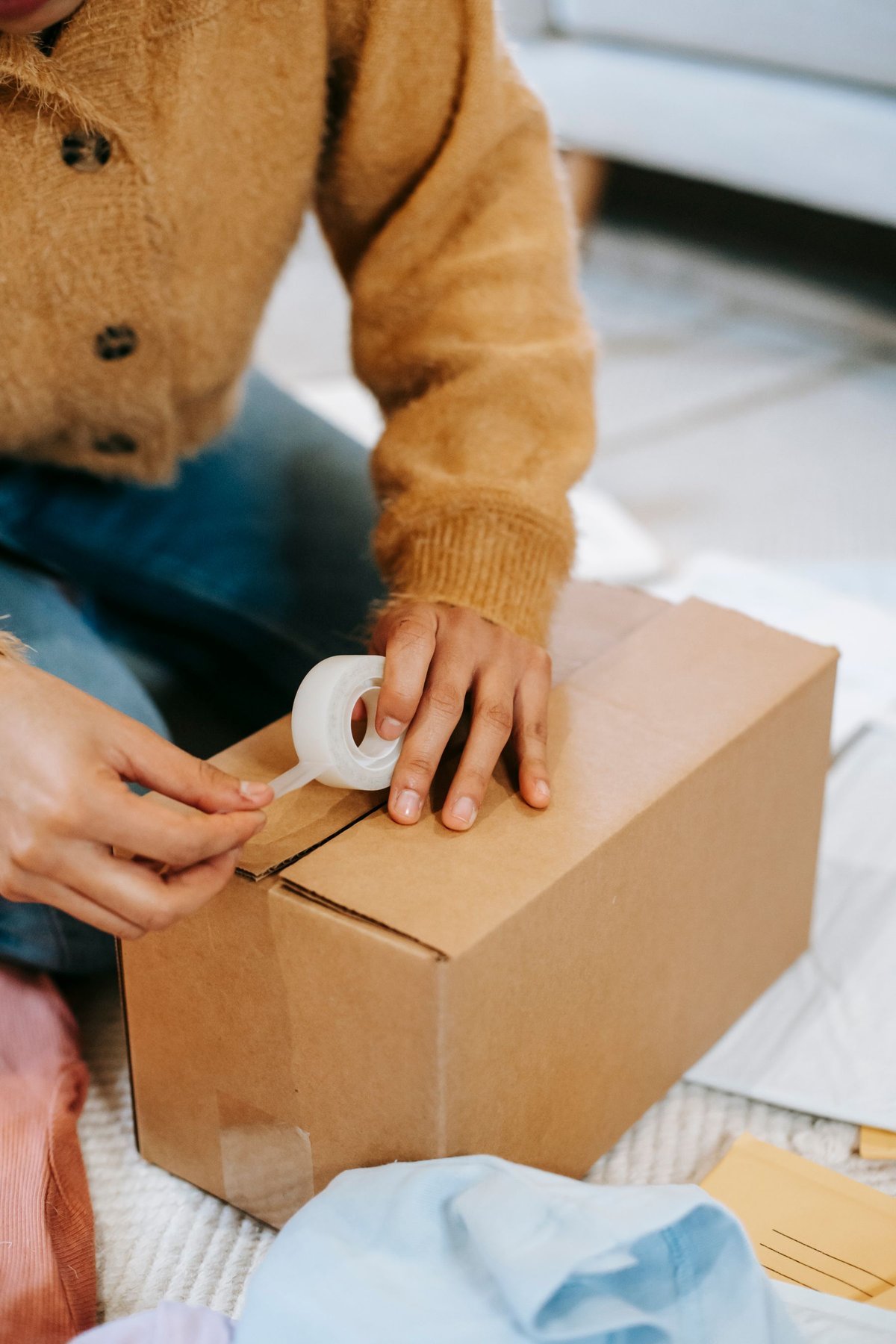
A pilot prevents a beautiful but expensive mistake. Test at small scale before ordering months of custom subscription boxes.
- Select three representative months: lightest, heaviest, and largest planned kits.
- Pack each option: one evergreen box with modular inserts, plus the two-size route.
- Time the packing process: record assembly, product loading, sealing, label placement, and rework.
- Measure final parcels: capture outside dimensions and actual weight for freight modeling.
- Inspect the sample: check loading, movement, surface scuffing and the opening sequence. These observations can find design problems, but they do not demonstrate transport performance.
- Use formal testing where risk warrants it: ISTA test procedures include screening, partial simulation, and general simulation options for packaged-products, depending on the desired outcome. (ISTA’s test procedure overview)
- Score the result: damage, movement, appearance, labor time, material waste, storage space, and total cost.
UPS’s packaging guidance covers outer-box selection, cushioning, secure sealing and labels. Apply the instructions for your carrier and service. Ask a packaging specialist to choose a suitable documented transport test for the finished pack, especially when glass, liquids or heavy products are included.

Reorder point formula for packaging materials
Packaging stockouts interrupt fulfillment, but overbuying creates dead materials when products change.
Reorder point = (average daily packaging use × supplier lead time in days) + safety stock
Hypothetical example:
- Average daily use: 80 boxes/day
- Supplier lead time: 25 days
- Safety stock: 400 boxes
- Reorder point: (80 × 25) + 400 = 2,400 boxes
If you split into two sizes, calculate each separately. For example, if the small box uses 50/day and the large box uses 30/day, their reorder points should reflect their own demand, not the combined subscription count.
Useful Stowliva paths for sourcing
- Custom mailer boxes — use when the box is part of the reveal and the monthly kit is compact.
- Custom shipping boxes — use when products need a flap-style outer carton or more transport-focused structure.
- Custom inserts — use for modular or fitted product positioning inside the box.
- Printed tissue paper — use as a branded presentation layer, not as the main cushion for fragile items.
- Sample kit — use to compare material feel before production.
- Request a quote — send dimensions, product weights, artwork, quantities, destination, and monthly variation.
Stowliva lists custom and stock packaging across tissue, labels, tags, mailers, boxes, samples, and related categories, which makes it practical to brief the whole subscription system rather than one component at a time. (stowliva.com)
Plan monthly dispatches as batches
The daily-use reorder formula is a simplified planning tool. Many subscriptions dispatch in a concentrated monthly wave, so an average can hide a stockout just before packing starts. Build a dated schedule of component demand, expected receipts and usable stock. Review box, insert and monthly card separately because each can have a different lead time.
Calculate inventory position as usable stock plus confirmed incoming stock minus stock already allocated to planned kits. Compare it with the demand due before the next realistic receipt, then add an allowance based on your demand and supply variation. Count obsolete printed cards and damaged boxes separately. Do not treat them as usable stock just because they remain on the shelf.
Keep material claims specific
FSC distinguishes FSC 100%, FSC Mix and FSC Recycled labels. Ask for documentation covering the selected finished packaging and permitted label use before printing a mark. A brown board color does not establish fibre content or certification.
FTC environmental claims guidance calls for evidence and appropriate qualification. Review the box, coating, insert, label, tape and tissue as separate components, then describe disposal for the agreed construction and destination. Avoid universal recycling or composting promises.
Make the monthly handover repeatable
Approve a master packed sample for every planned assortment, together with a photograph showing product positions, card placement and closure. Name the box and insert versions on the packing sheet. Keep outdated versions away from the active packing area, and identify the person who can approve a substitute when a product or packaging component arrives late.
Use the packaging sample kit to compare available materials, then approve the custom structure with real contents. For more detail, read the packaging inserts guide and mailer versus shipping box comparison. Send Stowliva a three-month packaging brief with dimensions, product weights, expected quantities, destination and the one-size or two-size options you want to compare.
Custom Subscription Boxes: frequently asked questions
Can one box size work for every monthly subscription?
It can when every planned assortment fits with suitable support and the resulting parcel remains practical to pack and ship. Compare the smallest, largest and heaviest kits before approving a size.
When should I test two subscription box sizes?
Test two sizes when product variation changes usable space, protection, packing time or freight. Compare actual loaded prototypes and total costs rather than deciding from empty box prices.
Are modular inserts better than fitted cavities?
Modular inserts can adapt to changing products, while a fixed cavity can suit a repeated product shape. Neither guarantees protection. Approve the material and construction with each intended assortment.
How do I keep monthly packaging fresh without reprinting the box?
Use undated brand artwork on the outer box and put the monthly message on a separate card or other replaceable component. Confirm that the stock still matches each month’s contents.
What should I send for a subscription packaging quote?
Send planned product combinations, dimensions and weights, quantities per design, destination, expected dispatch dates, insert needs and artwork. Ask to compare one-size and two-size prototypes where appropriate.
About this guide: Prepared by Stowliva Editorial using the linked references, reviewed October 17, 2026. Reference photos show independent applications. Confirm specifications for your order.