


Showing all 14 results
-
Acid Free Tissue Wrapping Paper with Custom Logo & Color
Price range: $239.00 through $3,789.00 -
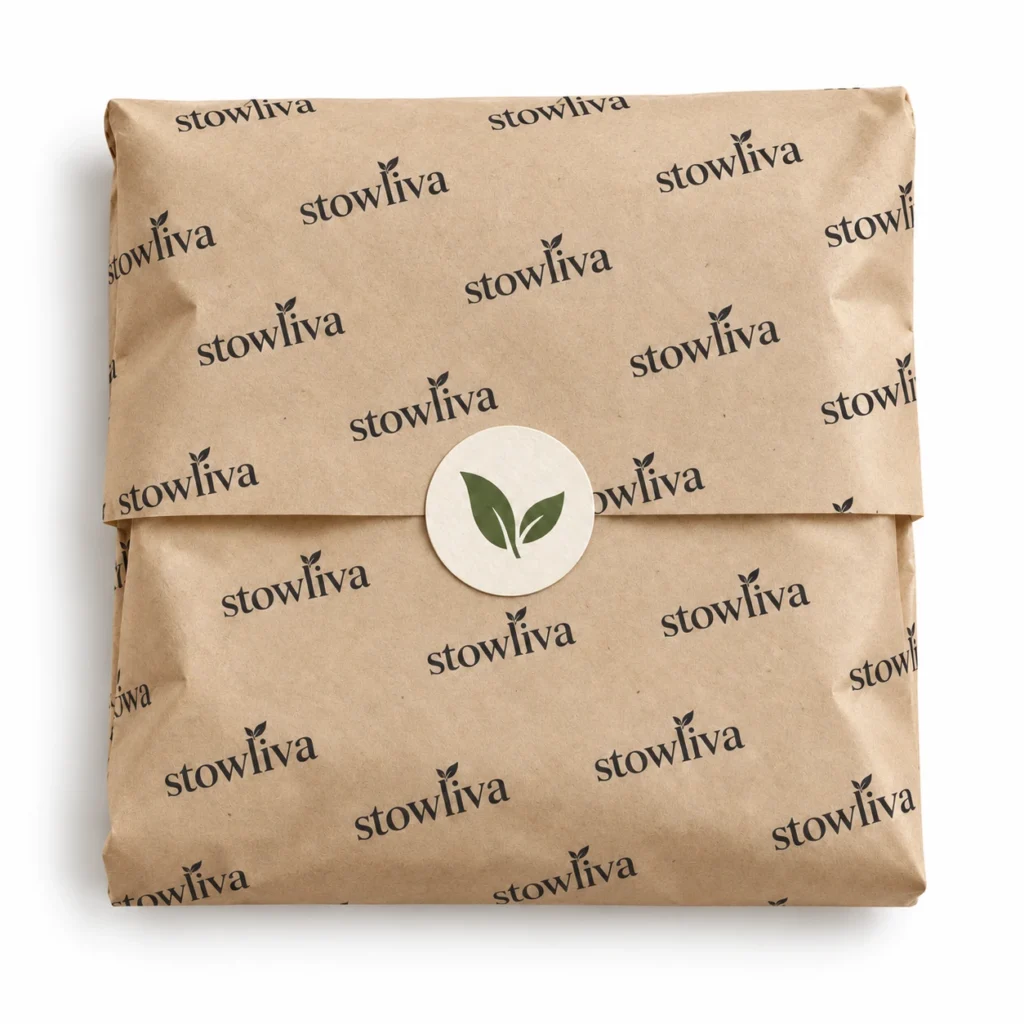
Acid-Free Custom Kraft Tissue Paper with Logo & Pattern Design
Price range: $109.00 through $1,189.00 -
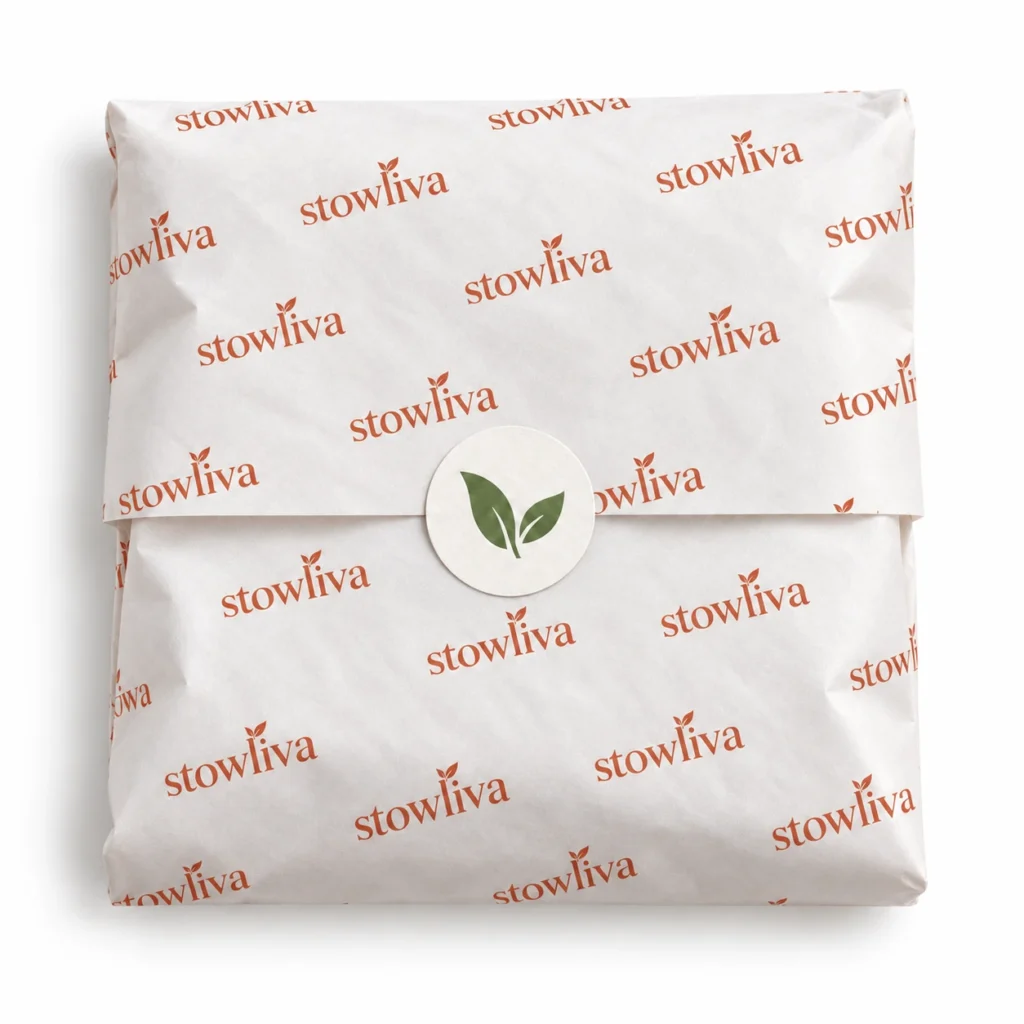
Acid-Free Custom Tissue Paper with Logo & Pattern Design
Price range: $99.00 through $2,299.00 -
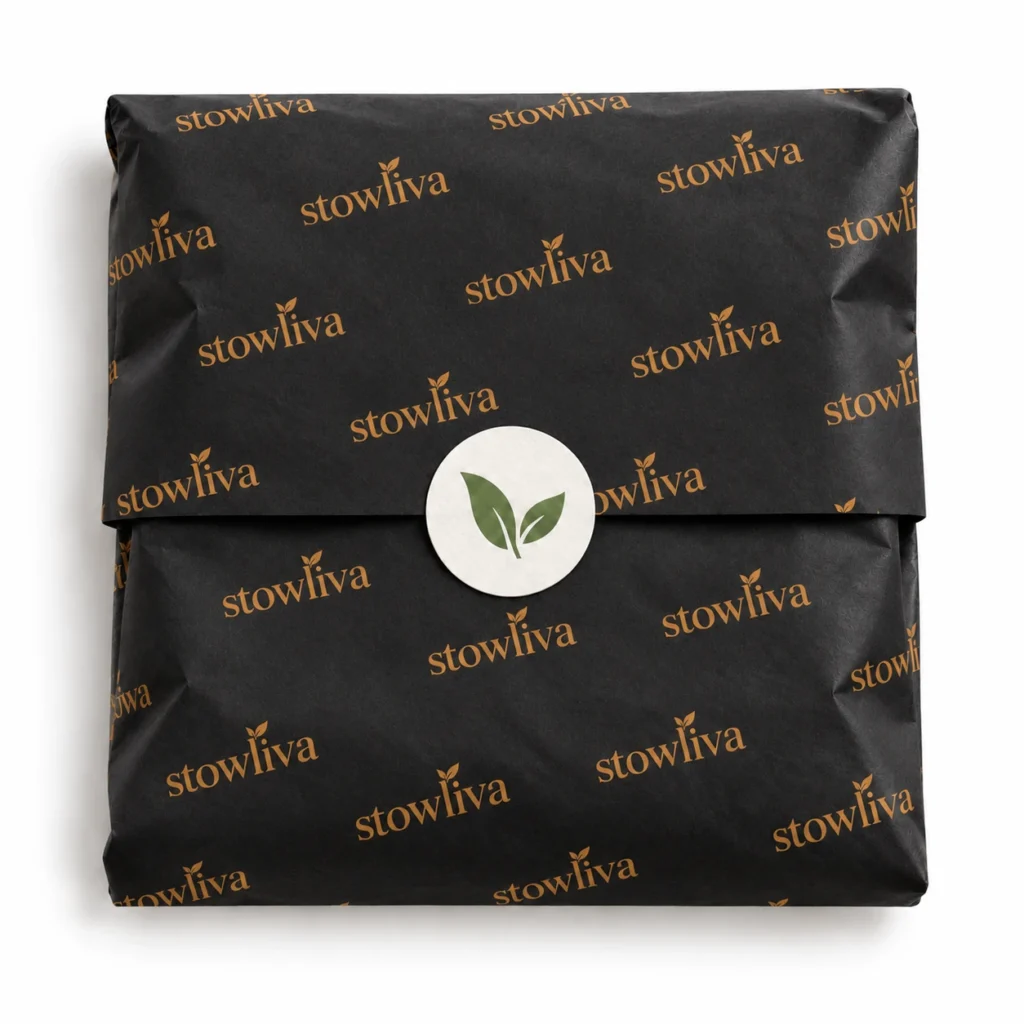
Coloured Custom Tissue Paper With Logo & Pattern Design
Price range: $139.00 through $1,919.00 -
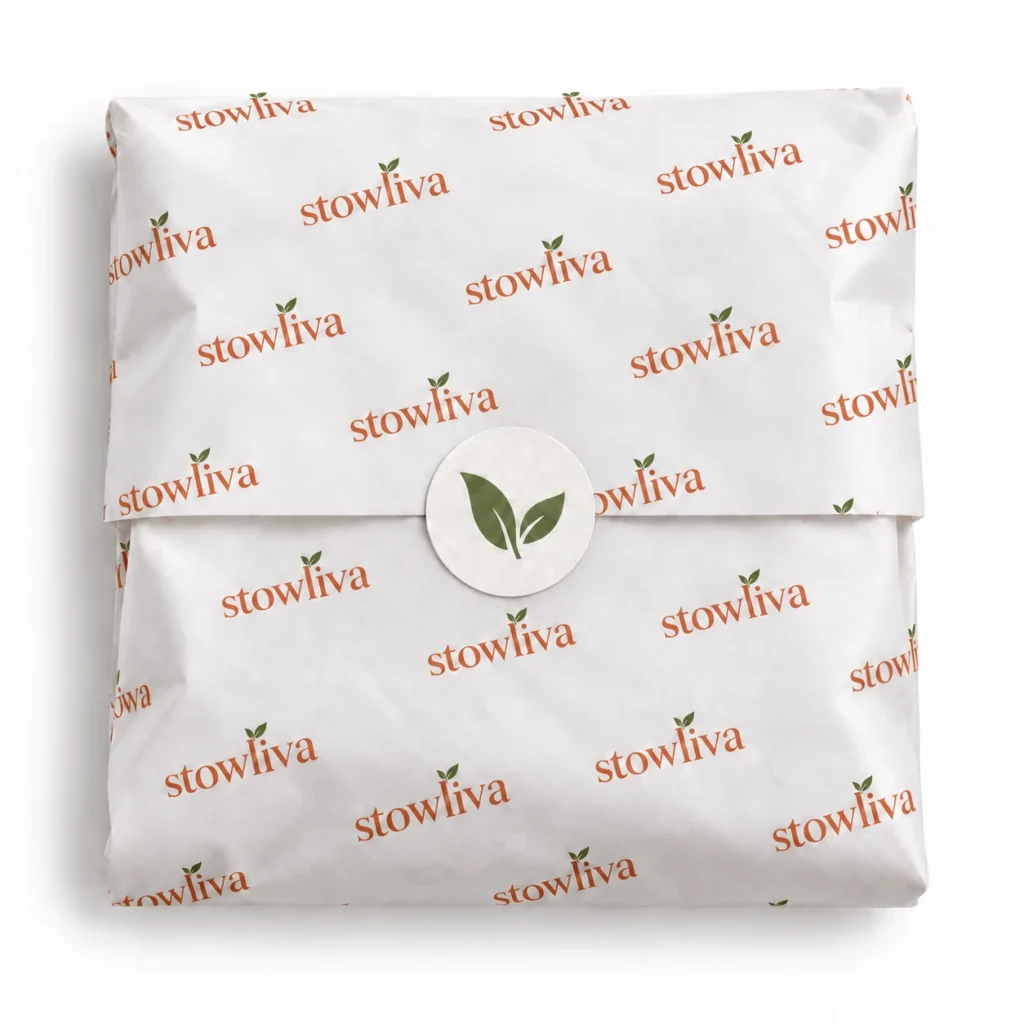
Compostable tissue wrapping paper with 2 Colors Printing
Price range: $209.00 through $1,699.00 -
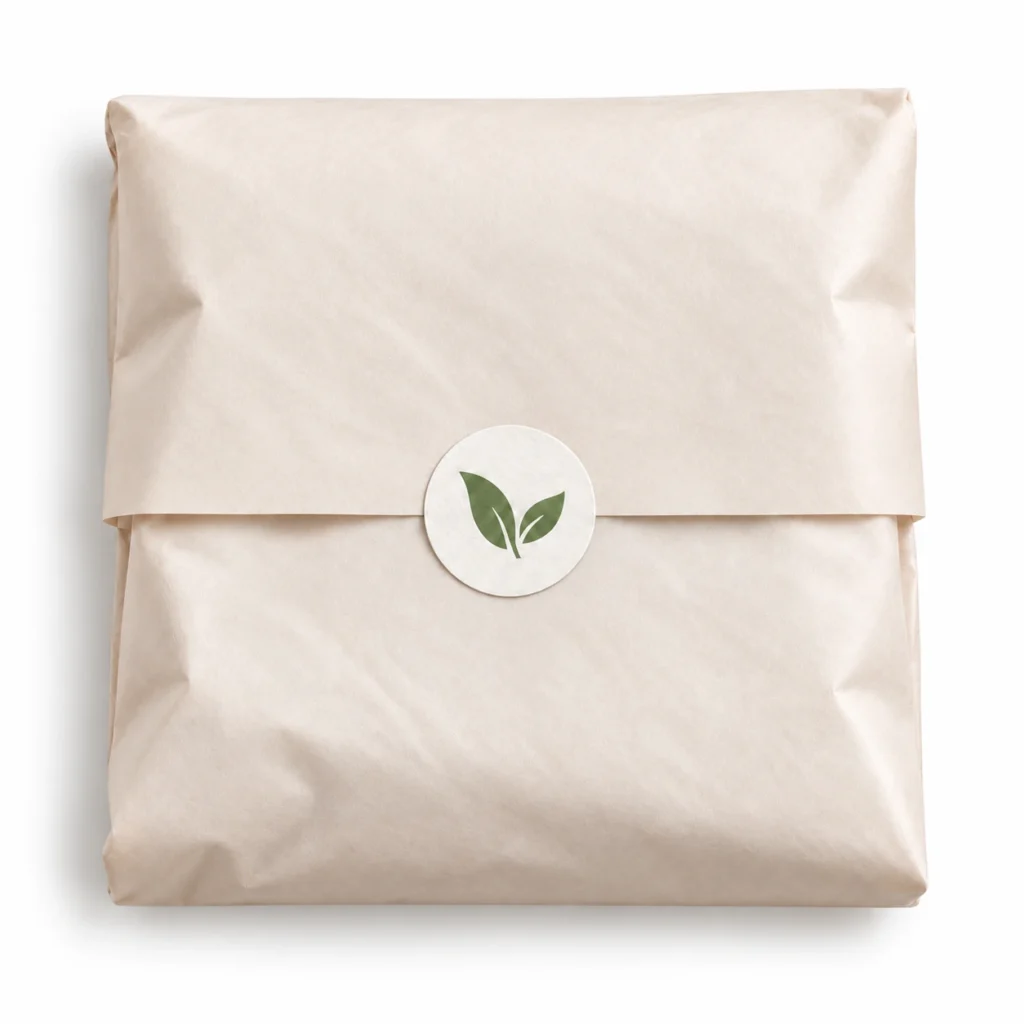
Cream Tissue Paper for Acid-free, Recyclable & Sustainable Wrapping
Price range: $19.00 through $4,959.00 -
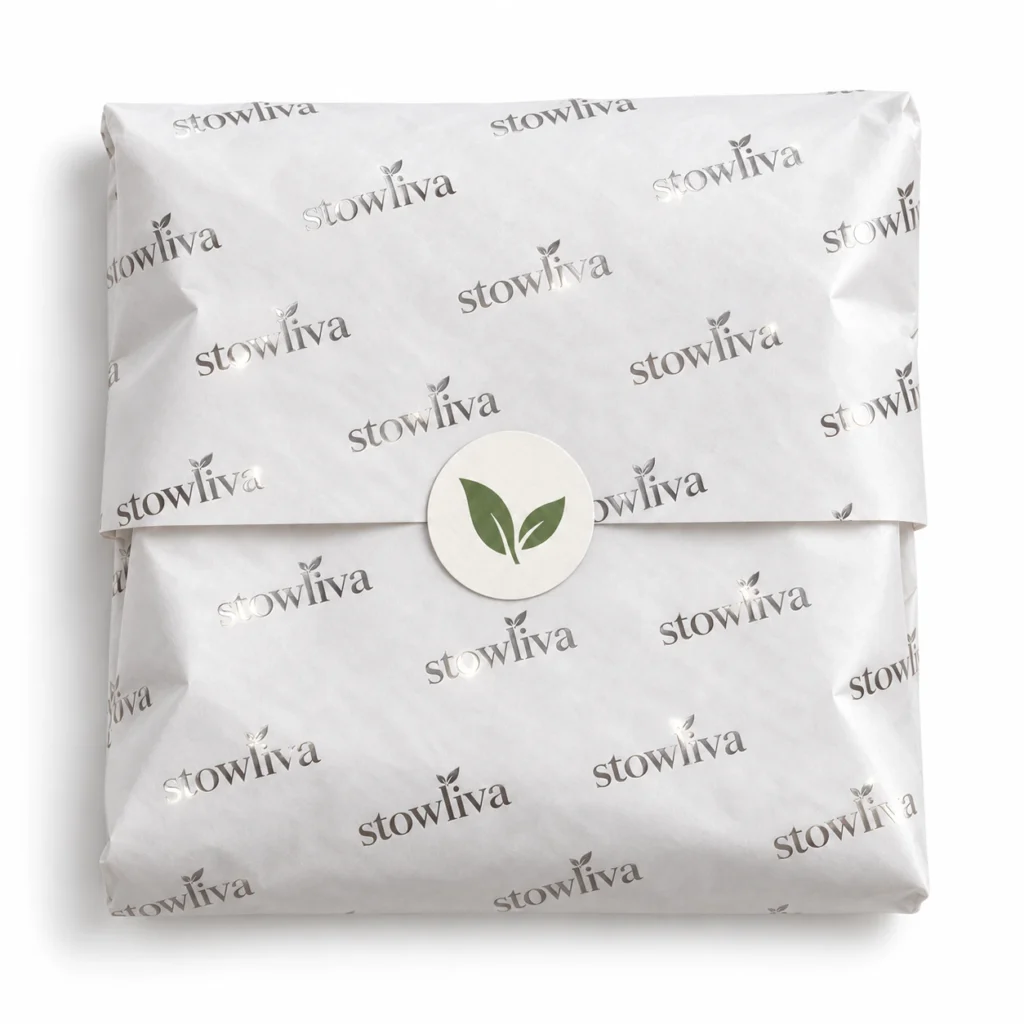
Custom Metallic Printing Tissue Paper| Luxury Gift & Brand Packaging
Price range: $99.00 through $2,309.00 -
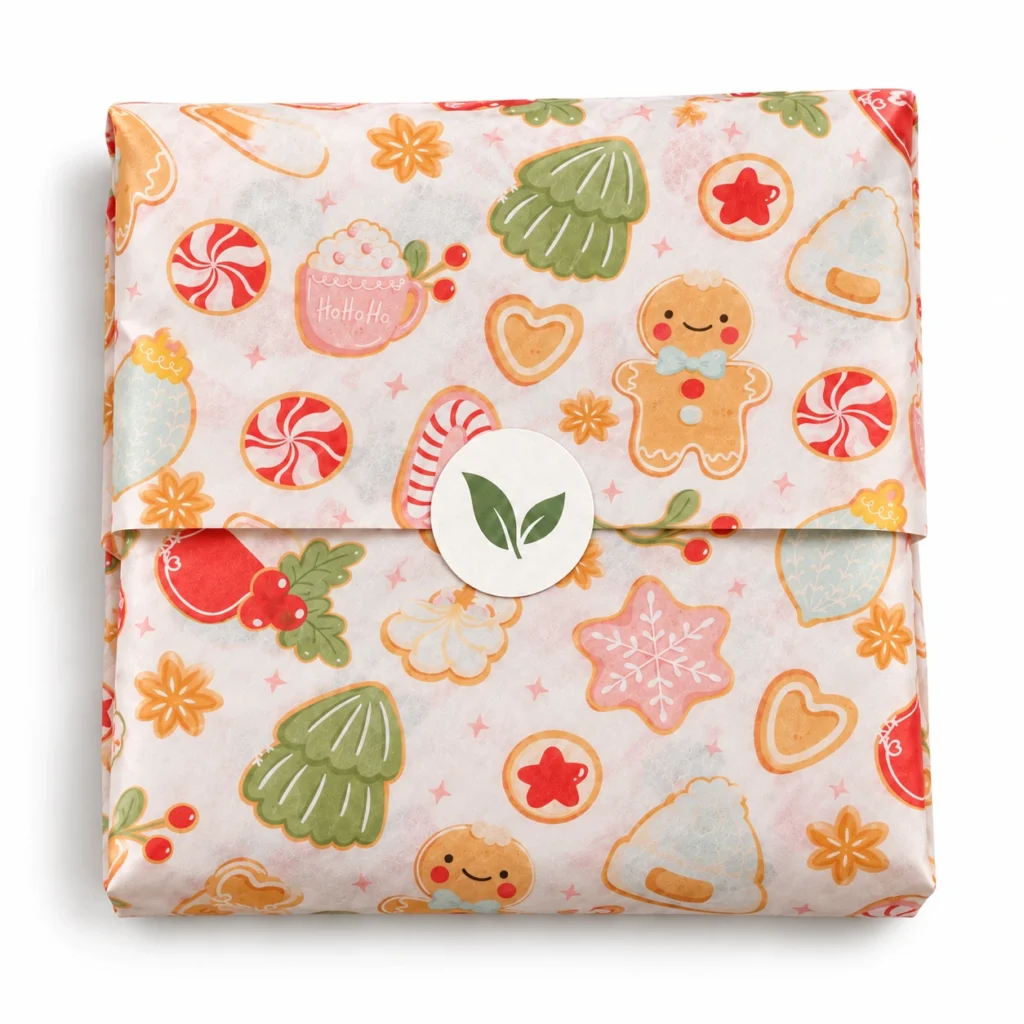
Custom Multi Color Printed Tissue Paper with Logo or Pattern Design
Price range: $139.00 through $14,499.00 -
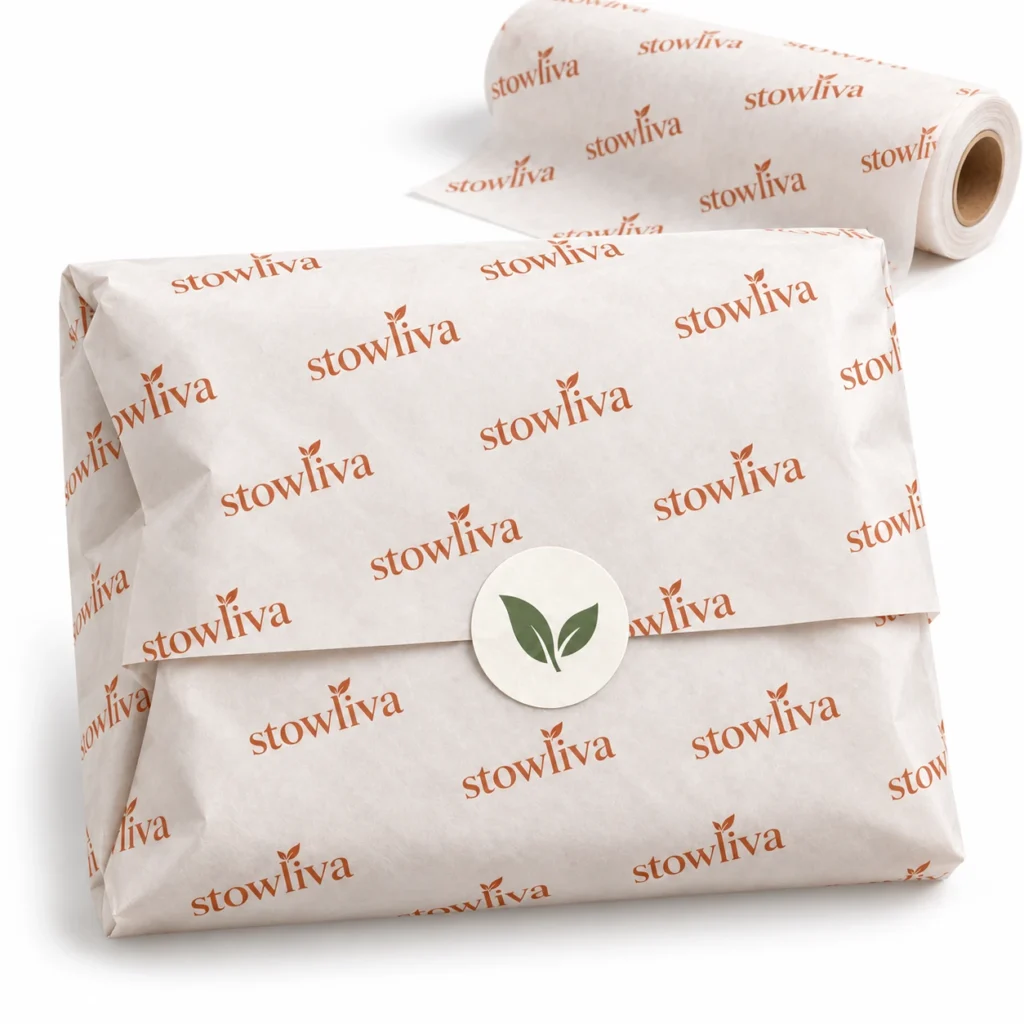
Custom Tissue Paper Roll. Acid-Free, 17Gsm Paper
Price range: $139.00 through $399.00 -
Custom Tissue Paper with Full Background Printing
Price range: $219.00 through $2,479.00 -
Tissue Paper with Candy Cane Stripes – from Pack of 100 Sheets
Price range: $29.00 through $79.00 -
Tissue Wrapping Paper For Gifts, DIY & Eco-Friendly Packaging!
Price range: $29.00 through $79.00 -
Tissue Wrapping Paper with Green Tree & Snowflakes – from Pack of 100 Sheets
Price range: $29.00 through $79.00 -
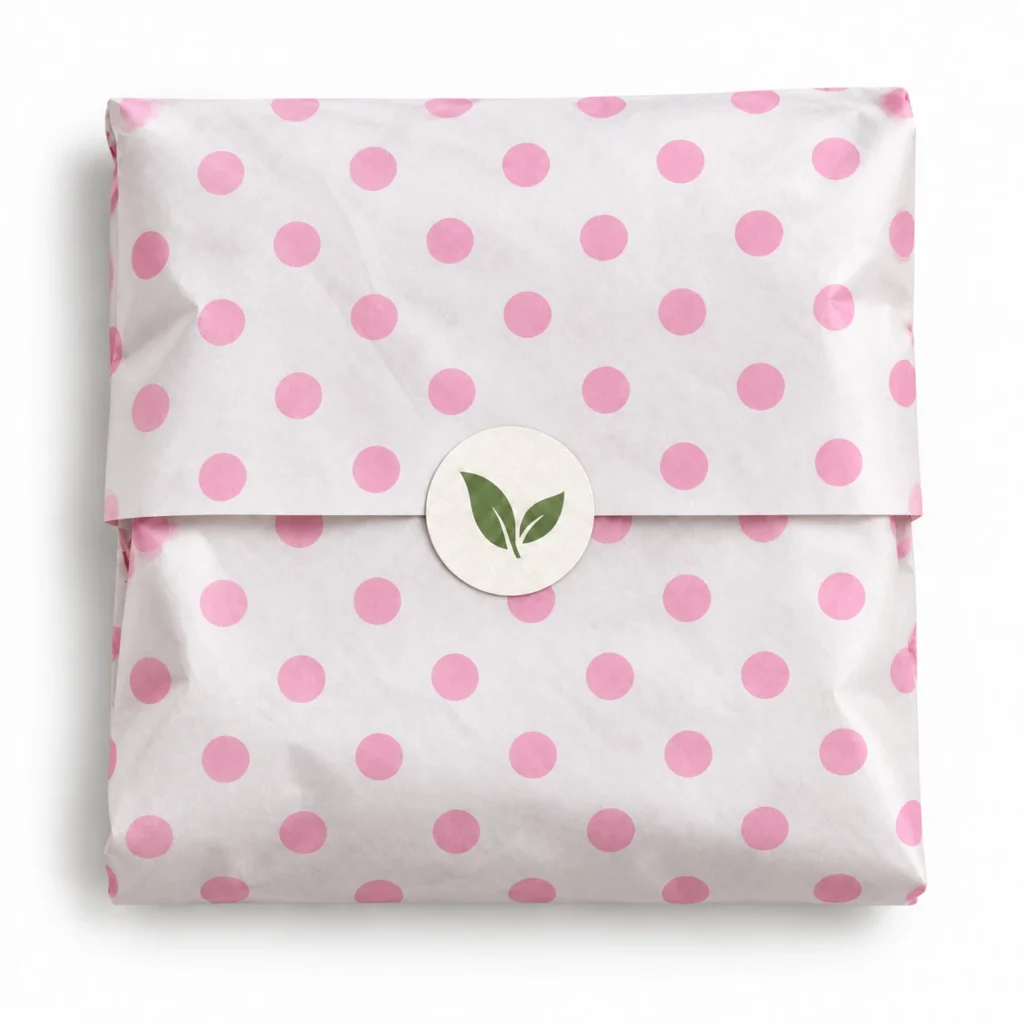
Tissue Wrapping Paper with Printed Pink Polka Dots from Pack of 100 sheets
Price range: $29.00 through $79.00
Available products in this collection
- Acid Free Tissue Wrapping Paper with Custom Logo & Color
- Acid-Free Custom Kraft Tissue Paper with Logo & Pattern Design
- Acid-Free Custom Tissue Paper with Logo & Pattern Design
- Coloured Custom Tissue Paper With Logo & Pattern Design
- Compostable tissue wrapping paper with 2 Colors Printing
- Cream Tissue Paper for Acid-free, Recyclable & Sustainable Wrapping
- Custom Metallic Printing Tissue Paper| Luxury Gift & Brand Packaging
- Custom Multi Color Printed Tissue Paper with Logo or Pattern Design
- Custom Tissue Paper Roll. Acid-Free, 17Gsm Paper
- Custom Tissue Paper with Full Background Printing
- Tissue Paper with Candy Cane Stripes – from Pack of 100 Sheets
- Tissue Wrapping Paper For Gifts, DIY & Eco-Friendly Packaging!
- Tissue Wrapping Paper with Green Tree & Snowflakes – from Pack of 100 Sheets
- Tissue Wrapping Paper with Printed Pink Polka Dots from Pack of 100 sheets
Related collections
Frequently Asked Questions
What makes tissue paper eco-friendly?
A useful way to judge tissue paper is to look at what goes into the sheet, how it is printed and how much you need for each pack. A kraft colour or a natural-looking finish alone does not tell you its environmental impact.
Paper fibres and sourcing. Recycled content tells you how much recovered material is used in the paper. Post-consumer content comes from material collected after use; it is different from production offcuts. FSC certification addresses material sourcing and chain of custody. These are separate details, so an FSC claim should not be read as a promise of 100% recycled fibre.
Ink and artwork coverage. A spaced logo repeat leaves more of the paper unprinted than a solid background. It can also keep your branding visible without covering the whole sheet. Compare the ink formulation as well as the design: a water-based or soy-based description alone does not establish that the finished tissue is recyclable or compostable.
Coatings and decorative additions. Glitter, plastic laminates and foil layers change a paper wrap into a more complex material. A metallic appearance can come from different printing or finishing methods, so check the actual construction rather than judging it from a photograph.
The amount used per order. Start with the smallest sheet that closes comfortably around your product. For example, test a folded shirt in a smaller sheet before moving to a larger format or adding a second layer. Use tissue for presentation and surface separation, and choose protective packaging separately where it is needed.
What this means at Stowliva. Compare white or kraft logo prints with coloured, full-background and metallic-print options according to your packaging brief. For a simpler design, start with an uncoated paper specification and a restrained logo repeat. If recycled content, FSC certification or a particular disposal route is essential, include it in the brief so the selected paper and finish can be documented.
Acid-free, chlorine-free and recycled are also different descriptions. An acid-free specification does not establish the bleaching process or recycled percentage; request those details separately if they matter to your project.
When should I use tissue paper in my packaging?
Use tissue when the product needs a clean presentation layer, a light barrier between surfaces or a more deliberate unboxing experience. It is particularly useful inside a box or bag where the outer packaging already provides the structure.
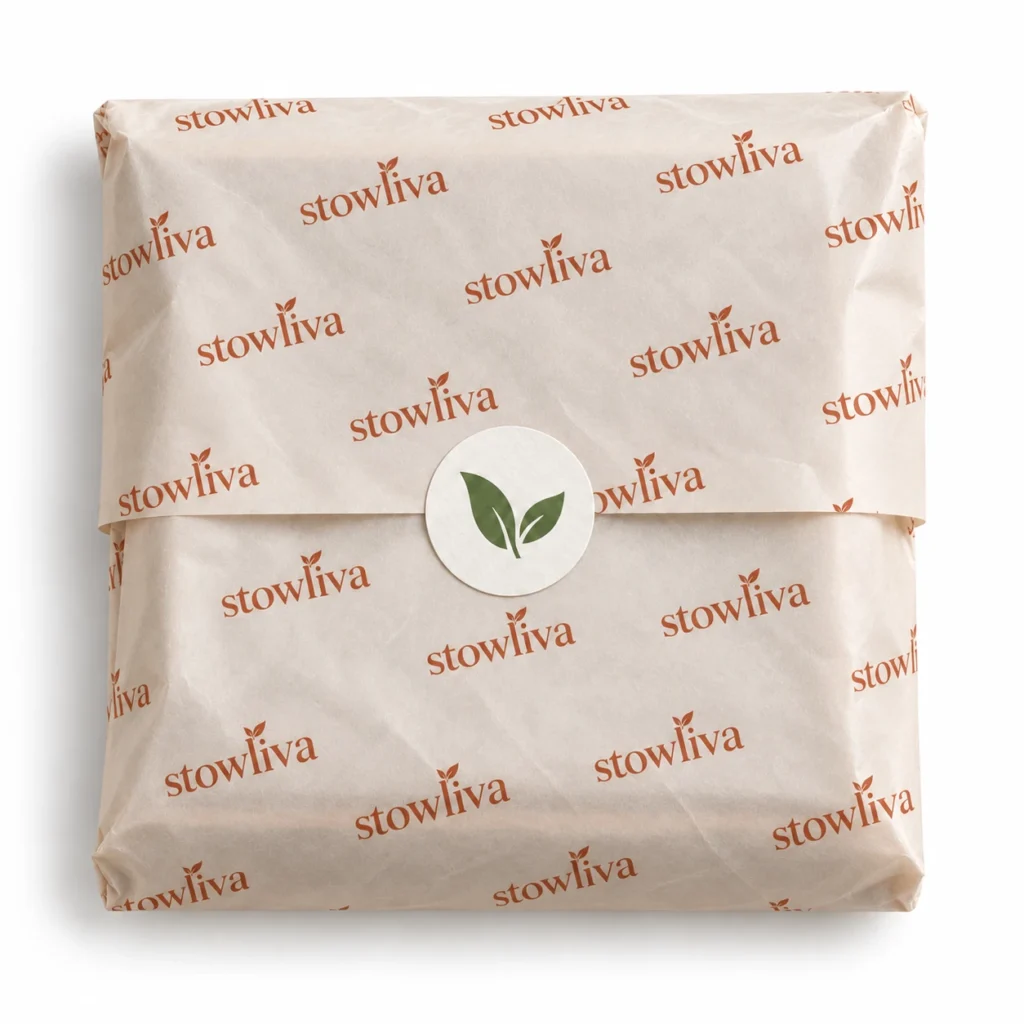
- Apparel: wrap a folded shirt or knitwear, place the closing fold underneath and use a small seal to hold it together.
- Accessories and jewellery: separate individual pieces or line a presentation box. Keep sharp clasps and corners from pressing directly through the sheet.
- Boxed cosmetics and gifts: wrap the retail carton or fold tissue over the contents before closing the gift box.
- Seasonal retail bags: let part of a patterned sheet show above the bag, with the product supported inside.
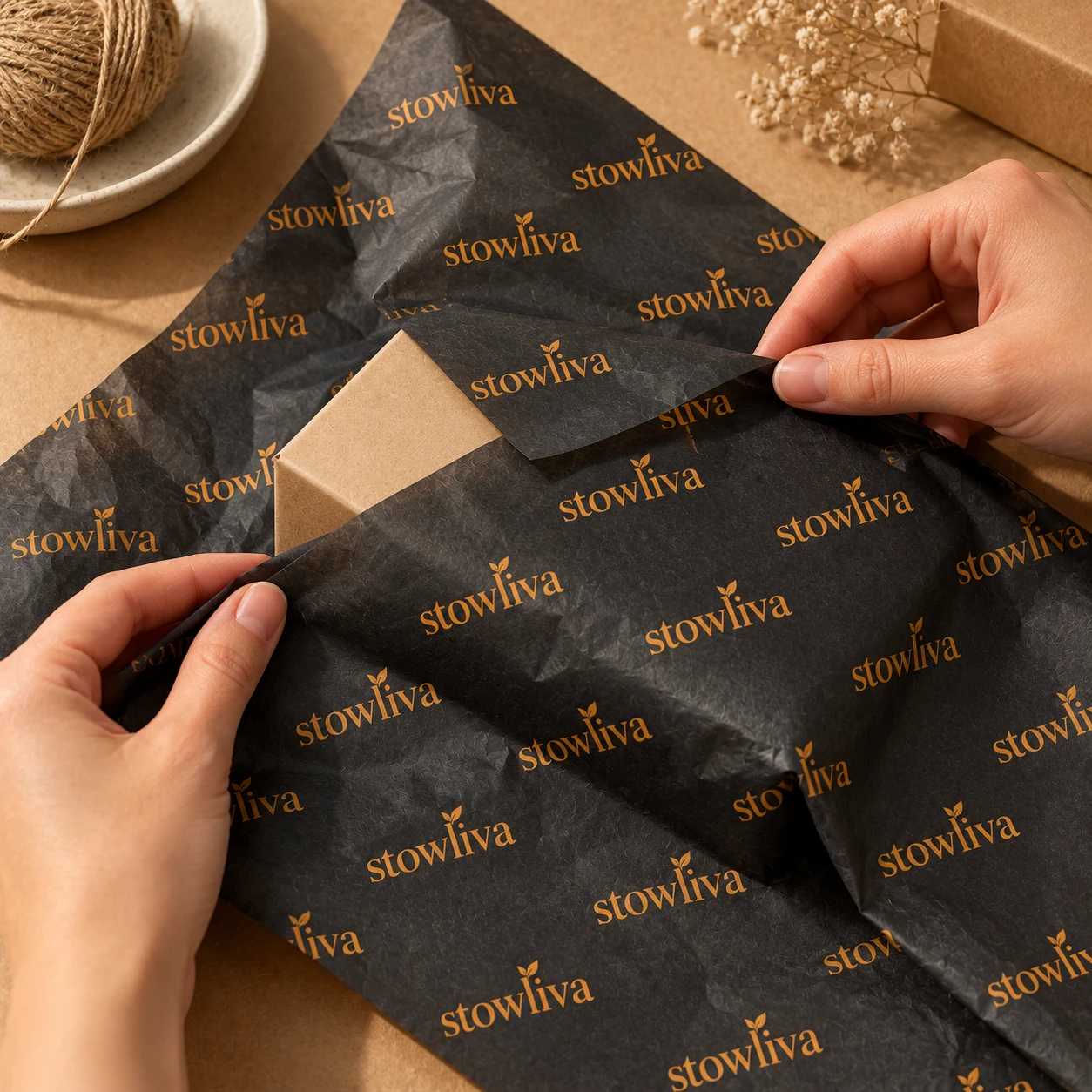
Our white logo-and-pattern tissue lists 17 GSM and 30 GSM paper in 380 × 500 mm and 500 × 750 mm sheets. GSM means grams per square metre. Compare the lighter sheet for a soft, translucent wrap and the heavier sheet when you want more paper body. Make one finished sample to check the folds, visible logo placement and sheet use before choosing your format.
Should I recycle or compost my tissue paper?
Keep clean sheets for another gift, a return shipment or your next packing run. Reusing a sheet is a straightforward way to get more use from the material before deciding how to dispose of it.
For recycling: check whether your local programme specifically accepts tissue or gift-wrapping paper. Acceptance of cardboard boxes does not automatically include tissue. Its light weight and paper grade can make it harder for some facilities to sort and recover. Keep accepted tissue clean and dry, and remove ribbons, plastic tape and non-paper decorations where practical.
For composting: use this route only for a finished tissue specification suitable for composting and accepted by the service you use. A home-compostable claim and an industrial-compostable claim are different; a sheet intended for one route should not be assumed suitable for the other.
A coloured or printed sheet needs guidance for its inks and finishes as well as its paper. Avoid putting glitter, foil or plastic-coated wraps into compost on the assumption that everything that looks like paper will break down appropriately. For customer-facing disposal instructions, name the route supported by the actual specification and local collection service.
Is eco-friendly tissue paper strong enough for shipping?
Tissue can work well as the inner wrap in a shipping pack. Its job is to separate surfaces and keep the presentation tidy; the outer packaging must handle the journey.
For clothing and soft accessories, wrap the item and place it in a correctly sized mailer or box. For jewellery, candles, glass containers or other fragile goods, secure the product with an appropriate insert or cushioning system before adding tissue as the finishing layer. Extra tissue does not replace a fitted insert or stop a heavy item moving inside an oversized box.
Choose paper weight for handling. A higher GSM means more paper mass per square metre, but it is not a shipping-protection rating. Compare how the sheet folds, whether corners puncture it and whether the closure stays in place on your actual product.
Pack a complete sample using the intended outer box or mailer. Check movement, contact between items and rubbing against printed tissue. If the product shifts, change the pack fit or protective components rather than simply adding more decorative layers.
Does printed tissue paper affect recyclability?
Printing can change how the finished tissue needs to be handled after use. The relevant details are the ink formulation, the amount printed and any additional coating or finish.
A repeating logo: a small mark with open spacing uses less printed area than a full-background design. It also gives you room to position the visible logo away from folds and the closure seal.
Coloured and full-background designs: these create a stronger visual statement. Specify whether the colour comes from the paper itself or from printing, and assess the finished sheet when deciding what recycling instructions to give customers.
Metallic effects: ask whether the appearance comes from a printing ink, a foil layer or another finish. Those constructions are different and should not share a disposal claim simply because they look similar.
Stowliva offers several of these design routes, so the answer depends on the option you choose. Review a physical sample for colour transfer onto your product, especially pale fabrics, and for how the design looks after folding. For an understated branded wrap, a one-colour repeat on white or kraft paper is a practical starting point.
What packaging pairs best with tissue paper?
Build the pack around the product first, then use tissue to connect the presentation elements. These combinations give you a useful starting point:
- Boutique clothing: folded garment, logo tissue, a closure sticker and a correctly sized shipping mailer.
- Jewellery or small accessories: a fitted presentation box, a tissue liner and a care card. The insert holds the product; the tissue finishes the reveal.
- Gift sets: individual items held in a divided or fitted box, with tissue folded over the top and a message card above it.
- Retail purchases: tissue inside a paper shopping bag, with a small amount visible above the opening.
Coordinate the tissue print with your stickers and labels and tags and cards. For example, keep the tissue pattern subtle and put the larger brand mark on the closure seal. Check the whole pack together so the print scale, colours and amount of visible tissue work with the product rather than overwhelming it.
Are Stowliva tissue paper options FSC-certified?
FSC-certified options depend on the paper and production route selected for your order. Include FSC certification in your brief at the start so it is considered alongside colour, weight, sheet size and printing.
Read the specific claim. FSC 100% identifies material from FSC-certified forests. FSC Recycled identifies reclaimed material. FSC Mix covers a combination of FSC-certified, recycled and/or controlled material. These labels describe different sourcing routes; FSC Mix does not mean the sheet is necessarily 100% recycled.
For your order, request the applicable FSC claim and supporting chain-of-custody information for the supplied paper. If you want an FSC mark printed on the tissue or another pack component, include that requirement with your artwork so eligibility and the approval process can be checked before production.
Keep the claims separate: FSC certification does not by itself establish compostability, local recycling acceptance or suitability for direct food contact. Send your required paper specification and the claim you intend to communicate to customers.
Can Stowliva tissue paper touch food directly?
Use the tissue in this collection for non-food product wrapping and retail presentation. Do not assume it is suitable for wrapping loose food directly. An acid-free, FSC-certified or compostable description does not establish food-contact suitability.
There is an important difference between wrapping a sealed chocolate gift box and letting printed tissue touch an unwrapped chocolate. The first is an outer presentation layer; the second requires a paper and printing specification assessed for that food-contact use.
If you need direct contact, provide the food type, whether it is dry or oily, the contact time, the temperature and the destination market. The paper, inks, coatings and any adhesives need to be considered together for the intended conditions. A statement about the base paper alone does not describe the entire printed wrap.
Until suitable documentation is confirmed, use an appropriate food-contact liner or sealed primary pack between the food and decorative tissue. Describe your food-packaging application before choosing the material or approving artwork.