Foodservice paper buying guide
Food Wrapping Paper: Greaseproof, Wax or Parchment?
Choose the paper that works with your food, folds cleanly and comes with evidence for the intended use.
Which food wrapping paper should you choose? Start with the food and how you serve it. Compare grease-resistant sheets for oily takeaway items, wax paper for suitable cold handling, and product-rated parchment for baking or release. Approve the exact paper, coating and print for your use, then size the sheet around a filled order.
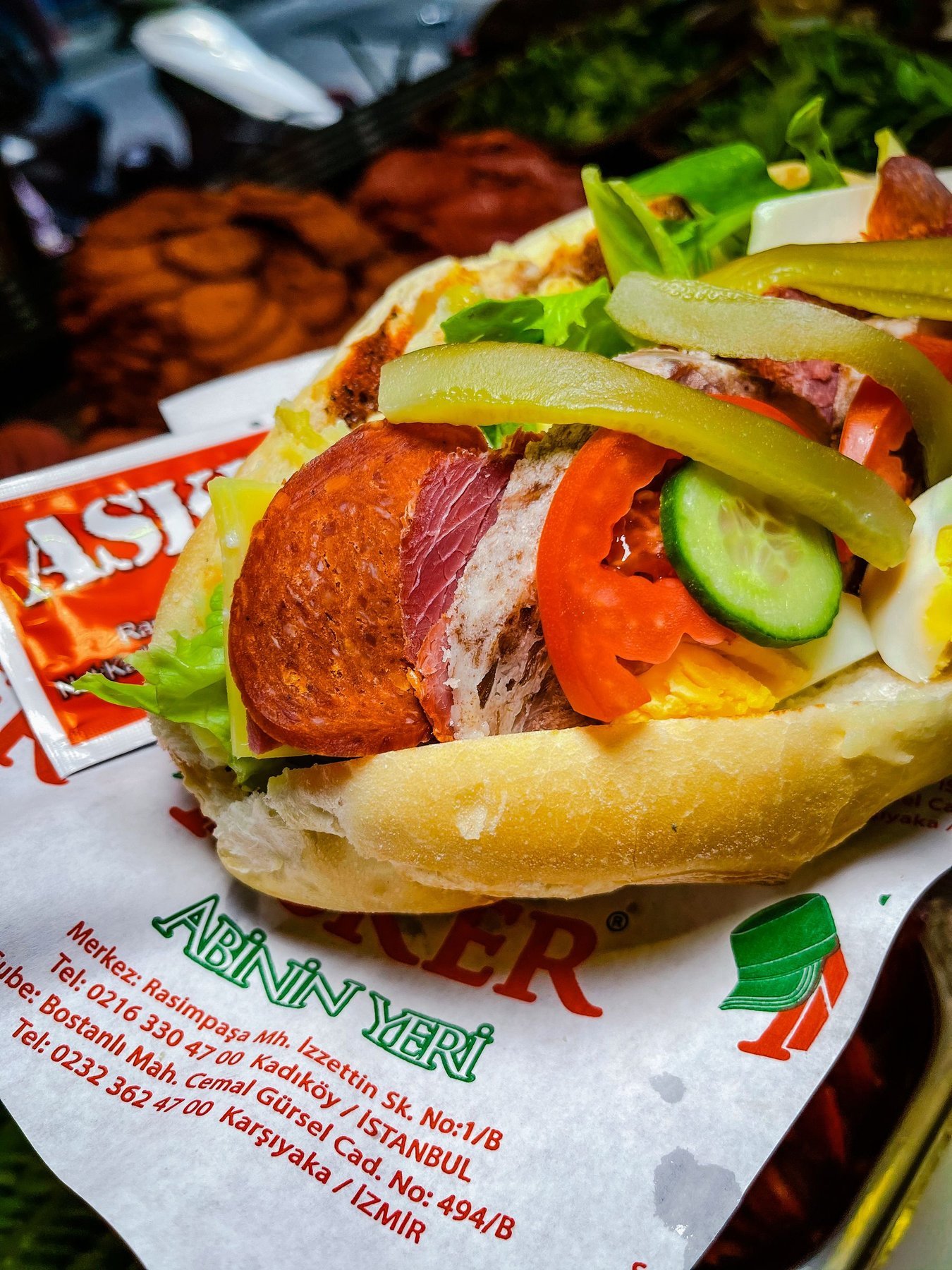
A burger wrap, pastry liner and sandwich sheet can look similar on a supplier’s sample card. In service, one may stain through, another may trap steam, and a third may leave your logo hidden inside the fold. Choosing the right food wrapping paper means matching the construction to the food, packing method and customer experience.
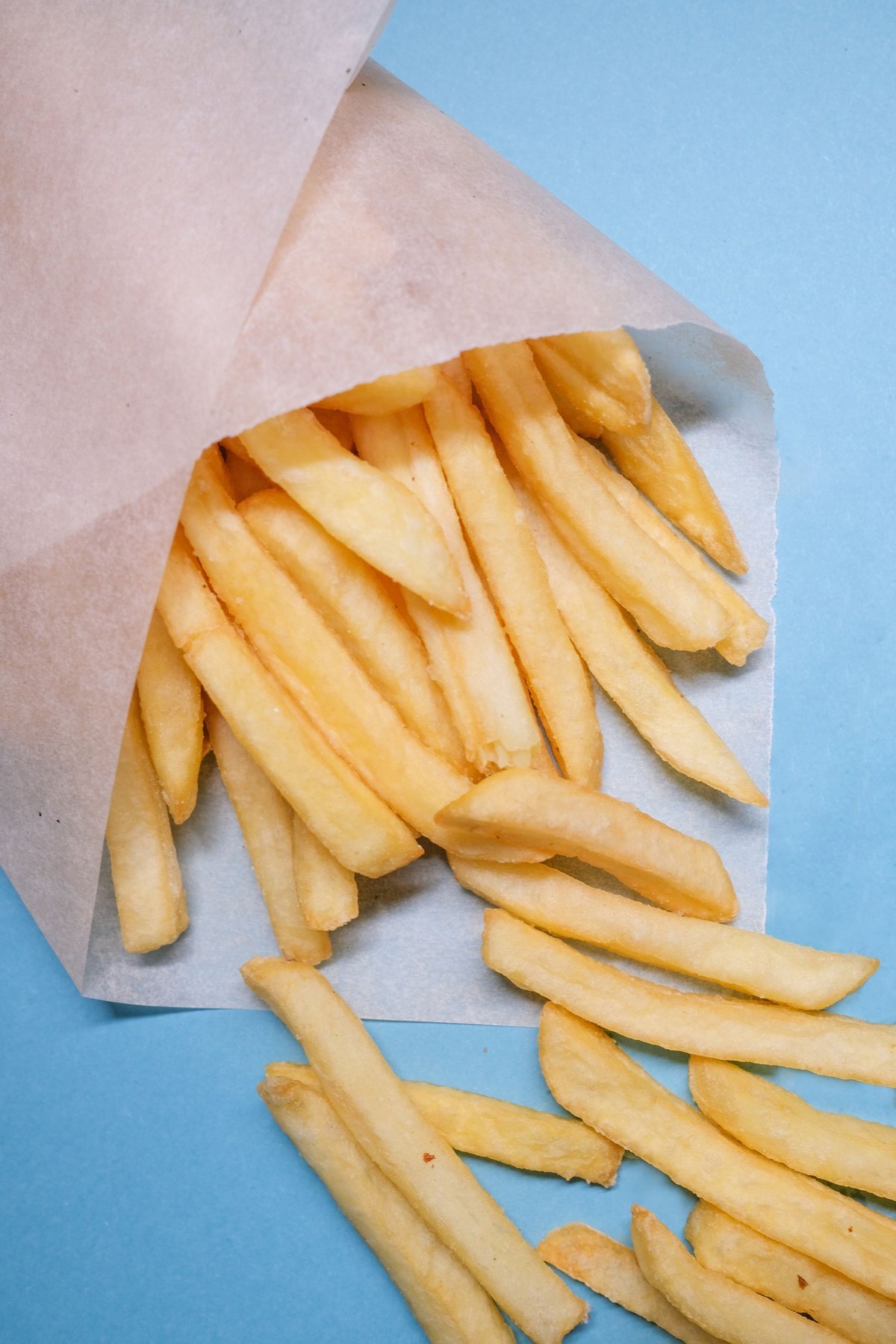
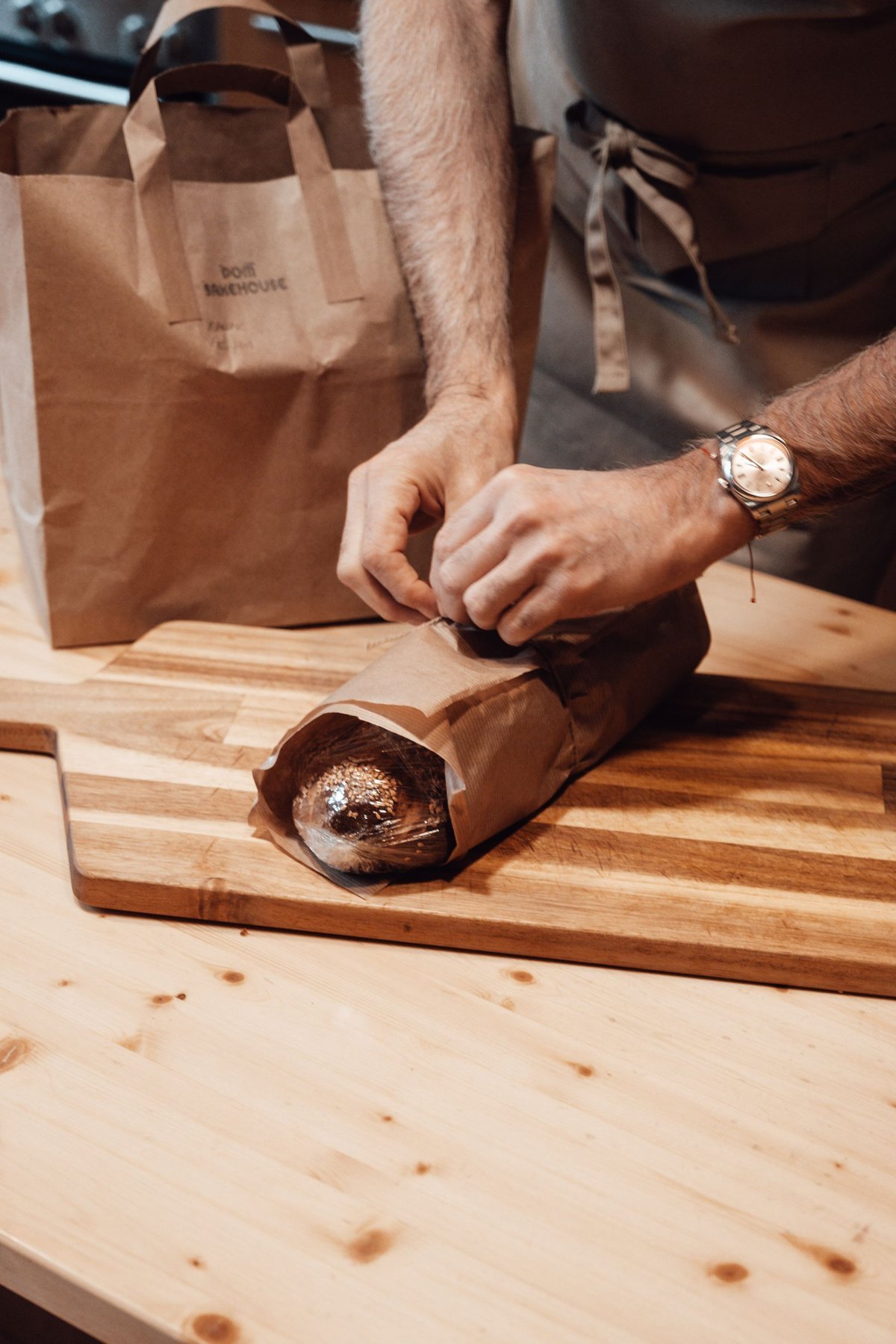
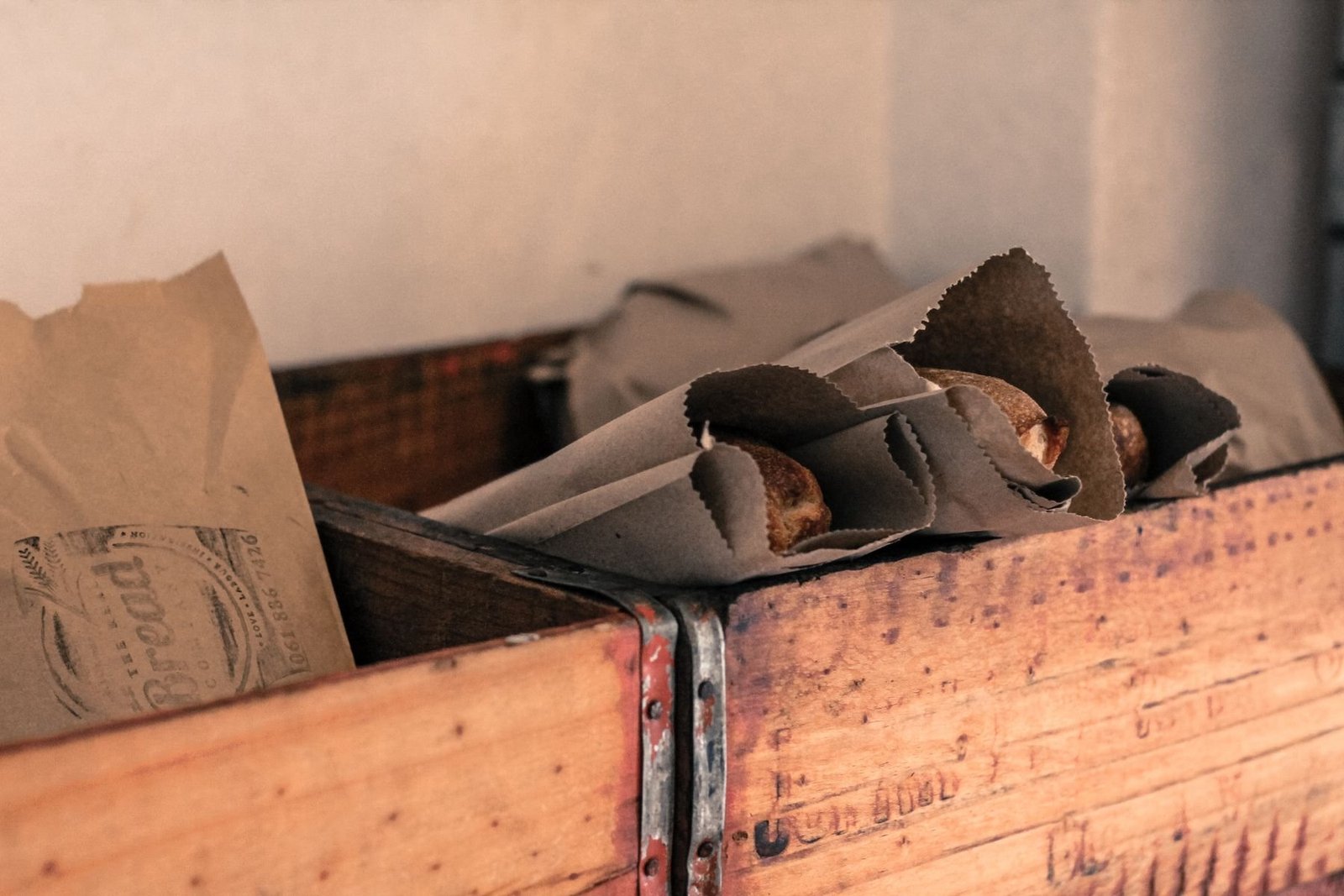
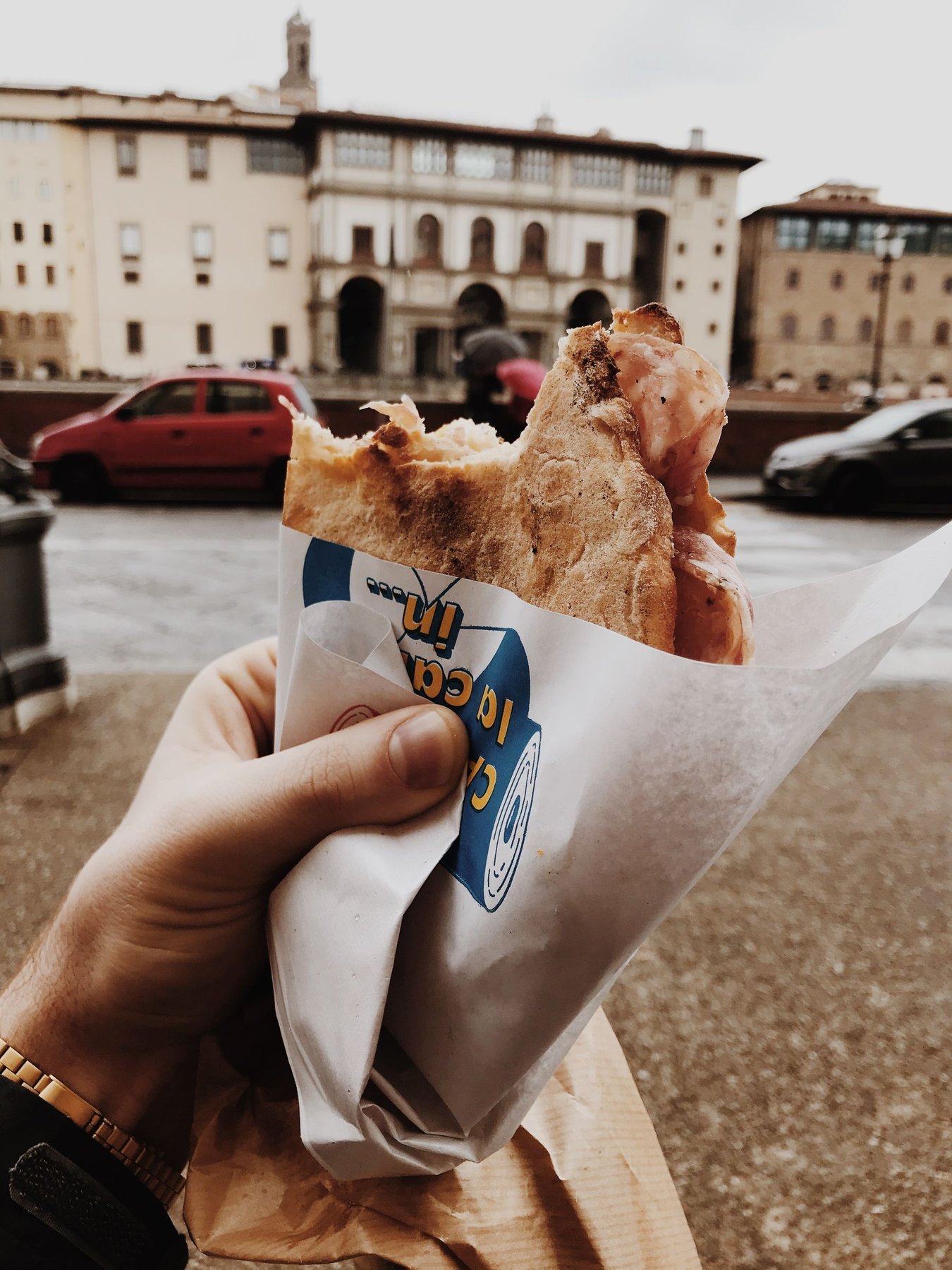
This guide compares greaseproof, wax and parchment paper, then gives you a sample test, a sheet-size method and a supplier brief. The photographs show independent examples of food presentation. They do not establish the material, food-contact status or performance of the photographed wrap.
Greaseproof, wax or parchment: choose by the job
For oily food, compare grease resistance. For cold preparation, check moisture handling. For baking, use a paper specifically rated for the intended heating conditions. A category name is a useful starting point; the finished sheet’s specification decides whether it works.
| Paper option | What to evaluate | Possible application | Question before ordering |
|---|---|---|---|
| Greaseproof paper | Resistance to oil penetration, folds and print rub | Burger wraps, deli sheets, pastry interleaves or basket liners | Does the actual sheet resist your food’s oil for the expected holding time? |
| Wax paper | Wax coating, moisture response and release | Suitable cold preparation, food separation and storage tasks | Are the food, temperature and storage conditions covered by the supplier’s instructions? |
| Parchment paper | Release properties and specified heating limits | Product-rated pan liners, bakery handling or non-stick separation | Is the exact grade rated for this oven, appliance and temperature? |
Reynolds’ wax-versus-parchment guide explains the difference between wax-coated paper and its silicone-coated parchment. Its advice supports a practical rule: do not substitute a wax wrapper for oven-rated parchment. Product instructions take priority, and a temperature limit from one branded paper cannot be applied to every supplier’s sheet.
A café may need two constructions: a wrap for sandwiches and a liner for baked items. Trying to force every task into one paper can create extra waste or handling work. Group your menu by oil, moisture, heat and serving time, then test each group with the appropriate shortlisted sheet.
Food-contact suitability starts with the finished sheet
Ask for evidence covering the paper you will actually buy, including its coating and print. A decorative tissue sheet and a food-contact wrapper serve different purposes. Paper color, a natural appearance or an environmental label cannot establish that a sheet is suitable for direct contact with your menu item.
The FDA’s guidance on food-contact components explains that regulatory status depends on the individual substances and intended use. An effective food-contact notification applies to the identified manufacturer, substance and conditions. Ask your supplier to connect its documentation to the construction, food type, time and temperature in your brief.
For European sales, the European Commission’s food-contact materials guidance describes the framework and good manufacturing practice requirements, alongside specific or national rules. A document prepared for one market does not by itself answer every question for another. Identify your sales destination before approving the order.
Record whether the paper touches food directly, sits under an independently approved primary pack, or only decorates the outside. Include contact with sauces, oils and exposed fillings. If staff might reheat the wrapped item, make that a separate, explicit requirement. A supplier recommendation is easier to evaluate when the intended use is written down.
What should you ask about greaseproofing and PFAS?
Request current information about the grease barrier and any PFAS-related claim. The FDA’s PFAS food-contact update reports the 2024 U.S. market phase-out of PFAS-containing greaseproofing substances for paper food packaging. It also describes the January 2025 determination that 35 related food-contact notifications were no longer effective.
That update concerns those greaseproofing uses. It is not a certificate for an individual wrap or a claim that all food-contact applications involving PFAS are the same. Ask which barrier is used, what the supplier means by its claim, and what documentation or test method supports it. Keep the evidence with the approved specification.
For printed wrappers, also ask which side should face the food. Check the finished print during handling and storage, including the way stacked sheets touch one another. The approval should cover the production construction rather than only an unprinted base-paper swatch.
How to measure food wrapping paper without wasting sheets
Measure around a finished portion using your actual fold pattern. Oversized sheets add bulky folds; undersized sheets expose food or require extra closures. A flat product measurement misses the height of fillings and the paper needed to tuck the corners.
- Prepare the item as sold, including fillings, toppings and any approved liner.
- Use a trial sheet to explore the fold. Plain measuring paper can help plan size, but food tests need the approved shortlisted material.
- Wrap the item exactly as staff will, including any tuck, closure or exposed eating edge.
- Mark the overlap and the points that pull tight around corners.
- Repeat with the largest normal portion and any taller seasonal version.
- Record the finished sheet width and length, units and acceptable size tolerance.
- Repeat the fold with the printed sample to check logo visibility.
Keep a physical reference of the chosen fold beside the packing station. For deli paper used as a tray liner, measure the tray base and the overlap you want customers to see. For baguettes, account for the portion that remains exposed. For pastry interleaves, size around the contact area and the way staff lift the item.
Discuss logo repeats with the printer after the sheet size works. A large central logo may disappear under a burger, while a smaller repeat may appear across several folds. Ask the printer for artwork limits and approve the visible result at serving size, rather than judging only a flat digital proof.
Run a filled-food test before approving a bulk order
Compare samples with the same food, portion, holding time and packing route. This is an operational screening method, not a laboratory compliance test. Its purpose is to find service problems before the design and construction are locked.
- Oil control: check shadowing, wet patches and transfer to the outer pack.
- Moisture: look for softening, condensation and changes at folded edges.
- Handling: fold, tuck, lift, bag and carry the order as staff and customers will.
- Presentation: inspect logo visibility, ink rub, odors and unwanted sticking.
- Complete pack: include the tray, carton, bag and approved closure.
- Consistency: label each sample with its material code, print version and observations.
Use the greasiest or wettest normal menu variation, as well as the item that presents the greatest folding challenge. Check at the intended handover time and again at the longest realistic customer journey. Agree an acceptable outcome for each check before comparing suppliers, so an attractive print cannot distract from a failed wrap.
If the complete pack needs a carton, compare custom burger boxes or custom food boxes around the wrapped portion. Approve loading, closure and any food-contact components for the intended use. A box size that works with an unwrapped item may crowd a thicker folded wrap.
Can food wrapping paper be recycled or composted?
Check the finished construction and the customer’s actual disposal route. Fiber, coatings, food residue and local collection rules affect the answer. Keep food-contact approval, sourcing claims and disposal claims as separate questions in your purchasing record.
The FTC Green Guides summary cautions against broad, unsupported environmental claims. It explains that recyclable claims may need qualification when access to facilities is limited, and that compostable claims need evidence and appropriate conditions. Ask for wording that accurately applies to the sold wrapper and its destination.
FSC’s label guidance explains FSC 100%, FSC Mix and FSC Recycled sourcing categories. An FSC sourcing claim answers a different question from oven suitability, food contact or composting. Confirm the available claim and authorized artwork for the order before putting a mark into your print file.
Give customers a short instruction that matches the accepted local route. If the supplier has not established a claim for the finished print and barrier, approve the functional specification first and resolve the claim before printing it. Avoid presenting a base fiber’s properties as evidence for the entire decorated sheet.
Compare total cost per wrapped order
Add the closure and outer pack before comparing sheet prices. The following example is hypothetical, not a Stowliva quotation. It assumes one usable sheet per order and excludes labor, delivery, tax and wastage.
| Cost item | Sheet A, needs closure | Sheet B, secure approved fold |
|---|---|---|
| Sheet | $0.035 | $0.048 |
| Closure | $0.012 | $0.000 |
| Outer bag | $0.090 | $0.090 |
| Total materials per order | $0.137 | $0.138 |
The difference here is only $0.001 per order. Packing speed, waste and performance may matter more. Replace each number with your landed quote and measured usage. Count spoiled sheets and extra closures during a trial shift instead of assuming every supplied sheet becomes a successful order.
For bakery assortments, build the same comparison around custom bakery boxes, donut boxes or treat boxes. Confirm their fit and food-contact layers as part of the complete pack. Keep separate calculations for single-item orders and multi-item boxes.
Send this brief before ordering custom printed greaseproof paper
A useful brief describes the food and workflow before the artwork. Send the supplier enough information to identify an appropriate construction and sample plan.
- Food type, portion size, oil and moisture exposure.
- Direct or indirect contact, food-facing side and destination market.
- Serving temperature, holding time, storage and any reheating requirement.
- Finished sheet dimensions, fold reference and quantity per design.
- Print colors, artwork repeat and required proof.
- Barrier, print and food-contact documentation requested.
- Any sourcing or disposal claim, with evidence for the finished construction.
- Required delivery date and the complete outer packaging combination.
Stowliva can help plan the wider packaging set through its product directory and project request. Send the wrap requirement explicitly; ordinary decorative tissue should not be selected for direct food contact without confirmation. Ask for a written material recommendation and a sample approval plan tied to your food and market.
Before approving production, retain the signed artwork proof, material code, supplier documents and filled-pack observations together. This record makes a repeat order easier to check when a menu item, print design or supplier construction changes.
Food Wrapping Paper: frequently asked questions
What is the best food wrapping paper for a burger?
Compare a food-contact construction with grease resistance suitable for the actual burger, holding time and handling route. Test the filled portion, fold, closure and outer box together before approving the paper.
Can wax paper replace parchment in an oven?
Do not substitute wax paper for oven-rated parchment. Follow the exact paper manufacturer’s heating instructions; a temperature rating for one parchment product cannot be applied to every wrapper.
Is greaseproof paper always recyclable?
No. Coatings, food residue, the finished print and the local collection system affect the answer. Ask for disposal instructions and evidence that apply to the finished sheet and destination market.
Can decorative tissue touch food directly?
Use decorative tissue in direct food contact only when the exact paper, coating and ink have been confirmed suitable for the intended food and conditions. Otherwise select a supported food-contact primary layer.
About this guide: Prepared by Stowliva Editorial using the linked references, reviewed October 14, 2026. Reference photographs show independent applications. Confirm specifications for the selected order.