Reusable retail bags
Custom Tote Bags: Flat or Gusseted? 7 Decisions Before Print
A beautiful logo starts with a bag your customers can comfortably use again.
Quick answer: Choose custom tote bags around the real products they must carry. A flat tote suits slim, flexible contents; a gusset gives bulky items more depth. Approve the opening, usable base, handles and print on a loaded sample. Fabric weight alone cannot tell you whether the finished bag will carry your order comfortably.
A tote can look perfect in an artwork proof and still be frustrating at checkout. A boxed gift catches at the opening. The handles feel too short over a coat. A large logo disappears into a fold. These problems begin with the specification, before anyone prints the first bag.
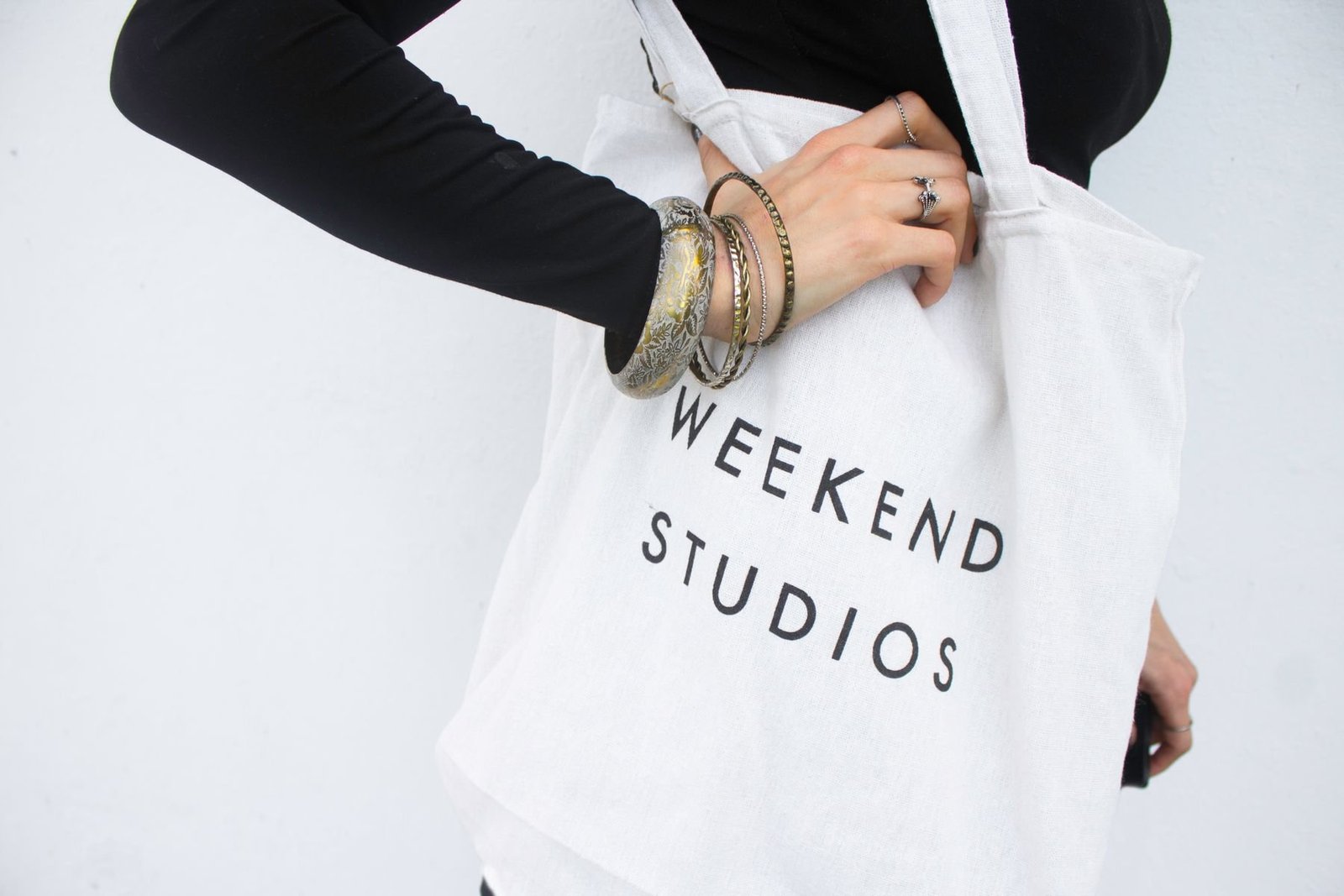
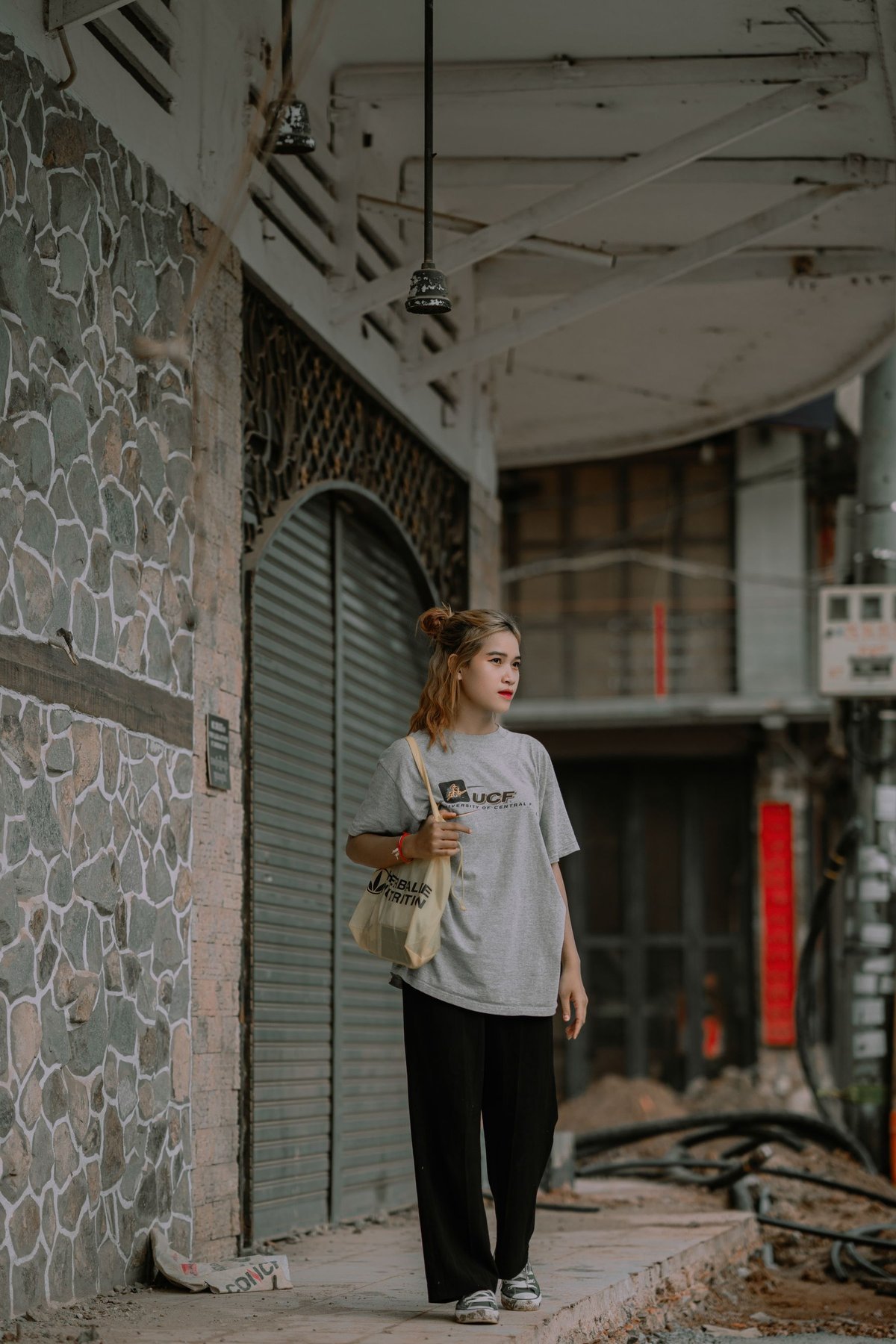
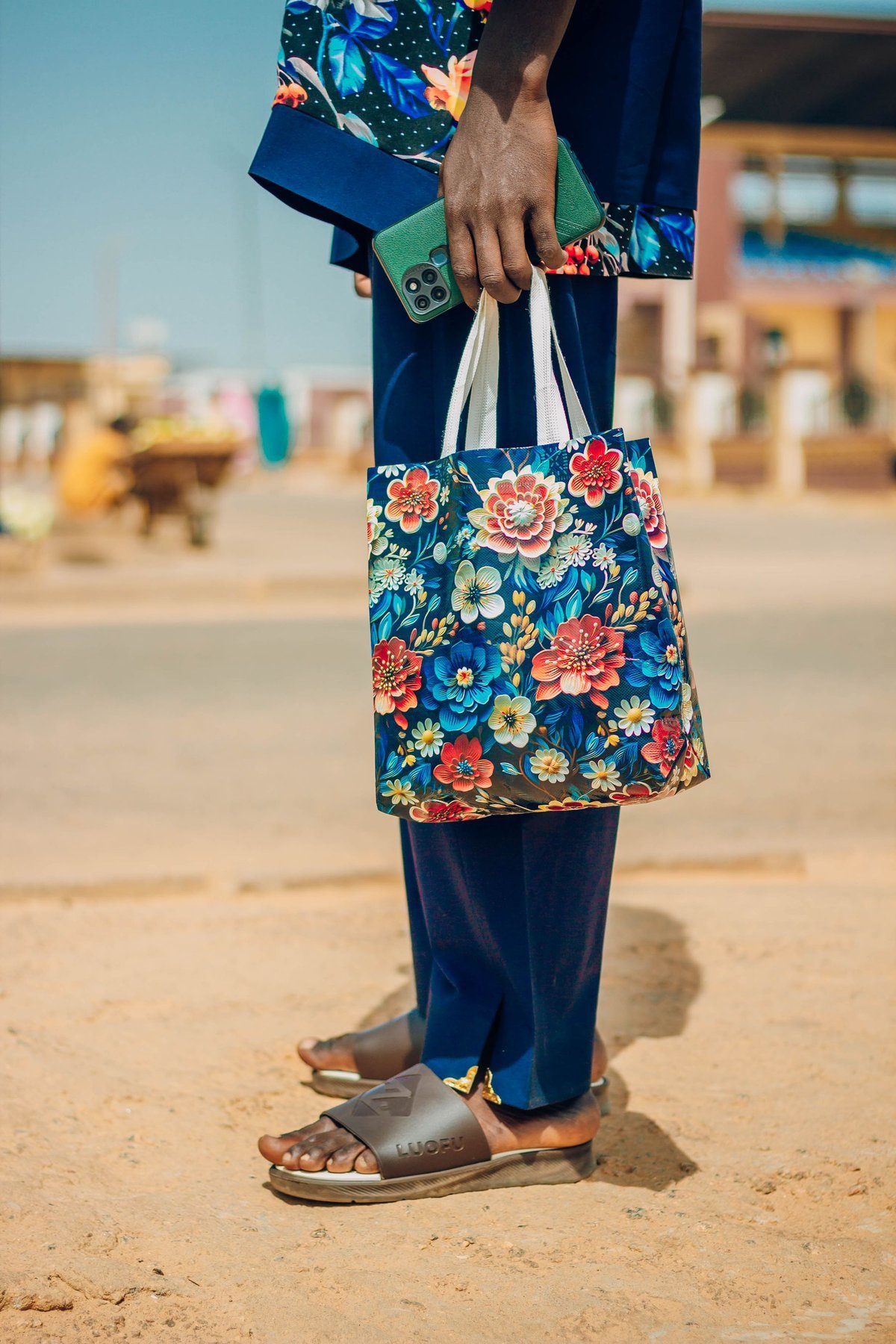
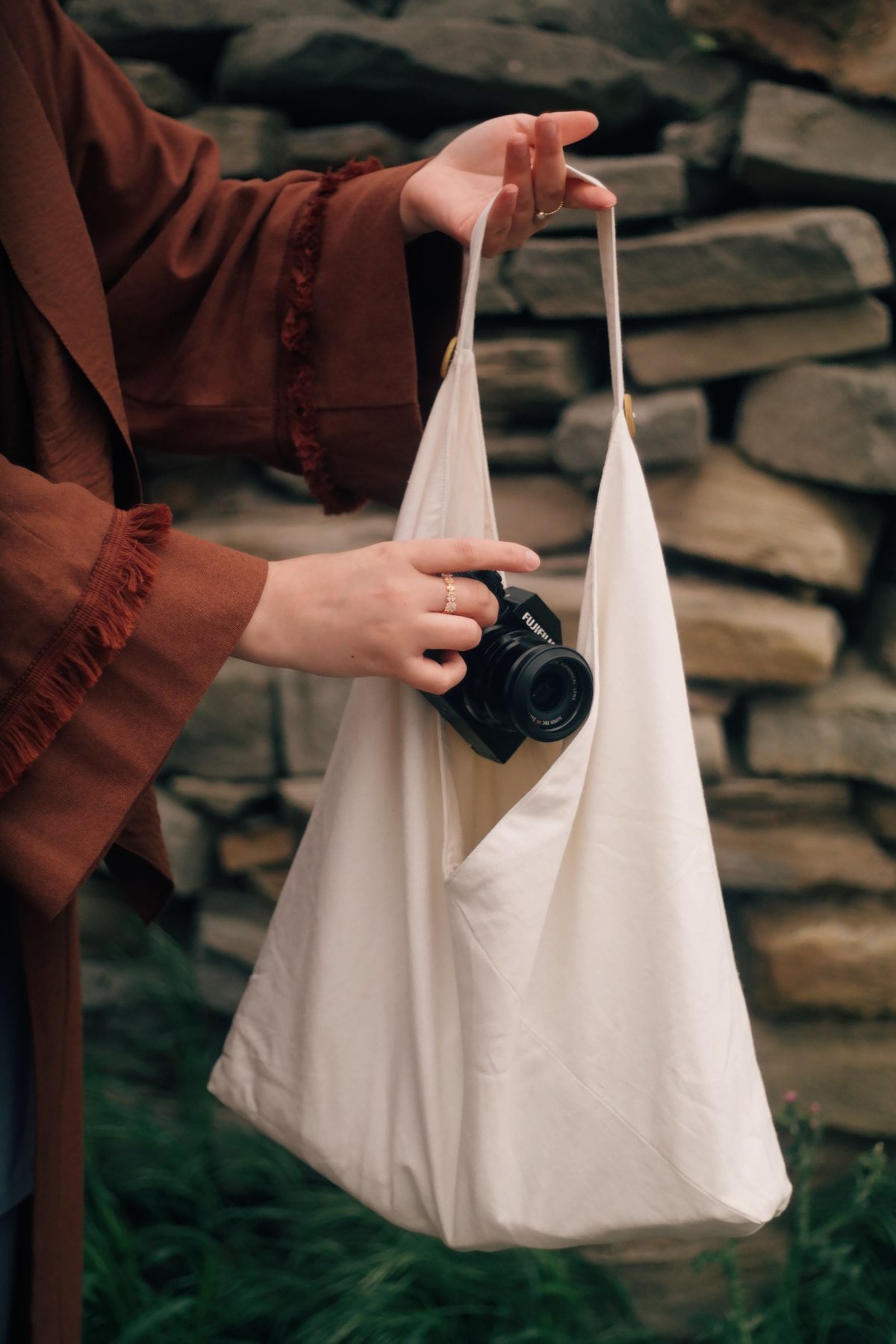
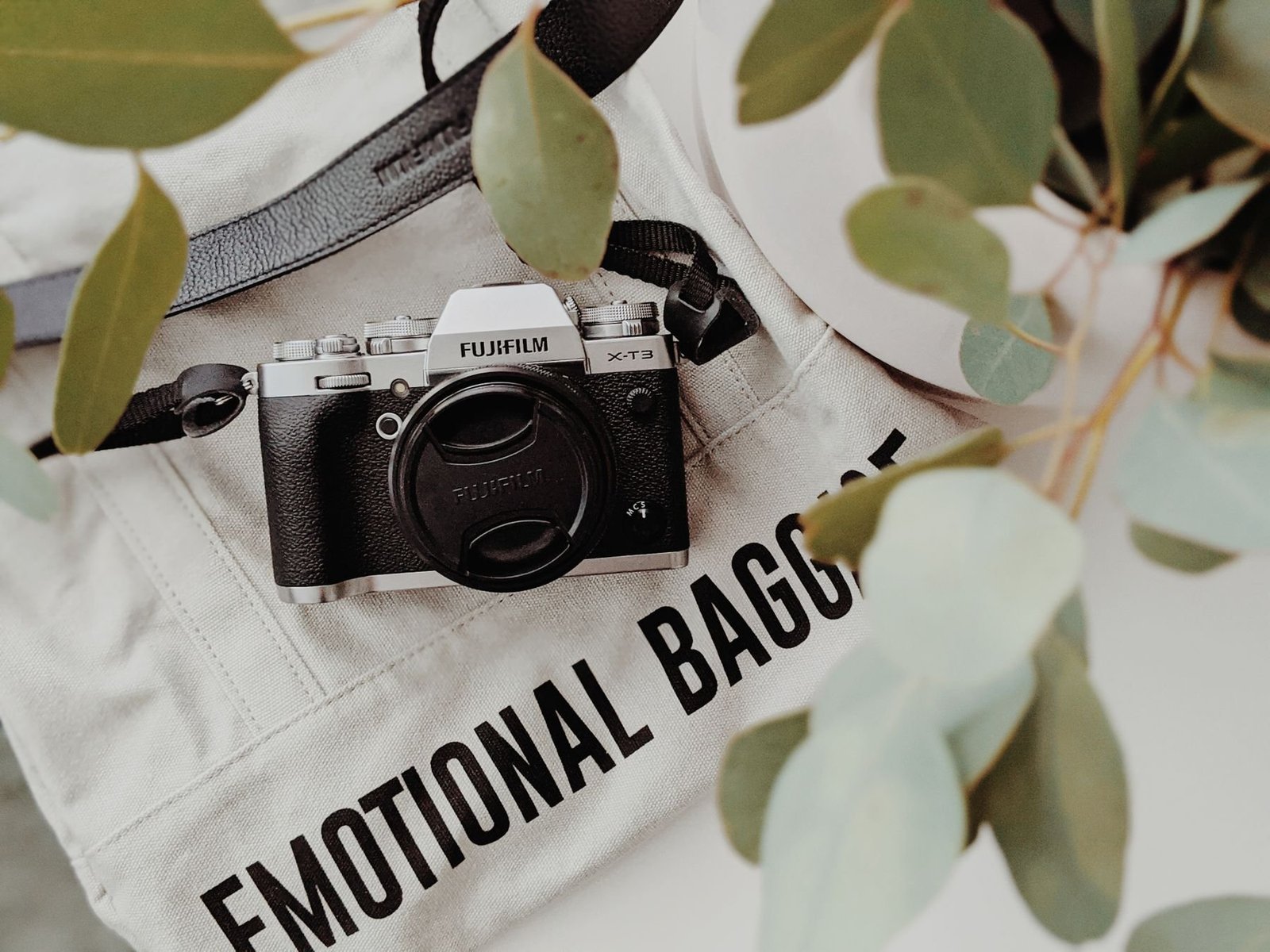
This guide turns the main choices into seven decisions you can put into a supplier brief. It is for independent retailers, gifting teams and brands comparing cotton tote bags for everyday reuse. The photographs show independent real-world examples; they are visual references for the choices discussed.
1. Measure the order you actually sell
Start with a typical basket, not a bag size you remember from another shop. Put the product in its retail box, add any wrapping, then measure the combined width, height and depth. Record the packed weight separately. Repeat this for the largest common order and for anything with corners, protruding closures or an awkward shape.
A bag’s dimensions may describe its flat panels rather than the space available when filled. Ask the supplier which dimensions are measured flat, how seams affect usable space and whether gusset depth is included. Have them identify the measurement order on a drawing. A size such as 380 × 320 × 80 mm is ambiguous without height, width and depth labels.
Practical example: If your retail gift box measures 280 × 220 × 70 mm, send those dimensions and an actual sample. Do not assume a 300 mm wide flat bag will accept it comfortably. The box depth uses fabric and changes the shape of the opening. Try loading, removing and carrying the product before choosing the final size.
2. Compare flat, bottom-gusset and side-gusset shapes
A flat tote uses a simple two-panel shape. It folds neatly and can suit a T-shirt, a notebook or lightweight promotional material. A bottom gusset adds depth at the base. A bag with both bottom and side gussets creates a more defined three-dimensional space. Which works best depends on what goes inside and how customers carry it.
| Construction | Useful starting point | What to check on the sample |
|---|---|---|
| Flat | Slim or flexible products | Opening clearance and how the loaded panels distort |
| Bottom gusset | Boxed products needing base depth | Base fit, seam position and stability when set down |
| Bottom and side gussets | Bulkier retail baskets or gift sets | Usable depth, folding bulk and print visibility |
Stowliva lists both bottom-gusset and bottom-and-side-gusset options on its custom tote bags with gusset page. Compare those with the standard custom cotton tote bags before deciding. These are starting options; confirm the construction and dimensions for your order.
3. Specify fabric without treating GSM as a load rating
GSM is fabric mass in grams per square metre. It helps describe how substantial a fabric feels, but it does not certify a bag’s strength. The weave, yarn, seam construction, handle attachment and contents all matter. A stronger-looking fabric can still have an unsuitable handle seam.
Ask for the fibre composition, fabric weight and finish together. Examine opacity, surface texture and flexibility. Check whether the sample holds its intended shape when empty and filled. If your logo has fine lettering, a textured surface may change how clearly it prints. Compare actual printed swatches rather than choosing from a colour chart alone.
For recycled-material sourcing, Textile Exchange explains the Recycled Claim Standard as a way to verify recycled inputs through the supply chain. It does not establish every environmental or chemical attribute. Its Content Claim Standard overview explains the supporting traceability framework. Ask what evidence covers the exact material and transaction you are buying.
Keep material selection separate from a maximum-load promise. If a carrying capacity is important, agree the test method, load, repetitions and acceptance criteria with the supplier. Keep the resulting record with the approved sample. This article does not assign an untested kilogram rating to any tote.
4. Choose handles people will comfortably use
Handle drop is the distance from the top of the bag to the top of the handle loop when extended. It affects whether a customer can carry the tote by hand or over a shoulder. Overall strap length is a different measurement. Ask for both if the drawing is unclear.
Try the sample with typical clothing and the intended contents. The opening should remain accessible while the bag is worn. Check whether a full bag hits the user’s legs when held by hand or pulls uncomfortably when worn over a coat. Wider handles may distribute pressure differently, but comfort must be assessed on the finished construction.
Inspect the attachment points inside and outside. Look for loose threads, uneven stitching and fabric distortion around the handles. Repeatedly lift and set down a representative loaded sample. Treat this as a practical approval check; a controlled performance claim needs an agreed testing process.
5. Design the printed area around seams and folds
Request a print template showing the maximum usable area, seam exclusions and the bag’s orientation. Put the logo on that template at actual size. A centred flat drawing can look off-centre after filling if the bag folds differently on each side. Review both an empty and a loaded sample.
Use clear artwork, readable lettering and colours that work on the chosen base fabric. Natural off-white cotton changes the visual result compared with a bright white screen. Ask how the printer will handle small reversed text, thin strokes, multiple colours and coverage across a large solid area. Agree the proofing approach before placing the bulk order.
Different printing methods have different preparation and production needs. CottonWorks’ digital printing reference describes ink deposition on fabric. Use it as background when discussing methods with a printer; it does not mean every design should use digital printing. Stowliva’s current tote listings describe water-based ink. Confirm the method, fabric compatibility and sample result for your own design.
If the tote accompanies a smaller accessory, a separate custom drawstring pouch can organise that item inside the bag. Keep each packaging layer useful. An extra pouch should solve a handling or presentation problem, not simply add material.
6. Make reuse practical and environmental claims specific
The most useful reusable bag is one a customer wants to keep using. Consider comfortable handles, a useful everyday size, clear care instructions and a design that still looks good after ordinary handling. A large promotional print is not automatically the best route to long-term use.
The Environment Agency’s carrier-bag life-cycle study is a useful reminder that comparisons depend on production, reuse and disposal assumptions. It concerns bags available in the UK in 2006, so its numerical results should not be presented as a current footprint for your tote. Ask for evidence relevant to the product rather than borrowing a universal reuse threshold.
Make a precise distinction between a material claim and an environmental outcome. The FTC’s guidance on green marketing claims explains why recycled-content wording should identify the relevant amount and component. For a certified organic claim, use the GOTS supplier database to investigate the named entity and scope, then obtain the documents and permissions relevant to the finished order. A fabric name or supplier logo alone is not proof for a finished bag.
Approve a care method for the complete product. Compare a marked sample before and after the proposed wash and drying routine. Record changes in dimensions, colour transfer, handle shape and printed appearance. Do not promise machine washing solely because the unprinted fibre is cotton.
7. Send a brief that makes quotes comparable
Two prices are only comparable when they cover the same bag, print and delivery requirements. Separate the sample, production, setup, packing and freight costs. Record quantities by design and colour. Ask what happens if the fabric, artwork or construction changes after the sample is approved.
- Contents: representative products, packed dimensions, weight and typical basket combinations.
- Construction: finished height and width, gusset arrangement, seam requirements and tolerances to agree.
- Fabric: composition, weight, colour, finish and any documented content claims.
- Handles: width, drop, attachment method and intended carrying style.
- Artwork: actual-size files, sides printed, colours and the approved print area.
- Approval: loading, comfort, appearance, rub, wash and packing checks suited to the intended use.
- Order: quantity, destination, required date and the agreed production approval process.
Use a Stowliva packaging sample kit to explore materials where available, and request a bag-specific sample for fit and print approval. Add a simple printed care or information card if customers need instructions. Your custom packaging brief should identify exactly which samples must be signed off.
For wider planning, compare the sustainable packaging ideas guide. For this order, keep the final decision concrete: choose the tote that fits, carries comfortably and prints clearly, then retain the approved sample as the production reference.
Custom tote bags: frequently asked questions
Should I choose flat or gusseted custom tote bags?
Start with a flat bag for slim items and compare a gusseted sample for bulky or boxed products. Approve the loaded opening, base fit and carrying comfort using the actual contents.
Does higher fabric GSM mean a stronger tote bag?
GSM describes fabric mass per area, not a finished load rating. Fabric construction, seams, handle attachment and the packed contents must be assessed together.
Can cotton tote bags be washed?
Follow instructions approved for the complete bag, including its print and trims. Check shrinkage, colour transfer and print appearance on a sample before promising a washing method.
What should I send for a custom tote bag quote?
Send product dimensions and weight, intended use, bag construction, fabric requirements, handle drop, artwork, quantity, delivery destination and the sample acceptance checks.
Editorial note: Five newly sourced, licensed real photographs illustrate this article. Product specifications, certification scope and claims must be confirmed for each order.