Apparel label sourcing guide
Custom Labels for Clothing: Woven or Printed? 8 Buying Checks
Choose each label by its job, then prove the fold, comfort, placement and care performance on the actual garment.
Short answer: Choose custom labels for clothing by the job each label must do. Use a woven or printed brand label for identity, a readable care-and-content label for required information, and a size solution customers can find quickly. Approve the fold, seam allowance, edge feel, artwork and wash performance on the actual garment before production.
A clothing label is both a branding surface and a working component. It touches skin, passes through sewing, survives care and may carry information required in the destination market. That is why the best label is not simply the one that looks most premium. This guide turns Semrush’s high-intent questions into eight buying checks for independent fashion brands.
To build a coordinated label system, compare Stowliva’s woven cotton labels, printed cotton labels and care and size labels. Plan them alongside the garment, not after the tech pack is finished.
Woven vs printed vs satin vs heat-transfer labels
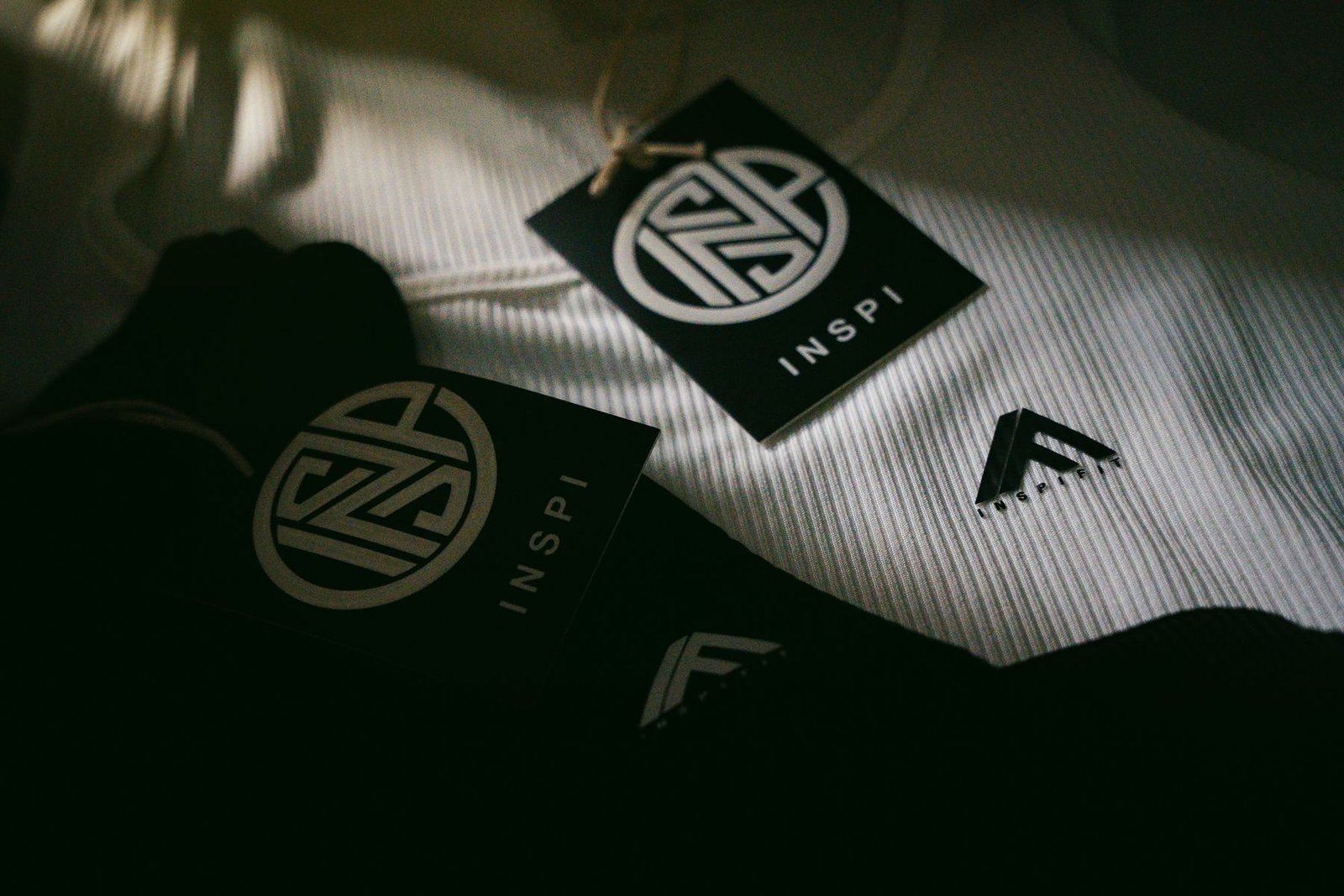
Start with the label’s job, placement and information load. A premium neck mark and a dense care label rarely need the same construction.
| Label route | Often used for | Strength | Watch-out |
|---|---|---|---|
| Woven | Main brand labels, hem tabs and sleeve flags | Thread-built texture and polished brand finish | Tiny type, gradients and fine detail may simplify |
| Printed cotton | Natural-looking brand or information labels | Soft matte character and detailed print potential | Print, fray and shrinkage need wash review |
| Printed satin | Care, content and size labels | Smooth face with room for crisp small text | Shine and cut edges may not suit every garment |
| Heat transfer | Activewear, underwear and tagless basics | Low bulk and no sewn label edge | Bond, stretch and laundering depend on fabric and process |
1. Separate brand identity from required information
A brand label can carry a logo, collection name or distinctive size treatment. A care-and-content label has a different job: it helps communicate fiber, origin, responsible business identity and care information where applicable. One small neck label may not be the best home for both.
For the United States, the Federal Trade Commission’s apparel labeling overview says most textile and wool products must list fiber content, country of origin and the identity of the manufacturer or another responsible business. Care instructions are governed separately. Requirements vary by product and market, so treat this as sourcing guidance rather than legal advice.
Map the label system in the tech pack: main brand label, size marker, care/content label, exterior tab and removable retail hang tag. Stowliva’s fashion branding range and apparel trims overview help teams keep those components visually coordinated without forcing every message onto one tag.
2. Choose woven labels when texture and simple marks matter
Woven labels build the artwork from threads rather than applying ink to a finished face. They often suit logos, wordmarks, borders and small exterior tabs. The result can feel more dimensional, but thread has physical limits: very fine serifs, tiny counters, photographic shading and smooth gradients may not reproduce as expected.
Review artwork at finished size. Ask the supplier to flag lines, gaps and type that fall below its production limits. Approve thread colors against a physical reference and expect reasonable differences between a lit screen and woven yarn. For a dense logo, simplify first rather than relying on a proof that cannot predict every thread interaction.
3. Use printed labels when detail or information density wins
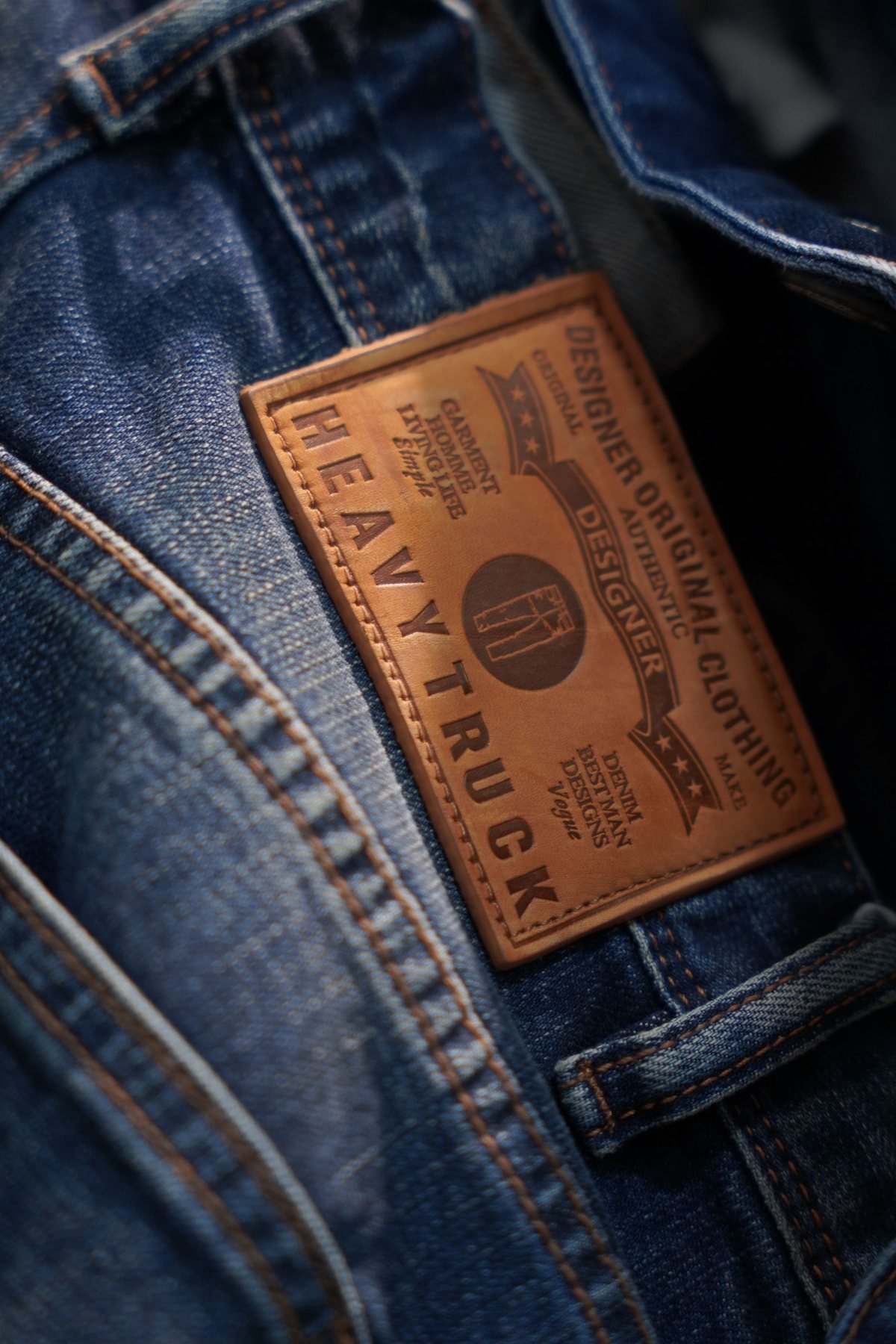
Printed cotton supports a matte, natural look and can carry more detailed artwork than many woven constructions. Printed satin provides a smoother surface that often suits care, content and size information. The right base depends on brand direction, thickness, opacity, edge finish and the amount of text.
Print capability is not the same as readable copy. Test the smallest type at full size, allow space between lines, keep contrast high and review how folds or seams remove usable area. If variable sizes or languages are involved, define every artwork version and quantity before ordering.
The FTC’s detailed Textile and Wool Acts labeling guide explains fiber naming, country-of-origin and business-identity disclosures for covered U.S. products. Use the current official guidance for final copy, not an old competitor label.
4. Treat fold, seam allowance and edge finish as specifications
Fold type controls both appearance and sewing. Straight-cut labels can be stitched flat. End folds hide two edges. Center folds create a loop with two faces. Mitre folds support hanging tabs, while book folds can separate information panels. The visible size is not always the total cut size.
Draw the finished label and mark the seam allowance, fold lines, face orientation and stitch position. Ask whether edges are heat cut, ultrasonic cut, laser cut or folded, and test how they feel against skin. A beautiful woven face can still become irritating if a stiff edge sits at the neck.
Coordinate fold and placement with the sewing factory. A few millimeters of unplanned seam take-up can hide a size, distort a logo or make the two sides uneven. Include the label in the garment sample review and retain an approved physical reference.
5. Build comfort into the label brief
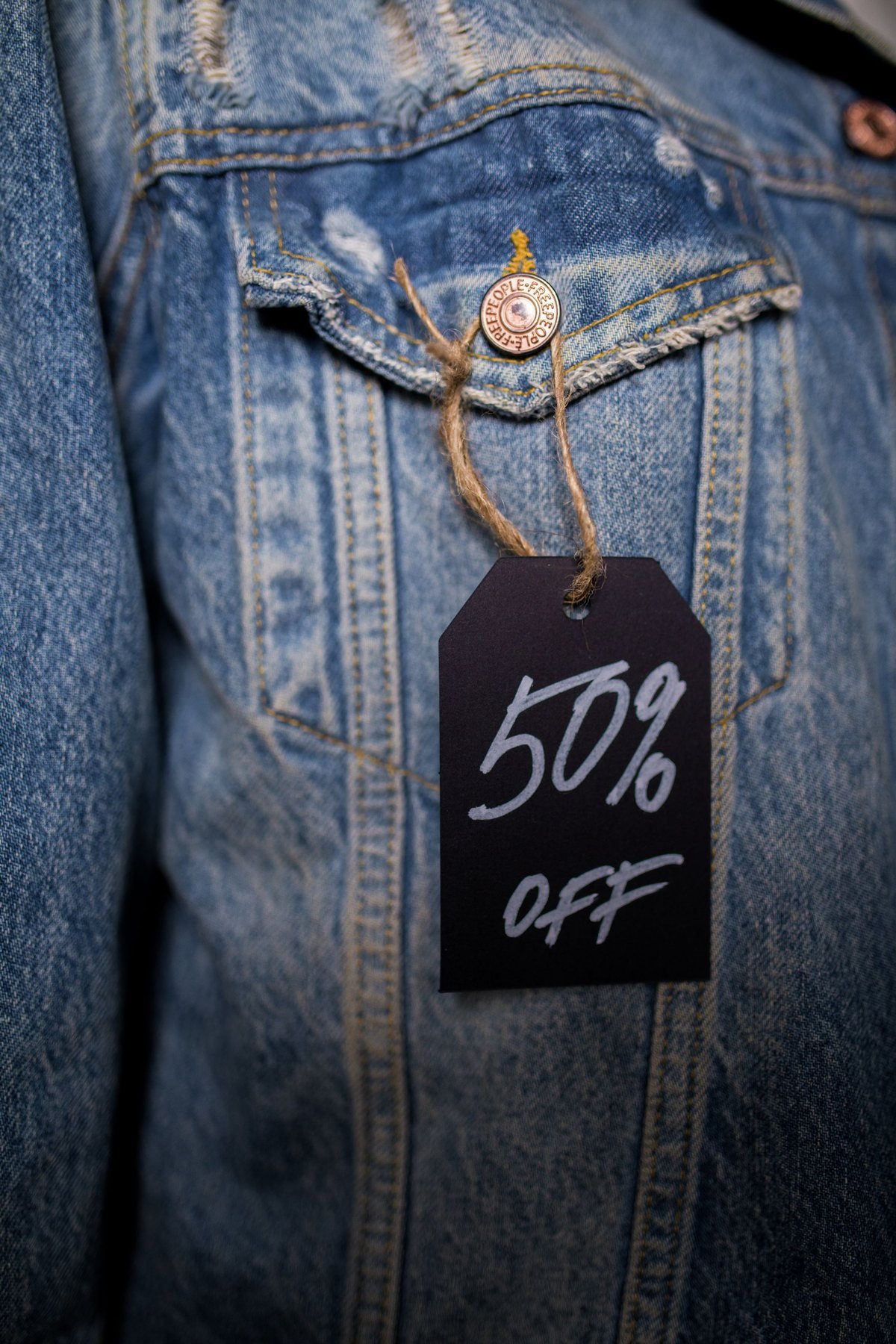
Ask who will wear the garment and where the label touches. Babywear, underwear, activewear and fitted tops need especially careful review. Consider backing, stiffness, yarn density, ink handfeel, edge finish, thread ends and the stack created when brand, size and care labels share one seam.
A heat-transfer mark can remove a sewn edge, but it introduces new variables: garment fiber, stretch, surface texture, finishing chemistry, application temperature, pressure and dwell time. Test for tackiness, cracking, peeling and show-through. A transfer that works on smooth jersey may not behave the same way on rib, mesh or fleece.
If harmful-substance testing is part of the sourcing brief, understand the exact scope of the document supplied. The OEKO-TEX STANDARD 100 overview describes certification for textiles tested for harmful substances and notes that components such as thread, buttons and accessories are considered. Confirm the certificate holder, product class, validity and whether the exact label construction is covered.
6. Write care instructions from evidence, then test the label
Care copy should follow a procedure the finished garment can withstand. The FTC’s Care Labeling Rule guide says covered manufacturers and importers must provide complete regular-care instructions or warnings, and they need a reasonable basis for those instructions.
Test the label and garment together through the intended washing, drying, ironing or cleaning route. Inspect legibility, attachment, shrinkage, curl, fray, bleeding, transfer cracking and comfort. Keep the report with the approved label specification and garment style.
Care-symbol systems are not interchangeable everywhere. ISO 3758:2023 establishes an international system of graphic care symbols, while the FTC guide explains which symbols may be used under the current U.S. rule. Confirm the destination-market requirement before placing symbols on a global label.
7. Check origin, RN and Made in USA wording before print
Country-of-origin wording is not decoration. The correct statement depends on the product and applicable rules. An RN can identify a U.S. business in situations covered by the FTC program, but it does not replace every requirement or automatically belong on every market’s label.
If you plan a U.S.-origin claim, read the FTC’s Made in USA standard guidance. It explains the difference between unqualified and qualified claims and includes textile-specific considerations. Do not copy “Made in USA” from a sample merely because final sewing occurs domestically.
Freeze approved legal copy before bulk printing, record who approved it and version the artwork. When country, fiber blend, factory or care route changes, trigger a label review instead of rolling the old file into the next purchase order.
8. Approve a label system on the actual garment
A loose sample does not show how a label will drape, stack, scratch, twist or disappear into a seam. Sew or apply the production-intent label to each representative garment fabric. Review it inside out and on body, then repeat after care testing.
Confirm placement with measurements from stable garment landmarks. Check that the size is easy to find, care information can be read, exterior tabs sit square and no label interferes with stretch or a nearby seam. Photograph the approved placement and add it to the tech pack.
Extend the same system to removable retail communication. A coordinated sustainable hang tag can carry brand story or non-permanent selling points, while essential permanent information remains on the appropriate sewn or transferred label. For gift or ecommerce presentation, connect the garment labels to Stowliva’s custom packaging options rather than treating packaging and trims as separate brand worlds.
Quote-ready checklist for custom clothing labels
- State the job: brand, size, care/content, exterior tab or combination.
- List destination markets and provide approved final copy.
- Choose woven, printed cotton, satin or heat transfer by use.
- Specify finished size, cut size, fold type and seam allowance.
- Send vector artwork, type sizes, colors and every version.
- Define edge finish, backing, softness and sensitive placement.
- Supply garment fabrics and application or sewing instructions.
- Approve physical samples after the intended care procedure.
For material planning beyond the label face, use Stowliva’s materials library. Ask the supplier to identify yarn or fabric base, ink, adhesive or backing, edge process, tolerances and packing method in the production specification.
Frequently asked questions
Are woven or printed labels better for clothing?
Neither is universally better. Woven labels often suit simple premium brand marks. Printed labels can carry finer detail and dense care information. Choose by garment, placement, comfort and wash needs.
What information belongs on a clothing label?
That depends on product and destination market. In the U.S., most covered textile and wool products need fiber content, country of origin and responsible business identity; covered apparel also needs care instructions.
How large should a clothing label be?
Large enough for readable approved copy and the required seam allowance, but not so large that it irritates the wearer or distorts the garment. Approve dimensions on the actual style.
What file should I send for a woven label?
Editable vector artwork is usually the best starting point. Outline fonts, identify colors and inspect the logo at finished size. Follow the supplier’s limits for type, lines, gaps and thread count.
Do custom care labels need wash testing?
Yes. Test the label on the garment through the intended care route and inspect readability, attachment, shrinkage, curl, bleed, fray and comfort.
Can I use ISO care symbols in the United States?
Do not assume an international symbol set is accepted everywhere. Review the current FTC rule for U.S. products and the applicable destination-market rules before approving artwork.
Next step: Send label purpose, garment fabric, placement, finished size, fold, artwork versions, destination markets and quantity through Stowliva’s custom label quote form. A precise brief produces a useful sample.
Editorial note: Five newly sourced, licensed real photographs illustrate this article. Product specifications, certification scope and claims must be confirmed for each order.