Apparel packaging sourcing guide
Custom Garment Bags: Which Material Works? 9 Sourcing Checks
Protect the real garment, prove the closure and print, and test the complete packout before approving volume.
Short answer: Choose custom garment bags by the garment, packing method and shipping route—not by fabric color or unit price alone. Define the finished size and gusset, match the material and closure to the job, approve branding on a filled sample, and test the complete packout before bulk production.
That sequence prevents the expensive failures buyers discover too late: crushed shoulders, split hanger openings, logos hidden by the garment, color transfer, weak zippers and environmental claims the finished bag cannot support. Semrush research showed clear commercial demand around this topic, so this guide answers the buying questions behind custom garment bags with a comparison, nine approval checks and a quote-ready brief.
If you already have a size in mind, compare Stowliva’s custom garment bags from 50 pieces. For folded apparel or accessories, also review custom drawstring bags and recycled cotton dust bags. The right format depends on the real garment and distribution flow.

Custom garment bag materials compared
No material wins every use case. A hanging suit cover, a warehouse inner bag and a travel-ready cotton cover solve different jobs. Use this table to shortlist options, then approve the exact construction with a physical sample.
| Route | Best-fit use | Useful strength | Main watch-out |
|---|---|---|---|
| Recycled-content film | Folded or hanging apparel needing dust and moisture protection | Lightweight, scannable and printable | Recycled content and recyclability are separate claims that need evidence |
| Compostable film | Selected inner-packaging programs with a defined composting route | Can support a specific certified claim | Certification scope, components and disposal access must match the claim |
| Cotton cover | Premium fashion, bridal, tailoring, resale and travel | Reusable presentation and soft hand feel | Bulk, shrinkage, dye transfer and seam strength need review |
| Nonwoven cover | Suits, dresses, uniforms and seasonal storage | Lightweight and economical with a broad print area | Weight, abrasion, creasing and seam quality vary widely |
1. Define the bag’s job before choosing the material
Start with one sentence: “This bag must protect a steamed blazer on a hanger from the factory through parcel delivery,” or “This cover must present a bridal gown in store and remain useful at home.” That job determines whether you need visibility, breathability, water resistance, a premium hand feel, return reuse or compact freight.
Then map the bag into the rest of the system. Will it sit inside custom apparel boxes, a mailer or a master carton? Will a custom hangtag remain visible? Does tissue touch the garment? A material chosen in isolation often creates avoidable bulk, trapped moisture or poor presentation.
2. Measure the packed garment, including depth
Do not measure only the empty hanger or a flat sketch. Measure the garment in the exact state in which staff will pack it: buttoned, zipped, steamed, folded or layered. Record maximum shoulder width, finished length, depth at the thickest point, hanger-hook position and clearance for the closure.
Coats, gowns, puffers, structured jackets and multi-piece sets often need a side or bottom gusset. Ask for a flat and gusseted prototype when the depth is uncertain. An oversized bag wastes material and can look untidy; an undersized bag strains seams, crushes the silhouette and makes packing slow. Build a small size matrix for shirts, suits, dresses and outerwear rather than forcing every SKU into one size.

3. Treat environmental wording as a specification
“Eco-friendly” is not a material specification. The U.S. Federal Trade Commission’s Green Guides summary warns against broad, unqualified environmental benefit claims and explains when recyclable, recycled-content and compostable claims require evidence or qualification.
For compostable film, request the standard, certificate holder, product or thickness covered and rules for ink, adhesive, label and closure. ASTM D6400 addresses plastics intended for aerobic composting in municipal or industrial facilities, while ISO 18606 sets requirements for packaging recoverable through organic recycling. Those references do not make an untested finished bag compliant.
For a recycling message, review the finished construction and destination market. The How2Recycle Guidelines for Use show why label wording and eligibility need a controlled process. Keep certificates and claim approvals with the purchase specification, not only in marketing files. Stowliva’s materials overview is a useful starting point for the supplier discussion.
4. Choose a closure customers and packers can use
A zipper supports repeated access but adds hardware, sewing and a potential snag point. An adhesive strip is fast for fulfillment but must suit the film, storage climate and any return journey. Drawstrings, snaps, hook-and-loop tabs and open bottoms each trade protection for speed or reuse.
Run a simple handling trial with the people who actually pack orders. Time ten units, then open and repack them. Check whether the hanger opening tears, the zipper catches fabric, the puller touches delicate trims or the adhesive curls an edge. If a reusable bag is part of the offer, cycle the closure more than once and define an acceptable failure rate before the supplier quotes.
5. Control moisture, ventilation and color transfer
A garment bag creates a small environment around the textile. Film can reduce exposure to dirt and wet handling, but a garment packed damp may hold moisture. Cotton and nonwoven covers can feel more breathable, yet openings and porous materials offer less protection against liquid.
FedEx guidance for shipping clothes recommends placing clothing in a plastic bag, polybag or garment bag to help protect it from dirt or moisture, while still using a suitable outer package. For colored textile covers, test rubbing and transfer against the lightest garment. The AATCC standards library includes textile colorfastness and performance methods that a qualified lab can help select.

6. Approve logo artwork on a filled production-intent sample
The same artwork behaves differently on film, cotton and nonwoven material. Small type, thin rules, gradients and low-resolution raster files may fill in or disappear. Send editable vector artwork, outlined fonts, named colors, required clear space and a marked print position. Stowliva’s artwork guide explains the basic preflight details.
Approve the mark with the garment inside. The drape can shift the visual center, while a lapel, hanger or gusset can cover part of the logo. Check the sample in retail lighting and in a phone photo because the bag may appear in product pages, creator content and resale listings. Keep disposal or material wording separate from a decorative badge so customers can read any qualification clearly.
7. Specify construction, tolerances and quality checks
A quote that says only “nonwoven garment bag with logo” is not comparable. State material type and weight or thickness, finished dimensions, gusset, seam type, hanger opening, closure, handle, window, print method, colors and packing method. Add measurable tolerances for size, print position and color reference.
Define checks that reflect the risks: seam pull, hanger-hole reinforcement, closure cycling, zipper operation, odor, surface marks, sharp edges and packed appearance. ASTM D4966 covers abrasion resistance of textile fabrics by the Martindale method; a testing professional can confirm whether it or another method fits your cover. Keep one approved sample and signed specification as the inspection reference.
8. Test the entire ecommerce packout
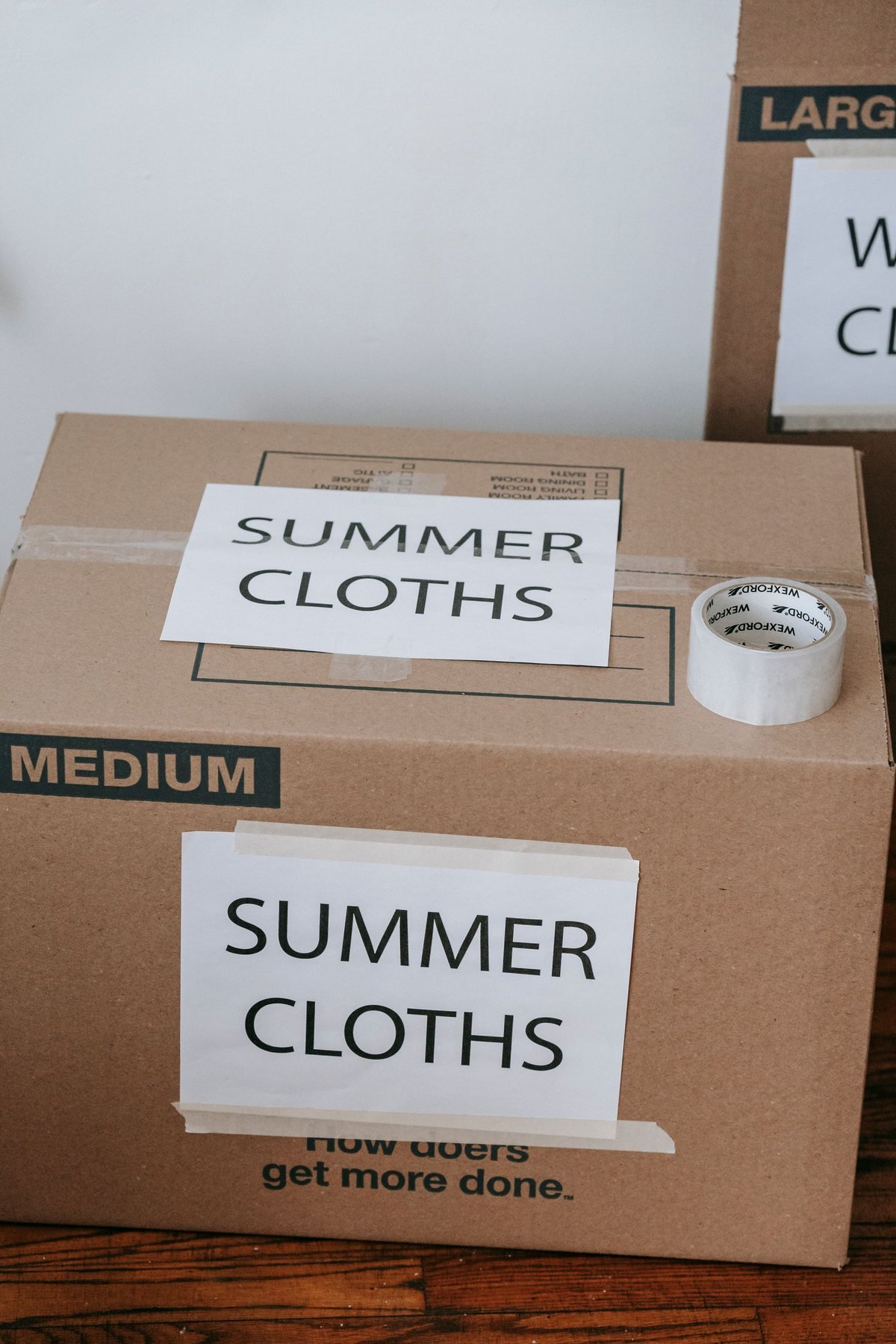
A showroom sample cannot reveal parcel-network failures. Pack the actual garment, bag, custom tissue paper, inserts and outer shipper. Include the hanger only if it will travel. Define failure in advance: torn bag, open closure, wet or wrinkled garment, unreadable branding, excessive scuffing or an unacceptable unboxing state.
The International Safe Transit Association test-procedure overview explains the difference between screening and general-simulation tests. UPS packaging guidelines also emphasize suitable outer packaging and closure. Choose any formal protocol with a packaging professional; the point is to test the packed system and its real distribution hazards, not to attach a standard number after production.
9. Compare total landed performance, not unit price
A low price can hide thinner material, weaker stitching, more rejects, larger cartons or slow packing. Compare suppliers using the same specification and add freight cube, carton quantity, packing time, damaged-garment risk, split-size fees and obsolete branded stock. Ask whether sizes and artwork versions can share a run.
For a new line, a controlled pilot can be worth more than an immediate high-volume discount. Use Stowliva’s custom MOQ guide to frame setup costs and version planning, then request a production-intent sample before approving bulk.

Quote-ready custom garment bag checklist
- Garment category, value, packed state, hanger type and sales channel.
- Finished length, width, gusset and closure clearances for each size.
- Material, weight or thickness, color, seams, window and reinforcement.
- Closure type, reuse expectation and required cycle or handling checks.
- Vector artwork, print method, colors, location and approved tolerances.
- Claim wording plus certificates or evidence for the finished construction.
- Inner and outer packout, carton quantity, route and test plan.
- Order quantity by size and artwork, lead time, incoterms and inspection level.
Frequently asked questions
What is the best material for custom garment bags?
There is no universal best material. Film may suit lightweight inner protection, cotton can support premium reuse, and nonwoven covers may balance presentation and cost. Match the material to the garment, channel, evidence behind claims and full packout.
How many garment bag sizes should a brand order?
Use the smallest set that protects the main garment families without tight fits or large empty areas. Many brands separate tops, suits or dresses and bulky outerwear, then add a specialty size only when volume justifies it.
Are custom garment bags with a logo worth it?
They can be when the bag protects the product, improves presentation, supports returns or remains useful. If the customer discards it immediately, prioritize protection and fit before adding complex decoration.
Can compostable garment bags be called sustainable?
Avoid broad language. State the specific standard, certification scope, composting setting and limits that you can support for the finished bag and target market.
What should be approved before mass production?
Approve material, dimensions, gusset, seams, closure, artwork, color, claim wording, packed appearance, carton fit and test result. Keep the signed specification and physical sample as the production reference.
Next step: Send garment measurements, photos of the packed state, size mix, material preference, artwork, shipping route and quantity through Stowliva’s custom packaging quote form. A complete brief makes supplier quotes comparable.
Editorial note: Five newly sourced, licensed real photographs illustrate this article. Product specifications, certification scope and claims must be confirmed for each order.