Bath bomb packaging protection guide
Bath Bomb Packaging: 8 Checks to Avoid Damp & Crumbs
Prevent avoidable chips and damp packs by approving the formula, wrap, box and shipping system together.
Effective bath bomb packaging needs to manage moisture, movement and customer information together. Decide whether the product needs an individual protective wrap, choose a box or container that fits its real shape, then validate the complete pack. A decorative carton, tissue wrap or loose filler should not automatically be treated as a moisture barrier.
A bath bomb that arrives chipped or damp can turn a promising gift into a disappointing order. The solution is not always a thicker box. These eight checks help small brands compare packaging formats, brief a supplier and approve a sample that protects the actual product without losing the visual appeal.
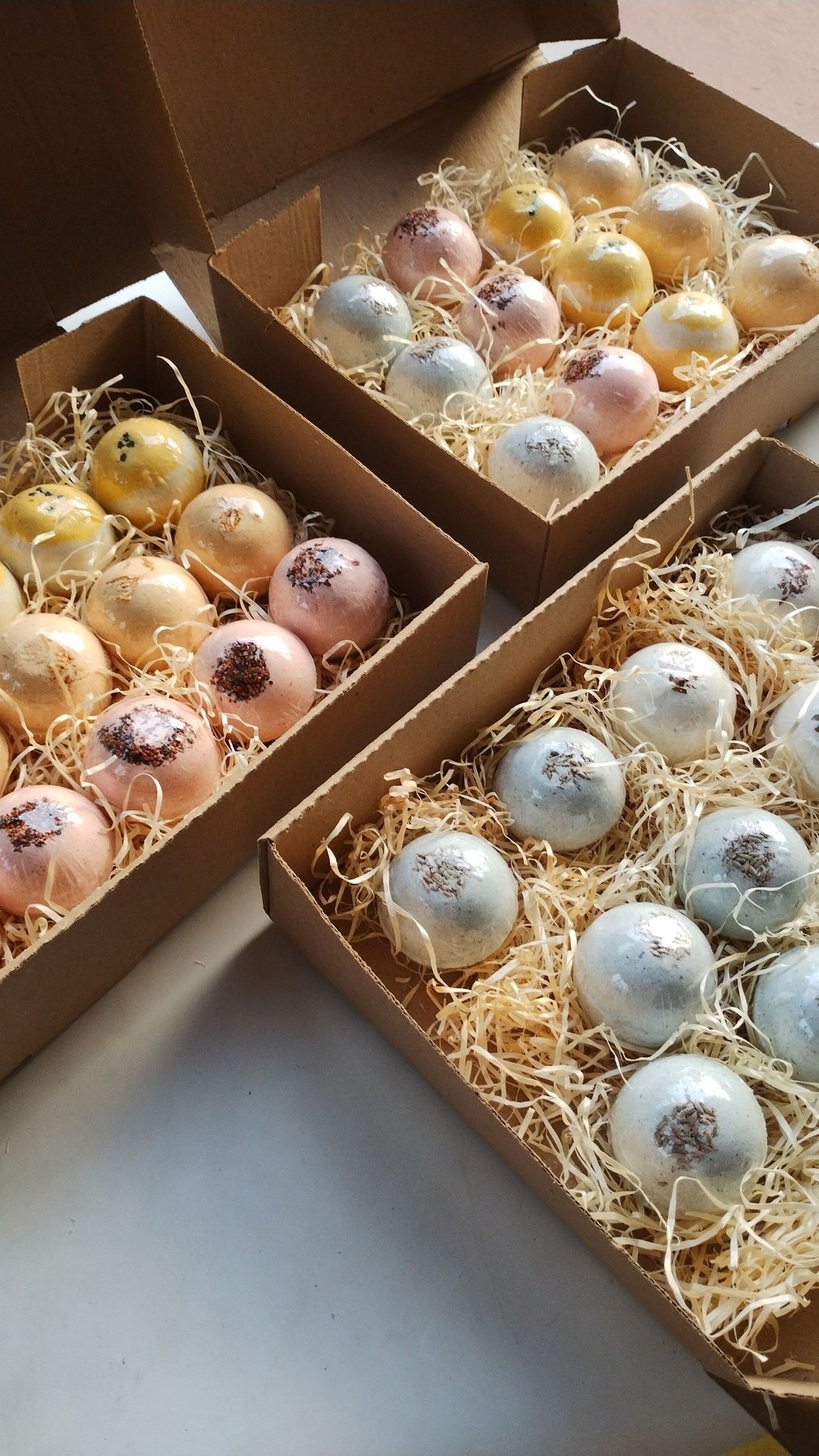
1. Start bath bomb packaging with the formula and storage conditions
Understand the product before choosing its wrapper. An American Chemical Society laboratory study describes bath bombs made with citric acid and baking soda reacting in water. Lush’s bath bomb FAQ also warns that moisture affects storage. These sources explain why moisture deserves attention; they do not establish a universal barrier specification for every formulation.
Ask your product team to define the conditions the finished bath bomb can tolerate. Consider how long it will wait before packing, how it is stored, the delivery environment and the intended customer storage period. Record those assumptions in the packaging brief. A pack designed for quick local sales may need a different evaluation from one sitting in a warehouse before parcel delivery.
Run trials with products from the planned production process. Hardness, surface detail, oils, fragrance and decorative ingredients can vary between formulas. A packaging sample that works with one smooth sphere may scuff a fragile botanical topping or fail to hold a flatter shape.
If you are choosing the printed outer pack, start with Stowliva’s custom bath bomb boxes. Explain whether that box will hold bare products, individually wrapped products or a separate container. This lets the supplier address the box’s role without assuming it provides an unverified barrier.
2. Compare paper wraps, individual packs and containers by function
Assign each packaging layer a job. A paper wrap can organize or protect the surface. A validated individual pack can manage exposure. A carton can provide structure and printing space. A shipping box protects the assembled retail pack during delivery. Check each function rather than judging it by colour or texture.
| Option | Useful role | Important check |
|---|---|---|
| Decorative paper wrap | Presentation and product separation | Surface contact, staining, rubbing and whether additional moisture protection is needed |
| Sealed individual pack | Product-specific exposure control | Material, seal, opening and evidence for the required storage conditions |
| Individual folding carton | Retail presentation and information | Internal fit, closure and movement after handling |
| Multi-product gift box | Assortment display and gifting | Separation, product removal and protection of decorative surfaces |
| Rigid container or jar | Storage and display | Closure, compatibility, removal and shipping protection |
Do not choose a wrap only because another brand uses it. Its formula, sales channel and storage assumptions may differ from yours. Compare candidate packs with the same product and the same exposure conditions, then assess the surface, odour, appearance and performance using agreed criteria.
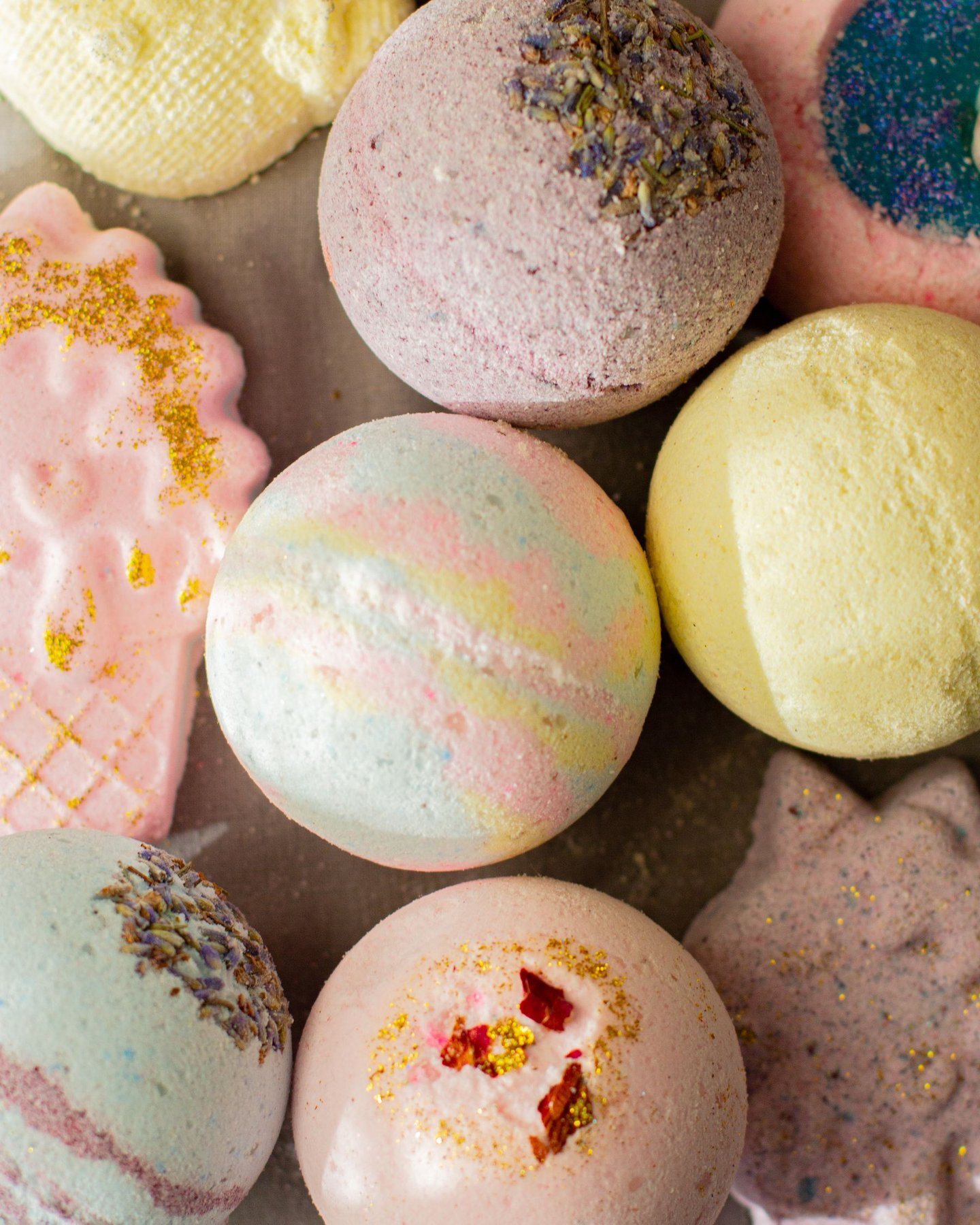
A window cutout can make a colourful product easier to see, but it changes the construction. Confirm whether the opening has a film, how the film is attached and how the finished pack is evaluated. A display opening is not proof of protection. If the pack needs a sealed primary layer, the window should be designed around it.
3. Measure the largest finished shape and leave room to remove it
Measure the finished, sale-ready product after the maker’s production process is complete. Include its wrap, decorative toppings and any projecting details. Specify the usable internal dimensions of the box and the position the bath bomb will occupy, then test loading and removal.
For a sphere, record the largest measured diameter across representative units. For a heart, shell or novelty shape, record the maximum length, width and height in the intended orientation. Include the size range your production process allows. Designing around one unusually small sample creates avoidable fit problems later.
There is no universal clearance allowance. A thick fold of paper, a folded seal or an insert changes the available space. Too little clearance can damage the surface during loading. Too much can allow repeated impact in transit. The right balance must be established on a physical sample with the chosen packout.
Compare custom folding cartons for single units and custom gift boxes for assortments. For each design, approve the opening direction, grip area and removal action along with the dimensions. Customers should not need to crush the package to retrieve the product.
4. Separate moisture protection from surface cushioning
A material that cushions a product does not necessarily control moisture exposure. Evaluate those functions separately. If a formula needs a protective primary pack, identify it first; then select the tissue, insert or outer box that supports the desired presentation and shipping performance.
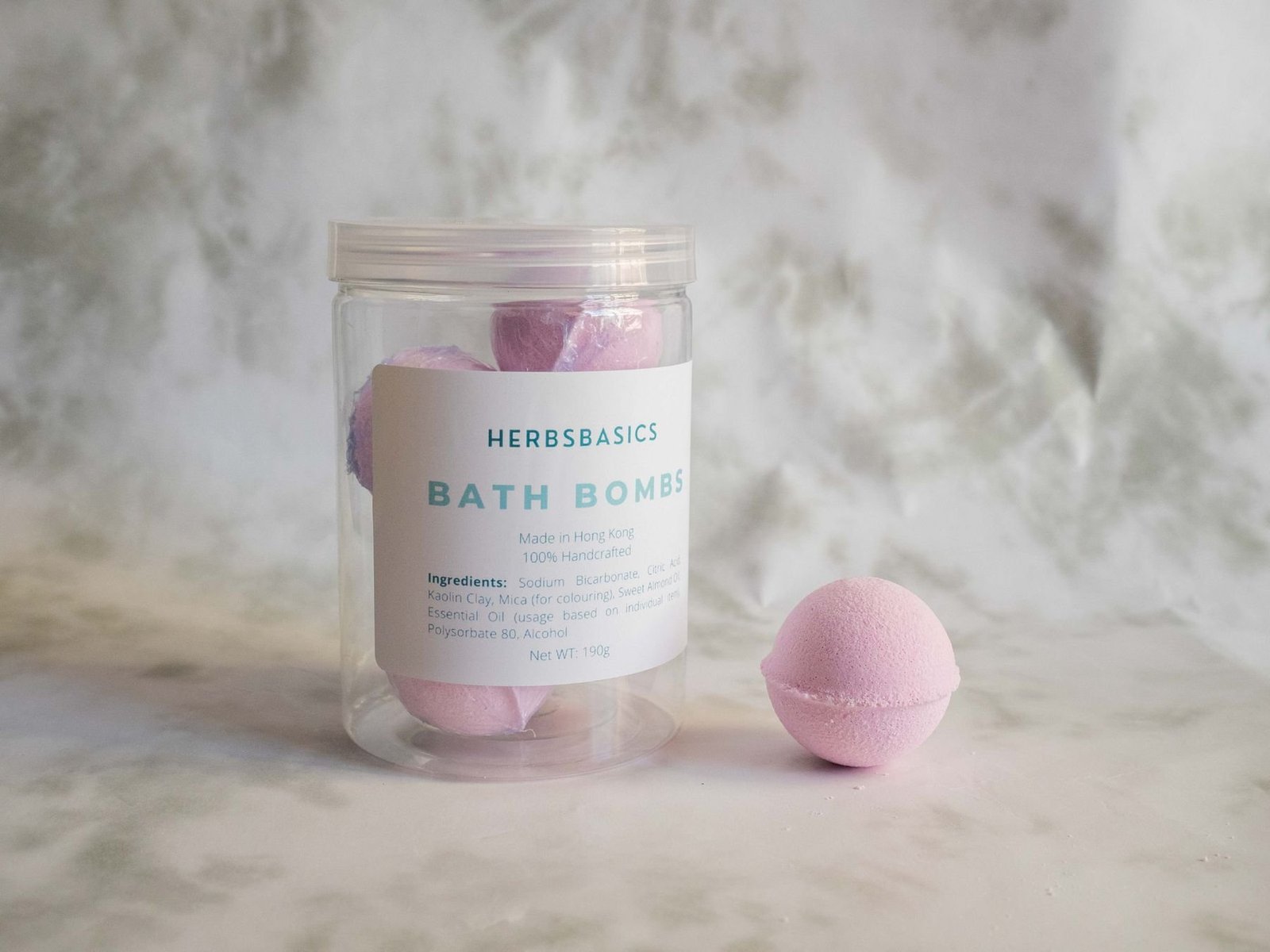
A clear container can show the product while keeping it together, as the reference photo illustrates. Its actual closure and material still need evaluation. Do not describe a container as airtight or moisture-proof based on a photograph. Test the specific supplier sample, including how it is closed during packing and opened by the customer.
Check whether the product stains the paper, transfers colour, loses decorative pieces or picks up an unwanted smell. Examine the contact surfaces after storage as well as immediately after packing. Keep incompatible fragrance variants apart during trials so you can see whether the packaging supports the intended assortment.
For decorative wrapping, confirm the selected tissue paper options against the actual formula. Presentation materials should be chosen for their validated role. Avoid promising product shelf life from a tissue weight, carton thickness or environmental claim.
5. Design gift-set separation before adding loose filler
Hold each bath bomb in place without pressing hard on its surface. Compartments or an insert can help separate products, but the contact shape matters. A sharp edge, narrow support point or tight cavity can create the damage the insert was intended to prevent.
Test the assortment in every intended orientation. A box that holds products neatly when lying flat may let them collide when placed on its side. Check whether the lid limits vertical movement, whether wraps catch on divider edges and whether the customer can lift each product out without rubbing its surface.
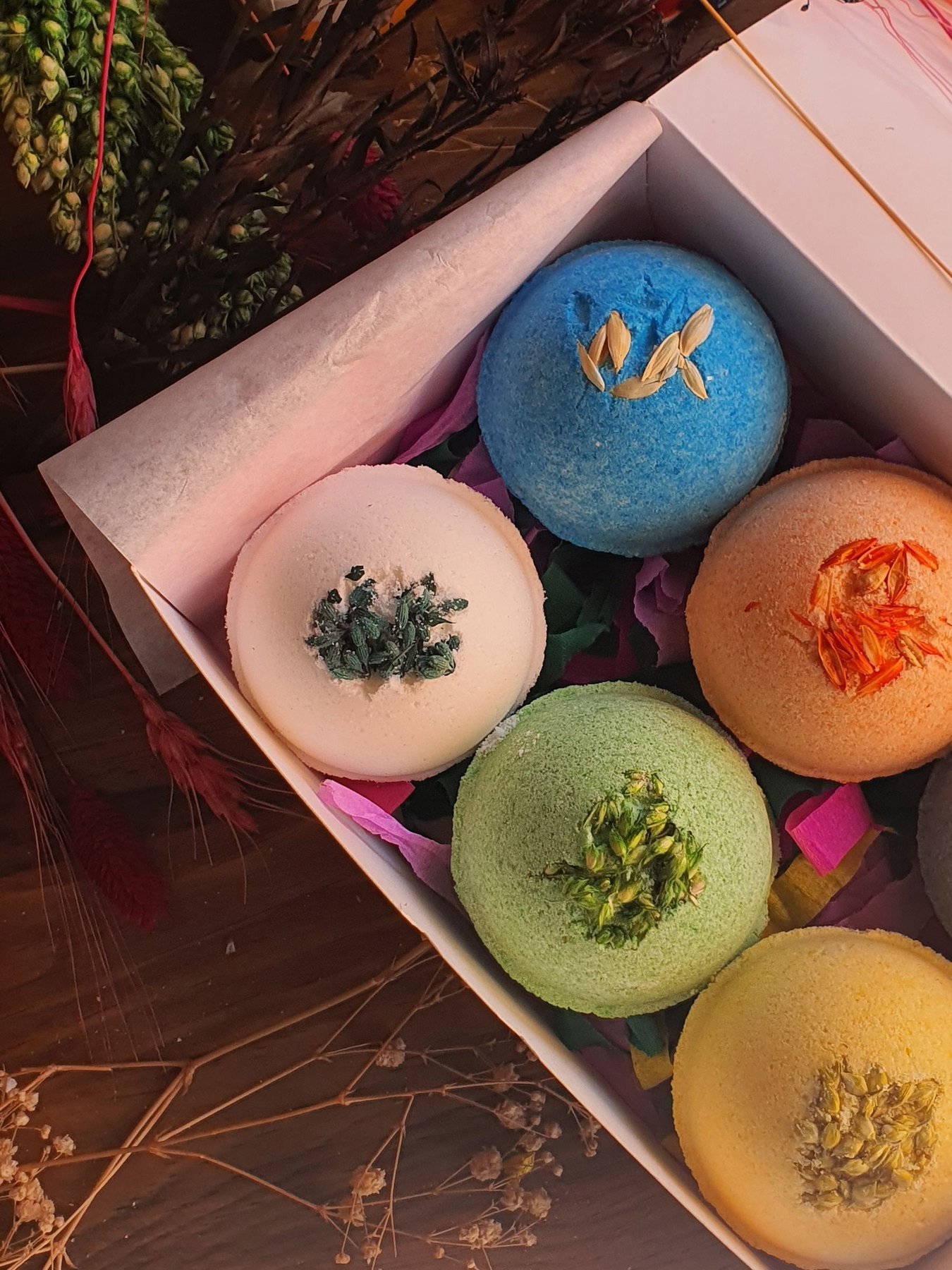
Loose crinkle filler can be attractive, but its performance depends on quantity, placement and the product. Define a repeatable packout rather than letting every packer choose an amount by eye. Keep decorative botanicals and other loose pieces from obscuring product information or making the opening unnecessarily messy.
Discuss custom packaging inserts when location is the main challenge. If you also compare Stowliva’s crinkle paper filler, test it as part of the complete arrangement. More filler is not automatically better protection, and an elegant photograph does not replace a shipping evaluation.
6. Keep labels readable and claims tied to evidence
Plan the label space around the actual product and sales market. For a US cosmetic product, use the FDA’s Cosmetics Labeling Guide when preparing the required information. Product identity, quantity, ingredients and business information need a layout appropriate to the item. This article is not a complete market-specific label review.
Check the finished package at normal reading distance. A tiny text panel may look clear when enlarged on screen and become unreadable after printing. Keep necessary information away from folds, glue areas and tear features. For a gift assortment, establish how the relevant information stays associated with each product after the outer box is opened.
Separate packaging marketing from claims about what the product does. A box supplier should not invent therapeutic benefits for the formula. Use product information approved by the responsible brand team, and make sure the storage instructions match the conditions used in the product’s own validation.
Disposal instructions also need a component-level check. The FTC’s environmental claims guidance explains the need to substantiate and qualify recyclable or compostable statements. A paper box does not make an individual film wrap compostable. If an FSC label is requested, follow the FSC product-label requirements and confirm the relevant certified supply chain and permissions before printing the mark.
7. Test the complete parcel for crumbs, scuffs and movement
Evaluate the assembled shipment, not just the empty box. Include the bath bomb, primary wrap, insert or filler, retail box and outer shipper. Decide what counts as damage before the test: broken units, damaged decoration, transferred colour, opened seals or loss of the intended presentation.
Use consistent samples and record the packout. Photograph the products before and after handling, note which position failed and distinguish product weakness from packaging movement. If one variant repeatedly chips, changing the entire assortment box may be less useful than addressing that variant’s support or production characteristics.
ISTA’s procedure guide distinguishes initial screening from distribution simulations. Select a relevant protocol with a packaging professional or test lab when formal validation is needed. A home drop or shake can reveal an obvious problem, but it does not justify claiming that the package passed an ISTA procedure.
For ecommerce orders, compare custom mailer boxes around the approved retail unit. Confirm the outer closure and whether the presentation box can move inside. Retest the arrangement when changes to the product, wrap, insert or shipping pack could affect protection.
8. Compare total packing cost and approve the sample
Compare the delivered packout cost rather than the carton price alone. Include primary wrapping, box, insert, label, filler, assembly time, storage and outer shipping materials. Ask suppliers to quote the same dimensions, construction, finishes and quantities so the comparison is meaningful.
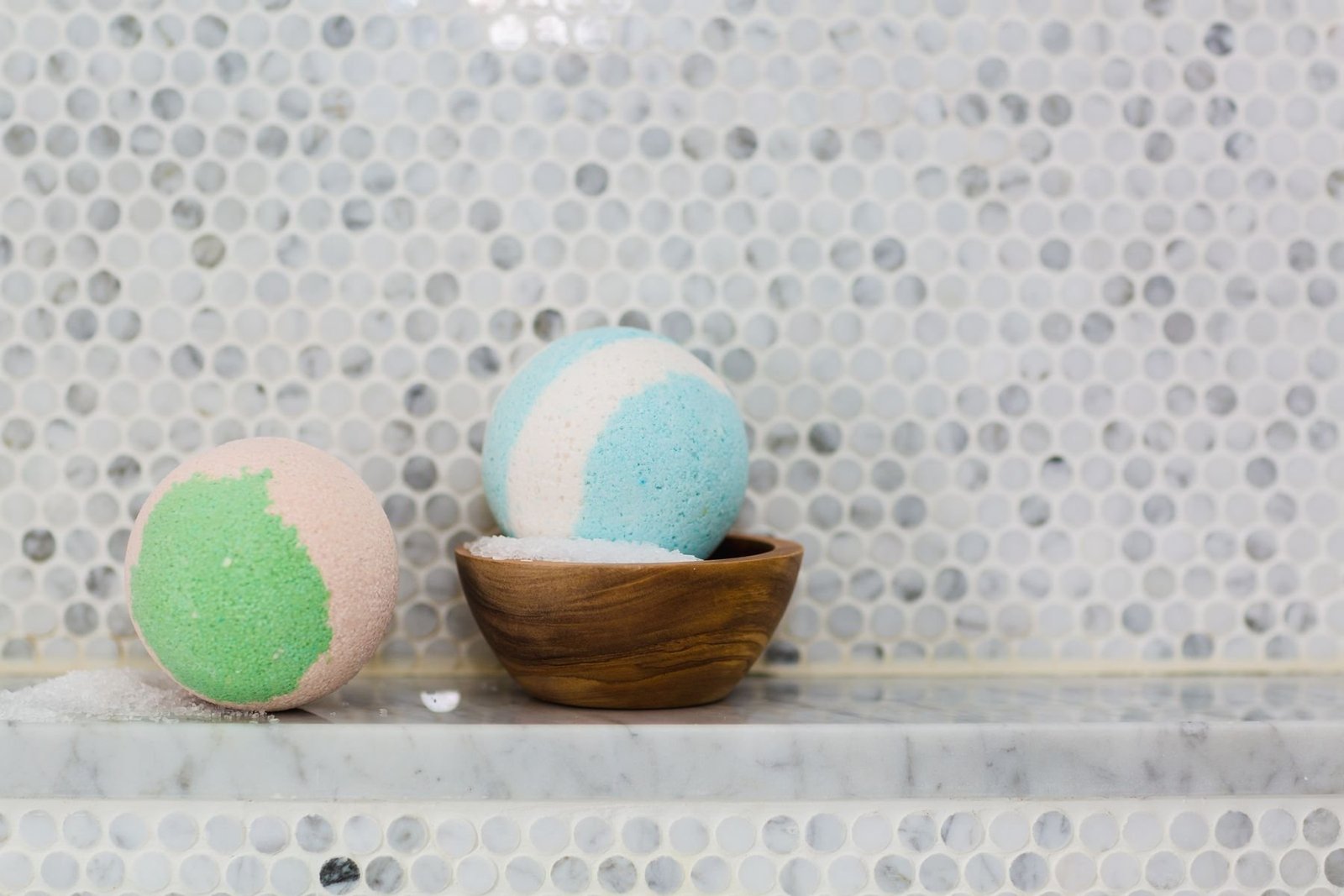
A useful trial order has clear approval criteria. Confirm fit across the product’s size range, closure, surface compatibility, label readability and customer opening. Ask a packer to assemble several units using the proposed instructions. If the routine is slow or inconsistent, simplify the design before committing to bulk production.
For an illustrative four-product gift set, define the exact variants and their orientation, test the individual protection each needs, approve the arrangement and place that gift pack inside its planned shipper. The number is an example, not a universal layout. A two-product or mixed-shape set may need a different structure.
Retain the approved sample and specification together. Record which material, insert and wrap were tested, and define how changes are approved. This makes the next production run easier to check and helps distinguish a packaging change from a change in the bath bomb itself.
Ordering bath bomb boxes wholesale: what to send
Send the finished dimensions and size range, product count, primary-wrap decision, decorative details, destination market, sales channel, storage assumptions, artwork and planned order quantity. Include a photo of the actual product for fit discussion and identify any surface damage you have already observed.
Start with Stowliva bath bomb box options, explore the packaging sample kit for material and finish comparisons, or request a project quote. Approve a project-specific loaded sample before placing the production order; a general sample kit cannot establish protection for your formula.
Bath Bomb Packaging: frequently asked questions
Does a cardboard box protect bath bombs from moisture?
A cardboard box provides structure but should not automatically be treated as a moisture barrier. Determine the formula and storage requirements, then test the selected primary protection and complete pack.
Can tissue paper be used for bath bomb packaging?
Tissue can serve a decorative or separating role when compatible with the actual product. Check staining, colour transfer, fragrance and surface damage, and decide separately whether the product needs a validated protective primary pack.
How do you stop bath bombs breaking during shipping?
Reduce uncontrolled movement, avoid damaging contact points and test the bath bomb, wrap, insert, retail box and outer shipper together. Approve the actual product variants and packing method before production.
Are custom bath bomb boxes suitable for gift sets?
They can be when dimensions, separation, opening and shipment protection are approved for the chosen assortment. Measure the finished products and their wraps rather than using a generic cavity size.
About this guide: Prepared by Stowliva Editorial using the linked references, reviewed October 13, 2026. Reference photographs show independent examples. Confirm specifications and claims for the selected order.