Packaging Education
Take-Back Programs
A take-back program gives used packaging or products a managed return route. Its value depends on what is recovered after collection, not simply how many return bags are sent out.
Explore the guide ↓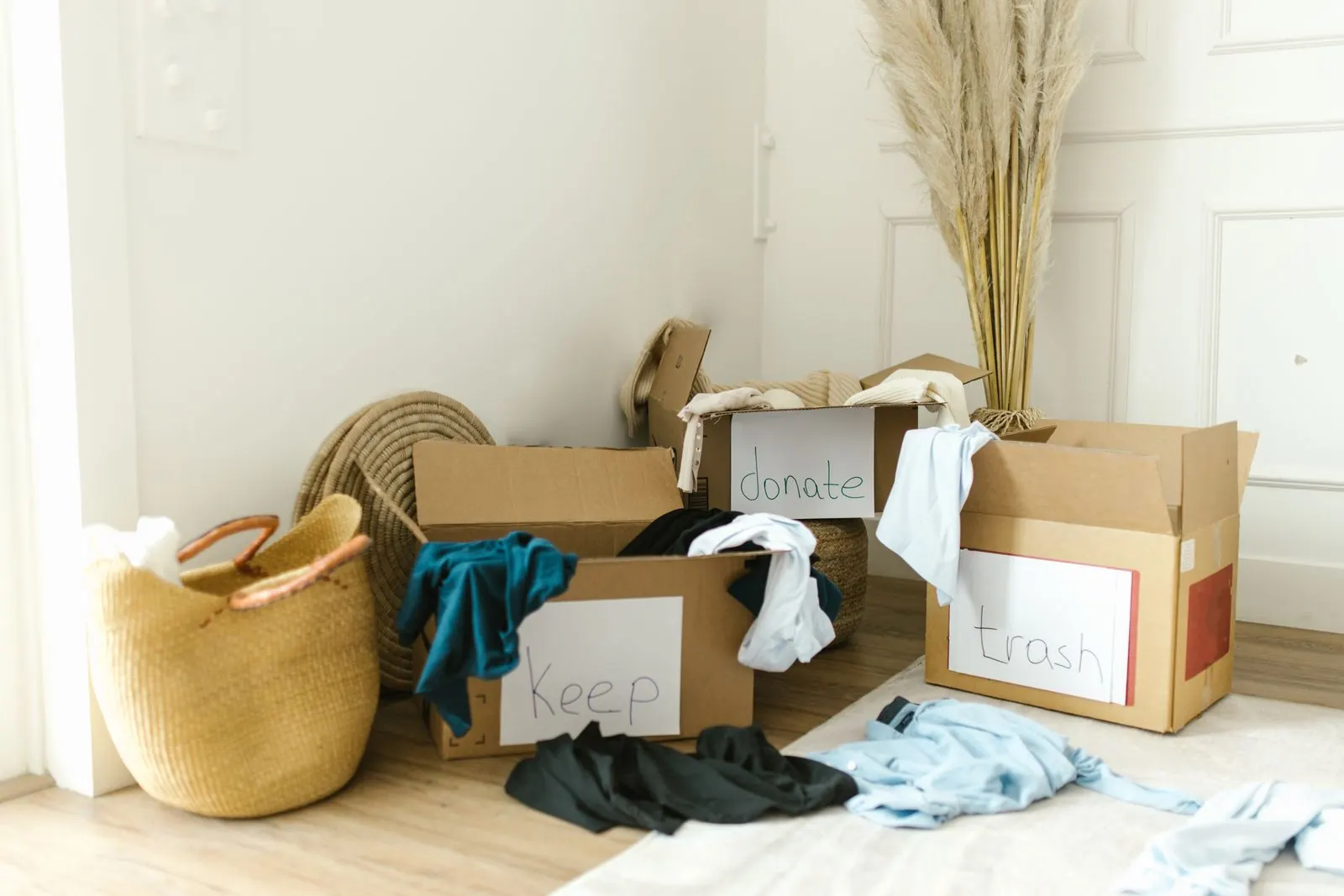
Collection is the beginning. A useful program preserves products or delivers suitable material to a verified next use, with enough participation to make the system work.
- Connect acceptance rules to a named next use.
- Separate return participation from material recovery.
- Measure transport, losses and actual repeat use.
On this page
A return route connects the customer to a next useful lifePreserve a useful product before breaking it downUse a real material destination to design the collectionMake participation convenient without making unsupported promisesReport received, accepted and recovered quantities separatelyCompare the whole return system before expanding it01 / 06
A return route connects the customer to a next useful life
A brand can invite customers to bring or send used items back. The returned items are consolidated, inspected and sorted. Depending on condition and material, the next step may be reuse, repair, resale, donation or material processing. The return mechanism is a way to reach those outcomes.
That makes take-back broader than resale. Recommerce focuses on selling previously used goods. A take-back system can include resale but also handles items that are not suitable to sell again. The program should say which items it accepts and what happens to each stream.
- 1Customer returns an eligible item
- 2Returns are consolidated
- 3Condition and material are sorted
- 4Reusable items stay in service
- 5Suitable material reaches a processor
02 / 06
Preserve a useful product before breaking it down
A pouch that can carry another order, or a garment that can be repaired and worn, retains the value of its existing construction. Shredding it into fill or fiber may retain some material value but loses the finished product’s function. These are different outcomes.
The appropriate next life depends on condition, safety and demand. Donation without a real recipient or repair without a usable result does not solve the problem. The program needs a destination for its outputs, not just a convenient story at the point of collection.
Resale and material recovery are different results
A reusable storage pouch returned in good condition can be cleaned and used again where appropriate. A damaged mixed-fiber pouch may need a different outlet. Counting both merely as ‘recycled’ hides the useful distinction.
03 / 06
Use a real material destination to design the collection
A processor needs a defined material stream. Wet film, mixed polymers, food residue and incompatible additions can make a collection less useful. Clear acceptance rules are therefore part of the technical design, not just customer-service wording.
A commercial site handling large volumes of a known film can consolidate a cleaner stream than an unrestricted household return bag. Its next destination should be described accurately. Composite decking and new film are both material uses, but they are not the same circular loop.

04 / 06
Make participation convenient without making unsupported promises
A customer needs to know what to return, how clean it must be, where it goes and whether there is a fee or incentive. A store drop-off, prepaid mail-back and consolidated business collection impose different amounts of effort and transport. The easier route is not automatically the environmentally better one; volumes and outcomes matter.
Avoid asking for every kind of material before a partner has agreed to accept it. Start with a defined item or stream. Demonstrate what happens to rejects as well as what happens to accepted material, so the customer can understand the actual service.
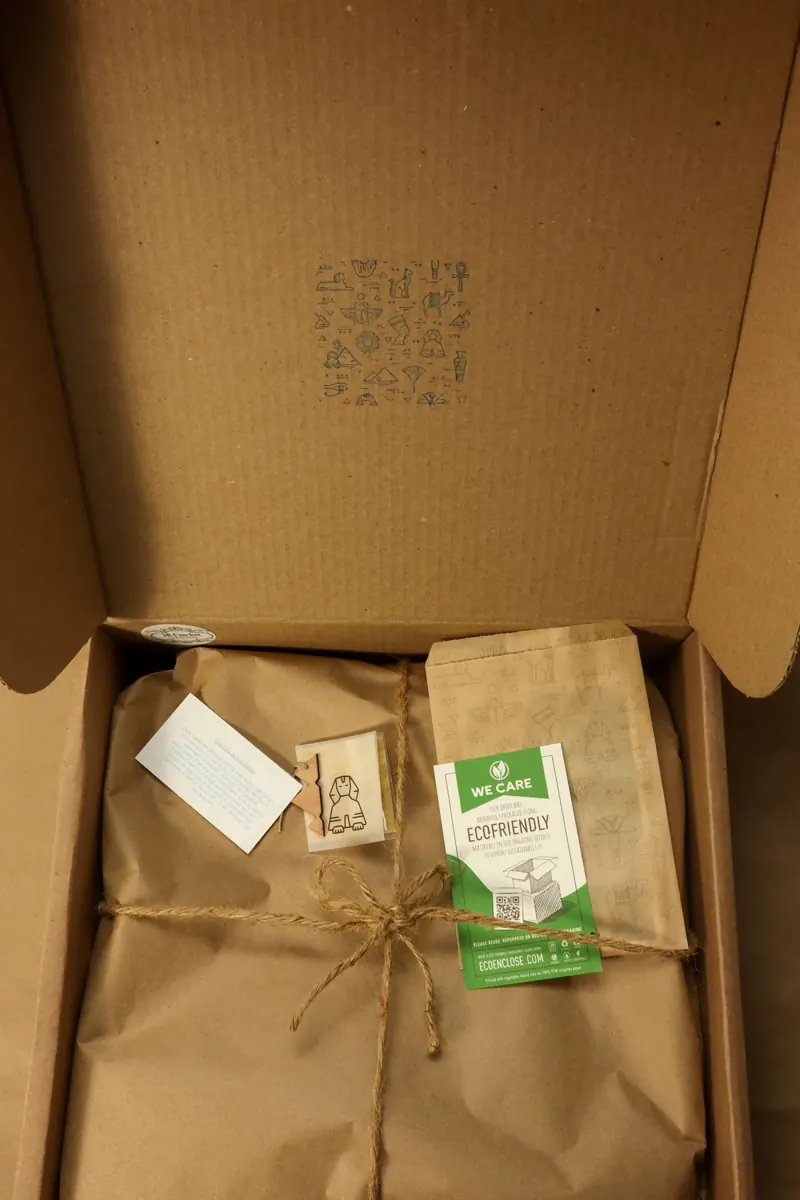
A narrow first pilot is easier to interpret
Illustrative pilot: collect one known PE film used by a warehouse, using a named accepting partner and agreed contamination rules. This is easier to measure than a launch invitation to return ‘all soft plastics.’
05 / 06
Report received, accepted and recovered quantities separately
A return label issued is not a return completed. A kilogram received is not a kilogram accepted by the processor. A kilogram accepted is not necessarily a kilogram of final recycled output. Contamination and processing losses separate those quantities.
A useful report shows each stage. It can also show how many products were reused rather than reduced to material. That makes the program’s performance visible and identifies the most useful improvement: clearer instructions, better sorting, a different collection route or a stronger end market.
| Stage | Illustrative quantity | What it tells you |
|---|---|---|
| Items invited to return | 1,000 | Program reach, not participation |
| Items returned | 180 | 18% participation for the stated cohort |
| Returned material weight | 90 kg | Material received |
| Processor-accepted weight | 72 kg | 80% acceptance of the received weight |
| Final output | Not yet measured | Do not claim 72 kg of finished recycled product |
06 / 06
Compare the whole return system before expanding it
Reverse transport, containers, sorting labor, cleaning and losses all belong in the comparison. A program can improve recovery while still needing operational changes to reduce its burden. Reusing a product may be valuable, but the number of actual cycles matters.
For a Stowliva project, define the packaging construction and intended return use before changing the artwork or adding a return claim. This page explains program design; it does not announce a universal Stowliva mail-back service. A good pilot creates a repeatable route and evidence about the outcome.
Official and first-party resources · reviewed October 7, 2026
Put the learning into your next pack.
Share your product, material questions and destination with Stowliva.