Wine gift and transport packaging
Custom Wine Boxes: Gift Box or Shipper? 7 Decisions
Seven decisions that connect a memorable gift presentation with a properly specified bottle pack.
Quick answer: Choose custom wine boxes for the job they must do. A gift box presents the bottle; a shipping system restrains and cushions it for a defined route. Measure the actual filled bottle, approve a fitted insert and validate the complete pack. Many decorative boxes need a separate corrugated outer shipper.
The expensive part of wine packaging is often the assumption hidden inside a beautiful design: that a heavy box must also be safe to post. A magnetic lid, ribbon or thick wall can create a memorable gift, but none of those details tells you how a bottle behaves during a drop or a long delivery.
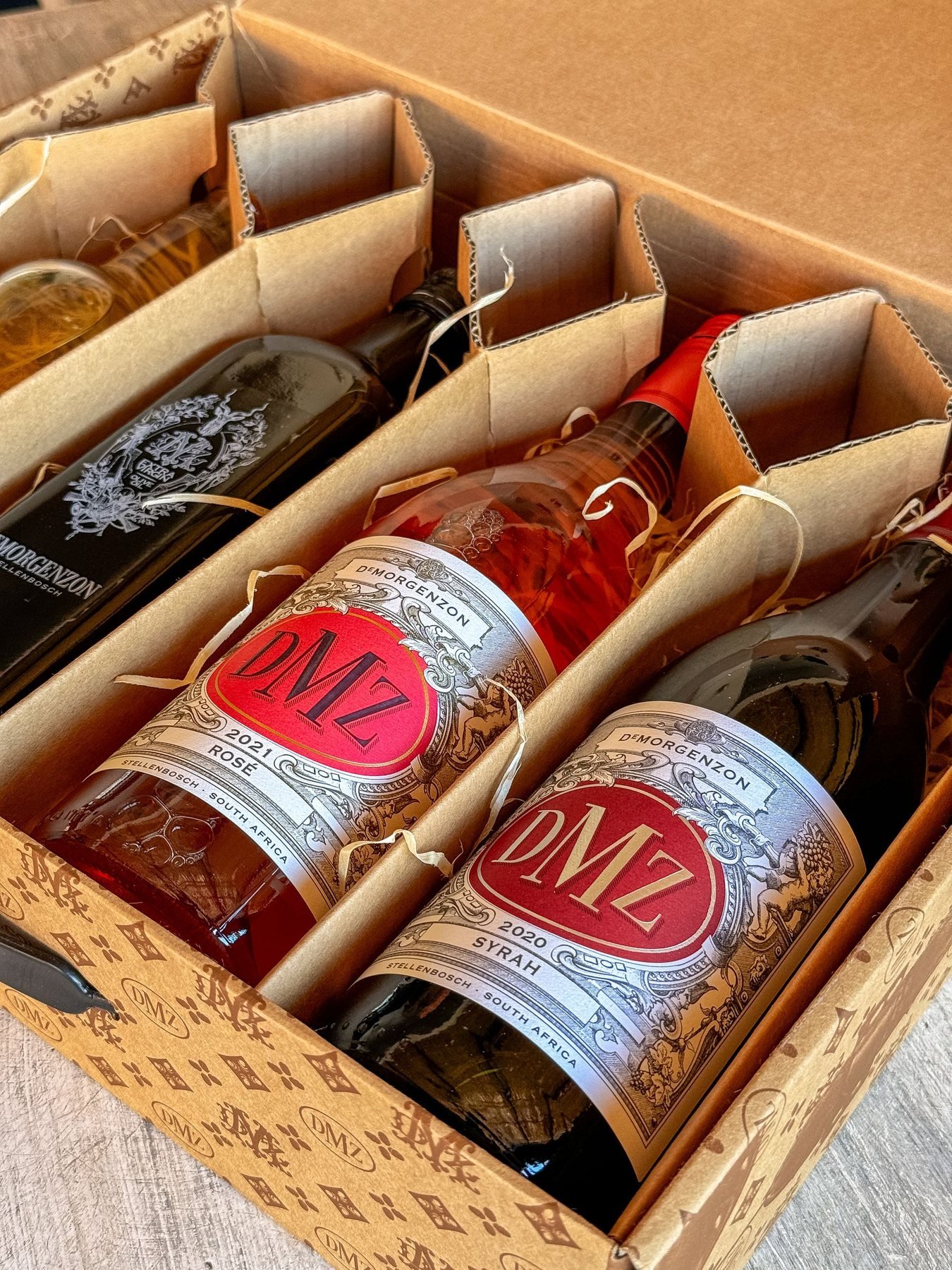
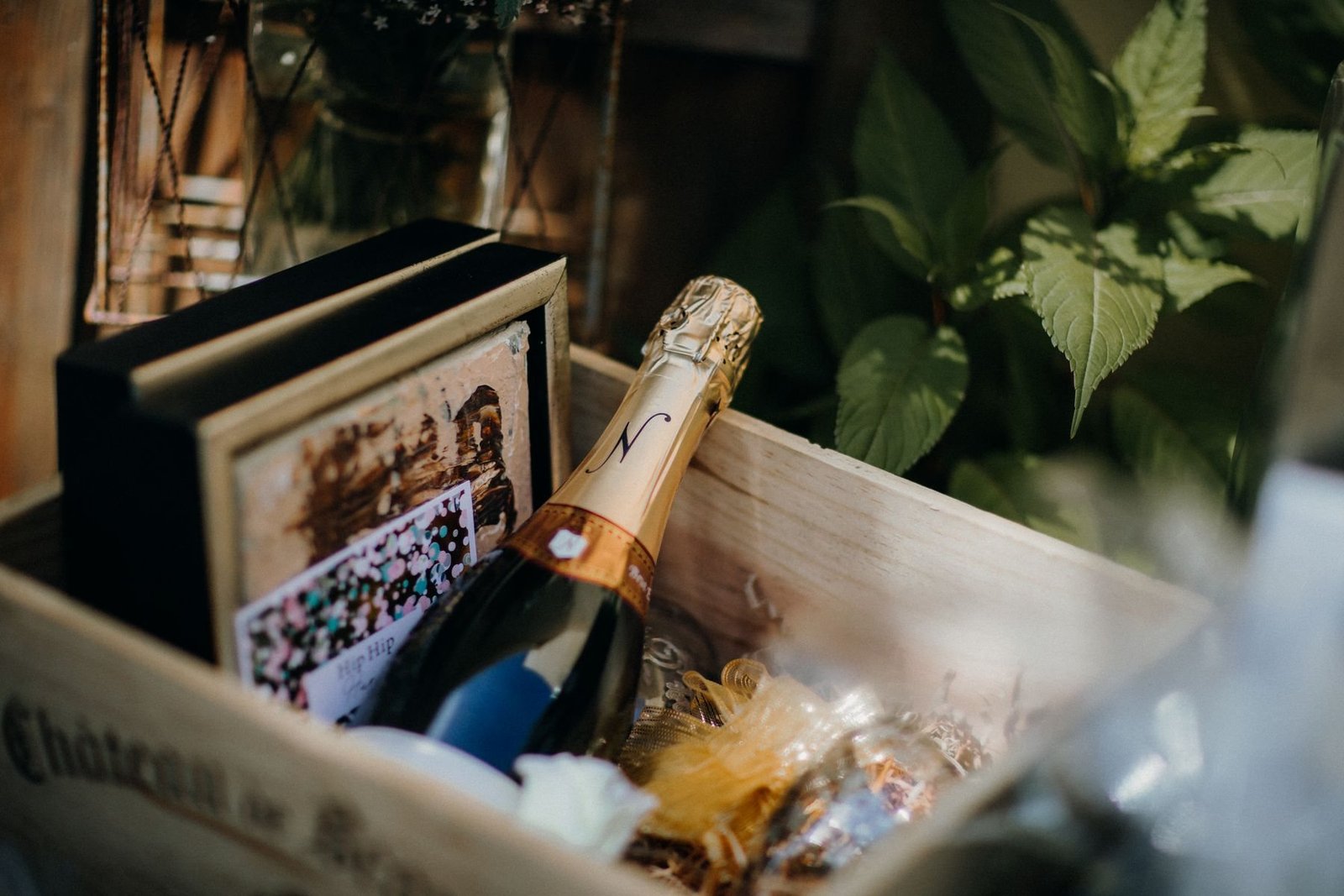
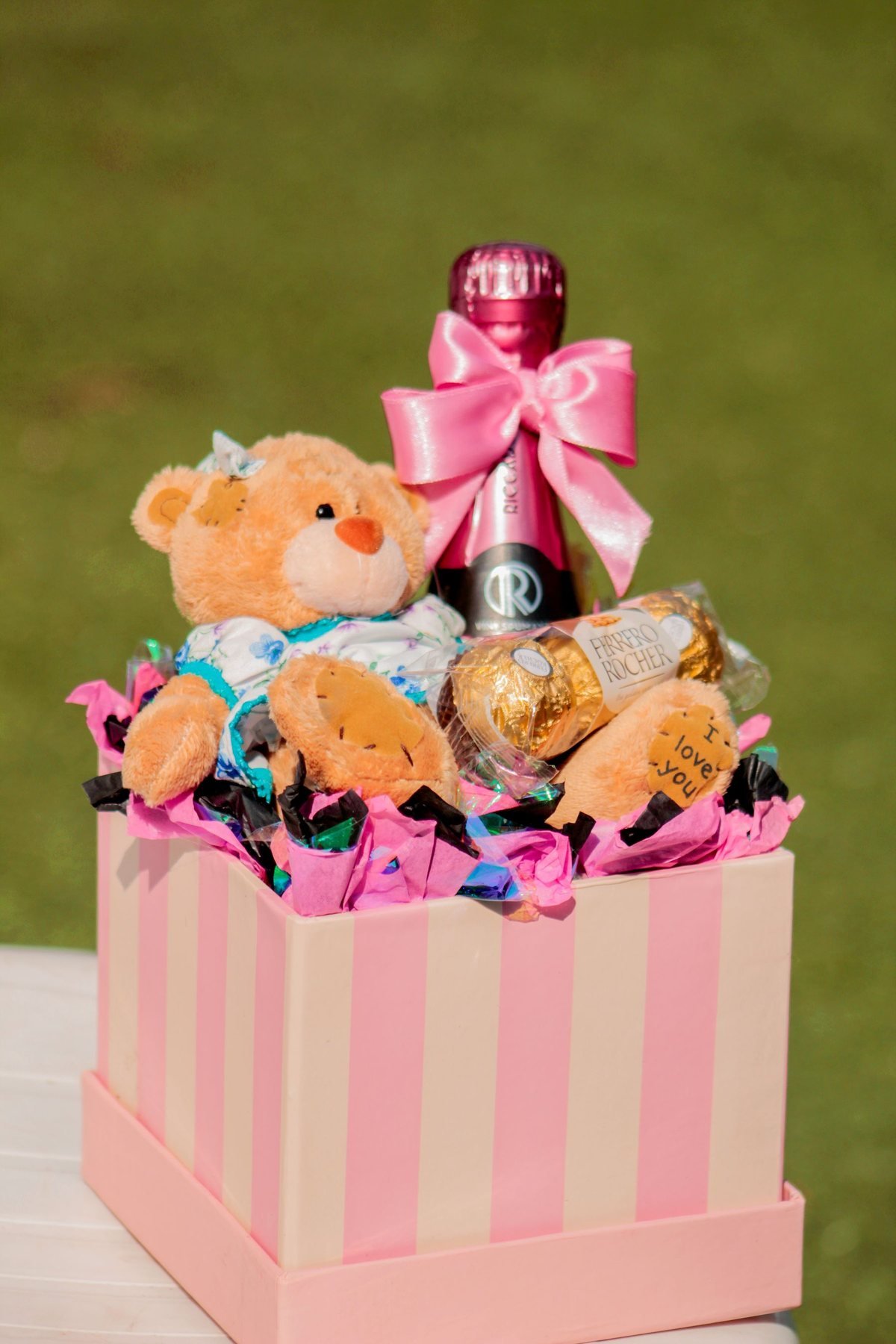
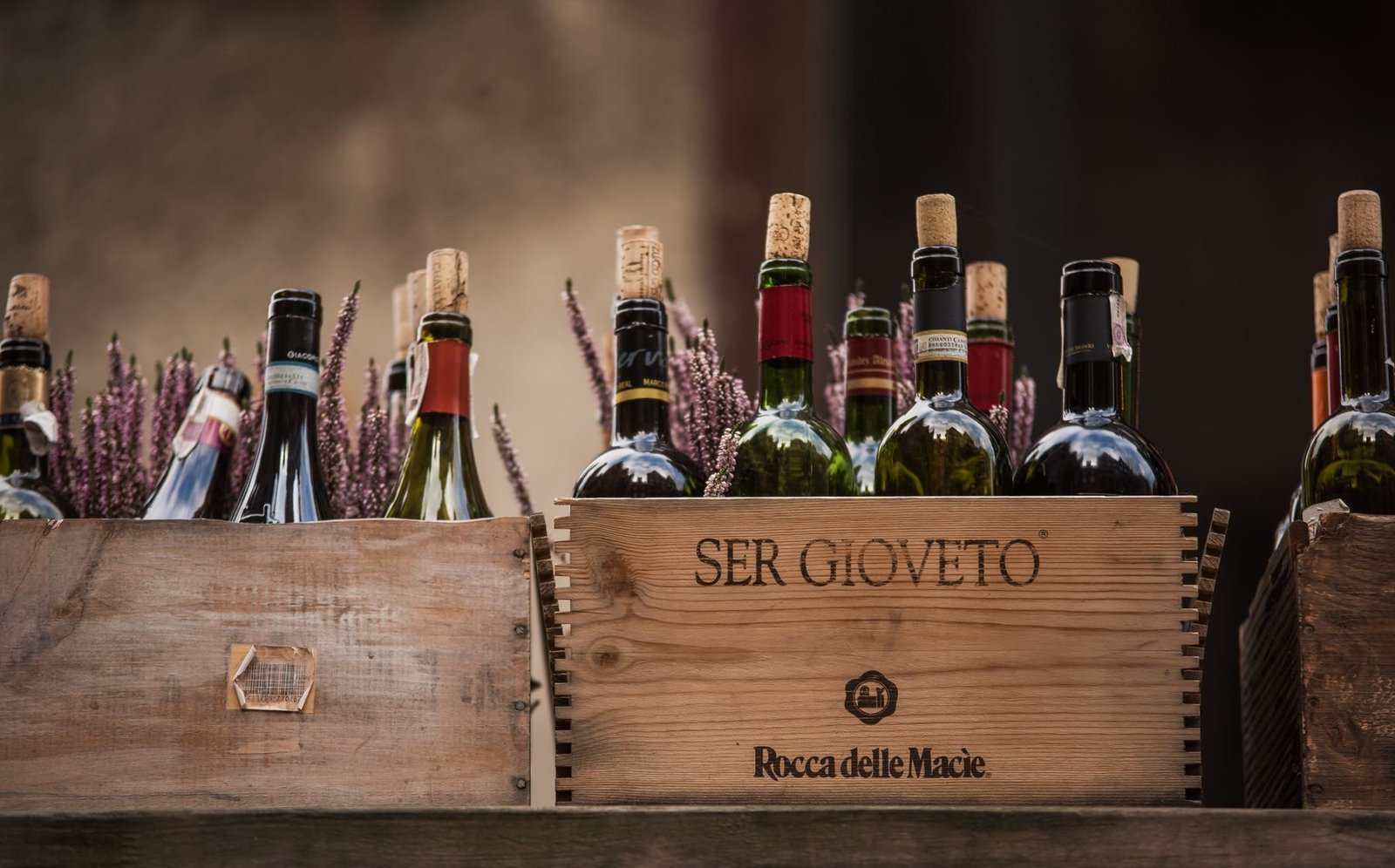
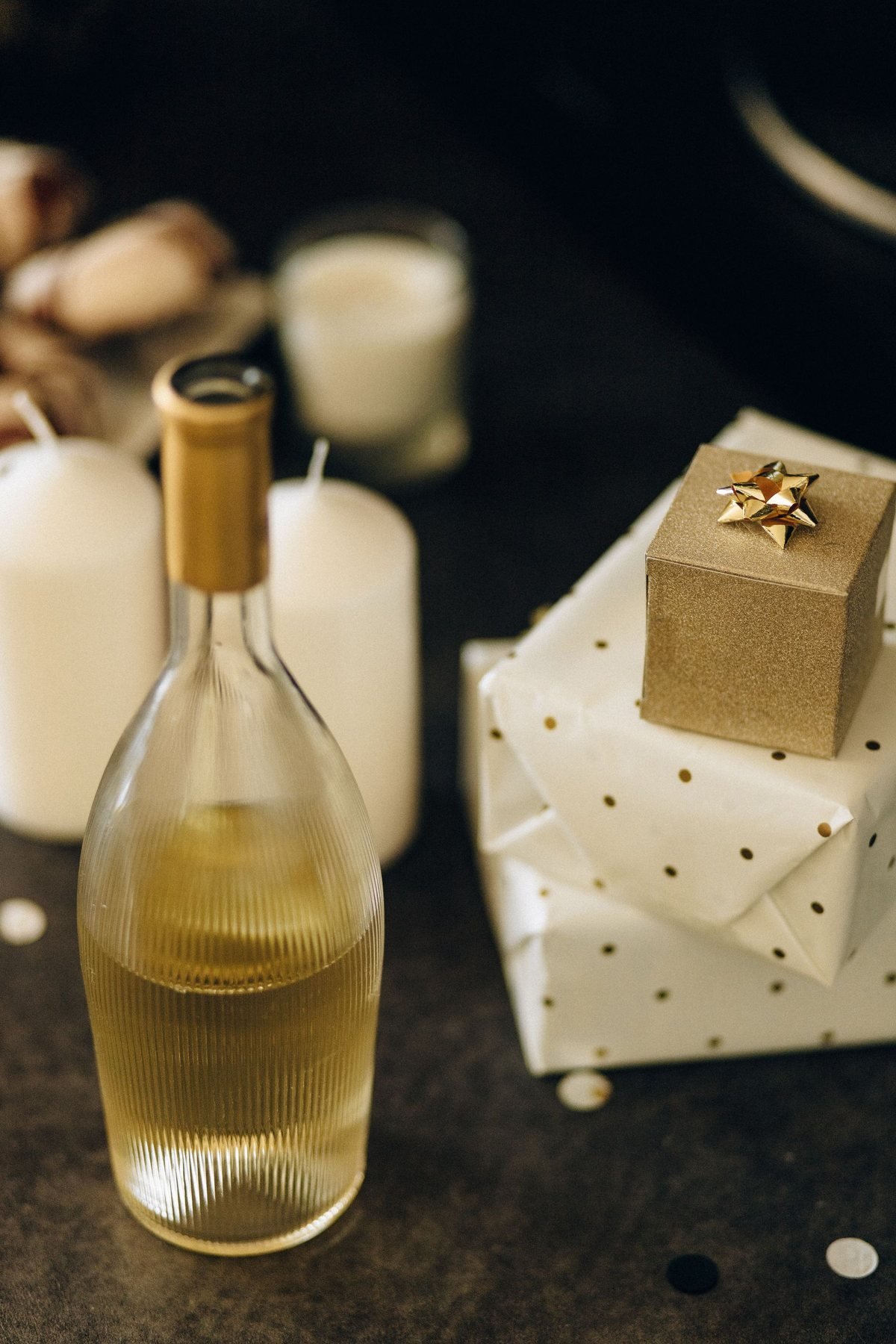
This guide helps wineries, retailers and corporate gifting teams make seven decisions before ordering. Start with Stowliva custom wine boxes as a product discussion, then define the bottle, insert and delivery system around the real project. The photographs show independent gifting and display examples; they are not evidence of shipping performance.
1. Is the box for gifting, delivery or both?
Write the use case in one sentence before choosing a style. “A single bottle collected from a cellar door” and “a three-bottle gift sent through a parcel network” are different design briefs. If you need both presentation and delivery, specify both layers.
| Format | Useful role | What still needs proving |
|---|---|---|
| Folding wine carton | Printed retail presentation with compact empty storage | Loaded base, closure and carrying performance |
| Rigid gift box | A structured gift presentation and controlled reveal | Insert fit, lid action, scuffing and any transport protection |
| Multi-bottle presentation box | A coordinated tasting or corporate gift set | Separation between bottles and support for combined weight |
| Corrugated bottle shipper | An outer transport layer with fitted internal protection | Complete system performance for the carrier and route |
For wine gift boxes collected in person, handling and presentation can guide the first sample. For delivery, start with the transport system early enough that its dimensions can inform the gift design. Otherwise, a few extra millimetres of decoration may force a much larger outer carton.
The UPS wine shipping guidance describes fitted internal packaging and sturdy outer corrugated containers, alongside shipper eligibility and delivery requirements. Check the current requirements for the service and destination you intend to use. Buying an empty wine box does not make a seller eligible to ship alcohol.
If your project needs separate presentation and transport components, compare custom gift boxes with custom shipping boxes. Their names describe a starting category; the exact construction and suitability need confirmation.
2. Will the actual bottle fit?
Use the filled, labelled and capped bottle as the sizing reference. Capacity is not a dimension: two 750 ml bottles can have different heights, diameters, shoulders and closures. A format that works for a narrow bottle may fail for a broad sparkling-wine bottle.
Record maximum height, widest body diameter, shoulder profile, neck dimensions and filled weight. Include any capsule, wax, embossed glass or raised label. When a box serves several SKUs, create a bottle matrix rather than assuming the largest volume is the most difficult fit.
- Test every bottle shape assigned to the box.
- Check clearance at the closure and heel.
- Inspect contact with raised or textured labels.
- Load the complete set and close the lid without force.
- Confirm that the recipient can lift out the bottle safely.
The internal box dimensions must accommodate the approved protection, not just the bare glass. Ask the supplier to distinguish usable internal space from outer dimensions. Do not independently add a generic clearance number; the insert designer needs to set tolerances for the chosen construction.
3. What keeps the neck, base and neighbouring bottles apart?
Think about how the bottle can move, not simply how soft the filler feels. The internal system should control movement, protect vulnerable areas and prevent glass from contacting other bottles or the outer wall during intended handling.
Decorative shredded paper can fill visual space in a gift. Do not treat it as a substitute for an engineered restraint. A display that looks full on a table may allow a heavy bottle to shift when lifted or turned.
FedEx’s alcohol shipping guidance discusses internal packaging options and strong outer cartons. Use the carrier’s current requirements as an input to the design, and seek packaging review where appropriate. A supplier’s material description alone does not show that your particular bottle and pack meet those requirements.
Compare options such as folded corrugated supports or moulded components with a packaging specialist. The right choice depends on bottle profile, count, filled weight, assembly method and route. Ask who owns the drawing and how a bottle change would be handled after launch.
Use the packaging insert guide to frame the comparison, then discuss the project through custom inserts. Evaluate any honeycomb paper wrap as a proposed component of a tested system, rather than assuming wrap alone qualifies a wine shipment.
4. Does a mixed gift set create new risks?
A bottle paired with chocolates, a corkscrew or a glass introduces new contact points. Measure the complete assortment and keep hard accessories from rubbing the label or striking the glass. Give each item a defined position in the insert plan.
Trial the unpacking order. The first item a recipient removes should not release an unsupported bottle or expose a sharp accessory. Cards and ribbons should stay accessible without being trapped under the bottle.
For wine and chocolate gifts, plan for the more temperature-sensitive component. Decorative wine packaging is not a cold-chain system, and adding sweets can change storage and delivery needs. Confirm the full assortment with the relevant food and beverage teams before promising a delivery window.
A mixed gift also needs a clear bill of materials. Record the exact contents, count, placement and any substitutions allowed. Replacing a small accessory with a heavier one can change the loaded pack even if the artwork and outside dimensions stay identical.
5. Which print and finish details earn their space?
Start with a readable brand mark, a clear opening direction and room for any necessary information. Then choose the decorative details that support the gifting experience. A controlled use of foil or texture can be easier to reproduce than a design that depends on perfect alignment across several folds.
Approve a finished sample for colour, rubbing, corner wear and label contact. A PDF proof checks layout; it cannot demonstrate how a dark surface looks after packing or how a lid opens under the loaded weight.
Use custom folded cards for tasting notes or a recipient message. If a ribbon is part of the presentation, review the custom printed ribbon options and confirm the selected material and artwork. Keep decorative closures separate from the validated transport closure.
When specifying a forest-sourcing claim, check the documentation and approved label route. FSC’s on-product labelling guidance explains the role of the certified final supplier. A logo should not be added merely because the paper has been described as responsibly sourced.
For disposal copy, the FTC’s Green Guides summary is a useful reference on substantiating and qualifying environmental claims. Assess the actual box, insert, coatings and attachments. State the supported attribute and relevant disposal instructions rather than making an unsupported claim about the whole gift.
6. What is the cost of the complete packed order?
Compare total packed cost rather than the empty box quote. Include inserts, cards, assembly labour, storage, protective materials and the outer shipping carton. A cheaper gift box may need more packing work or occupy more warehouse space.
Measure the sealed outer shipment before estimating freight. FedEx explains dimensional weight as a calculation based on package volume. Confirm the divisor, rounding and billing rules for your actual service and account.
Illustrative comparison: Using a divisor of 139 with dimensions in inches, a 16 × 10 × 6 inch carton gives about 6.91 lb of dimensional weight. A 16 × 12 × 8 inch carton gives about 11.05 lb. These are arithmetic examples before carrier rounding, not quoted charges; actual weight may still determine the billed weight.
The useful lesson is to price the finished pack early. Do not shrink protective space simply to reduce the dimensional calculation. Ask the packaging designer to find a more efficient validated arrangement instead.
Also compare packed storage volume. A rigid gift box supplied assembled can take much more room than a flat folding carton. Confirm cartons per pallet, assembly time and expected replenishment rather than choosing solely by unit price.
7. What must pass before you place the order?
Approve the real bottle, production-intent insert, printed gift box and outer shipper together. Define what counts as acceptable: no leakage or breakage, controlled movement, readable labels and a presentation that still meets the brief after intended handling.
ISTA’s test procedure overview distinguishes different transport-testing approaches. Ask a qualified packaging lab to select an appropriate procedure for the packed product and route. Test evidence should identify the exact bottle count, weight and packaging revision it covers.
Run a pilot pack at the actual packing location. Observe whether operators orient supports consistently, place accessories correctly and close the outer carton without improvising. Update the packing instruction with photographs and keep an approved sample as the reference.
Send a quote brief containing:
- Actual bottle samples, dimensions, closure details and filled weights.
- Bottle count, SKU matrix and any mixed gift contents.
- Collection, retail or delivery use, with the proposed carrier and route.
- Insert concept, handling expectations and required testing.
- Artwork, finish references, label areas and recipient message.
- Order volume, packing location, storage constraints and target date.
- Approval criteria, document requirements and change-control responsibility.
Request a wine packaging discussion with Stowliva using that brief. Confirm the available construction, samples, quantities and schedule for the order before committing to production.
Frequently asked questions
Can I ship wine in a decorative gift box?
Only if the complete bottle and packaging system meets the intended carrier and route requirements. Many gift boxes need a separate outer corrugated shipper and fitted protection.
Are all 750 ml wine bottles the same size?
No. Capacity does not define bottle height, diameter, shoulder or closure shape. Use the actual filled and labelled bottles to approve the insert and box.
Is shredded paper enough to protect a wine bottle?
Do not treat decorative filler as validated bottle protection. Select restraints that control movement and keep glass separated, then test the complete pack.
What should I include in a wine box brief?
Include bottle samples and dimensions, filled weights, bottle count, gifting or delivery use, insert plan, artwork, market, order volume and the planned shipping route.
Research notes: Source-dependent claims were checked against the primary references linked in the article. Comparisons, checklists and calculations are Stowliva Editorial’s examples, not product test results or shipping quotations. Sources checked October 7, 2026.
Editorial note: Five newly sourced, licensed real photographs illustrate this article. Product specifications, certification scope and claims must be confirmed for each order.