Printed carton-sealing tape guide
Custom Packaging Tape: Will It Stick? 9 Checks for a Reliable Seal
Match the carrier and adhesive to your real box, packing line and shipping route before approving artwork or volume.
Short answer: Choose custom packaging tape by the shipping box, packed weight, climate and packing line—not by artwork alone. Match the carrier to the corrugated surface, test adhesion after conditioning, approve the printed repeat at full scale and validate the complete packout before ordering production rolls.
A tape roll looks simple until it becomes the closure system for every parcel your customer receives. The wrong adhesive can lift from recycled board. A dramatic logo repeat can disappear under a label. A roll can pass a hand test yet slow down every packing station. This buying guide turns the questions surfaced in Semrush research into nine approval checks for ecommerce and wholesale teams.
If you already know that paper is the right carrier, start with Stowliva’s custom paper packing tape. For a water-activated closure, compare the custom water-activated tape. Both should be tested on the exact box and shipping route rather than selected from a screen.
Custom packaging tape options compared
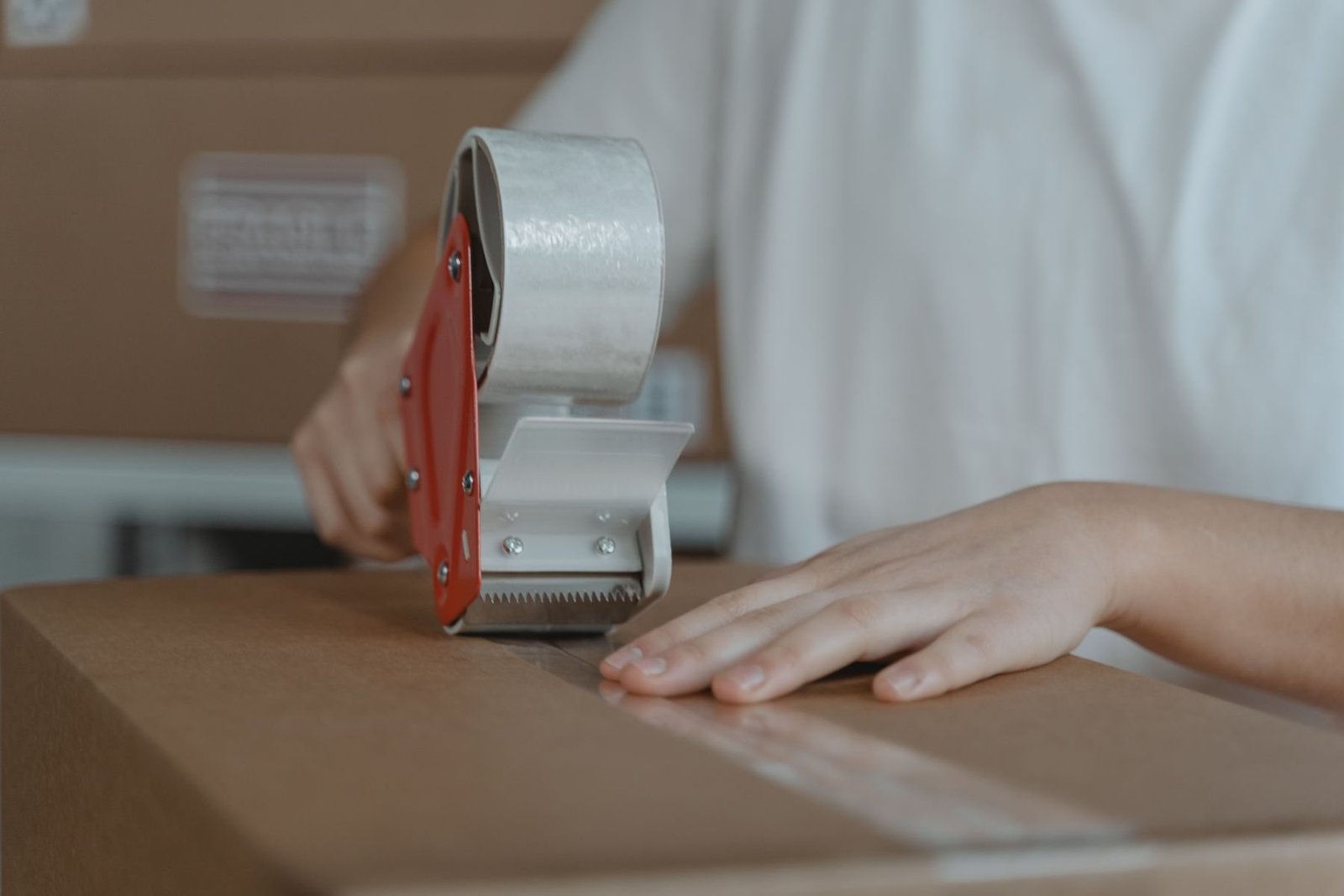
The carrier and adhesive work as a system. “Paper tape” describes the backing, not one universal performance level. Use this comparison to build a shortlist, then ask for production-intent samples.
| Tape route | Typical use | Strength | Watch-out |
|---|---|---|---|
| Self-adhesive paper | Light-to-medium ecommerce cartons | Paper look and familiar hand application | Adhesion varies with board, dust, temperature and adhesive |
| Water-activated paper | Repeatable carton sealing | Activated adhesive bonds to the fiber surface | Needs a compatible dispenser and controlled wetting |
| Pressure-sensitive film | Fast general-purpose packing | Clear print and common dispenser compatibility | Film, adhesive and local recovery instructions need separate review |
| Reinforced tape | Heavier or higher-risk packs | Added tensile strength | Reinforcement can affect tearing and end-of-life claims |
1. Start with the packed carton, not the tape catalog
Write down the box style, outside dimensions, flute, liner finish, recycled-content level, packed weight and closure pattern. Coated, heavily printed, dusty and highly recycled surfaces can behave differently. The same tape may grip one corrugated liner and lift from another.
The ASTM D1974/D1974M practice covers methods for closing, sealing and reinforcing fiberboard boxes and encourages performance testing of the complete package. That is the useful mental model: closure performance belongs to the package system, not to the roll in isolation.
Send your supplier representative box samples and the maximum packed weight. If you are still choosing the outer format, compare Stowliva’s mailer box versus shipping box guide and browse the tape and protective wrap range before freezing a specification.
2. Match the adhesive to surface, temperature and dwell time
Pressure-sensitive tape bonds through contact and pressure. Water-activated tape needs controlled moisture and time. In both cases, temperature at application, storage temperature, board surface, dust and the interval before shipment can change the result. A quick pull immediately after application is not the whole test.
Condition boxes and tape in realistic pack-room conditions. Apply the tape with the actual dispenser, rub-down or roller pressure, then inspect immediately, after several hours and after a representative storage period. Look for flagging at the ends, lifting along the seam, tearing at score lines and adhesive transfer.

3. Choose paper or film by evidence, not appearance
Paper can support a fiber-based visual system and may tear by hand in some constructions. Film can offer clarity, conformability and familiar high-speed application. Neither material is automatically the more responsible choice for every shipment. The correct comparison includes product protection, total material, failed deliveries and the recovery systems available to customers.
If environmental wording will appear on the roll or website, review the Federal Trade Commission’s Green Guides summary. It advises against broad, unqualified environmental benefit claims and explains when recyclable claims need qualification. A paper-colored backing, leaf icon or kraft carton does not establish recyclability, recycled content or compostability.
Document the carrier, adhesive, ink and any reinforcement. Then write disposal guidance for the finished tape-and-box combination in the target market. Stowliva’s packaging materials overview and sustainability approach can help organize that supplier conversation.
4. Design the print repeat around the sealed box
Artwork repeats along a moving web. The useful brief states roll width, repeat length, print direction, number of colors, background, clear space and the point at which the logo should appear after the tape crosses a seam. A logo can look balanced on a flat proof but be clipped on every real carton.
Make a full-size paper strip with several repeats. Lay it on the smallest and largest approved boxes using the planned H-seal or center-seam pattern. Mark where shipping labels, tamper labels and barcodes sit. Ask for vector artwork rules, minimum line weights, trapping, ink coverage and any tolerance on repeat position.
Keep small copy off the fold and avoid treating tape as the only place for regulated or essential shipping information. Use Stowliva’s artwork guide to preflight logos, fonts, bleed and color references before the supplier builds a print proof.
5. Confirm unwind direction and dispenser compatibility
A beautiful roll can arrive unusable if it unwinds in the wrong direction for the dispenser or presents the artwork upside down to the packer. Record which side carries adhesive, whether print faces inward or outward on the roll, core diameter, maximum roll diameter, roll length and the leading-edge orientation.
For water-activated tape, confirm the dispenser can wet the chosen width and construction evenly. For pressure-sensitive tape, check brake tension, blade performance and whether the backing tears cleanly. Run a timed trial with real operators. Count rework, tangled rolls and extra hand pressure, not only seconds per box.
6. Specify the closure pattern and tape width
Do not let each shift invent its own seal. Define where tape starts and ends, how far it extends down the side panels and whether side seams also need reinforcement. The U.S. Postal Service’s Postal Customer Guide says to tape the opening and reinforce all seams with two-inch-wide tape, listing packaging, reinforced and paper tape among the options.
Carrier advice is a starting point, not a substitute for a pack-specific test. FedEx’s How to Pack guide illustrates an H-taping method for box seams. Use the pattern that your package design, weight and distribution risks require, and train it consistently.
7. Test the complete packout through its real risks
A desktop peel test does not reproduce compression, vibration, drops, abrasion or humidity. Pack the real product with every insert, void-fill item and label. Define failure before testing: open seam, unacceptable lift, damaged product, illegible print or poor presentation.
The International Safe Transit Association explains that its test procedures range from screening tests to general simulations of distribution hazards. Its FedEx packaged-product testing guide gives a concrete example of tests used for parcels up to 150 pounds. Select any formal protocol with a qualified laboratory or packaging professional.
Retest when a performance-relevant component changes. ISTA specifically lists changes to packaging materials, components and closure methods among the reasons to reassess a packaged product in its retesting guidance.
8. Approve color, rub resistance and scan zones
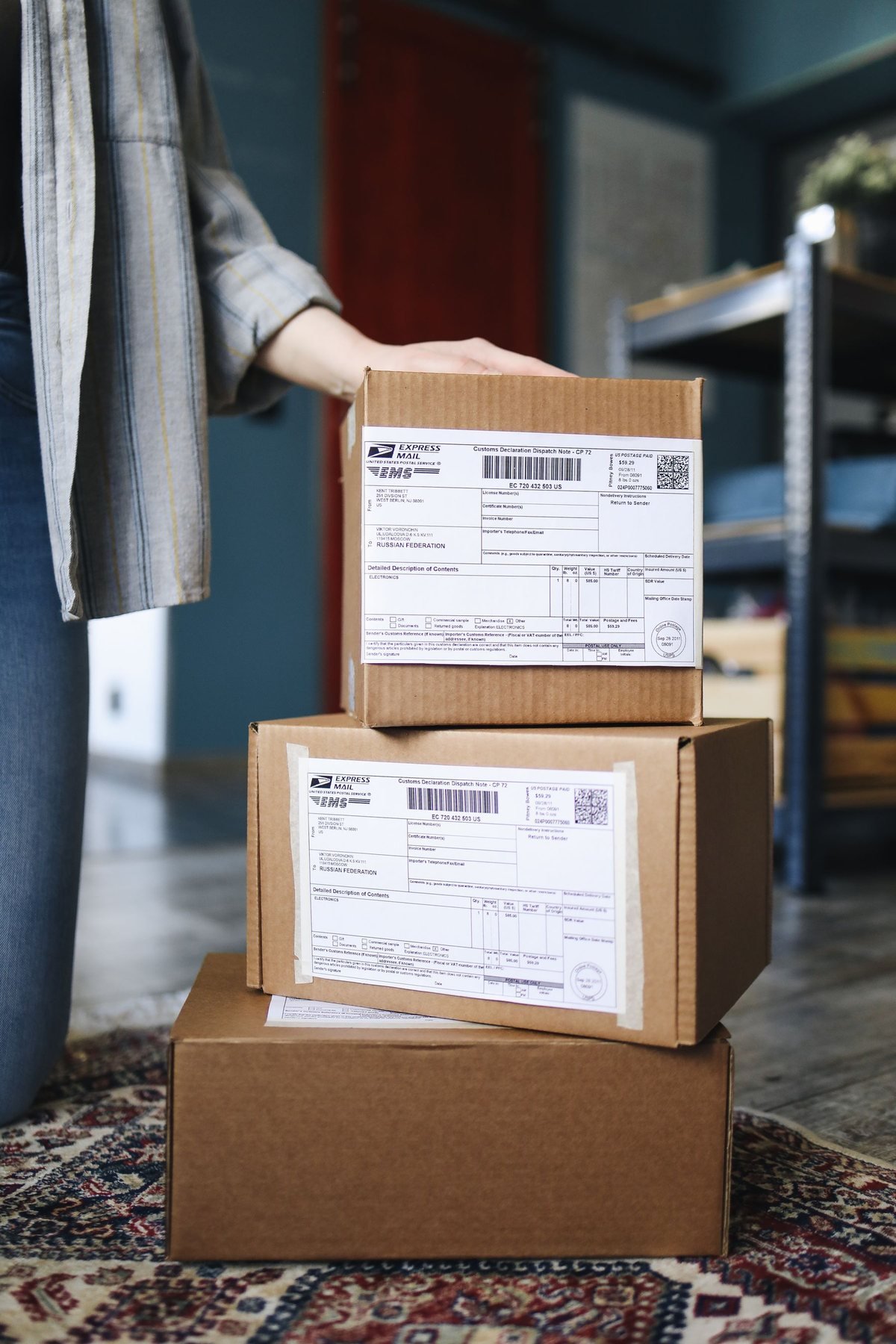
Printed tape is handled, stretched across edges and rubbed against other parcels. Approve color under useful lighting, then check scuffing and ink transfer after application and handling. If the tape passes near a barcode or shipping label, ensure high-contrast print does not intrude into scanner quiet zones or cover routing data.
Compare the physical approval against a signed specification: substrate, adhesive, reinforcement, width, length, core, unwind, print colors, repeat, tolerances, splice policy and packaging. A screen PDF is an artwork approval, not a performance sample.
9. Calculate cost per sealed box, not cost per roll
A cheaper roll may be shorter, require more tape per carton or cause more rework. Calculate usable meters, meters per closure, boxes per roll, labor time, waste, dispenser needs and minimum order by artwork version. Add the risk of obsolete stock when branding or regulatory copy changes.
For a launch, a shorter custom run can be a controlled test. For stable volume, longer runs may reduce unit cost. Stowliva’s custom MOQ guide explains how setup, versions and order quantity interact, while the sample kit can help teams compare physical materials before committing.
Quote-ready custom packaging tape checklist
- Exact box samples, liner finish, dimensions and maximum packed weight.
- Application, storage and transit temperature and humidity ranges.
- Carrier, adhesive, reinforcement, width, length and core requirements.
- Hand, manual-dispenser or automated application method.
- Closure pattern, tape length per box and expected daily throughput.
- Vector artwork, colors, repeat, print direction and unwind diagram.
- Physical sample, pack-line trial and complete packout test plan.
- Approved claims, disposal wording and supporting documents.
Frequently asked questions
Is custom paper tape strong enough for shipping?
It can be, but strength cannot be inferred from “paper.” The backing, adhesive, reinforcement, width, box surface, packed weight, climate and closure pattern all matter. Test the complete packout.
What is the difference between self-adhesive and water-activated tape?
Self-adhesive tape bonds through pressure. Water-activated tape uses an adhesive that must be moistened before application. Each needs compatible equipment and a box-specific trial.
How wide should packaging tape be?
Two inches is a common carrier recommendation, but the correct width depends on the carton, weight, tape construction and closure pattern. Treat width as one part of a tested specification.
What artwork should I send?
Send editable vector artwork, named colors, fonts or outlined type, desired repeat, print direction and an unwind diagram. Approve the repeat on a full-size physical sample.
Can printed packaging tape be called eco-friendly?
Avoid broad claims. Identify the carrier, adhesive, ink and reinforcement, then make only specific, supportable statements qualified for the finished system and target market.
When should I retest packaging tape?
Retest when the box, product weight, tape construction, closure pattern, application equipment, supplier or distribution route changes in a way that may affect performance.
Next step: Send box samples, packed weight, shipping route, artwork, daily volume and target order size through Stowliva’s custom packaging quote form. A complete brief makes tape quotes comparable.
Editorial note: Five newly sourced, licensed real photographs illustrate this article. Product specifications, certification scope and claims must be confirmed for each order.