Compostable ecommerce packaging guide
Compostable Mailers: Are They Really Compostable? 8 Proof Checks
Match certification and disposal instructions to a tested mailer that can protect the real shipment.
Short answer: Choose compostable mailers only after defining the product, shipping hazards and a realistic disposal route. “Compostable” describes performance under stated conditions; it does not mean the mailer belongs in recycling, nature or every home compost bin. Verify the finished item, print clear instructions, and run transit tests with the real packout.
SEMrush reports commercial search intent for compostable mailers and related terms including compostable poly mailers, compostable bubble mailers and bulk purchasing. The questions beneath those searches are more important than the label: Is the mailer certified? Home or commercial composting? Accepted where customers live? Strong enough for the shipment? The answers determine whether the format is credible and practical.
The US EPA’s plastic recycling and composting FAQ distinguishes biodegradable from compostable plastic and says a product not labeled for home composting should not be put in a home compost system. The FTC’s Green Guides summary likewise says compostable claims need competent and reliable scientific evidence and may need qualification when suitable facilities are not available to a substantial majority of consumers.
What should buyers verify before ordering compostable mailers?
Ask for the exact finished-mailer certification or test basis, not only a resin data sheet. Match that evidence to the size, thickness, color, ink, adhesive strip and any label or cushioning that will be sold. Confirm the certified company and item where a public catalog exists. Then test seal strength, puncture resistance, moisture exposure and delivery performance with the real product.
| Format | Best question to ask | Common routing risk |
|---|---|---|
| Home-compostable mailer | Which finished-item scheme and certificate cover this SKU? | Conditions and time vary in unmanaged home systems |
| Commercially compostable mailer | Will target facilities accept this packaging? | Certified items may still lack a local collection route |
| Paper mailer | Does the complete structure meet protection and paper-stream requirements? | Coatings, adhesives and contamination can affect acceptance |
| Recycled-content poly mailer | What recycled percentage and recycling route can be documented? | Flexible-film collection is location dependent |
No row is automatically “best.” The right option protects the product, uses defensible claims and connects to a recovery system the customer can actually access. Compare Stowliva’s custom compostable mailers, stock compostable mailers and broader mailers and shipping formats as separate starting routes.
1. Using “biodegradable” and “compostable” as synonyms
Biodegradation depends on an environment and time frame. Compostability adds defined conditions and requirements. A vague biodegradable claim does not tell a customer whether to use a home compost bin, a commercial organics collection service, recycling or trash. It can also invite littering if people interpret “biodegradable” as harmless in the open environment.
Write the specific route: for example, “commercially compostable where accepted,” backed by evidence for the finished item. Do not shorten that to “earth friendly” or “disappears naturally.” If home composting is claimed, identify the applicable scheme and instructions. Stowliva’s certifications and claims page provides a framework for separating material options from supported claims.
2. Treating an industrial standard as a home-compost claim

ASTM D6400 covers labeling plastics designed for aerobic municipal or industrial composting facilities. Those facilities operate under managed conditions that differ from a backyard pile. Passing or citing an industrial standard does not by itself establish home compostability.
Certification schemes also distinguish the routes. BPI’s current certification overview describes Commercial Only and Commercial & Home certifications, with different operating conditions. Ask the supplier to state precisely which certification applies, to which item, and whether your requested customization remains within scope.
3. Accepting a resin certificate for the finished mailer
A mailer is a system: film, colorant, printed ink, closure adhesive, release liner and sometimes a second tear strip or label. Evidence for a base resin does not automatically cover the converted product. Request documentation that identifies the certified finished item or shows how every component and thickness fits an approved formulation.
The BPI certified-product catalog lets buyers search companies and items and distinguishes commercial from home certification. Use public directories when available, then check the certificate holder, item number, thickness and current status. Do not reproduce a certification mark until the licensing and artwork rules for your supply arrangement are clear.
4. Designing disposal instructions as an afterthought

A customer should not need a sustainability degree to route a mailer. Put the material claim and disposal instruction where it remains visible after opening. Name the route and qualify access: “Commercially compostable where facilities accept this item” is more useful than a leaf icon. Include a URL or QR code for current details if markets differ.
Also say what not to do when confusion is likely. A compostable plastic mailer generally should not be placed in conventional plastic-film recycling unless the program expressly accepts it. The FTC advises marketers to qualify recyclable claims when appropriate facilities are not available to a substantial majority of consumers. Your artwork must make the intended stream clear rather than relying on similar-looking symbols.
5. Assuming certification guarantees local acceptance
Certification assesses defined performance; collection programs decide what they accept. Some composting facilities exclude all packaging because of contamination, identification or processing concerns. EPA notes that accepted feedstocks vary by facility on its composting guidance page.
Map the likely destination before printing a national claim. If most customers lack access, qualification needs to be prominent. If a take-back or partner program is proposed, document who runs it, what is accepted, how customers participate and what happens to returned material. A future aspiration is not a current disposal route.
6. Choosing a mailer before testing product protection
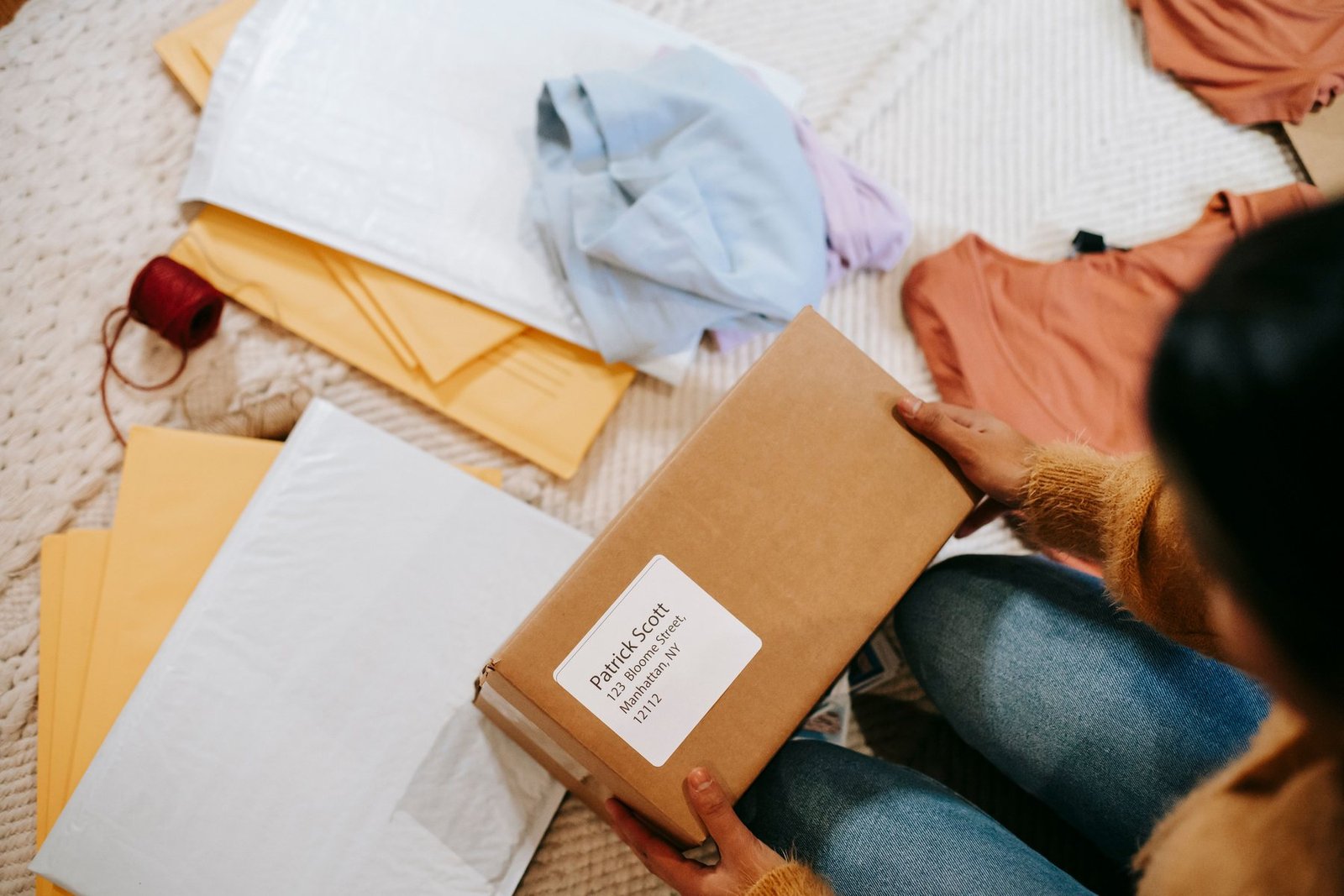
The lowest-material option is not responsible if it causes damage and replacement shipments. Define the hazards: abrasion, puncture, moisture, sharp corners, compression, tampering and seal failure. Soft apparel may suit a thin flexible mailer; boxed jewelry, liquids or products with pointed hardware may require a different structure or inner protection.
Test the complete packout, not an empty bag. Include the shipping label, closure, any return strip and internal packaging. Record the product, mailer size and thickness, test sequence and result. For projects that need a broader system, review Stowliva’s packaging development process and material library before locking the mailer format.
7. Ignoring seal, storage and climate
Heat, humidity, cold, dust and storage time can affect flexible films and adhesives. Ask for storage guidance and shelf-life assumptions. Then condition samples for the environments that matter to your supply chain and check seal peel, film blocking, brittleness and print rub.
Overstuffing is a frequent cause of stress at the closure and side seams. Select the mailer by the packed product’s three-dimensional size, not the garment’s flat width. Leave enough headspace for a full adhesive bond without excessive slack that snags in handling. When recloseability or returns matter, specify and test the second strip explicitly.
8. Ordering on unit price instead of verified landed performance
A meaningful comparison includes minimum quantity by artwork, plate or setup charges, sample cost, packing, carton size, freight, duties, certification scope and testing. A slightly cheaper film can be more expensive if punctures, failed seals or confusing claims generate replacements and support contacts.
Start with a controlled pilot. Stowliva lists small-pack options such as pink custom compostable mailers, warm-grey custom compostable mailers and black custom compostable mailers, plus stock formats including warm-grey home-compostable mailers and black home-compostable mailers. Confirm current specifications and claim evidence for the exact option before purchase.
Compostable mailer buyer checklist
- Product dimensions, packed shape, weight and sharp points
- Mailer internal size, film thickness and load limit basis
- Closure, second strip, perforation and release-liner design
- Finished-item certificate, scheme, holder, item number and status
- Commercial or home route stated without ambiguity
- Ink, colorant, adhesive and label coverage within evidence scope
- Destination-market collection and facility acceptance research
- On-pack disposal wording, mark permissions and legibility
- Transit, seal, puncture, moisture and storage test results
- Quantity, tolerance, carton data, freight and landed cost
Frequently asked questions
Are compostable mailers better than recyclable mailers?
Not universally. Compare product protection, material use, credible evidence and the recovery systems available to your customers. A technically compostable mailer without an accepted composting route may not deliver the intended outcome.
Can compostable mailers go in recycling?
Do not assume so. Compostable flexible film can interfere with conventional plastic-film recycling and may not be accepted in paper streams. Follow the item’s instructions and confirm local program rules.
Can I put a commercially compostable mailer in home compost?
No, unless the finished item also has a supported home-compost claim. Commercial systems use managed conditions that a home pile may not reach.
Are compostable poly mailers safe for shipping?
They can be suitable for some products when the size, thickness, seals and packout pass relevant tests. They are not a universal replacement for padded mailers, boxes or inner protection.
What evidence should a supplier provide?
Ask for a current certificate or public listing identifying the finished item, applicable scheme and holder; the exact construction and thickness; storage guidance; and documentation for any printed claim or certification mark.
Sources and next step
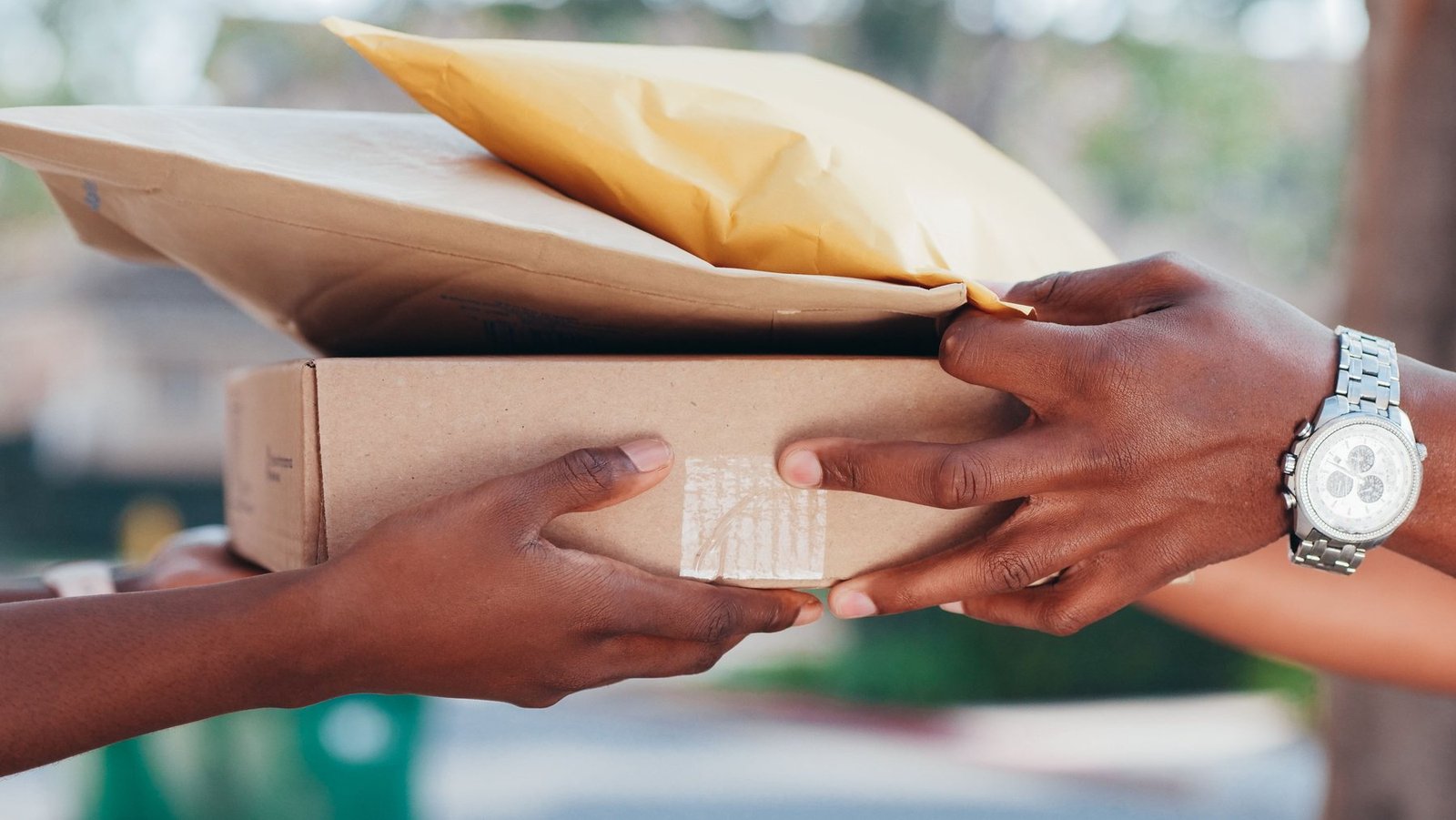
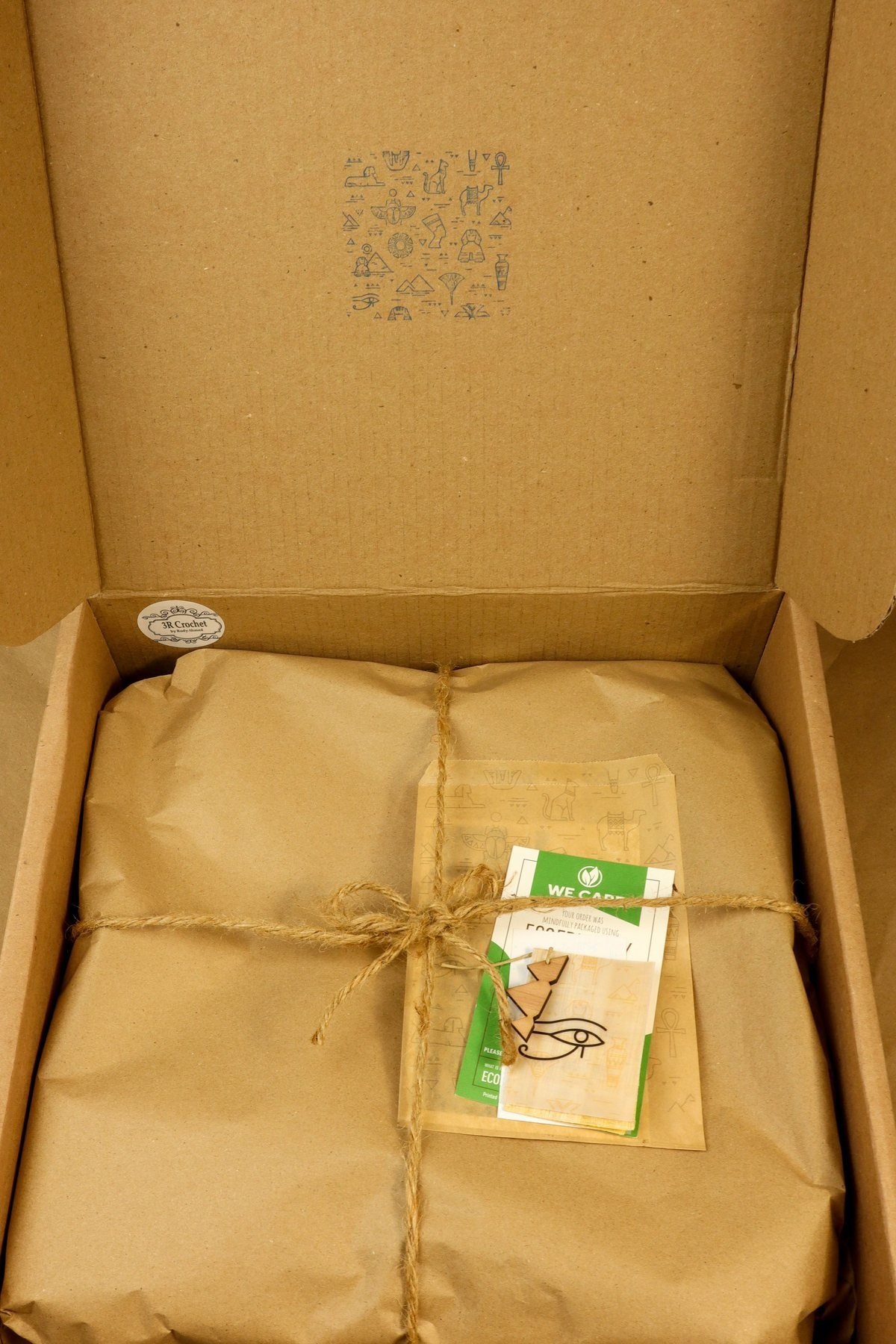
This article uses the FTC, EPA, ASTM and BPI references linked above. Buyers comparing European schemes may also consult TÜV AUSTRIA’s published registered laboratory list for OK compost programs and request the actual product certificate rather than relying on a logo screenshot. The photographs are licensed Pexels reference photography; they show real shipping situations, not Stowliva products, facilities or certification evidence.
To prepare a project, send the product dimensions, packed weight, destination markets, print artwork and target quantity through Stowliva’s request-a-quote form. We can then separate protection requirements, customization choices and claim documentation before sampling.
Editorial note: Five newly sourced, licensed real photographs illustrate this article. Product specifications, certification scope and claims must be confirmed for each order.