Roasted coffee packaging guide
Coffee Packaging: Valve, Barrier or Bag Style—What Matters Most?
Start with the freshness system. Then choose the pouch shape, printed carton and parcel that work around it.
Coffee packaging needs three things working together: a suitable barrier, a dependable seal and a plan for the gases released after roasting. Choose the pouch around those jobs before choosing its silhouette. A printed carton or mailer then adds presentation and transport support around the sealed coffee pack. This guide shows how to evaluate the whole system without mistaking a beautiful outer box for freshness protection.
What matters most in coffee packaging?
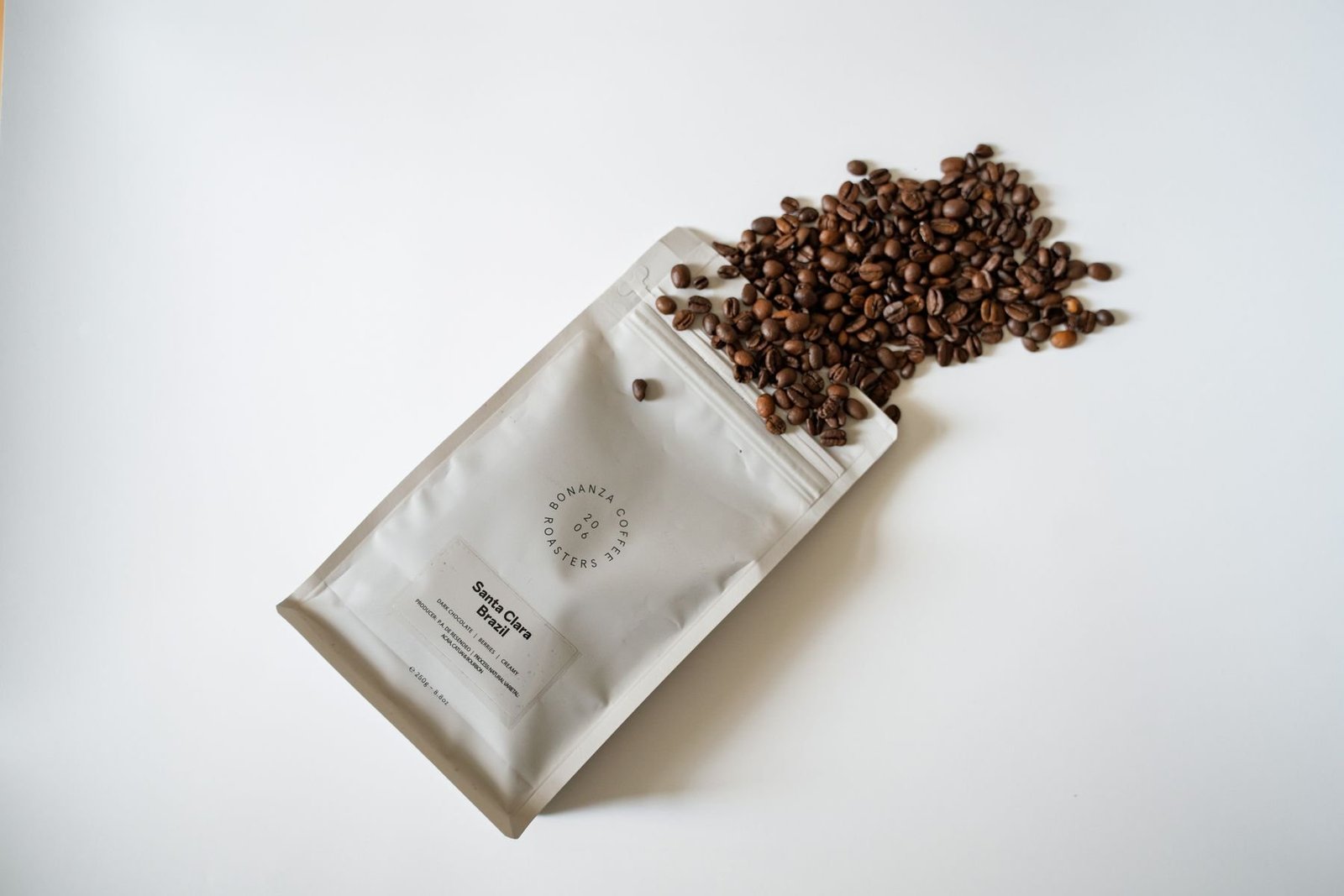
The most important part of coffee packaging is the complete freshness system: barrier material, one-way degassing valve, seal quality, fill process and validation. Fres-co’s coffee packaging guide frames the challenge clearly: retail coffee packaging must vent carbon dioxide while keeping oxygen out, because roasted coffee can release gas after roasting while also being vulnerable to oxygen exposure. (Fres-co’s one-way valve explanation)
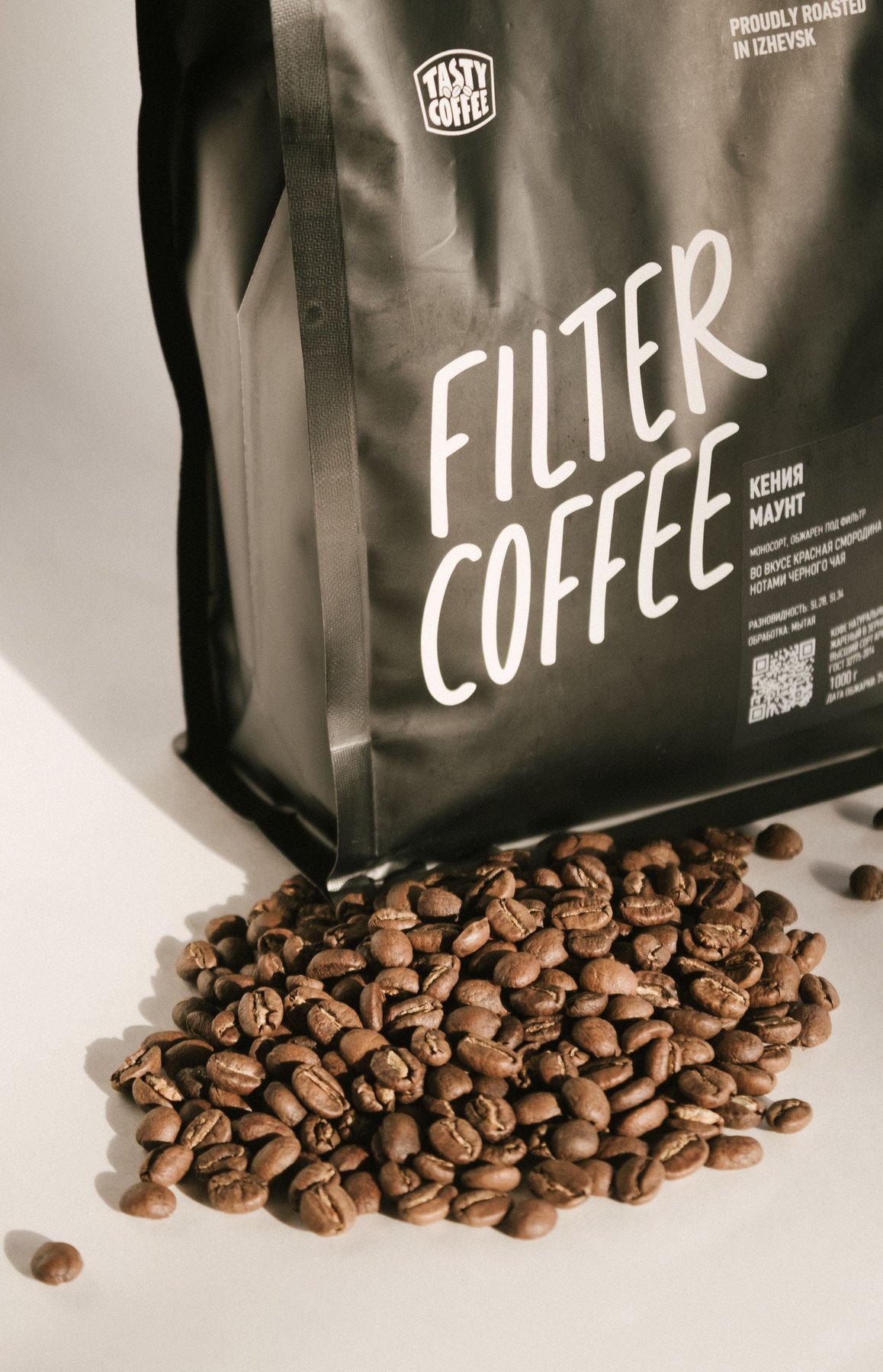
That means you should not choose coffee bags by appearance alone. A matte kraft-look pouch, glossy pouch, flat-bottom bag or box-pouch format may look right on shelf, but the freshness question is whether the finished pack can control the conditions your roast needs. Color, texture and structure support brand positioning; barrier, valve and seal performance protect the coffee.
Start with two briefs: one for the specialist coffee pouch supplier, and one for the outer packaging. Stowliva’s custom retail boxes, mailer boxes and inserts are relevant to the second brief. Confirm the available specification and sample scope for your order.
Primary pouch vs secondary box: the distinction to get right
The primary pack directly contains the coffee. The FDA’s food-contact overview includes packaging components, adhesives and colorants in its discussion of materials that touch food. Request evidence for the chosen construction and intended use in your destination market; a generic “food grade” phrase does not specify what was evaluated.
A decorative or secondary box sits outside the sealed pouch. It may improve shelf presentation, protect the pouch from scuffing, group units into gift sets, organize ecommerce fulfilment or carry brand information. Unless it is intended to touch coffee or unpackaged food, it should not be treated as the functional freshness barrier.
This distinction prevents two common mistakes. First, a beautiful box cannot compensate for a weak pouch seal or poor oxygen barrier. Second, a high-performing pouch does not automatically solve retail presentation, unboxing, shipping cost or crush protection.
Packaging options compared
| Option | Freshness role | Best use | Watchouts |
|---|---|---|---|
| Valve coffee pouch | Primary freshness pack for whole bean or ground coffee | Roasters packing soon after roast or managing CO₂ release | Valve, barrier, zipper and seals must match the coffee and fill process |
| Non-valved pouch | Primary pack only when degassing is already controlled or product/process allows it | Certain rested coffees, small batches or short routes after validation | Risk of swelling, seal stress or oxygen exposure if used without testing |
| Tin-tie or zipper bag | Consumer reclosure feature, not a full substitute for initial seal integrity | Retail packs opened and reused at home | Reclosure helps after opening but does not fix poor original sealing |
| Retail carton or sleeve | Secondary presentation and merchandising layer | Gift sets, premium shelf presence, multi-SKU ranges | Not the freshness barrier unless specifically designed and validated as primary food packaging |
| Mailer box with insert | Ecommerce protection and unboxing layer | DTC shipments, subscriptions, bundles | Must be tested with the filled pouch, not empty components |
One-way valves manage gas without inviting oxygen in
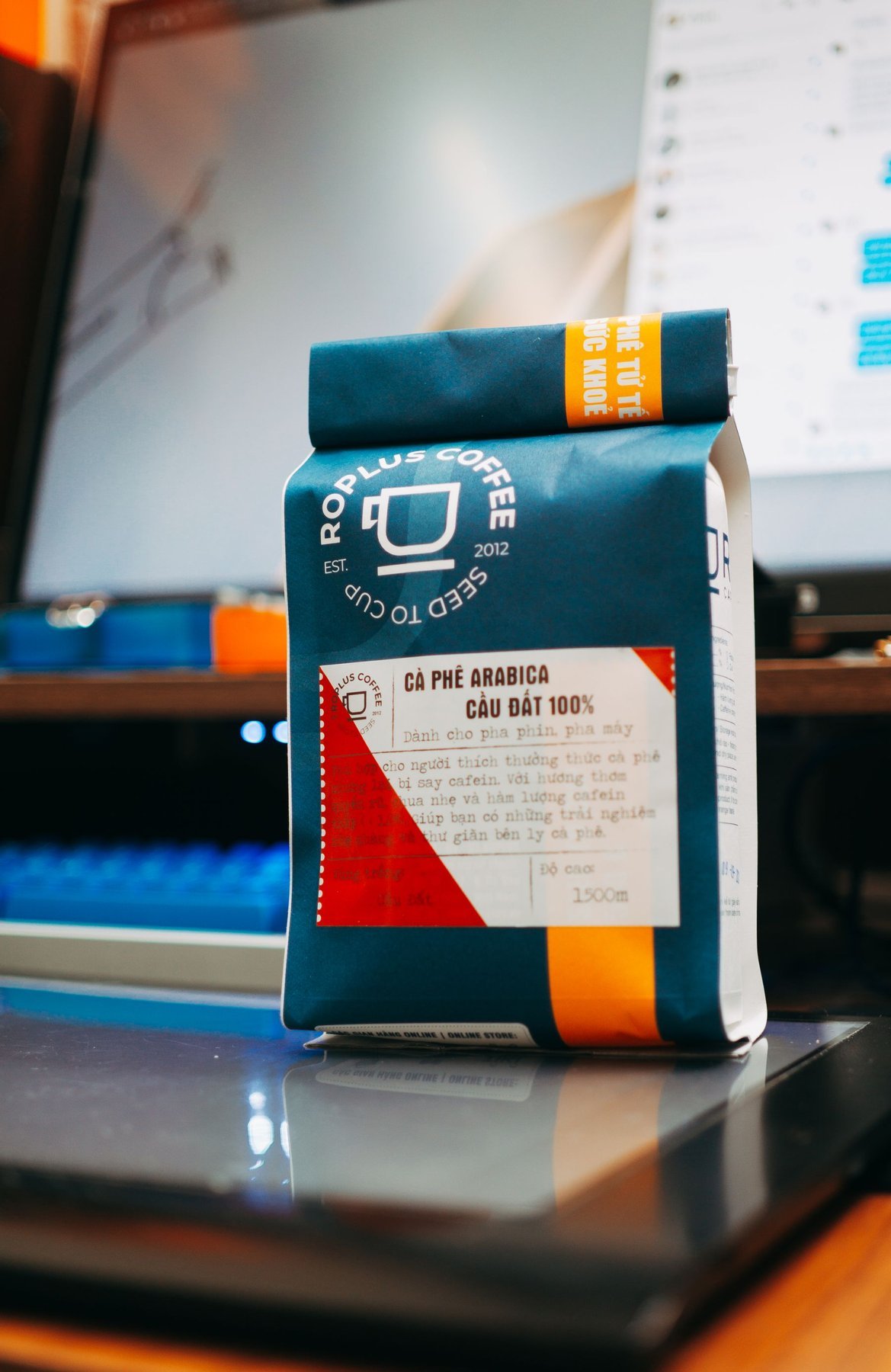
Fresh roasted coffee can continue releasing carbon dioxide after roasting. A one-way degassing valve is designed to let gas leave the pack while limiting oxygen ingress, which helps avoid swollen bags or stressed seals when coffee is packed fresh. SEE’s coffee pouch technical sheet describes one-way valves as allowing carbon dioxide release from roasted beans while helping maintain coffee quality; it also notes that barrier laminates protect against moisture, oxygen and light. (SEE’s coffee pouch technical sheet)
Valves are especially relevant for whole bean coffee packed soon after roast, because whole beans can continue degassing in the sealed pack. Ground coffee has more exposed surface area and different gas behavior, so you should not simply copy the whole-bean specification. Validate both formats separately if you sell both.
Valve placement also belongs in the artwork and filling discussion. A valve that interferes with a label, retail box window, heat-seal area, case pack orientation or ecommerce insert can create problems even if the component itself is appropriate.
Barrier performance protects aroma and slows staling
Barrier describes resistance to transfer through the packaging material, such as oxygen or water vapor. A window, laminate, valve and seal each affect the finished pack. The AMETEK MOCON coffee flow-pack guide treats headspace gas, degassing and package integrity as separate control areas. Evaluating only the film misses the rest of that system.
When you request coffee bags from a primary pouch supplier, ask for the actual barrier specification and test method, not just a vague claim such as “premium barrier.” If you compare materials, compare them under the same conditions and with the same assumptions. A barrier film can perform well on paper but still fail as a finished pack if conversion, valve insertion, filling or sealing introduces weak points.
Seal design is where good materials often fail
A tiny leak can bypass otherwise suitable material. Inspect the seams, folds and valve attachment, and ask the pouch supplier which package-integrity method fits the construction. The MOCON guide discusses seal contamination and valve testing. Use an agreed procedure and acceptance criteria, rather than judging a seam only by its appearance.
For buying, this means your pouch specification should include more than film type and bag dimensions. Ask how the supplier recommends sealing the pouch on your equipment, what seal area must stay clear of coffee dust, how operators should check seal consistency and what defects should trigger a hold.
If your team hand-fills, the process may require different controls than an automated line. Coffee dust in the seal zone, inconsistent dwell time, overfilled bags and rushed closure all create avoidable risk.
Whole bean and ground coffee need separate specifications
Whole bean and ground coffee need their own filling and validation trials. Their physical form changes how they fill the bag and how particles can reach the seal. Record roast, grind, fill weight and time from roasting to packing for each trial. A successful whole-bean sample does not approve the ground-coffee version.
If you sell both, run fill trials for both. Do not approve a pouch based only on the better-behaved SKU. Test your darkest roast, lightest roast, oily beans, densest fill, smallest size and largest size because each can change how the package fills, seals, vents and fits into secondary packaging.
Fill trials reveal problems before production
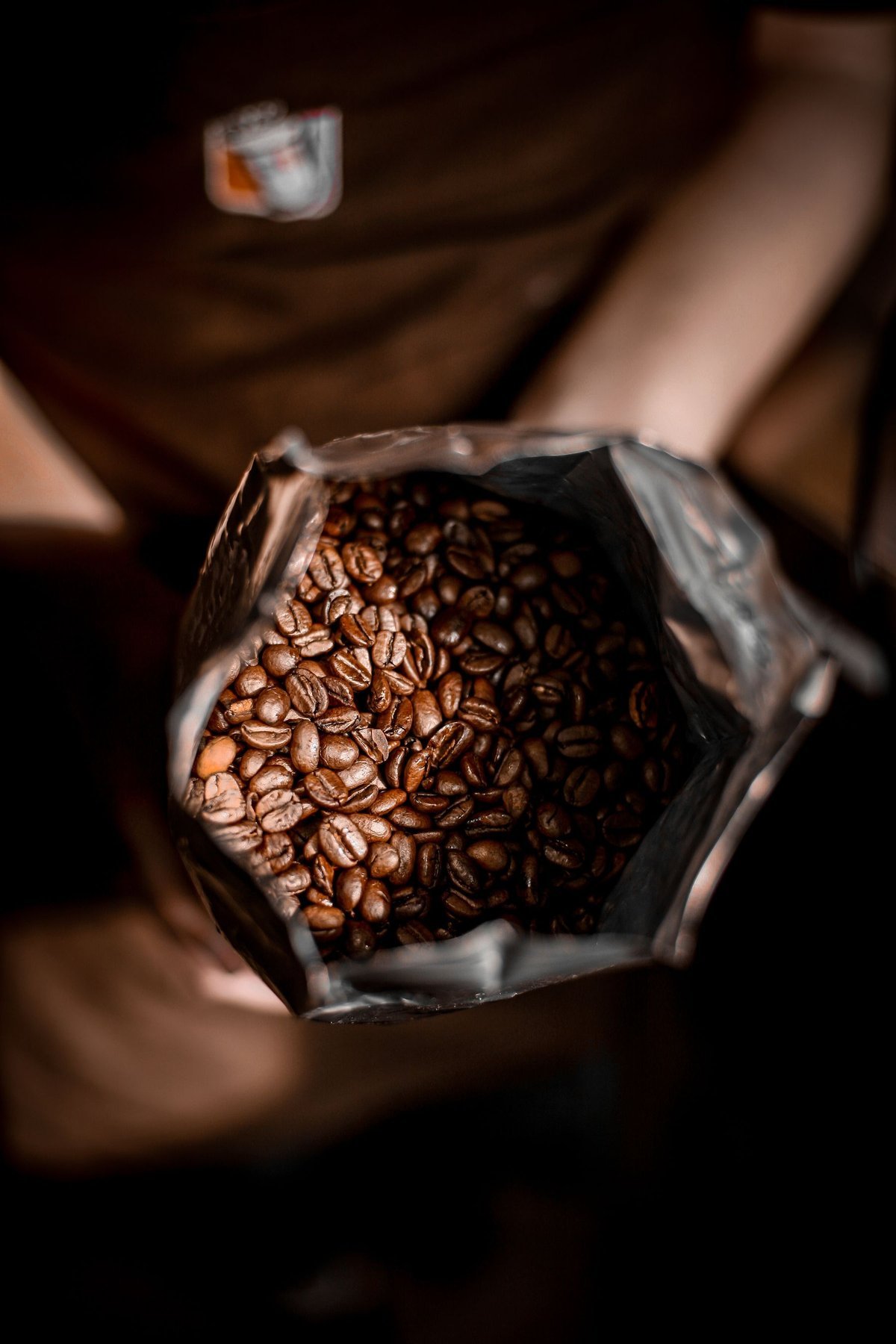
A fill trial is a practical rehearsal using real coffee, real operators, real filling equipment and the proposed pouch. It should confirm that the bag stands, opens, fills, seals, vents, labels, cartons and ships as expected.
During a fill trial, check:
- Fill weight and headspace: Confirm the bag holds the target amount without stressing the top seal or zipper.
- Seal cleanliness: Inspect whether grounds migrate into the seal area.
- Valve performance: Watch for swelling, panel distortion or blocked valves during realistic storage.
- Reclosure use: Test whether customers can open and reclose the pouch without tearing the structure.
- Box fit: Place filled bags into the planned retail box or mailer, not just empty bags.
- Packout speed: Time the steps and note awkward motions, jams or inconsistent placement.
A good fill trial does not have to be elaborate, but it must be honest. Empty mockups are useful for sizing; filled mockups show the real failure points.
Shelf-life validation should match your route to market
Shelf-life validation is the process of proving that the complete pack supports the quality target for your actual product and distribution path. It should consider roast profile, grind, residual oxygen or headspace conditions, storage temperature, humidity, light exposure, handling, shipping and consumer use.
Set a target period and agree how quality will be checked with your roaster and packaging specialist. Test the actual coffee, filling process and finished pack under defined storage conditions. A material brochure cannot establish the shelf life of your product. If gas flushing is used, verify the process rather than assuming the equipment removes all oxygen.
Your validation plan might include sensory review, seal checks, oxygen monitoring, moisture checks or third-party laboratory testing, depending on risk and sales channel. The key is to document the method before approving a large packaging order.
Secondary retail boxes make the pouch easier to sell
Once the primary pouch is selected, build the outer carton around the filled pack. A retail carton can group sampler bags and provide room for brewing notes. For sets, compare retail cartons with shipping boxes; the useful format depends on the contents, presentation and route.
For coffee, specify the box around the filled pouch. Measure the pouch after filling and sealing because gussets expand, valves add local thickness and zippers can change the silhouette. If the pouch is squeezed into the carton, the valve area, seals or printed panels may be stressed.
Adobe’s print bleed guide explains extending artwork beyond the final trim. Use your printer’s bleed and safe-area requirements for the selected dieline. Check the assembled carton for folded or hidden text, label clearance and scuffing. Approve the proof on the intended stock and finish.
Ecommerce shipping needs its own packout
Ecommerce coffee packaging has a different job from shelf packaging. It must survive parcel handling, protect the filled pouch or retail box, keep the order tidy and avoid oversized shipping charges. FedEx explains that dimensional weight reflects the space a package occupies and that shipments may be charged by dimensional or actual weight, whichever is greater; it recommends matching packaging to item size and fragility. (FedEx’s dimensional-weight guide)
For subscriptions, bundles or gift sets, consider a right-sized custom mailer box with a tested insert rather than a loose pouch in an oversized carton. Stowliva’s custom inserts can help position products inside packaging when dimensions and layout are shared.
Test the ecommerce packout with the worst realistic order: the heaviest bag, the smallest bag, mixed SKUs, labels, cards, void fill and any cold-weather or hot-weather handling concerns relevant to your route. A mailer that looks elegant empty can still fail when a dense coffee bag slides into one corner.
Actionable specification checklist
Use this checklist before approving coffee bags or secondary packaging:
- Define the product: Whole bean, ground, roast profile range, fill weight, oily or dry surface, and expected degassing behavior.
- Separate layers: Primary food-contact pouch, retail carton, insert, shipping mailer and outer case.
- Request pouch evidence: Barrier data, valve details, seal recommendations, closure options and food-contact documentation from the primary pouch supplier.
- Plan filling: Hand-fill or machine-fill, seal equipment, dust control, operator checks and reject criteria.
- Run filled samples: Test real coffee in the real bag, then place it into the proposed box or mailer.
- Validate freshness: Confirm the method for shelf-life, sensory and package integrity checks before claiming shelf life.
- Check artwork: Dielines, bleed, safe zones, barcode placement, valve clearance and carton copy.
- Test ecommerce: Drop, shake, compression and packout checks appropriate to your shipping route.
- Compare total cost: Pouch, valve, labels, boxes, inserts, labor, storage cube and parcel dimensional weight.
- Review claims: Do not make recyclability, compostability, food-contact or shelf-life claims unless the final specification supports them.
If you are still choosing paper stocks, finishes or box structures, order the Stowliva sample kit to compare materials before building the full secondary packaging brief.
Approve the parcel and the claims separately
A filled pouch can be punctured by another item or squeezed against a fold in a mixed kit. Ask a packaging specialist to select a suitable transport test from the ISTA procedure overview. Evaluate the actual pouch, carton, support, closure and product together. A hand-shake check is useful for finding movement, but does not establish transit performance.
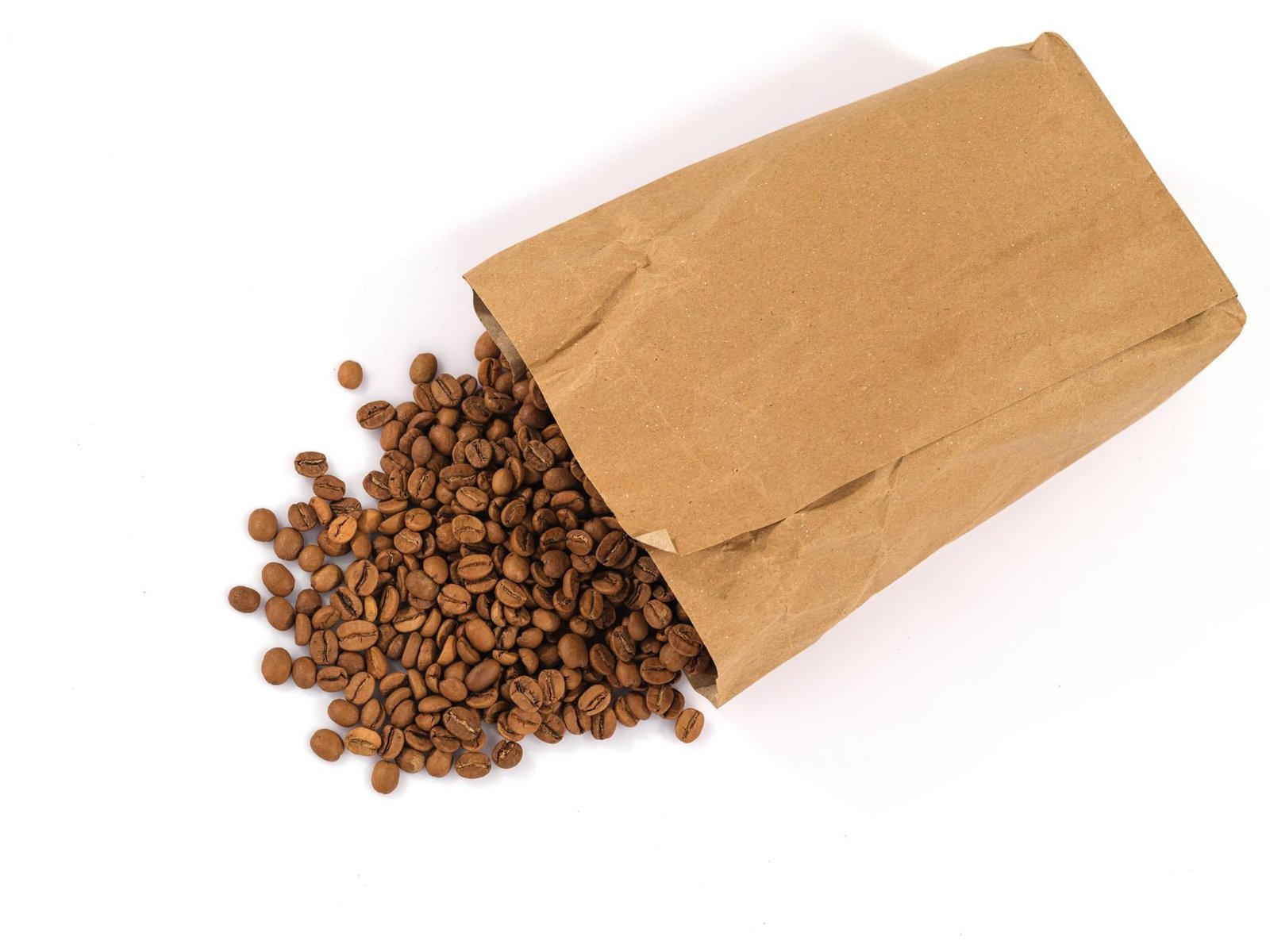
For recycling or composting copy, check the complete construction and the systems available to customers. FTC environmental claims guidance explains the need to qualify claims and support them with evidence. Brown paper outside a multilayer pouch is not proof of a particular recovery route. Keep disposal instructions for the pouch and paper outer box separate.
Send a brief that keeps both suppliers aligned
Record the filled pouch’s maximum dimensions and normal variation, valve position, top-seal clearance, product weight, number of bags per order and destination. Photograph the preferred arrangement, then check that the outer support leaves the pouch and its features unobstructed. If a sample kit includes paper stocks or print examples, use it for those decisions and request a separate custom structural sample.
For the next step, review the Stowliva packaging sample kit, read the packaging insert guide, or send your outer packaging brief. Include actual filled bags when approving the box. Keep a record of the final pouch, outer pack and packing instructions so reorders match the reviewed system.
Coffee Packaging: frequently asked questions
Do coffee bags always need a one-way valve?
The need depends on the product, roast-to-pack interval, filling process and distribution. A valve can release gas from roasted coffee, but its specification must be evaluated with the barrier, seals and actual coffee.
Does a valve make a coffee bag airtight?
A one-way valve is intended to release gas while limiting inward flow. It does not establish the integrity of the film or seams. Evaluate the whole finished pouch and the filling process.
Can a paper box keep roasted coffee fresh?
A decorative outer carton normally provides presentation and support around the sealed primary pack. It does not replace the primary pouch’s barrier, seals or freshness validation.
How long will coffee stay fresh in the selected packaging?
There is no universal period established by bag style alone. Validate the actual product and finished pack under defined storage and distribution conditions before making a shelf-life claim.
Does kraft-looking coffee packaging belong in paper recycling?
Appearance alone does not determine the disposal route. Check the final layers, coating, valve, closure and local collection guidance. Give separate instructions for the pouch and the paper outer carton.
About this guide: Prepared by Stowliva Editorial using the linked references, reviewed October 17, 2026. Reference photos show independent applications. Confirm specifications for your order.