Packaging Compliance
Plastic Bag Bans & Material Fees
A bag ban, a checkout charge and a restriction on a chemical are different policies. Learn how to identify the covered use before choosing a replacement material.
Explore the guide ↓
The decisive question is often where and how a package is supplied—not simply whether it is made of plastic.
- Identify the covered use before the material.
- Separate bans, charges and content standards.
- Review replacements for protection and the complete construction.
On this page
Begin with the use: checkout, pre-checkout or shippingA prohibition and a charge change different thingsCalifornia example: the store and date matterA chemical restriction is not a blanket material banCompare the replacement by function, not appearanceKeep one dated market decision with the purchase specification01 / 06
Begin with the use: checkout, pre-checkout or shipping
A carryout bag given to a shopper at a covered store is not automatically treated like a product-protection bag shipped from a warehouse. Bags used for loose produce can have a separate rule again. The same polymer name does not make these uses legally identical.
Record the destination, seller type, product and point at which the bag is provided. Then read the applicable definitions and exceptions. This avoids ordering a replacement that solves the wrong problem.
Three bags, three questions
A bag at a grocery checkout, a bag holding loose produce and a sealed protective garment bag in an online order have different functions. A checkout-bag rule should not be presented as a universal rule for all three.
02 / 06
A prohibition and a charge change different things
A prohibition removes a covered material or format from use. A charge requires money to be collected for a permitted item. A minimum-content rule changes the construction of an allowed item. A recordkeeping requirement establishes what must be documented. One policy can combine several of these mechanisms.
A store cannot make a prohibited bag acceptable simply by charging for it. Likewise, an approved material may still require a checkout charge and specified information.
| Policy mechanism | What a buyer needs to resolve |
|---|---|
| Prohibition | Is this covered format allowed at all? |
| Mandatory charge | Who collects it, how much, and for which item? |
| Material or content standard | What composition must an allowed bag meet? |
| Label or record requirement | What must appear or be retained? |
03 / 06
California example: the store and date matter
Use a concrete jurisdiction to see why the distinctions matter. California’s covered-store carryout rules address checkout distribution and include a minimum charge for the permitted paper alternative. Separate provisions address pre-checkout bags. The categories should not be collapsed into a blanket claim that all California plastic packaging is banned.
The official page also distinguishes requirements taking effect at different dates. A procurement brief should identify which date governs the planned supply rather than using an old stock description.

04 / 06
A chemical restriction is not a blanket material ban
A rule can target intentionally added chemistry in a particular application instead of banning every item made of that material. Food-contact scope is especially important: a molded-fiber food container and a non-food gift insert should not automatically receive the same legal conclusion.
The replacement must still perform its job and meet the applicable restricted-substance requirements. ‘Paper’ is not a complete chemical specification, and the absence of a visible coating does not establish the absence of a regulated substance.

05 / 06
Compare the replacement by function, not appearance
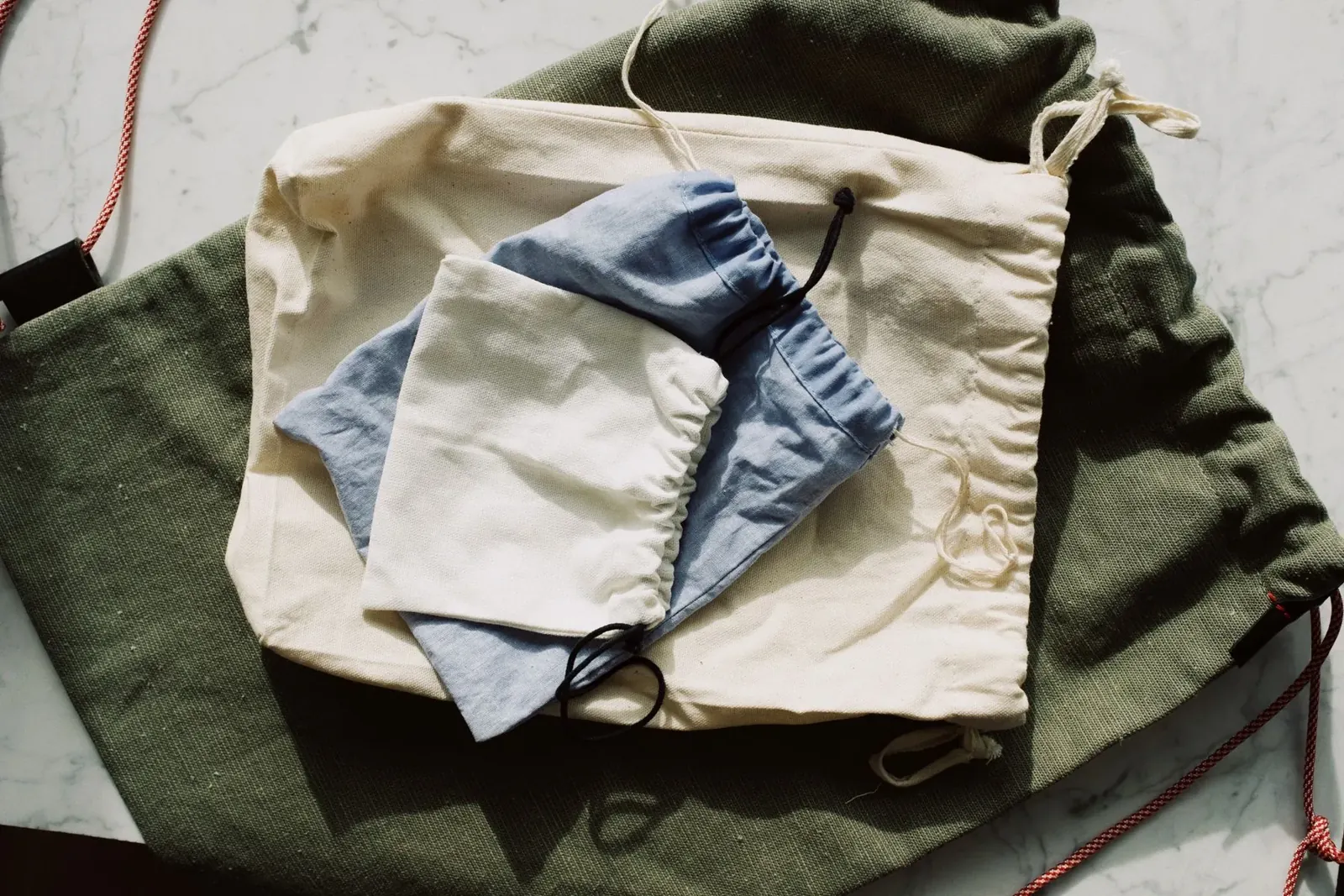
A paper bag may suit a dry retail purchase but behave differently in moisture or when carrying a heavy item. A reusable textile bag only delivers repeated service if customers actually keep using it. Changing the material name does not remove these practical questions.
Compare load, moisture, handles, dimensions, intended repeat use and the real disposal route. Include any extra packaging required by the change. A replacement that needs an additional liner should be evaluated as that complete construction.
| Replacement question | Why it affects the result |
|---|---|
| Can it carry the intended load? | Avoids failure and double bagging |
| Will it encounter moisture? | Determines whether a barrier is needed |
| Is repeated use realistic? | Distinguishes durable design from actual reuse |
| What components are added? | Changes mass, cost and recovery |
| What market receives it? | Changes the applicable rule and disposal route |
06 / 06
Keep one dated market decision with the purchase specification
A useful procurement record names the destination, covered use, relevant rule, effective date and approved construction. Keep any supplier declarations with that record and revisit it before entering a new market. A claim that a bag is ‘compliant everywhere’ hides the distinctions that matter.
Give Stowliva the intended market and use at the beginning of a project. That allows a material discussion to reflect the real application. Final legal scope and retail charging procedures need the business responsible for supplying the bag in that jurisdiction.
Official and first-party resources · reviewed October 7, 2026
Put the learning into your next pack.
Share your product, material questions and destination with Stowliva.