Packaging Education
Bioplastic Packaging
Bioplastic can describe where a polymer’s carbon comes from, how it breaks down, or both. Learn the difference through common materials and practical disposal examples.
Explore the guide ↓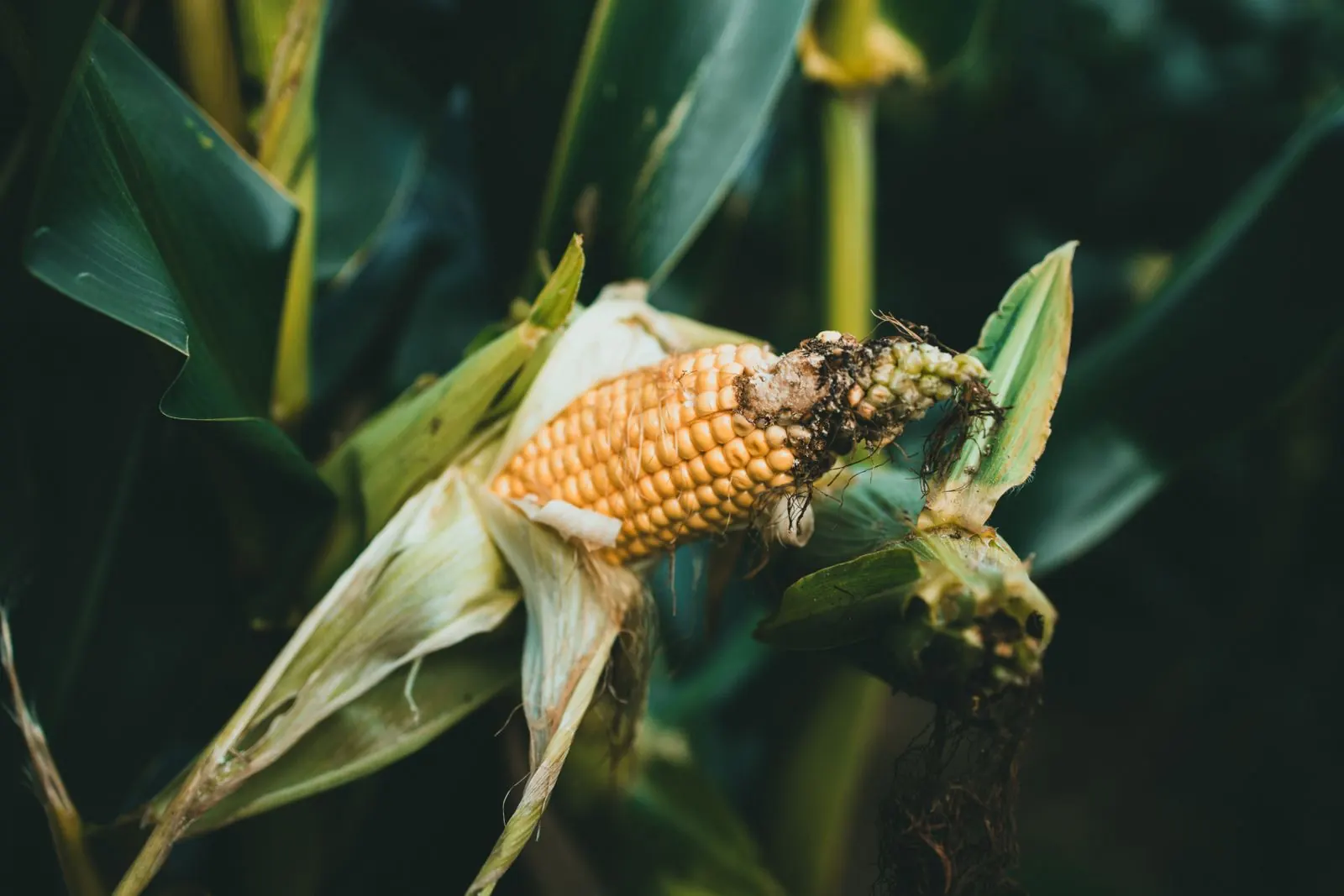
Biobased and biodegradable are separate axes. A plant-derived plastic can remain durable; a biodegradable polymer can have a fossil origin.
- Biological origin does not determine breakdown.
- Evaluate the actual polymer blend and finished thickness.
- Match the new material to a practical use and receiving route.
On this page
The word bio hides two different questionsA renewable crop brings cultivation questions with itKnow the polymer before choosing the binA mixed film illustrates why one ingredient is not enoughA disposal plan should anticipate mistaken sortingCompare the whole job before switching materials01 / 06
The word bio hides two different questions
The first question is origin: does some or all of the input come from biological resources? The second is behavior: can the material biologically break down under a specified environment and time frame? These describe different properties.
Bio-PE is a useful example of changed origin without a new composting behavior: it is polyethylene made using a biological input. A biodegradable polymer can provide the opposite example, with fossil-derived input and particular breakdown properties. A blended bag can combine several of these characteristics. ‘Bioplastic’ alone is therefore too broad to specify a package.
| Not established as biodegradable | Biodegradable under specified conditions | |
|---|---|---|
| Biological input | Bio-PE is a common example | PLA or PHA formulations may have relevant evidence |
| Fossil input | Conventional PE is a common example | PBAT is a common example |
02 / 06
A renewable crop brings cultivation questions with it
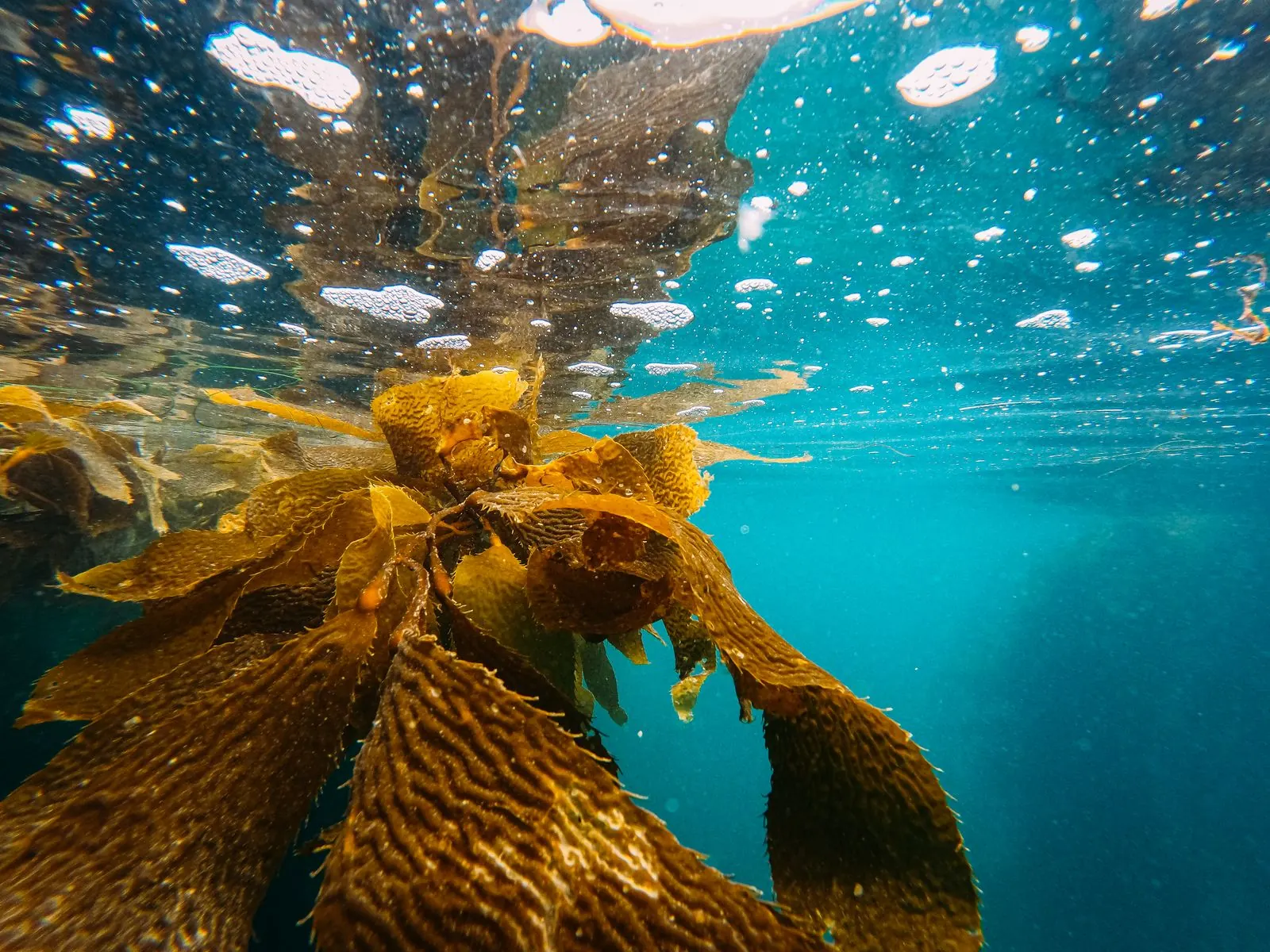
Crop sugars, cellulose and marine biomass can supply polymer feedstocks. Their ability to regrow distinguishes them from geological fossil inputs, but does not calculate their overall footprint. Farming, land-use change, irrigation, fertilizer, extraction and processing all affect the comparison.
Waste and residue inputs create another pathway: use a byproduct rather than produce a new dedicated crop solely for the material. Even then, processing and competing uses matter. The useful question is how the specific input was obtained, not whether a leaf can be drawn beside its name.

03 / 06
Know the polymer before choosing the bin
Polymer chemistry influences melting, strength, barrier behavior and biological breakdown. A bag can also be a blend, so a headline ingredient does not describe every component. The table gives a basic orientation rather than a universal disposal approval.
A compostability statement needs the finished construction and intended environment. A recycling statement needs collection and processing compatibility. Water solubility, where relevant, describes dissolving; it does not by itself prove harmless biological breakdown.
| Material family | What the name helps explain | What must remain separate |
|---|---|---|
| Bio-PE / partially biobased PET | Biological inputs can supply a familiar durable polymer | Compostability does not follow from plant origin |
| PLA | Often made from biological feedstock; processing properties differ from PE | Commercial composting evidence is not a home-bin instruction |
| PBAT | Commonly fossil-derived biodegradable polymer used in blends | The full blend and finished item need their own evidence |
| PHA / PHB | Polymers produced through biological processes | Breakdown depends on formulation and environment; no blanket marine claim |
| PBS | Can involve different feedstock routes and blend constructions | Read actual origin and composting evidence |
| Cellulose film | Processed biological polymer, often with coatings | Coating and additives affect finished behavior |
| PVOH / PVA | Some grades dissolve under relevant conditions | Dissolving is not the same as proving complete biodegradation |
| PEF and other emerging polymers | New chemistry may offer particular functionality | A new material needs its own established recovery route |
04 / 06
A mixed film illustrates why one ingredient is not enough
Manufacturers blend polymers to obtain the flexibility, sealing and handling properties needed at scale. An entirely biological ingredient can therefore be used in a finished film that also includes fossil-derived material. This is a formulation decision, not necessarily a contradiction.
The lesson for a buyer is to distinguish the feedstock claim for the ingredient from the composition and treatment evidence for the final film. A percentage for the pellet should not become a percentage for the whole bag without the corresponding calculation.
05 / 06
A disposal plan should anticipate mistaken sorting
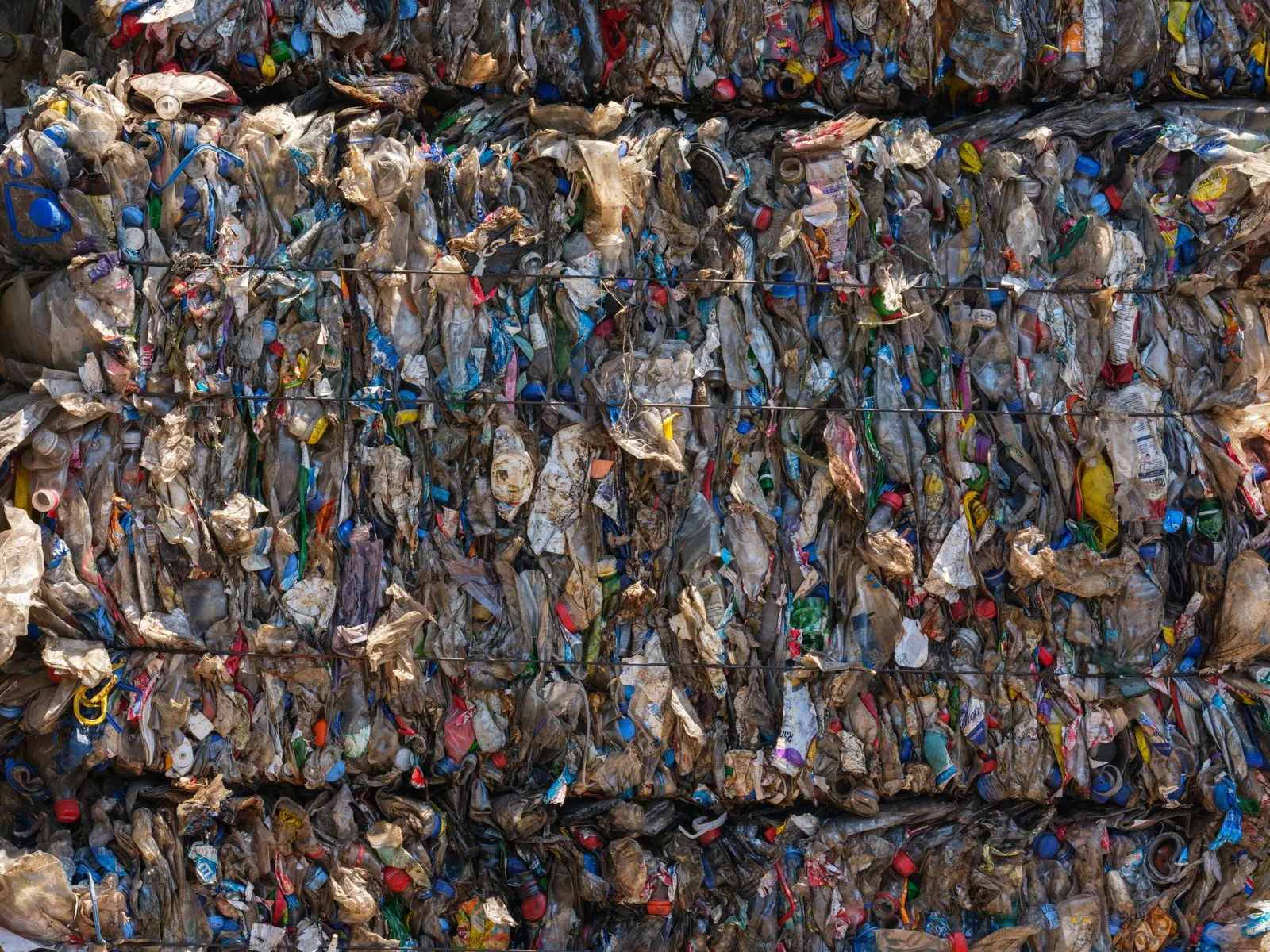
A clear compostable bag can resemble a clear PE bag. If the customer assumes they belong in the same collection, the new material can contaminate a conventional stream. Labels need to counter that confusion rather than simply say bio.
Use a verified disposal instruction appropriate to the destination and construction. Where a relevant composting or recycling route is absent, do not imply that the ingredient name solves the problem. The package also needs to survive its working life before the intended treatment begins.
Plant-derived does not mean garden-bin ready
A bio-PE bag is chemically a PE material. Its biological origin does not make it home compostable. A PLA blend with commercial-composting evidence should not inherit the bio-PE recycling instruction either.
06 / 06
Compare the whole job before switching materials
A fair comparison delivers the same protected products. Include film weight, extra layers, converting, storage, transport and the actual treatment route. If a new material damages more goods or needs an additional barrier, those effects belong in the result.
Promising biological inputs deserve a clear application and a trial, not automatic approval or automatic rejection. The point is to understand which property is improving and whether the finished system provides an equally useful packaging service.
- 1Identify the polymer and blend
- 2Understand the feedstock
- 3Test the required performance
- 4Confirm a treatment route
- 5Compare the complete packaging job
Official and first-party resources · reviewed October 7, 2026
Put the learning into your next pack.
Share your product, material questions and destination with Stowliva.