Packaging Education
Seaweed Packaging
Seaweed offers a renewable marine input for emerging packaging materials. The important details are how it is grown, how much is used and what else is in the finished film.
Explore the guide ↓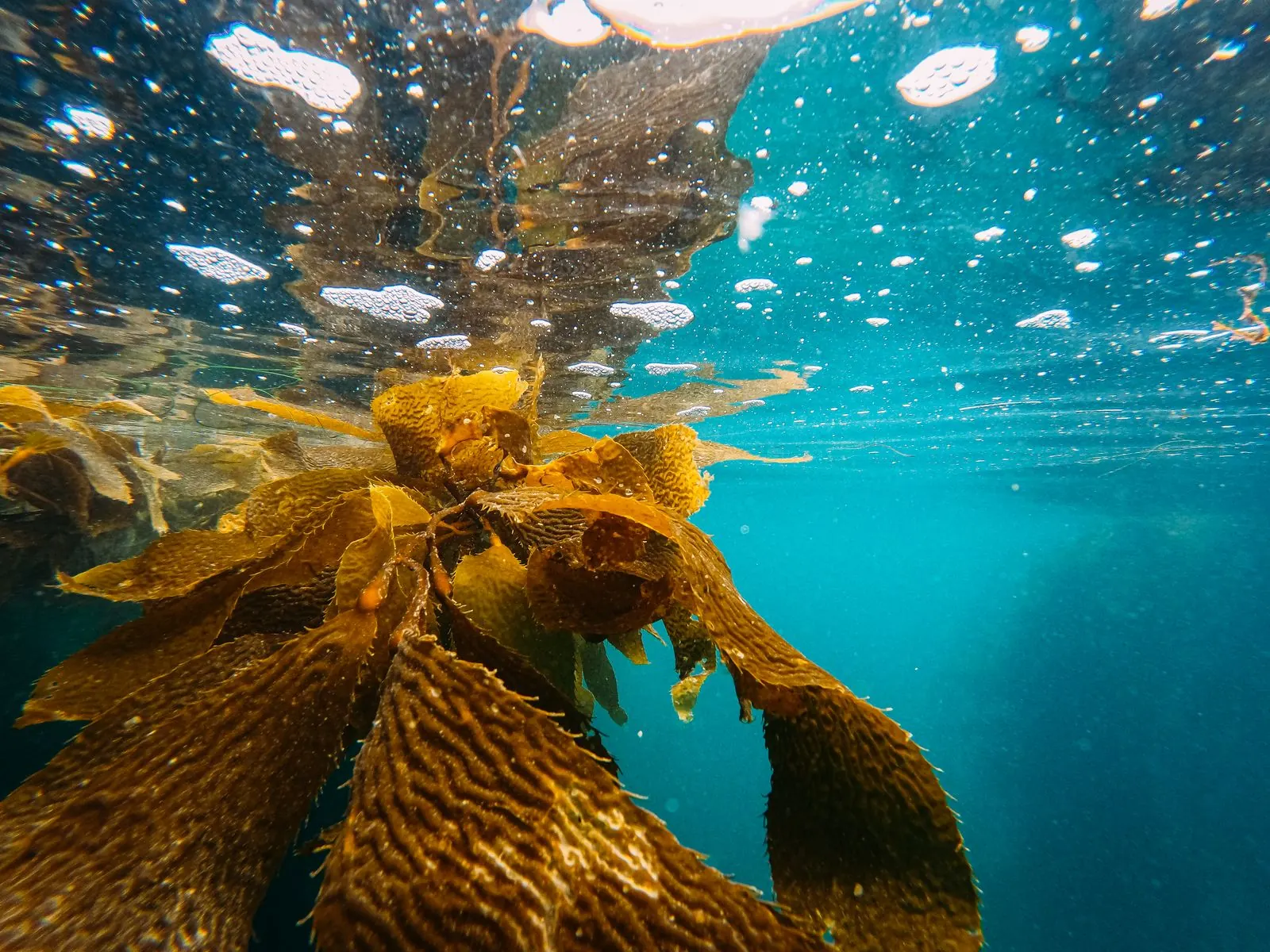
Seaweed is the starting resource, not the whole bag. Evaluate the ecological opportunity and the engineered formulation as two connected parts.
- Separate the farm-level opportunity from the finished film.
- A seaweed-based blend can contain other renewable and fossil-derived inputs.
- Confirm performance and the supported treatment route for the final item.
On this page
Why a marine crop is interesting as a packaging inputRenewable does not mean permanently carbon-storingSeaweed becomes a packaging material through formulationCompare the input with the job it needs to doThe finished blend determines the disposal claimWhat a useful seaweed-material pilot should tell you01 / 06
Why a marine crop is interesting as a packaging input
Seaweed grows through biological processes and uses nutrients in the surrounding water. Responsible cultivation offers a different resource pathway from extracting petroleum or growing a land crop. The opportunity is not merely that seaweed is natural; it is the possibility of obtaining useful biomass with ecological services at the farm.
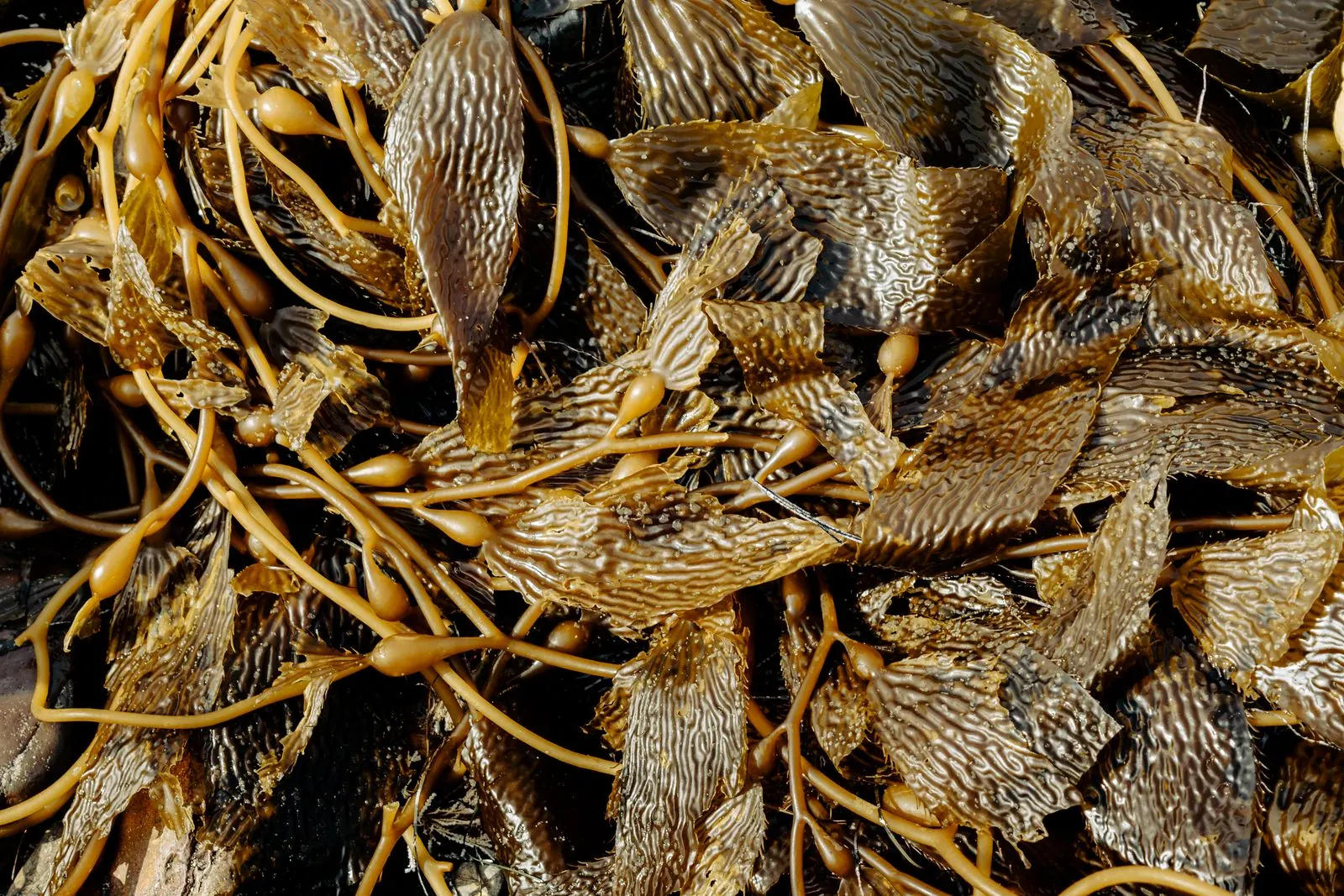
Location, species and management still matter. A beneficial cultivation practice cannot be inferred from a photograph of a kelp forest or from the ingredient’s name. Source the actual supply story and distinguish cultivation from harvesting wild stocks. A finished material also needs processing energy, other ingredients and transport.
02 / 06
Renewable does not mean permanently carbon-storing
A renewable resource can replenish on a human-relevant time scale when managed within its renewal capacity. Seaweed can grow again; petroleum cannot regenerate on the time scale of packaging demand. That is an origin distinction.
Growth absorbs carbon, but the subsequent fate of that carbon matters. Processing, use and biological breakdown can release carbon again. A claim that a final package stores carbon permanently or has a negative footprint requires a defined method and boundary; it cannot be inferred from the fact that the crop grew. The ecological promise and the completed product’s measured performance are different forms of evidence.
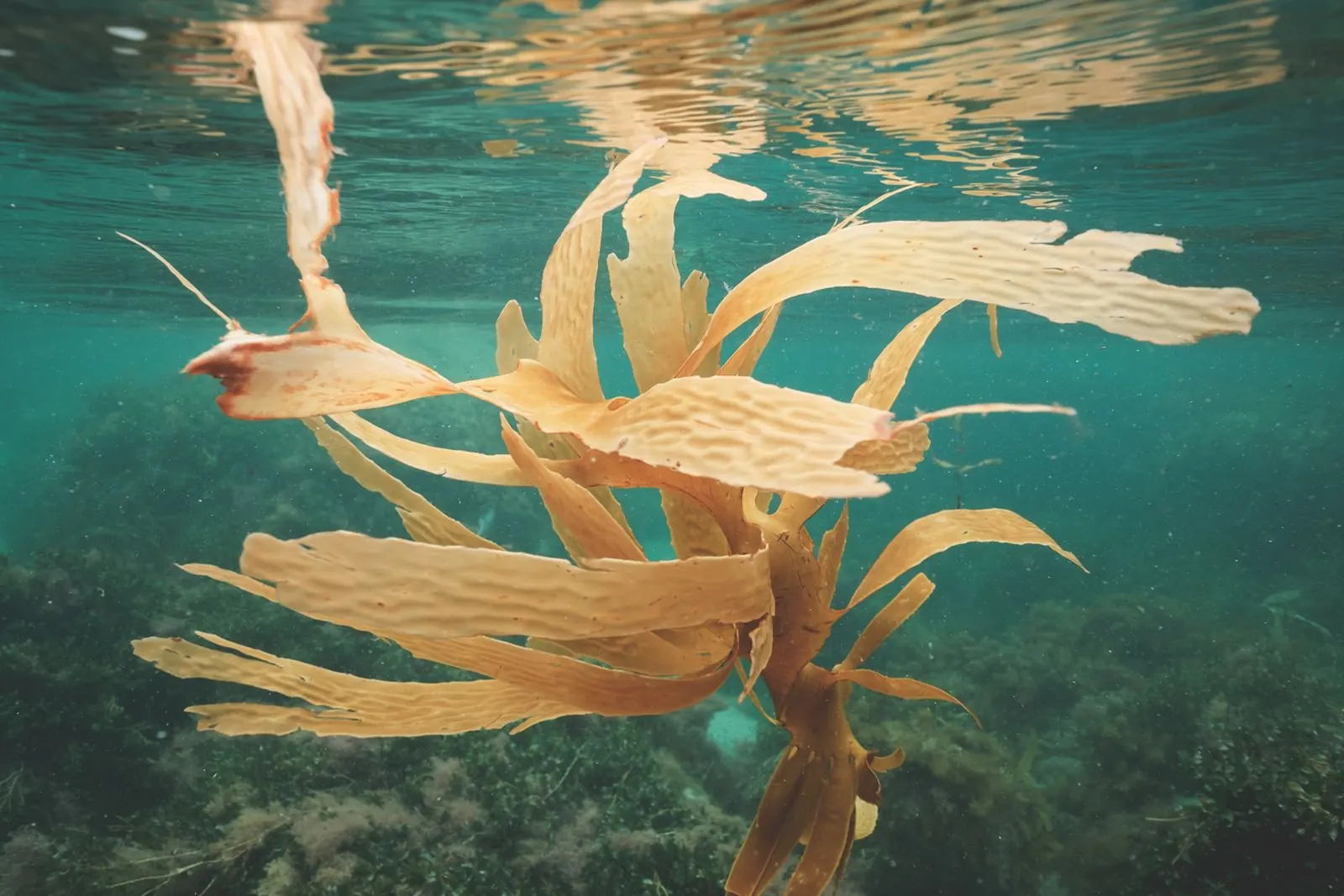
Keep the carbon claim attached to the calculation
‘Contains a seaweed-derived ingredient’ describes composition. ‘Carbon-negative packaging’ describes a modeled or measured climate result. The second needs much more information than the first.
03 / 06
Seaweed becomes a packaging material through formulation
A converter needs more than harvested biomass. A formulation must behave during processing and provide useful strength, flexibility, sealing and storage performance. Manufacturers may combine seaweed-derived ingredients with other plant-derived or fossil-derived polymers to achieve those properties.
This means ‘seaweed-based’ does not necessarily mean ‘100% seaweed’ or ‘100% biobased.’ A pellet, coating and flexible film made by the same developer can have different compositions. The statement for one must not be copied onto another.
- 1Source the biomass
- 2Produce a usable ingredient or resin
- 3Blend for the required properties
- 4Convert and seal the film
- 5Test the finished construction
04 / 06
Compare the input with the job it needs to do
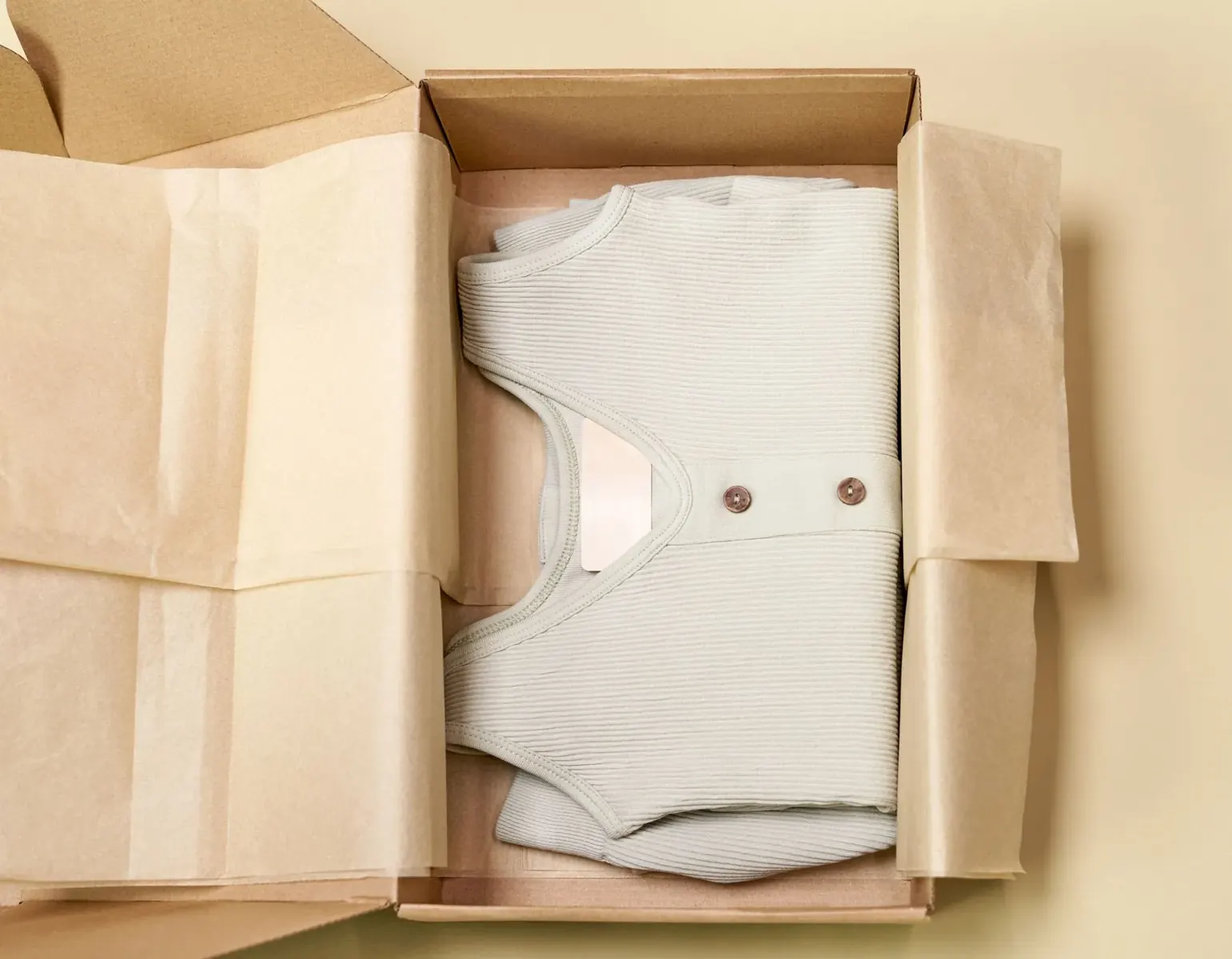
A garment-protection bag needs different properties from a pouch holding an oily or moisture-sensitive product. Transparency, sealing, stiffness, water exposure and storage conditions influence whether a new film is useful. A renewable input cannot compensate for an unsuitable barrier or failing seam.
Compare the proposed film with the existing construction in the same application. If the new film requires an additional protective layer, include that layer in the comparison. The relevant unit is a protected product through its intended journey, rather than one square meter of material on its own.
| Application question | Why it matters |
|---|---|
| Must the product remain visible? | Affects film appearance and any need for another label or window |
| What moisture exposure is expected? | Affects barrier and storage requirements |
| How will the bag be sealed? | Affects converting and production compatibility |
| How long will goods be stored? | Affects shelf-life and mechanical stability |
| What is the receiving route? | Affects the finished disposal instruction |
05 / 06
The finished blend determines the disposal claim
A bag’s environmental behavior depends on its full formulation and construction. The seaweed percentage alone does not establish compostability, recycling compatibility or breakdown in the ocean. Thickness, closures, inks and adhesives remain part of the question.
A verified home-compostable film needs the appropriate home instructions; an industrial claim needs an accepting commercial route. Neither should be added to a PE-film recycling stream by appearance. Marine biodegradation is a separate claim, with a different environment and evidence. A crop taken from the sea does not make littering harmless.
06 / 06
What a useful seaweed-material pilot should tell you
A pilot should produce answers about the actual item: its composition, usable dimensions, seam behavior, appearance after storage, protection and supported disposal statement. A small representative run makes those questions observable before a brand designs an entire launch around the ingredient.
For Stowliva, seaweed is an emerging-material discussion requiring a feasibility review of the selected supply route. This guide does not imply a current Sway partnership or guaranteed availability. The practical opportunity is to evaluate a promising resource with the same care as any other production material.
A focused pilot question
For a folded-garment bag, compare the proposed and current packs after the same storage and handling sequence. Record tears, seam failures and moisture effects. Then review the disposal instruction customers will actually see.
Official and first-party resources · reviewed October 7, 2026
Put the learning into your next pack.
Share your product, material questions and destination with Stowliva.