Packaging Education
Recycled Packaging
Recycled content gives used material another productive life. Understand where it comes from, why purchasing it matters and how to read the percentages on a packaging specification.
Explore the guide ↓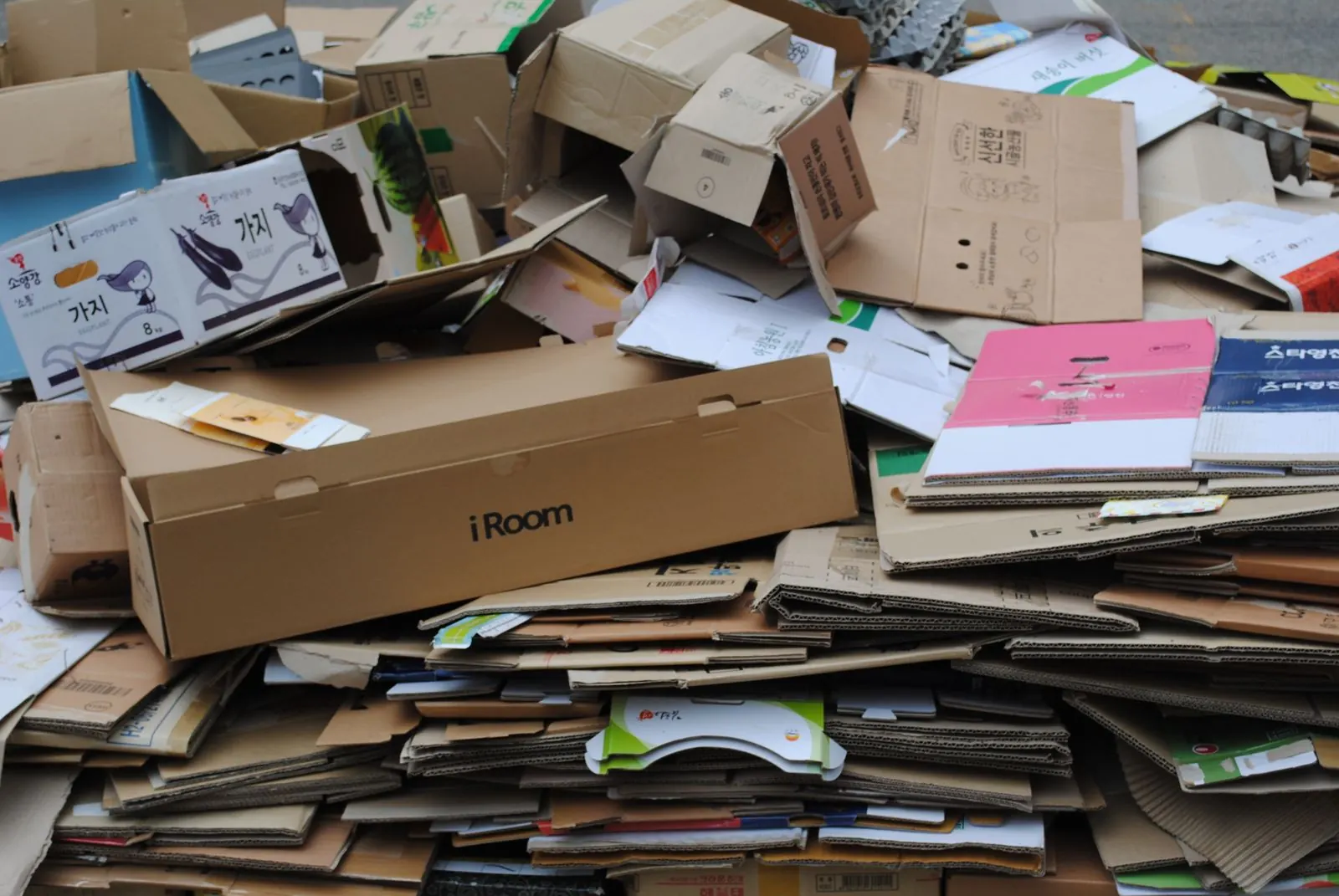
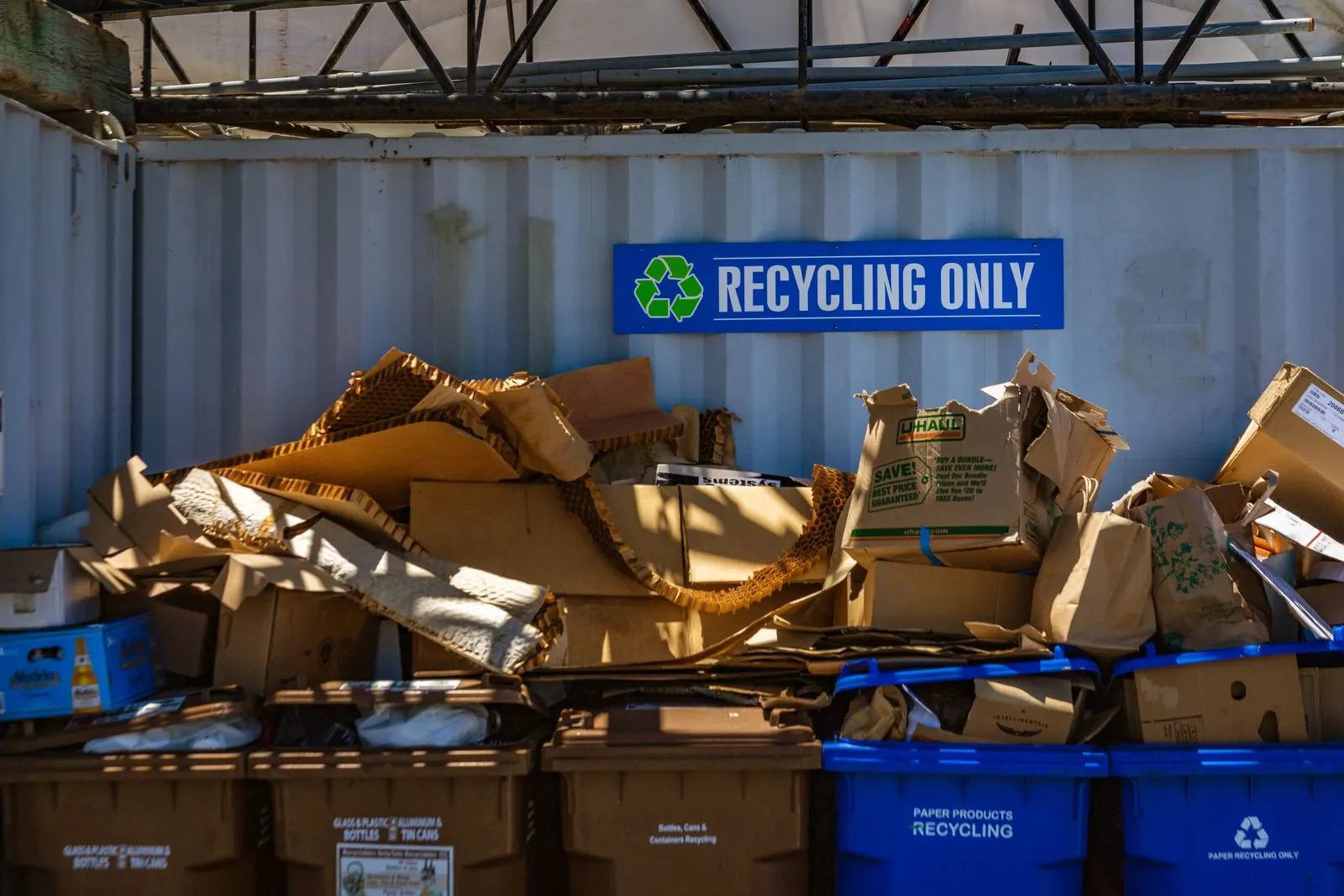
A recycling bin supplies recovered material. A manufacturer buying that material closes the next part of the loop. Packaging buyers influence that demand.
- Recycled is an input; recyclable is a route after use.
- Purchasing recovered inputs helps complete the material loop.
- State total recovered content and PCR with the same clear denominator.
On this page
Recycled content describes what went into the packageReason one: keep the value of an existing materialReason two: the production route can changeReason three: buyers make recovered material worth processingPCR and total recycled content are not the same percentageRecovered material still has to perform the packaging job01 / 06
Recycled content describes what went into the package
A used shipping carton can be pulped into fiber for a new sheet. Suitable recovered plastic can be cleaned, processed and made into another plastic product. Packaging made with those inputs contains recycled material. The claim concerns its material history before the new package was manufactured.
Recyclable describes a different moment: what can happen after this package is used. A fresh-fiber carton can be recyclable without recycled inputs. A multilayer pouch can contain recovered plastic while remaining difficult to recycle after its next use. Those two examples explain why buyers need both an input statement and an end-of-life assessment.
| Input | Where it comes from | Everyday example |
|---|---|---|
| Post-consumer recycled (PCR) | Products that completed their intended use | Fiber recovered from a used delivery carton |
| Pre-consumer recycled | Qualifying material diverted from a manufacturing waste stream | Recovered converting offcuts |
| Virgin | Newly harvested or extracted feedstock | Fresh wood pulp or newly made fossil resin |
Brown paper is not proof of recovered fiber
A kraft sheet can be made with virgin fiber, recovered fiber or a blend. Color and a visible fiber texture cannot establish the percentage. The material declaration for the selected grade answers that question.
02 / 06
Reason one: keep the value of an existing material
Making a new package from an existing material can reduce the demand for newly extracted or harvested input. For paper, that means reusing fiber rather than obtaining all fiber from new wood. For conventional recycled PE, it means reusing polymer already made from fossil feedstock. The old material’s origin does not change, but its useful life is extended.
This is why renewable and recycled are different. A tree-derived sheet can use renewable biological input while being entirely virgin. A recovered PE film can reuse a nonrenewable-origin polymer. Both origin and reuse matter; neither word is a substitute for understanding the complete pack.

03 / 06
Reason two: the production route can change
Virgin and recovered materials start at different points in a supply chain. A recovered fiber route still needs collection, transport, pulping and cleaning, but it does not repeat every stage of obtaining fresh fiber. A recycled-resin route still needs sorting and processing, but reuses existing polymer. The environmental comparison depends on those different steps.
There is no reliable universal percentage saving for ‘all recycled packaging.’ Polymer type, paper grade, energy, transport and processing yields affect the result. A useful comparison names an equivalent material and job. A statement about resin production cannot be carried unchanged onto a printed parcel with several components.
04 / 06
Reason three: buyers make recovered material worth processing
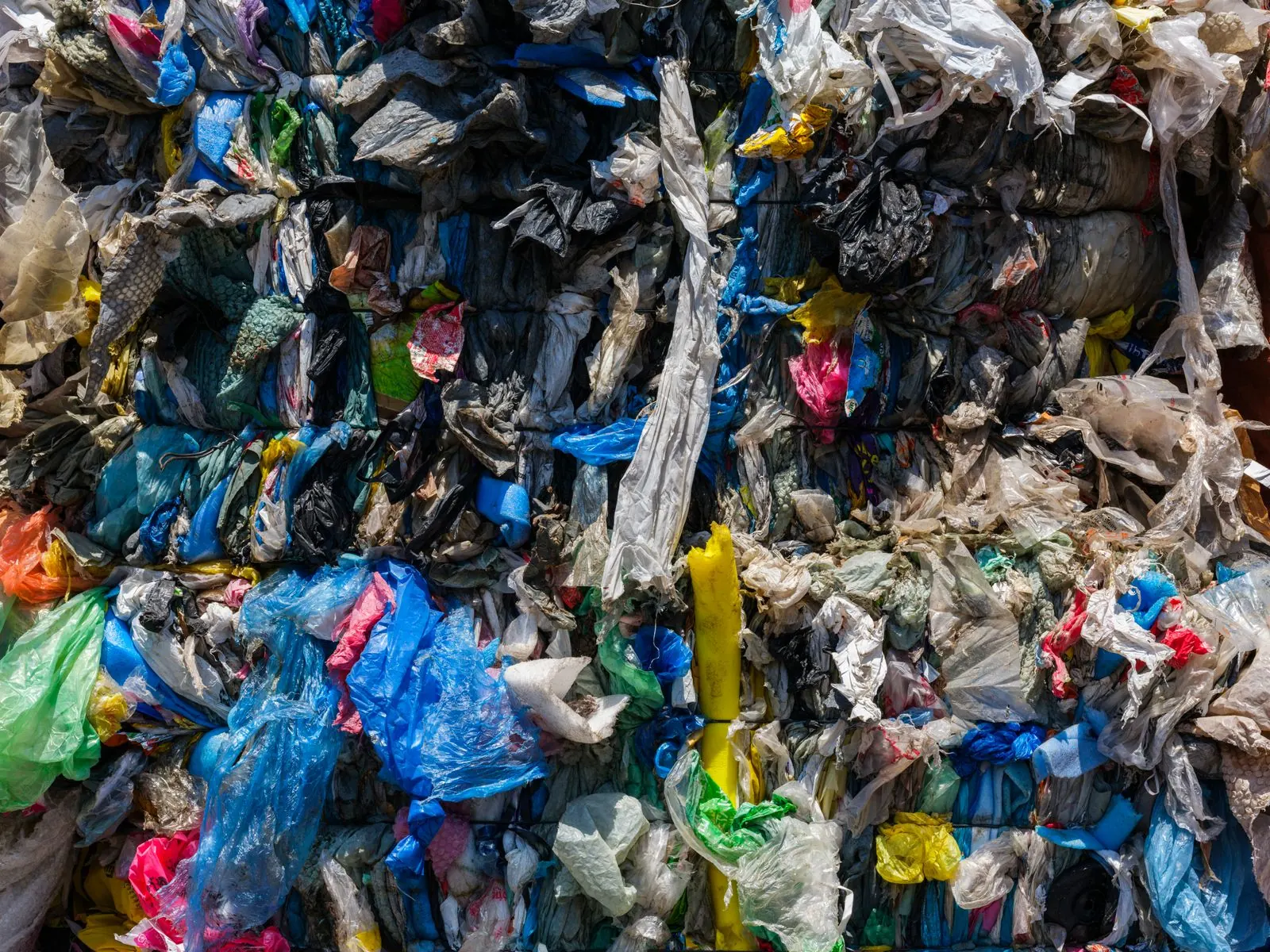
Collected paper and plastic become marketable when they can be sorted into usable streams and sold to processors or manufacturers. If manufacturers will not use the output, adding collection bins alone cannot make a complete system. Demand helps give the recovered resource an economic purpose.
A brand’s packaging specification is therefore part of the recycling system. An order for a suitable recovered-fiber grade tells a mill that this input has a customer. A stable, quality-controlled demand can support the processing and manufacturing capacity needed to use more recovered material. It does not guarantee that every item put in a bin will be recovered, but it addresses the purchasing side of the loop.
- 1Collect used material
- 2Sort a usable stream
- 3Sell and reprocess it
- 4Manufacture a new item
- 5Purchase the recovered-content product
05 / 06
PCR and total recycled content are not the same percentage
Post-consumer material is a subset of recovered inputs. Pre-consumer recovered material can make up another part. A declaration should state the denominator, because ‘60% PCR’ could mean 60% of the whole component or 60% of its recovered portion. Those are different quantities.
For a multi-component pack, use separate figures where the constructions differ. A carton’s declaration does not automatically include tissue, adhesive, a label liner or a textile pouch. The more precise statement helps the reader understand both the amount and the boundary.
| Part of the illustrative carton | Mass | Share of carton weight |
|---|---|---|
| Post-consumer recovered fiber | 60 g | 60% |
| Other qualifying recovered fiber | 20 g | 20% |
| Virgin fiber | 20 g | 20% |
| Total recovered fiber | 80 g | 80% |
Worked example · a 100 g carton
Illustrative composition: 60 g PCR fiber + 20 g qualifying pre-consumer fiber + 20 g virgin fiber. Total recycled content is 80%; PCR is 60% by carton weight. PCR is included within the 80%, so the two figures must not be added together.
06 / 06
Recovered material still has to perform the packaging job
Paper fibers change through repeated processing, and recovered resin streams can vary in cleanliness, color and properties. The converter selects a grade and construction that can make a usable product from that input. More recovered content is not a reason to ignore compression, seam strength or product protection.
For a carton, compare how the board carries the product and folds. For a pouch, compare seams, abrasion and storage. An agreed physical sample helps make normal shade or texture variation understandable. The goal is to reuse material in a pack that works, then communicate its recovered content accurately.
Does 100% recycled mean the entire parcel is recycled?
Only if the evidence covers every component. A claim for the paper substrate may exclude tape, adhesive, ink or an inner liner. State the boundary.
Is recycled always recyclable?
No. Recycled content is an input property. Construction, collection, sorting and reprocessing determine the next recovery route.
Official and first-party resources · reviewed October 7, 2026
Put the learning into your next pack.
Share your product, material questions and destination with Stowliva.