Why Stowliva
Our Framework
Ten priorities for choosing packaging: keep useful material in circulation, protect the product, and evaluate the details that change the result.
Explore the guide ↓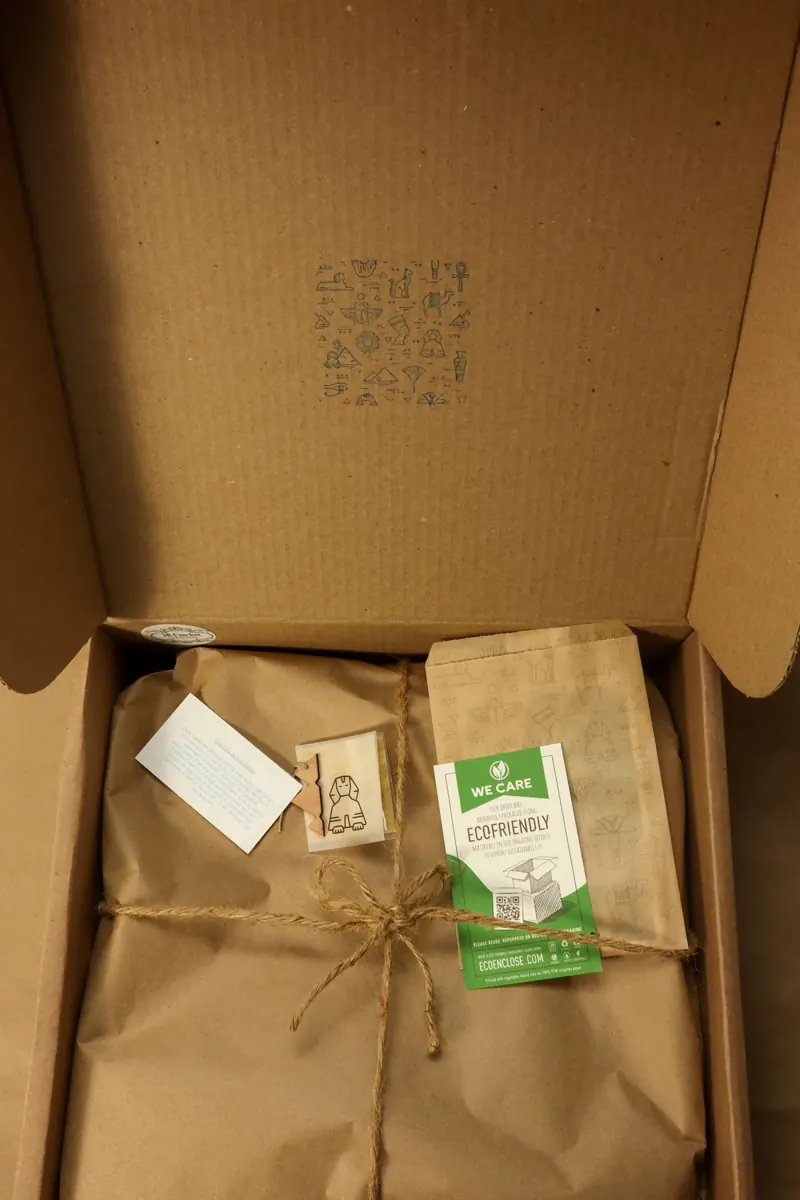
This framework explains how to choose between imperfect options. Each priority has a reason and a practical example; no single material label settles the decision.
- Recovered inputs and recovery design address both ends of the loop.
- Every extra component needs a useful job.
- Compare equivalent protection, not just empty packages.
On this page
1. Give recovered material a market2. Design for the system the customer can actually use3. Use new biological inputs for a clear reason4. Compare the same packaging job across the life cycle5. Make the claim traceable to the actual component6. Count the labels, coatings and other small pieces7. Remove material before replacing it8. Include the people and places behind production9. Design for efficient storage, packing and transport10. Treat a successful trial as a starting point for improvement01 / 10
1. Give recovered material a market
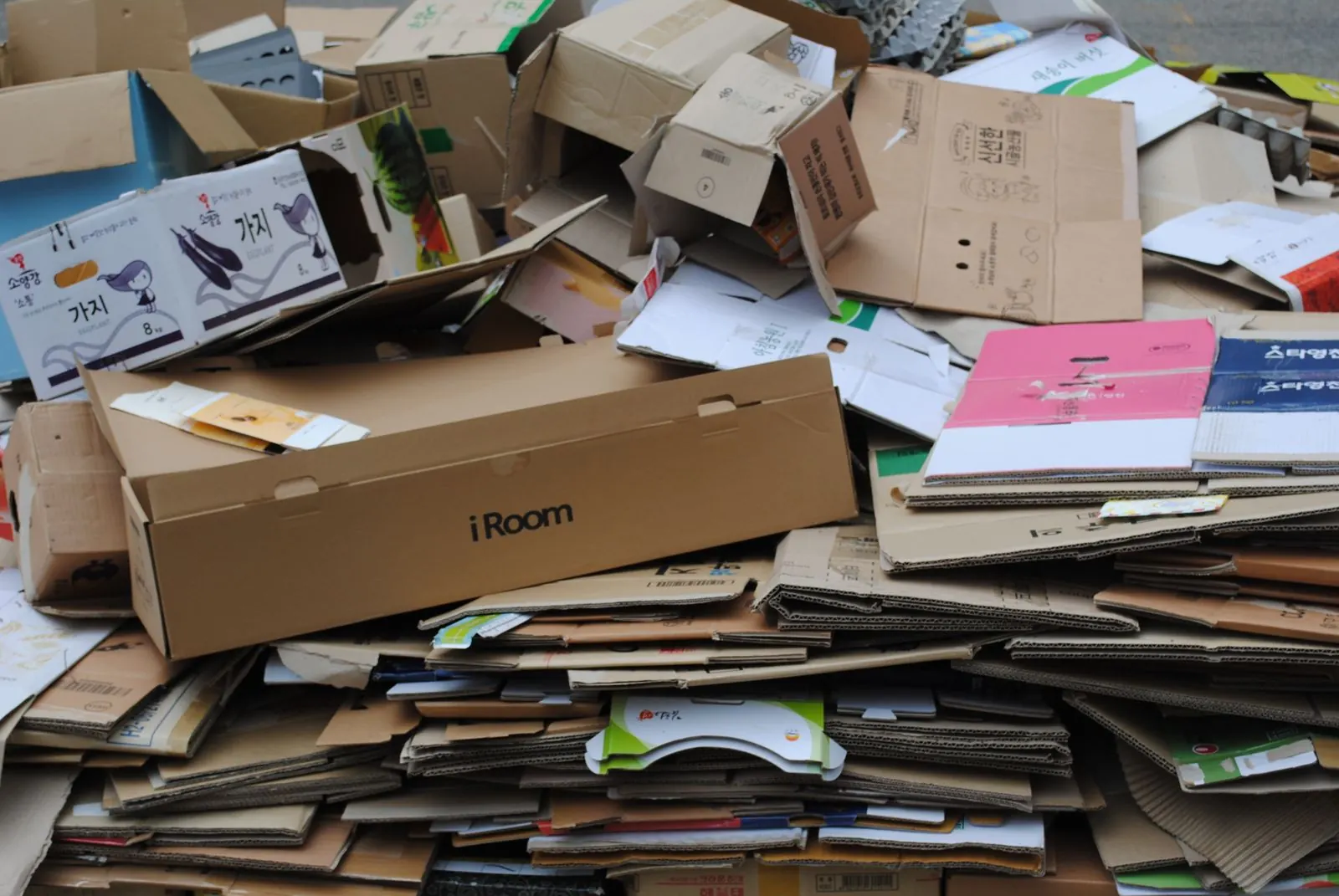
Recycling produces an input that someone must buy. Choosing an appropriate recovered-fiber grade or recycled resin helps create that demand. Post-consumer material is especially relevant because it has already completed a useful life and passed through a collection system. Clean manufacturing scrap also has value, but it follows a different recovery journey.
The priority is the highest verified recovered content that can perform the job, with the component and post-consumer share stated clearly. Changing a carton’s input and changing its future disposal route are separate improvements.
Read the percentages correctly
Illustrative 100 g carton: 80 g recovered fiber, of which 60 g is post-consumer, means 80% total recycled content and 60% PCR by carton weight. It does not mean 60% of 80 g unless the declaration explicitly uses that different denominator.
02 / 10
2. Design for the system the customer can actually use
A material can be technically recyclable and still miss recovery because it is not collected, cannot be sorted in its format, or has no practical reprocessing market. A paper carton and a flexible PE bag need different routes. A recycling arrow cannot create either route.
Prefer a construction compatible with the intended collection system, and describe any necessary separation. For example, an easily removed textile handle and a permanently glued plastic window create different sorting tasks.
A bag is not a bottle
A PE shipping bag should not inherit the curbside instruction printed on a rigid plastic bottle. Film commonly needs separate collection; use a verified film program where one is available.
03 / 10
3. Use new biological inputs for a clear reason
A renewable input can replace part of a fossil-derived input, but cultivation and processing still have impacts. The reason for choosing cotton, responsibly sourced fiber, crop residue or seaweed should be more specific than ‘it comes from nature.’
An agricultural residue may use an existing byproduct. A new dedicated crop creates a different land-use question. A seaweed ingredient introduces a marine sourcing question. The useful comparison includes the input’s origin, amount and performance in the finished construction.

04 / 10
4. Compare the same packaging job across the life cycle
A lighter package may use fewer grams but require extra protection. A reusable pouch may use more material once and less material across repeated trips. Comparing only one empty item can miss both effects.
Set the comparison around an equivalent job: for example, deliver 1,000 of the same product safely over the same route. Then include the packaging quantity, production, transport, damage and disposal assumptions. This prevents an attractive metric from hiding a worse result elsewhere.
05 / 10
5. Make the claim traceable to the actual component
A supplier may sell certified and uncertified products. A mill may have a valid certificate while a different converter or grade is outside its scope. A useful claim follows the specified material through the relevant chain to the item being ordered.
For a pack with a box, tissue and pouch, state which piece a document covers. Matching the order, specification and transaction record gives the statement a boundary a customer can understand.
A logo is not a material declaration
A certificate pictured in a company brochure does not establish that a particular 120 g carton contains 80% recycled fiber. The selected grade and order need matching evidence.
06 / 10
6. Count the labels, coatings and other small pieces
The box is easy to see. The release liner under a sticker, coating on a card, adhesive at a seam and ink on tissue are easier to overlook. They still consume material and can influence converting or recovery.
A small addition can change a simple structure into a bonded composite. That is why decorative films, windows and closures belong in the design conversation early. A necessary barrier should earn its place through function; a purely decorative one has a different justification.

07 / 10
7. Remove material before replacing it
Switching an unnecessary plastic layer to an unnecessary paper layer still leaves an unnecessary layer. Right-sizing and eliminating duplication can reduce the material required without introducing a new feedstock.
The boundary is protection. If a 20 g insert stops an expensive product from breaking, removing it without a successful transit test is not a sound reduction. Test where the load and movement occur, and retain material where it performs a necessary job.
A simple calculation makes reduction visible
Illustrative numbers: removing an 8 g decorative insert from 10,000 otherwise equivalent packs prevents 80 kg of packaging use. That is a mass reduction, before any separate assessment of emissions.
08 / 10
8. Include the people and places behind production
Environmental performance is not the only sourcing issue. The material has been grown, processed, cut, printed and packed by people. Relevant labor and chemical-handling requirements should be considered alongside fiber or resin attributes.
A recycled-content certificate does not answer every question about working conditions. Likewise, a factory audit does not establish a recycled percentage. These forms of evidence should complement one another rather than stand in for one another.
09 / 10
9. Design for efficient storage, packing and transport
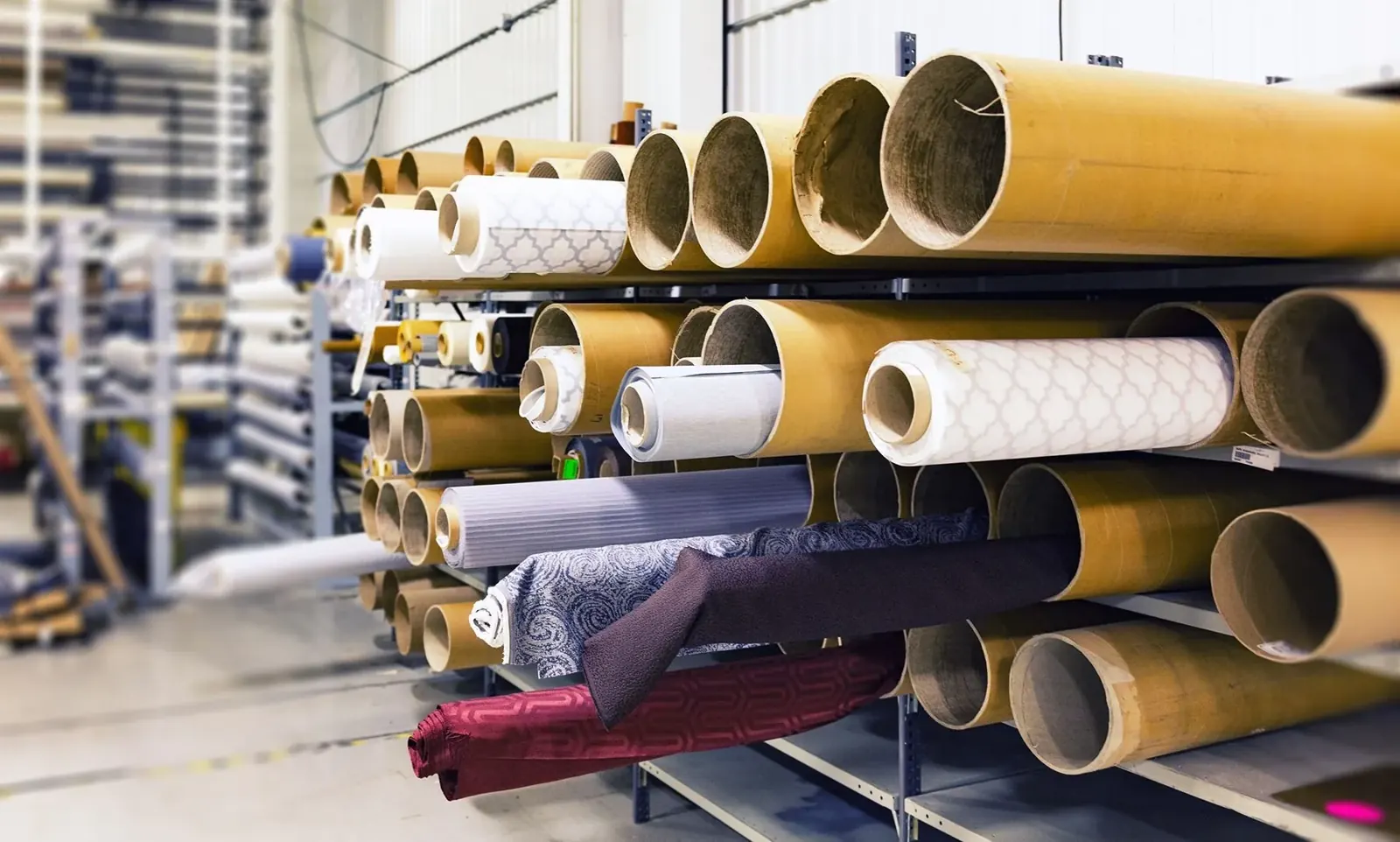
A collapsible box and an assembled rigid box with the same external dimensions occupy different storage volumes. A pouch that arrives flat and one that needs a protective outer case also have different logistics. The relevant footprint includes how the pack reaches the brand as well as how the order reaches the customer.
For a project supplied from China, examine pack-flat construction, consolidated shipments, inventory levels and the actual destination. Geographic distance alone does not calculate emissions; quantity, transport mode and material production matter too.
Compare shipping volume as well as unit weight
Ten thousand flat sleeves and ten thousand assembled presentation boxes cannot be treated as equivalent freight simply because both orders contain ten thousand items. Use the packed shipment dimensions.
10 / 10
10. Treat a successful trial as a starting point for improvement
An improvement becomes repeatable when it is translated into a specification: material grade, dimensions, components, print, performance and approved claims. A later change to a coating or closure can undo a recovery benefit, even when the product name stays the same.
Retain the baseline and review what actually happened: damage, packing time, material use and returns. Those results show where the next development effort belongs. Continuous improvement is a sequence of explained changes, rather than a collection of new green labels.
- 1Describe the current pack
- 2Choose the improvement
- 3Trial the finished construction
- 4Compare the same job
- 5Keep the approved specification
Official and first-party resources · reviewed October 7, 2026
Put the learning into your next pack.
Share your product, material questions and destination with Stowliva.