Retail paper bag sourcing guide
Custom Paper Bags: Will They Hold the Weight? 9 Buying Checks
Specify size, paper, handles, print and claims as one tested system—before you approve the production run.
Short answer: Good custom paper bags begin with the product, not the artwork. Specify usable internal size, product weight, paper grade, handle construction, print system and acceptance tolerances as one package. Then test a finished sample with the real load. A beautiful bag that tears, scuffs or hides the logo is still the wrong bag.
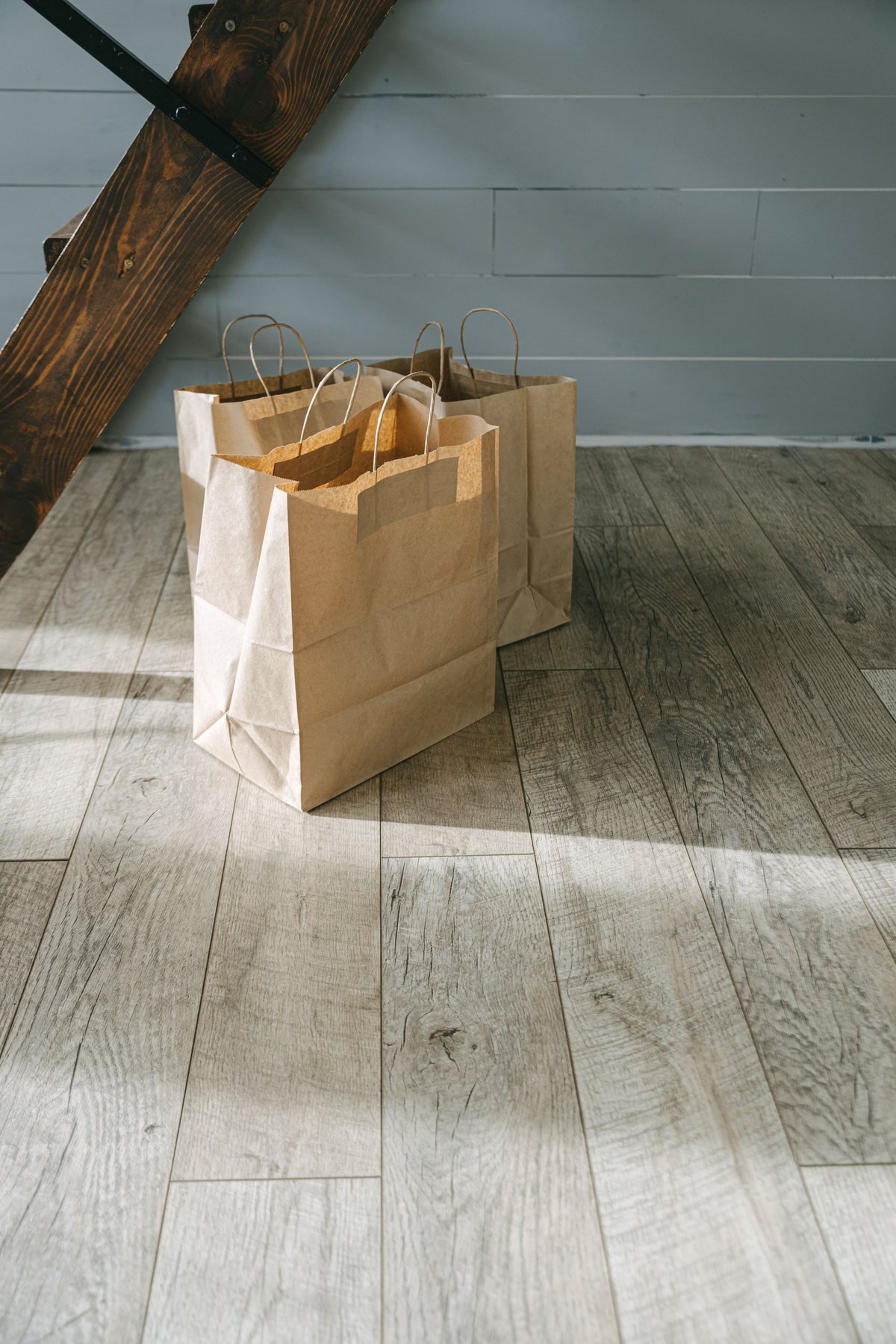
SEMrush data for the United States shows commercial demand around custom paper bags, plus related searches for custom printed paper bags, personalized paper bags and bags with a logo. That search intent is useful: buyers are not only looking for inspiration. They want a reliable way to turn a brand design into a bag that carries the product safely and consistently.
This guide is for retail, event and ecommerce brands preparing a quote or sample request. It does not treat “paper” as an automatic environmental guarantee. The FTC’s Green Guides summary warns against broad, unqualified environmental claims, while the US EPA’s recycling guidance emphasizes that acceptance varies by local program. Make claims about the finished bag only when the material, inks, coatings, handles and destination system support them.
What should a custom paper bag specification include?
A useful brief states the internal dimensions in a fixed order, the product and loaded weight, the paper type and grammage, handle material and attachment, print colors and coverage, surface finish, quantity per artwork, packing method, delivery destination and required evidence. Add a physical reference if color or feel matters. If you are comparing suppliers, give each one the same brief.
| Decision | What to specify | Why it changes the result |
|---|---|---|
| Size | Width × gusset × height, internal or external | Controls usable capacity, fold lines and logo area |
| Paper | Grade, color, grammage and any recycled/FSC claim | Affects strength, feel, print color and evidence |
| Handle | Twisted paper, flat paper, ribbon or cord; length and attachment | Changes comfort, load performance and recovery route |
| Spot or process colors, coverage, sides and ink limits | Changes color control, rub risk, cost and lead time | |
| Finish | None, varnish, lamination, foil or embossing | Changes appearance, durability and end-of-life guidance |
| Approval | Digital proof, material swatch and finished sample | Defines what “approved” means before bulk production |
For a starting construction, compare Stowliva’s custom printed twisted-handle paper bags, premium shopping bags and custom compostable paper shopping bags. These are product routes, not substitutes for a project-specific specification.
1. Choosing size from a flat product measurement
The most common sizing error is measuring only the product’s front face. Bags are three-dimensional. A folded garment, boxed candle or food container needs width, depth and height, plus access for packing and closure. The top turnover and handle patch also consume space that may not appear in a simple sketch.
Build a physical “packout” with the real item. Check insertion, removal, top clearance, stability and how the bag sits when carried. If the range contains several SKUs, decide whether one bag size can cover them without making the smallest item look lost. A modest set of shared sizes is often easier to reorder than a separate bag for every SKU.
2. Specifying paper by color or thickness alone

“Brown kraft” is a visual description, not a complete material specification. Ask for the paper grade, supplier reference, grammage and any strength or recycled-content data relevant to the job. The current ISO 536 standard defines a method for determining paper and board grammage. Grammage is useful, but it is not the same as bag strength: fiber, formation, moisture, fold direction, adhesive and conversion quality also matter.
Natural and recycled-looking papers can vary in shade and fiber inclusions. White papers can make some ink colors appear brighter. Coated sheets can deliver a different finish but may change scuff behavior and recovery guidance. Review a current material swatch under the lighting in which customers will see the bag.
3. Treating every handle as interchangeable
Twisted paper handles, flat paper handles, ribbon and cord each change appearance, comfort, packing density and attachment design. The handle patch and adhesive matter as much as the visible handle. A long decorative ribbon may suit a light premium item but be awkward for a compact heavy product.
State the target loaded weight and test repeated lifts, not one gentle hold. Look for elongation, patch lift, tearing near the turnover and discomfort at the hand. If the bag is intended for reuse, define what level of repeat handling you expect rather than making a vague durability promise.
4. Sending artwork before choosing the print method
A one-color logo, a full-bleed illustration and a metallic mark may need different processes. Choose the production route before finalizing fine lines, reversed type and gradients. Adobe’s guide to raster and vector files explains why scalable vector artwork is usually the more adaptable starting point for logos. Supply fonts as outlines where appropriate, linked imagery at the requested resolution, and an approved color reference.
Also mark the bag’s creases, gussets, handle area and glue zones on the dieline. A logo that looks centered on a flat screen may shift visually once the gusset opens or the bag is carried. Keep essential type away from folds and confirm the supplier’s minimum line and knockout rules.
5. Expecting screen color to match printed paper
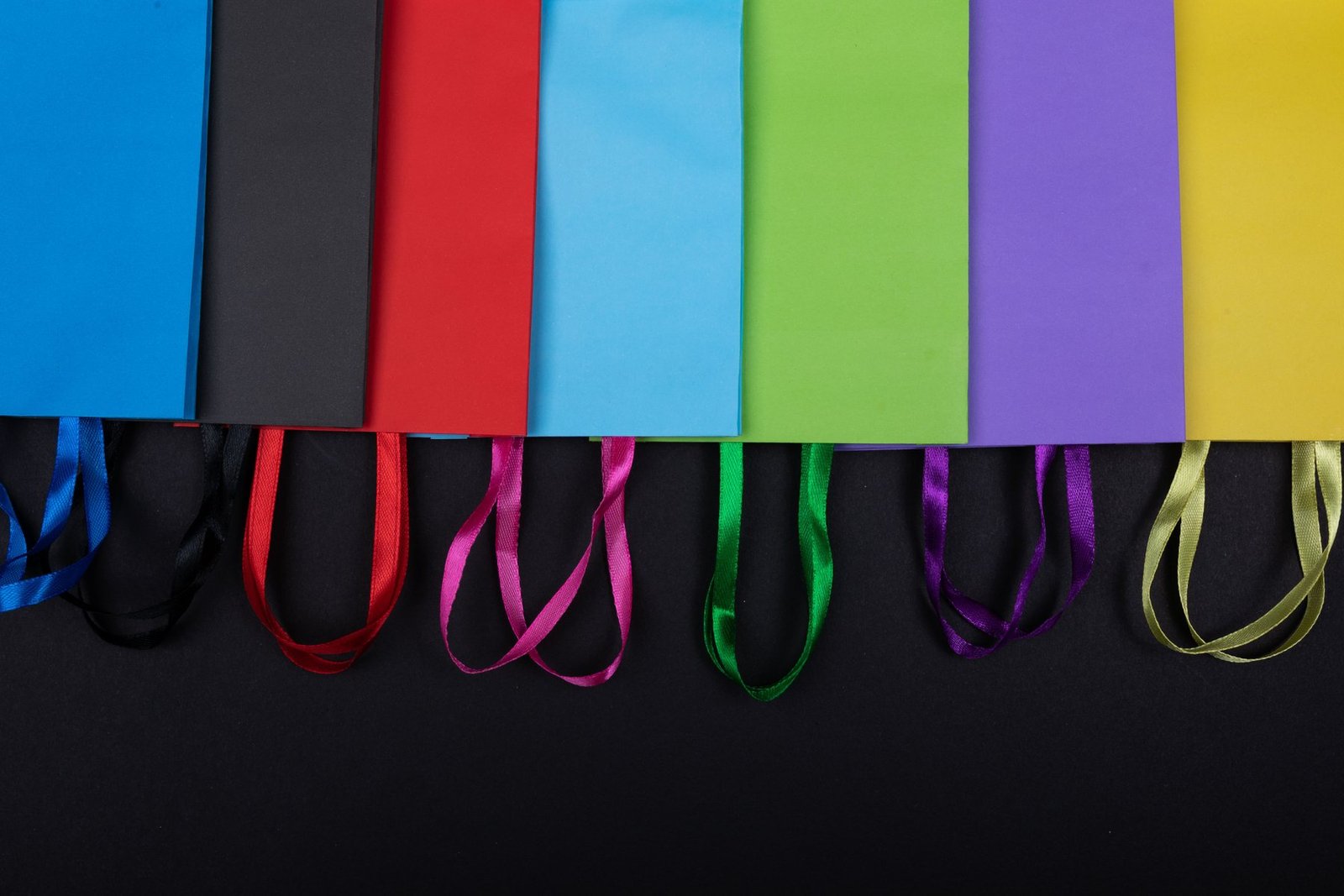
Monitors emit light; paper reflects it. Ink also interacts with the base color and surface. Pantone explains that color appearance can change by material and that the graphics Pantone Matching System is intended for print and packaging. Use the appropriate physical guide and read the Pantone color-system guidance before naming a target.
A Pantone number is still a target, not a guarantee of identical appearance on every substrate. Define whether the reference is coated or uncoated, approve a press sample or drawdown when the color is critical, and record acceptable tolerance. Photographing a proof is convenient for discussion but should not replace approval of the physical sample.
6. Adding coverage and finishes without a rub plan
Dense ink, dark solids, varnish, foil and lamination can create a striking bag. They can also add drying time, scuff risk, registration requirements and cost. Adjacent bags may rub in packing and transport. Ask how finished bags will be interleaved and packed, then inspect samples after realistic handling.
Do not assume a decorative finish is compatible with a recycling or compostability statement. The relevant claim is about the complete finished bag, not the paper before inks, adhesive, handle and finish were added. Stowliva’s certifications and claims guide explains the difference between an option, a documented input and a supported finished-product claim.
7. Approving an empty bag instead of a loaded packout
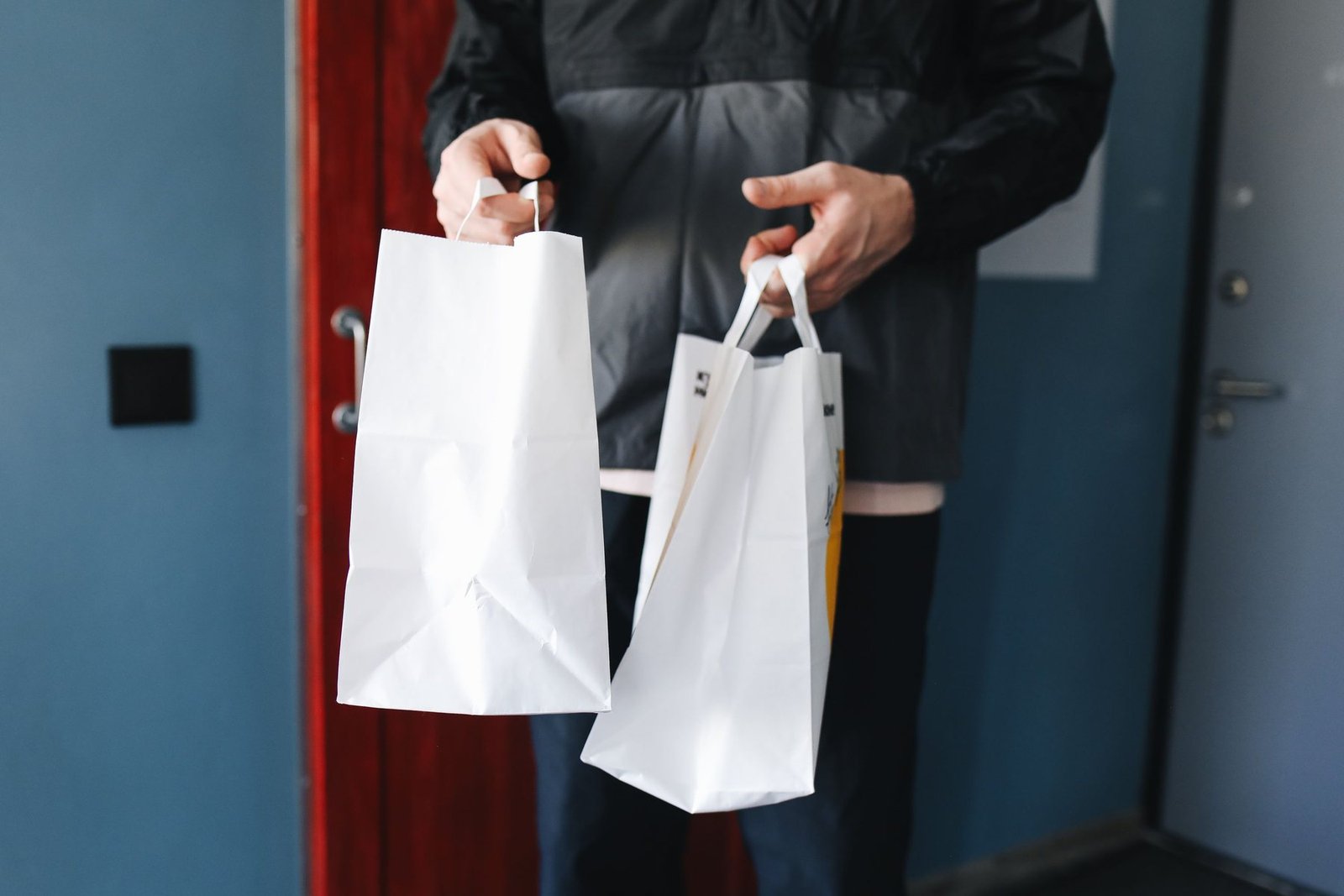
An empty sample answers only part of the question. Load it with the heaviest intended SKU and carry it by the handles. Check bottom formation, side seams, turnover, handle patches, paper tearing and how the print looks when the gusset opens. Repeat the trial after the bag has spent time in a humid or dry environment if those conditions are plausible.
A retailer may also test short drops, abrasion and stacking appropriate to its distribution route. Formal package testing should match the product and hazards. The International Safe Transit Association distinguishes screening, partial simulation and general simulation procedures; select a method for the outcome you need instead of citing a test number casually.
8. Quoting a unit price without a complete cost picture
Two custom personalized paper bag quotes are not comparable if one excludes plates, dies, proofs, packing, freight, duties or inspection. Ask for the same cost structure from every supplier. Confirm quantity per design, overrun/underrun allowance, pieces per carton, carton dimensions and gross weight. Those details affect landed cost and storage.
Very large bags, long ribbon handles and rigid finishes can reduce packing efficiency. A small redesign may save more in freight and storage than a minor change in unit price. If you plan several packaging items, review Stowliva’s multi-SKU sourcing process and decide whether compatible products can be coordinated or consolidated.
9. Printing an environmental claim before checking the evidence
Words such as “green,” “sustainable” and “eco-friendly” are too broad without qualification. If you want to reference forest sourcing, the Forest Stewardship Council’s paper and packaging information explains the role of chain-of-custody certification and trademark controls. If you want to state recycled content, request the basis and percentage. If you want disposal guidance, confirm the finished construction and the target market’s collection system.
Make the wording specific, prominent and useful. “Please reuse this bag” is an instruction, not proof that every customer will reuse it. “Check locally” can be appropriate when acceptance varies, but it should not hide a material that is generally incompatible with the likely system. For a broader method, use Stowliva’s sustainability approach and material library when preparing the brief.
Custom paper bag buyer checklist
- Product dimensions, loaded weight and a representative sample
- Bag width × gusset × height, with internal/external basis stated
- Paper grade, shade, grammage and requested evidence
- Handle type, length, color, attachment and load expectation
- Print process, sides, coverage, colors and physical target
- Finish, coating, lamination, foil or embossing requirements
- Dieline, vector artwork, fonts, linked images and safe areas
- Finished sample, loaded test and written approval record
- Quantity by artwork, tolerance, packing and landed-cost items
- Claim wording, supporting documents and destination guidance
Frequently asked questions
How do I customize paper bags with my logo?
Start with a confirmed size and construction, then place vector artwork on the supplier’s dieline. Choose a print method suited to the number of colors and coverage, define a physical color target, and approve a finished sample before bulk production.
What paper weight should I choose?
There is no universal GSM. Product weight, bag dimensions, fiber and paper grade, handle attachment and expected use all influence the choice. Compare samples and test the complete loaded bag rather than selecting grammage alone.
Are kraft paper bags recyclable?
Some may be accepted in paper recycling, but coatings, lamination, foil, handles, contamination and local rules can change the answer. Ask for the finished specification and publish qualified disposal guidance for the markets you serve.
What is the best print file for a paper bag?
Editable vector artwork is usually best for logos and line graphics. Follow the printer’s requirements for color mode, fonts, linked images, bleed, safe areas, minimum lines and knockouts.
Should I order a sample?
Yes. A finished sample is the best point to confirm size, loading, paper feel, handle comfort, print position, color, scuffing and packing. Record the approved sample and specifications together.
Sources and next step
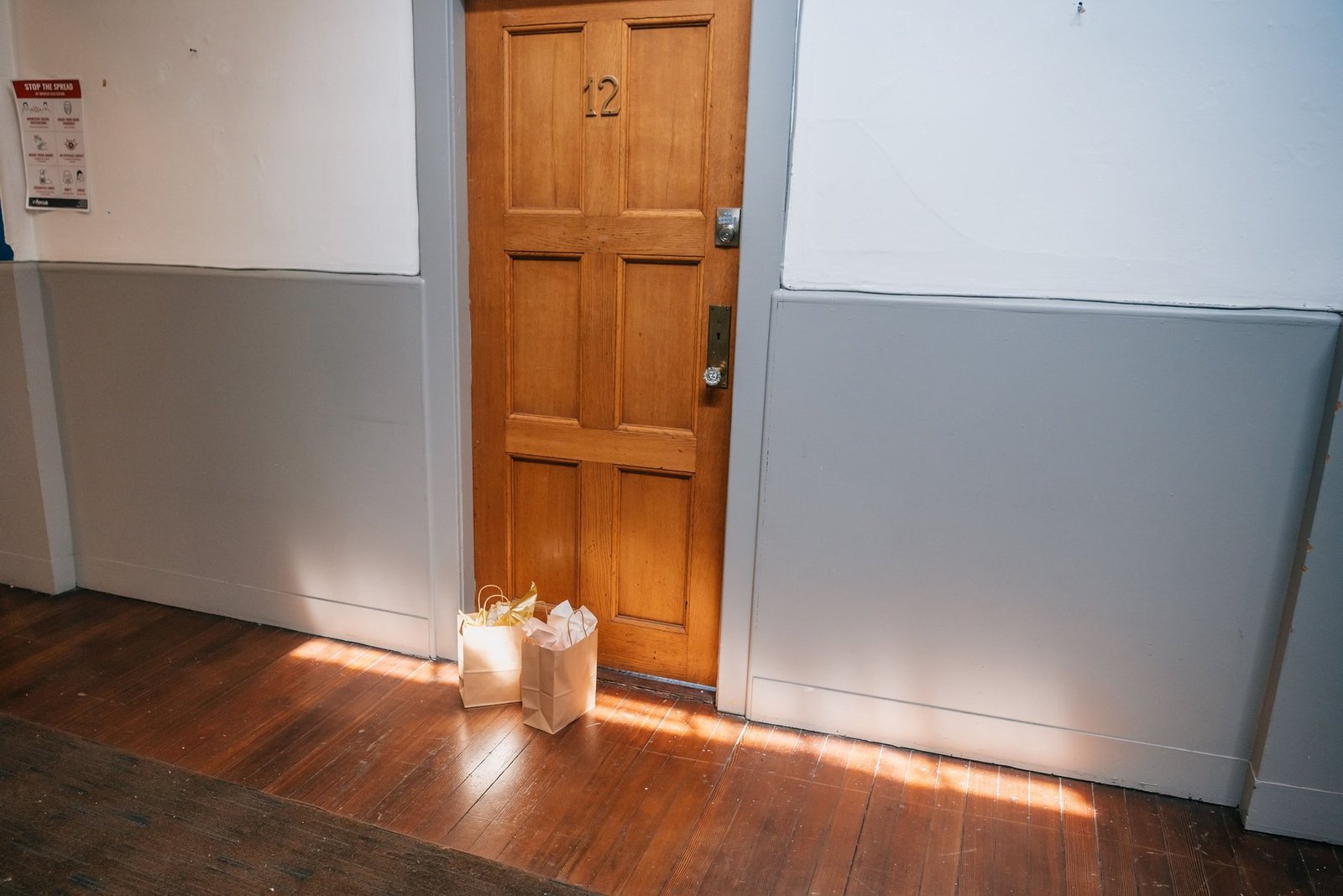
This article draws on the FTC, EPA, FSC, ISO, Pantone, Adobe and ISTA references linked above. The photographs are licensed Pexels reference photography; they illustrate real-world bag use and are not photographs of Stowliva production, materials or certifications.
Ready to turn the checklist into a quote? Browse shopping bag options or send Stowliva your product dimensions, artwork, quantity and destination. We can help organize the questions that need to be answered before sampling.
Editorial note: Five newly sourced, licensed real photographs illustrate this article. Product specifications, certification scope and claims must be confirmed for each order.