Why Stowliva
About Stowliva
Stowliva coordinates custom packaging, pouches, labels and trims for growing brands, connecting the material choice with artwork, sampling and production.
Explore the guide ↓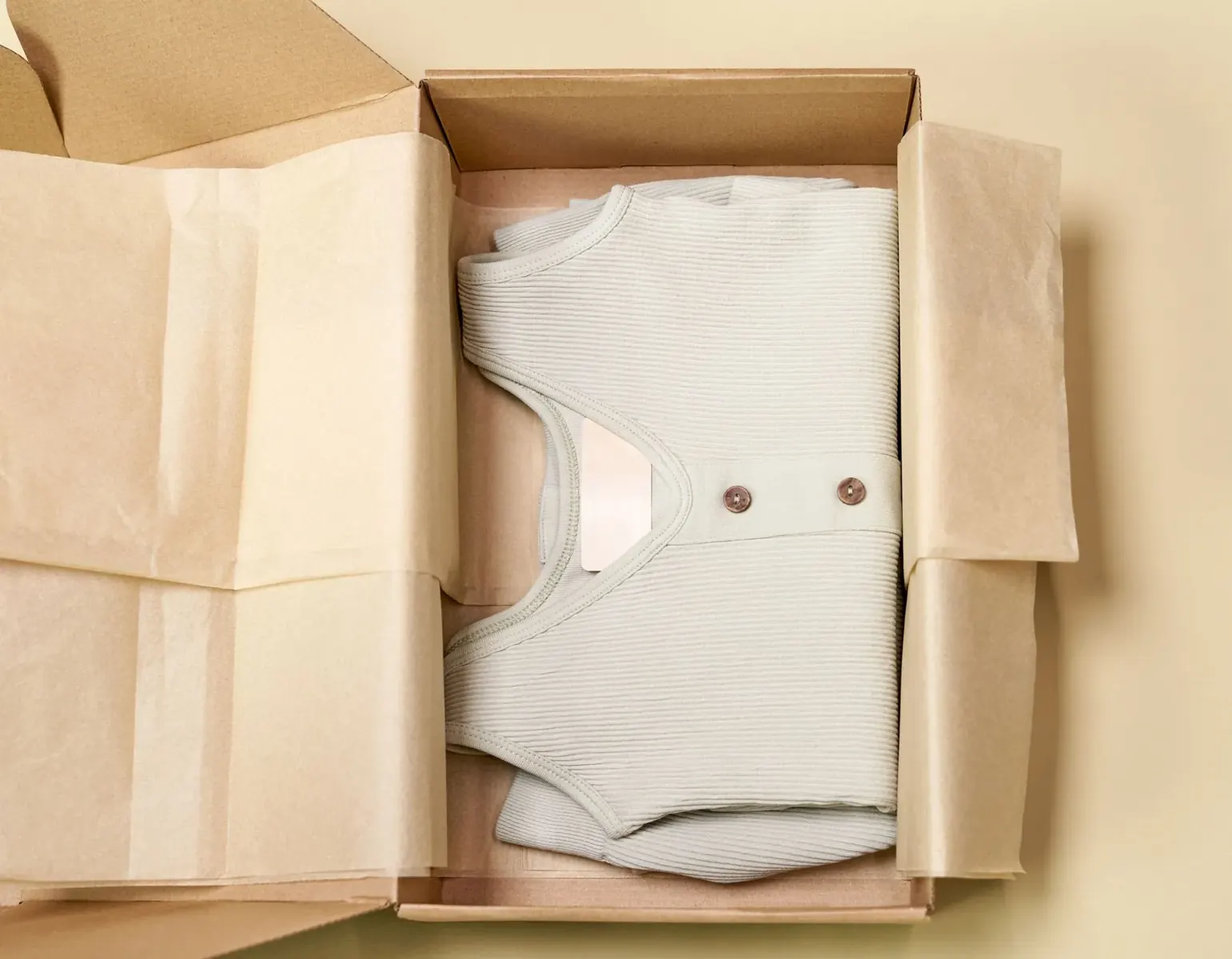
Our job is to turn a brand’s packaging idea into a clear, workable production specification—with the right explanation of the material and what each component does.
- Coordinate the components as one packaging system.
- Use samples to approve the actual material and print.
- Connect required claims to the chosen product’s evidence.
On this page
Packaging is a system of small decisionsMaterial names are the beginning of the conversationSpecialist manufacturing routes, coordinated from ChinaSamples make an idea tangible before productionSmall runs should still have clear specificationsA material claim should match what is supplied01 / 06
Packaging is a system of small decisions
A pouch protects and presents an item. A tag carries product information. Tissue separates surfaces. An outer carton handles delivery. Customers experience them together, even when different specialists make them.
Stowliva helps coordinate these parts through one project brief. That matters when a brand needs a matching color, a particular texture, several product sizes or a consistent set of labels and packaging. A coherent specification reduces the chance that an attractive component fails to fit or perform with the rest of the pack.
A jewelry brand’s brief
The item needs a correctly sized pouch, a readable care card and a delivery pack that protects the presentation. The pouch’s drawcord, the card’s print and the outer pack’s dimensions should be considered together.
02 / 06
Material names are the beginning of the conversation
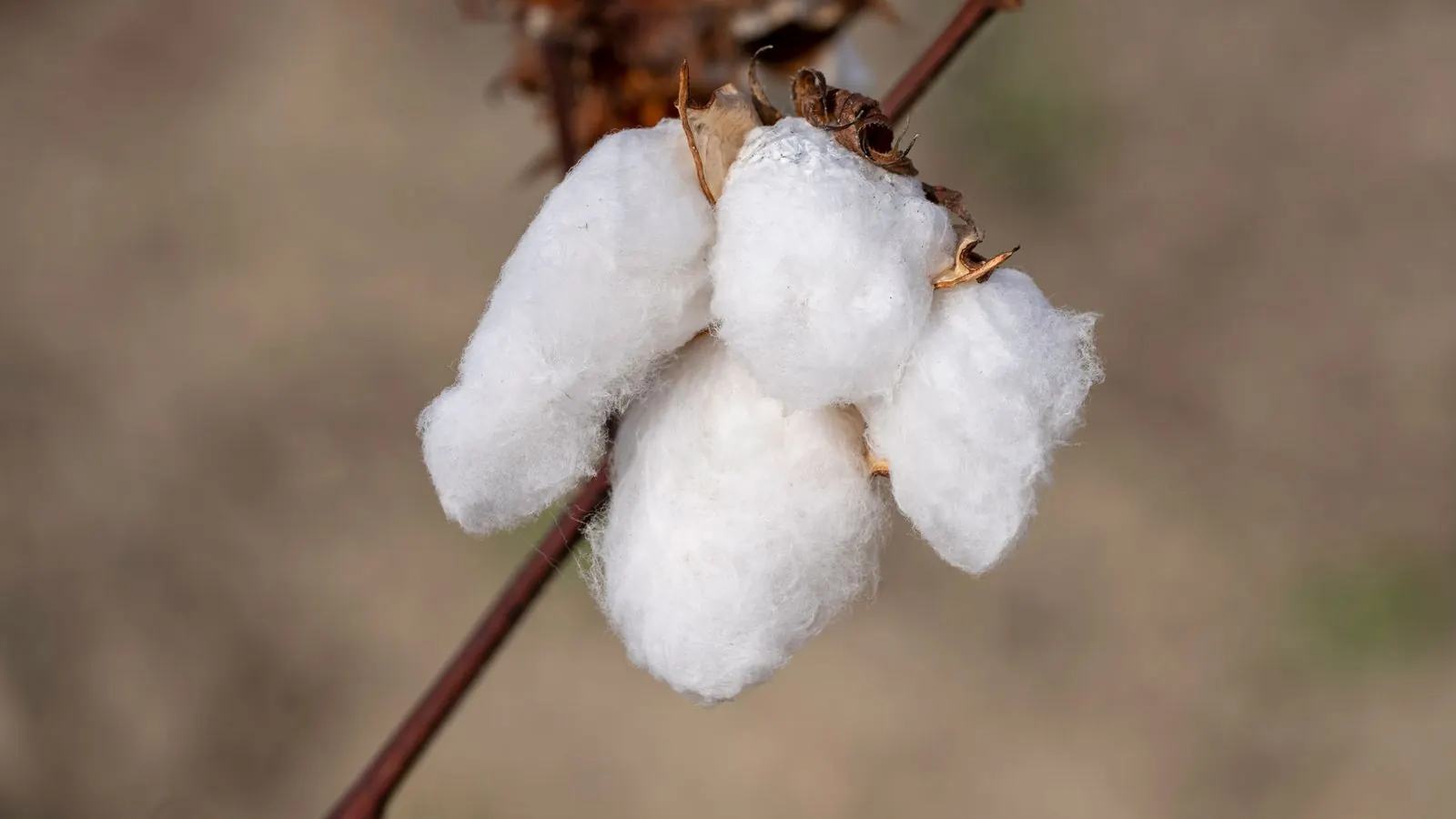
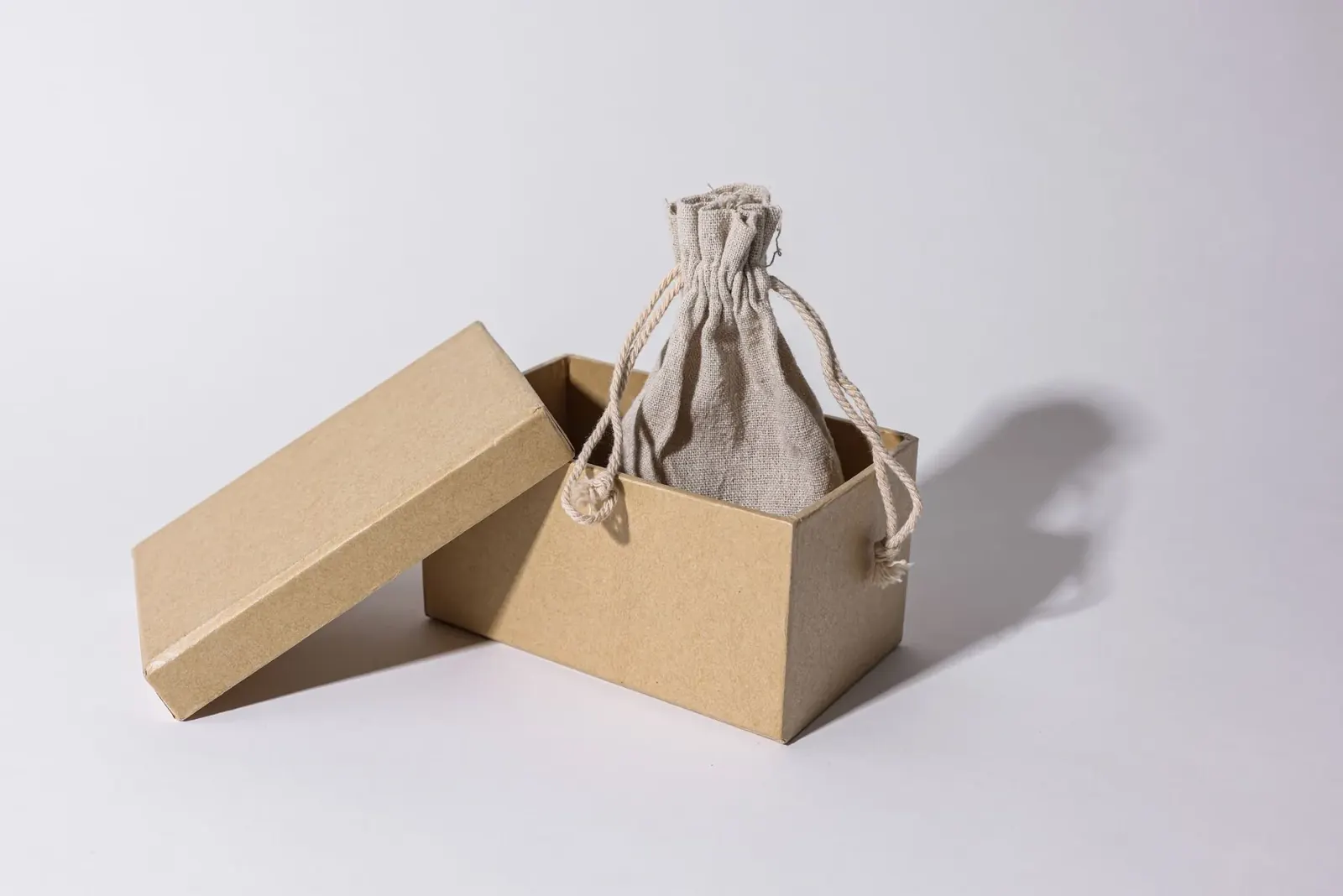
Our project discussions can include cotton, linen, cork, paper and board, washable kraft and recycled-polyester routes. Each describes a different construction and use. A cotton pouch can be useful for repeated storage; a paper card can carry information; a coated material may provide a function that an uncoated one cannot.
The right choice depends on the product, the intended experience, how long the component will be used and the destination after use. The Learn guides explain these distinctions in plain language, so a natural appearance does not stand in for a material specification.
03 / 06
Specialist manufacturing routes, coordinated from China
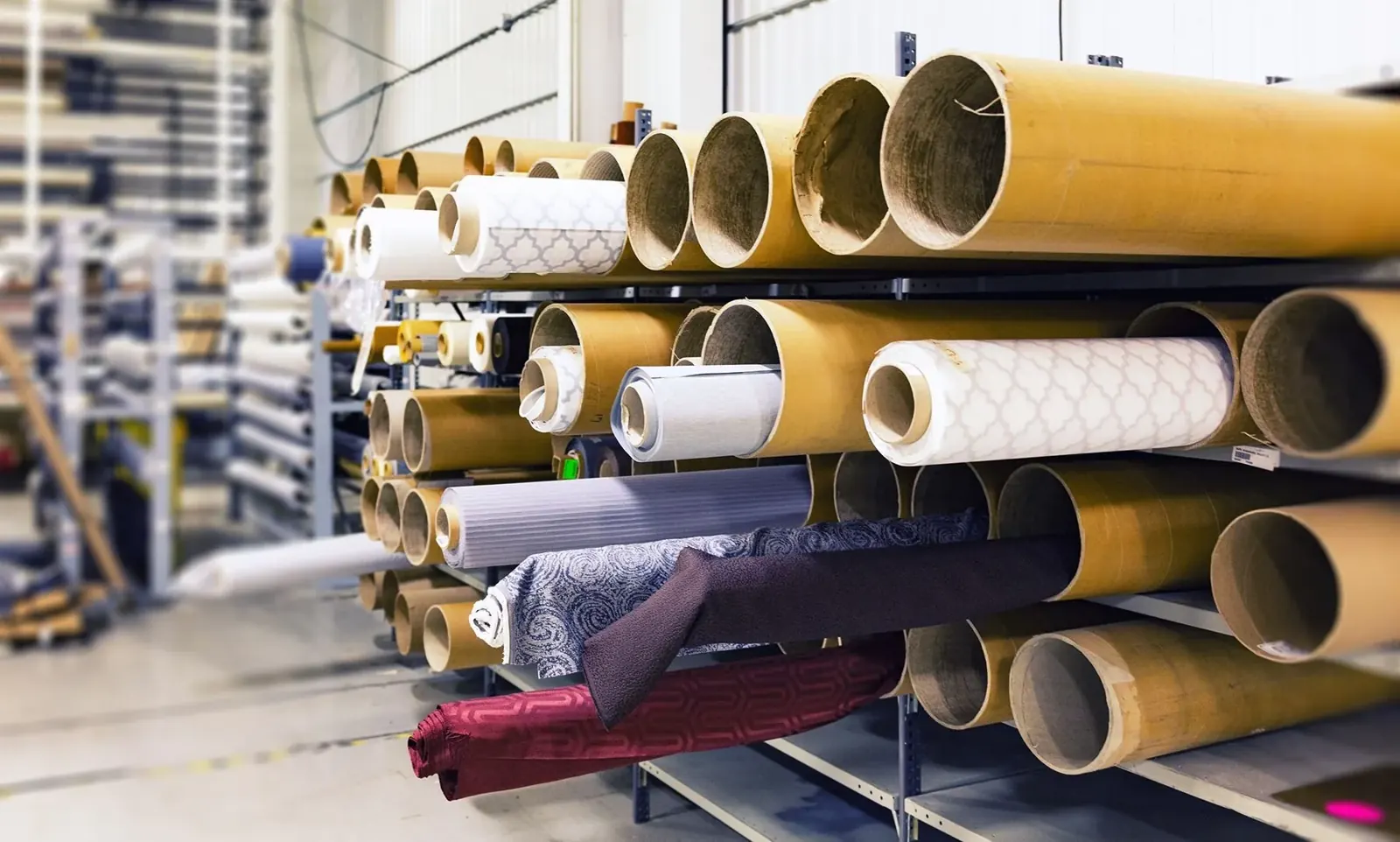
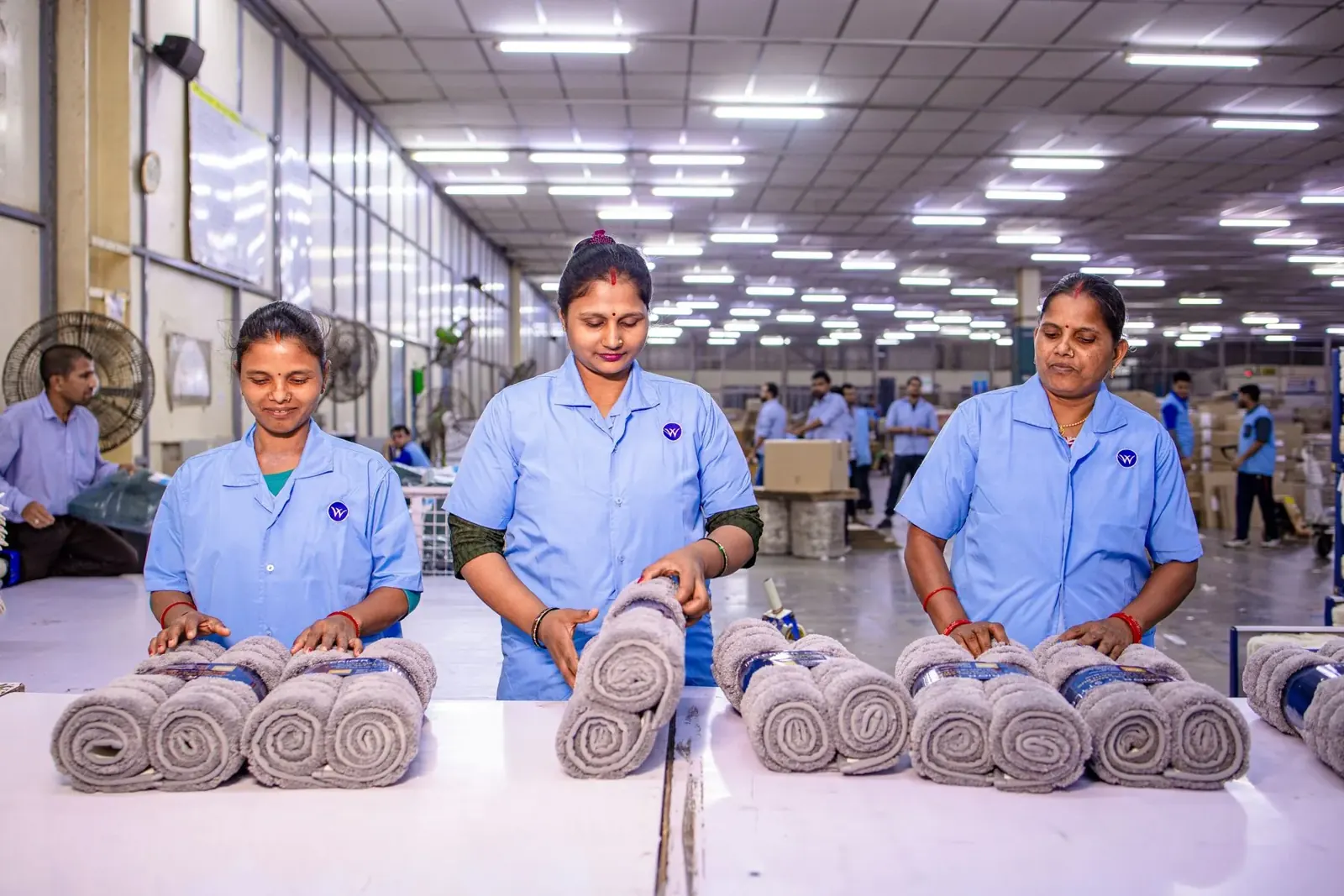
Printing, textile construction, labels and paper converting use different equipment and expertise. Stowliva coordinates specialist manufacturing routes in China rather than describing all those processes as one universal factory operation.
For a project, the material, decoration method and construction determine the route. A woven label and a printed cotton bag need different artwork and approval details. Keeping the information together helps the brand evaluate the finished combination before committing to a larger run.
04 / 06
Samples make an idea tangible before production
A digital drawing communicates layout. A physical sample shows size, feel, color on the selected surface, seams or folds, and how the product sits inside. These are complementary approvals. A screen cannot fully reproduce how ink looks on brown kraft or how a drawstring moves through a fabric channel.
A useful approval record identifies the sample and specification. When the material or artwork changes, the record should show the revision so production is not based on a different version from the one the brand expected.
What a physical sample can reveal
A logo may look crisp on a white screen but lose detail on a textured fabric. A sample can show whether the line weight needs changing before the production artwork is approved.
05 / 06
Small runs should still have clear specifications
Many custom product routes begin around 100 pieces, while actual minimums, setup requirements and pricing depend on the selected item and decoration method. Dimensions, quantity per design, colors and destination make the request specific enough to evaluate.
A brand does not need to arrive with every technical answer. Share the product, intended use, references and what is still undecided. The next useful step may be a material comparison or sample rather than a final production quote.
06 / 06
A material claim should match what is supplied
If a project requires a sourcing claim, a recovered percentage or a test result, identify that requirement early. The applicable evidence must cover the selected component and production route. A general sustainability statement is not a substitute for a document connected to the item.
Our learning library helps you understand what to ask and why the answer matters. Contact support@stowliva.com or use the project request form with your quantity, dimensions, artwork and destination to begin a specific packaging discussion.
Official and first-party resources · reviewed October 7, 2026
Put the learning into your next pack.
Share your product, material questions and destination with Stowliva.