Ceramic brand packaging guide
Mug Boxes: Gift Box or Shipping Box? Protect the Handle
A beautiful gift carton is one part of the order. Choose the fit, handle support and shipping protection together.
Mug boxes should fit the complete mug, including its handle, and match how the order reaches the customer. A folding gift carton can work for presentation; parcel shipping needs a protective system built around the mug, insert, cushioning and outer box. Approve a packed physical sample before committing to print.
What should independent brands look for in mug boxes?
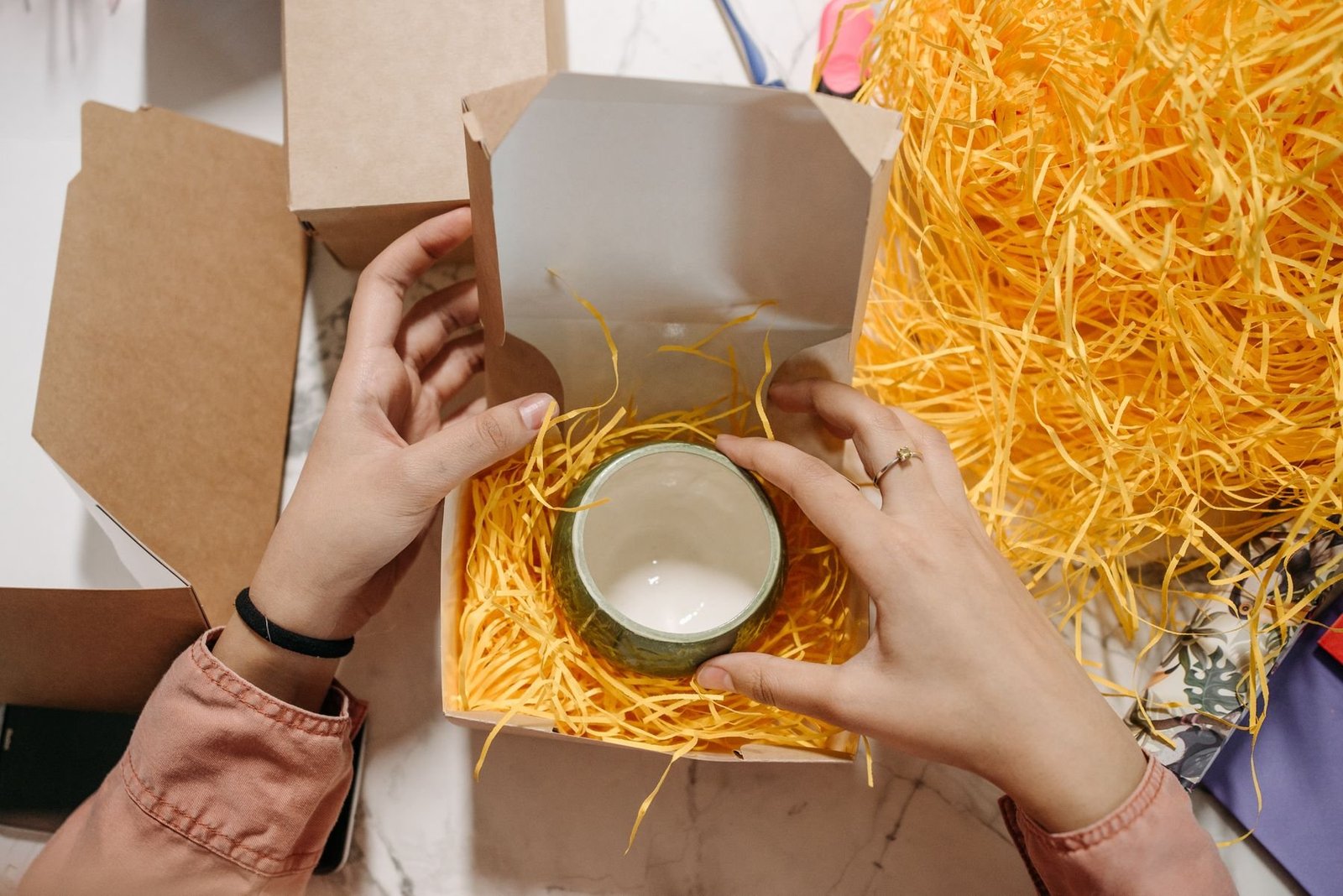
Independent brands should choose mug boxes by starting with the actual mug, not the box catalog. Measure the full item, including the handle, lip, foot ring, glaze variations, and any handmade irregularity; then decide whether the box is mainly for shelf presentation, gifting, parcel shipping, or all three. Retail packaging can make a mug feel premium, but it does not automatically make the mug safe for courier handling, conveyor systems, stacking, vibration, or drops.
The handle and rim deserve particular attention: a box can fit the body while leaving these features exposed to contact. FedEx’s breakables guide recommends individual wrapping, movement control and double boxing for fragile items. UPS’s packaging guidance also recommends a two-box approach for fragile goods. Apply your selected carrier’s current requirements and validate the complete parcel.
Gift presentation and shipping protection solve different problems
Mug gift boxes are designed to make the unboxing feel intentional. They may use printed folding board, a window, a ribbon closure, a sleeve, or a snug tray that frames the mug beautifully. That is ideal for boutiques, market stalls, subscription boxes, corporate gifts, and retail shelves where the buyer sees the product before it travels far.
Mug shipping boxes have a different job. They must help the mug resist compression, shock, movement, and repeated handling. A gift carton with attractive artwork may still collapse, allow the mug to rattle, or leave the handle too close to the wall of the box. For parcel orders, the retail box often becomes the inner presentation pack, while a stronger corrugated shipper and appropriate cushioning do the transit work.
For brands selling online, the safest mindset is simple: a beautiful box can be part of the protection system, but it should not be assumed to be the whole system. If the mug is handmade, heavy, oversized, or has a delicate handle, design the packaging around the weakest feature first.
Measuring the mug correctly prevents expensive surprises
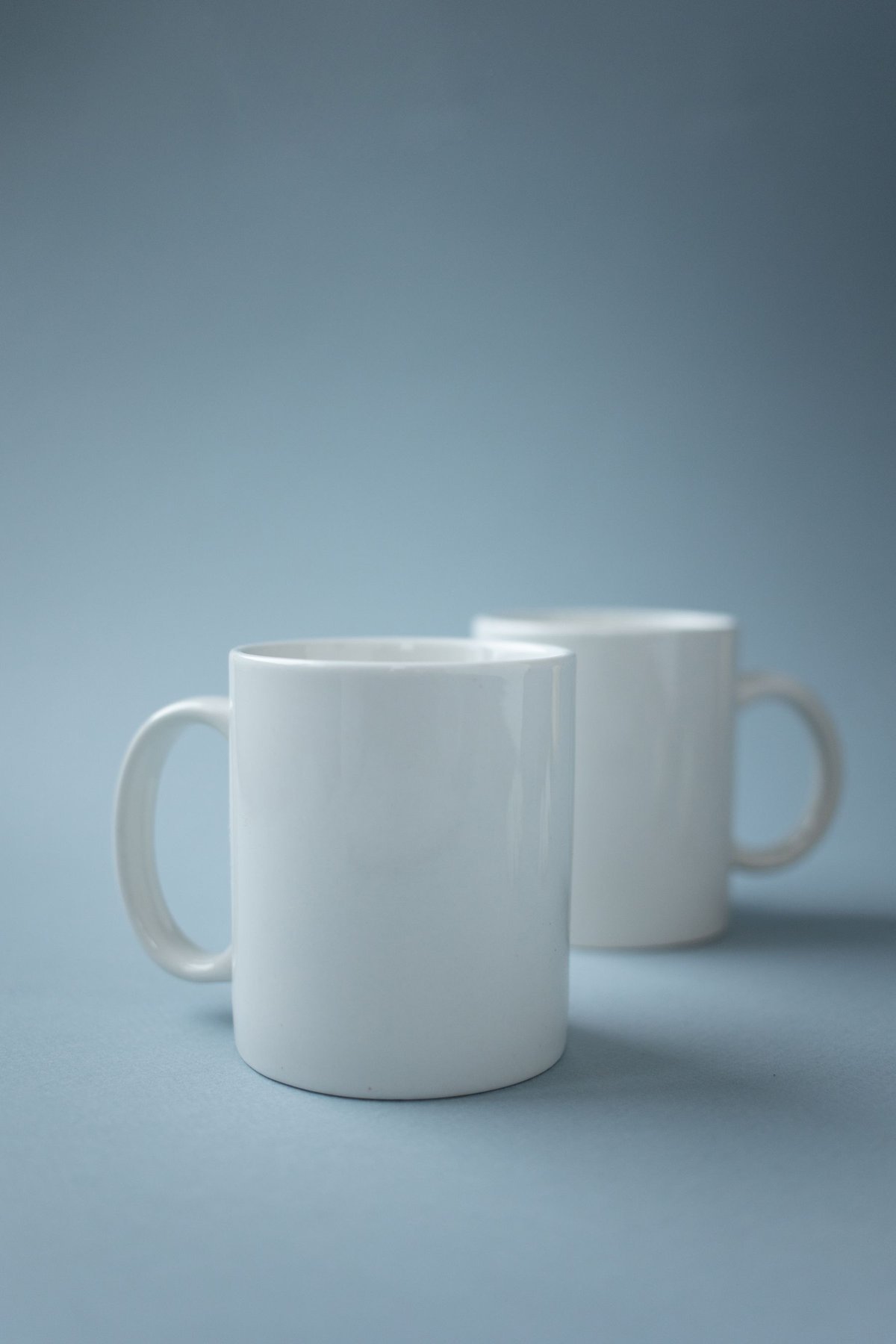
Before requesting quotes for custom mug boxes, record the finished measurement range for every mug style. Check multiple production samples, including unusually wide handles and tall rims. A sample that fits the largest mug can still leave the smallest mug loose, so the insert must work across the agreed tolerance range.
Measure these points:
- Overall width including the handle: place the mug upright and measure from the outer edge of the handle to the opposite side of the mug body.
- Body diameter without the handle: useful for insert cutouts and side supports.
- Total height: include the rim and any raised foot.
- Handle depth and opening: check how close the handle sits to the wall of the box.
- Weight of the packed mug: include tissue, insert, retail box, shipper, and cushioning.
- Surface sensitivity: note metallic decals, matte glazes, raised textures, or finishes that may mark easily.
Internal dimensions are the usable space inside the box. External dimensions are the outside measurements used for storage, pallet planning, shipping labels, and sometimes parcel pricing. A mug that appears to fit the external size may still be too large for the internal cavity once board thickness, folds, insert panels, and tolerances are included. Always confirm whether a supplier quote is based on internal or external dimensions before approving artwork or tooling.
Box styles for mugs compared
Different coffee mug boxes suit different selling models. The right structure depends on whether the box must display, protect, impress, or travel.
| Box style | Useful role | What to approve | Parcel consideration |
|---|---|---|---|
| Folding paperboard carton | Printed retail or gift presentation | Board, closure, internal size and insert | May need a separate corrugated shipper and cushioning |
| Corrugated box | Candidate inner pack or shipping structure | Board grade, flute, seams, insert and loaded performance | Fluted board alone does not establish that the mug is protected |
| Rigid presentation box | Premium gift reveal and reusable presentation | Lid fit, tray support, surface finish and assembly | Confirm the outer shipper; weight and bulk affect delivered cost |
These are structure options, not tested protection ratings. Ask the supplier to confirm the finished board and construction. For a branded inner pack, start with Stowliva custom mug boxes. If the pack needs a separate outer layer, evaluate custom mailer boxes with the fully loaded inner box.

Inserts protect the handle when they are tested, not just designed
The insert is where many mug boxes succeed or fail. A good insert limits movement, keeps the mug body centered, and reduces pressure on the handle. It may be made from folded paperboard, corrugated board, molded pulp, foam, or a combination of supports, depending on the brand’s budget, sustainability goals, and protection needs.
When reviewing custom inserts, ask how the handle is protected in real packing conditions. The insert should support the mug body without forcing the handle against a side wall. It should also be easy for packing staff to assemble consistently, because a clever insert that is often folded incorrectly can create hidden damage risk.
Test insert support before placing a production order. Pack several mugs exactly as orders will be packed, shake the closed box gently, check for movement, then open it and look for rub marks, pressure points, bent panels, or contact around the handle. If the mug can rotate, lift, or knock against the box wall, revise the insert before approving the run.
A quiet shake is a screening check, not proof of shipping performance. Check whether support stays in place when the parcel changes orientation. Ask a packaging engineer or test lab about compression, shock and vibration testing for the distribution route. Do not approve an insert that transfers force directly to the handle.
When comparing cushioning, request a trial using the specified honeycomb paper wrap construction rather than assuming any paper wrap replaces a tested cushioning system. Use custom tissue paper as a presentation or surface-separation layer; thin tissue alone does not provide impact protection.
Artwork, materials, and claims need practical checks
Once the structure is sound, branding can do its work. Artwork for custom mug boxes should allow for dielines, folds, glue areas, and bleed. Adobe’s print guidance explains that artwork intended to print to the edge should extend into a bleed area beyond the finished trim, which helps avoid unwanted white edges after cutting. (Adobe’s print bleed guide)
FSC’s label guide distinguishes FSC 100%, FSC Mix and FSC Recycled. Confirm the applicable claim, supplier documentation and label approval for the finished packaging before printing a mark. A material description is not permission to invent an FSC label.
FTC environmental claims guidance calls for evidence and appropriate qualification of environmental marketing. Describe the supported attribute and disposal route for the finished box, including coating and insert. Avoid treating a kraft appearance as evidence of recycled content or recyclability.
This does not mean independent brands should avoid better materials. It means the wording on the box should match what the packaging actually is, where customers can realistically dispose of it, and what documentation the supplier can provide.

Sample approval is where risk becomes visible
A digital proof cannot tell you whether a mug handle has enough clearance. Before ordering production quantities, request a physical sample or prototype of the actual structure. If print is important, review both a plain structural sample and a printed proof where possible.
Use this approval process:
- Confirm dimensions: check internal cavity, external size, board thickness, insert fit, and closure alignment.
- Pack real mugs: use production mugs, not substitutes with easier shapes.
- Check assembly time: make sure staff can fold, load, close, and label the box quickly and correctly.
- Inspect handle clearance: confirm the handle does not touch the wall, insert edge, or lid under normal pressure.
- Review print details: examine color, text size, barcode placement, bleed, varnish, and scuff risk.
- Trial the full parcel: test the gift box inside the shipping carton with the intended cushioning.
ISTA publishes test procedures that evaluate the product-and-package combination against transport hazards; its materials describe procedures for different distribution situations rather than one generic pass/fail rule for every package. (ISTA’s test procedure overview) For a growing brand, formal lab testing may be reserved for higher-volume or higher-risk programs, but the principle still applies: test the complete packed order, not just the box by itself.
Cost per delivered order matters more than box price
The cheapest unit price can become expensive if it increases breakage, packing time, returns, replacement shipments, storage space, or customer support. Cost per delivered order gives a clearer picture because it includes the whole packaging system from shelf to doorstep.
Consider these cost drivers:
- Primary box cost: folding carton, corrugated, or rigid structure.
- Insert cost: material, assembly complexity, and waste.
- Outer shipper: especially when mug gift boxes are used as inner presentation packaging.
- Cushioning and void fill: paper, molded pulp, air pillows, tissue, or other materials appropriate to the carrier and item.
- Labor: time to assemble inserts, wrap mugs, close boxes, and apply labels.
- Damage replacement: product loss, reshipping, refunds, and customer dissatisfaction.
- Storage and freight: flat-packed cartons usually store differently from rigid boxes.
- Brand value: a stronger unboxing may support gifting, reviews, and repeat purchases.
A more precise quote compares the complete packed order. Ask suppliers to separate structural tooling, print setup, unit packaging, inserts, packing labor and freight. Request the same quantities and specification from each supplier so the prices describe comparable work.
FedEx’s dimensional-weight explanation shows why a light parcel can be billed according to its occupied space. Measure the closed outer package and check the current service, contract, rounding rules and divisor before comparing freight quotes.

Actionable checklist before you buy mug boxes
Use this checklist before approving any new packaging order:
- Measure the actual mug, including the handle, height, body diameter, and weight.
- Confirm whether quoted dimensions are internal or external.
- Decide if the box is for gifting, retail display, parcel shipping, or a combined system.
- Choose the structure: folding carton, corrugated, rigid, or a layered combination.
- Test insert support around the mug body and handle.
- Pack and open samples to check for movement, rub marks, and pressure points.
- Follow the specific packaging guidance of the carrier you use; do not assume one carrier’s cushioning advice guarantees performance in another system.
- Review artwork with bleed, folds, glue areas, and barcode placement in mind.
- Verify any FSC label or environmental claim before printing.
- Compare total delivered cost, not only the box unit price.
A mug-box brief you can send to a supplier
“Please quote packaging for our [mug style] sold through [retail / gifting / parcel shipping]. Attached are the finished mug measurement range, handle profile, unit weight and photos. Please state internal and external dimensions, board specification, insert construction, assembly method and proposed outer protection. Quote [quantity] per design and identify tooling, proofing, freight and storage assumptions separately.”
Add the delivery market, carrier route, print files, color requirements and the sample approval criteria. This turns “a nice box for a mug” into a reviewable specification. If you need help coordinating the box and insert, send Stowliva a packaging brief. Availability, construction and terms should be confirmed for the selected order.
Mug Boxes: frequently asked questions
Can I ship a mug in a gift box?
A gift box can be an inner presentation layer, but it should not be assumed to provide parcel protection. Approve the actual mug, insert, cushioning and outer carton as a complete packed system for the intended route.
What size box do I need for an 11 oz or 15 oz mug?
Capacity does not determine the external mug shape. Measure the finished height, body diameter, full width including the handle, weight and manufacturing variation, then approve a structural sample with the proposed insert.
How much clearance should I leave around a mug handle?
There is no universal safe gap. The handle needs protection from hard contact and transmitted loads within the selected package. Validate the insert, cushioning and full parcel with the actual mug and carrier route.
Are rigid mug boxes safe for shipping?
A rigid presentation box can still need an outer shipper and cushioning. Its premium appearance does not establish transport performance. Confirm the selected construction with packed samples and appropriate testing.
About this guide: Prepared by Stowliva Editorial using the linked references, reviewed October 15, 2026. Reference photographs show independent applications. Confirm specifications for the selected order.