Tea packaging buyer guide
Tea Packaging: Pouch, Tin or Box? 7 Freshness Checks
Choose the pack that protects your tea, fits the filled product and makes each blend easy to identify.
Good tea packaging starts with two decisions: what protects the tea, and what presents it. A pouch, tin or sealed inner pack manages freshness; a printed carton or gift box organizes the product and communicates the brand. Choose those layers together, then validate the filled pack before setting a shelf-life claim or approving a large print order.
For independent tea brands, the expensive mistake is often a beautiful outer box with an unresolved inner pack. This guide compares loose-leaf, tea bag and gift-set formats, with seven practical checks you can use when briefing a supplier. The recommendations are a sourcing framework, not a claim that every tea blend needs the same material.
1. Which custom tea packaging format fits your product?
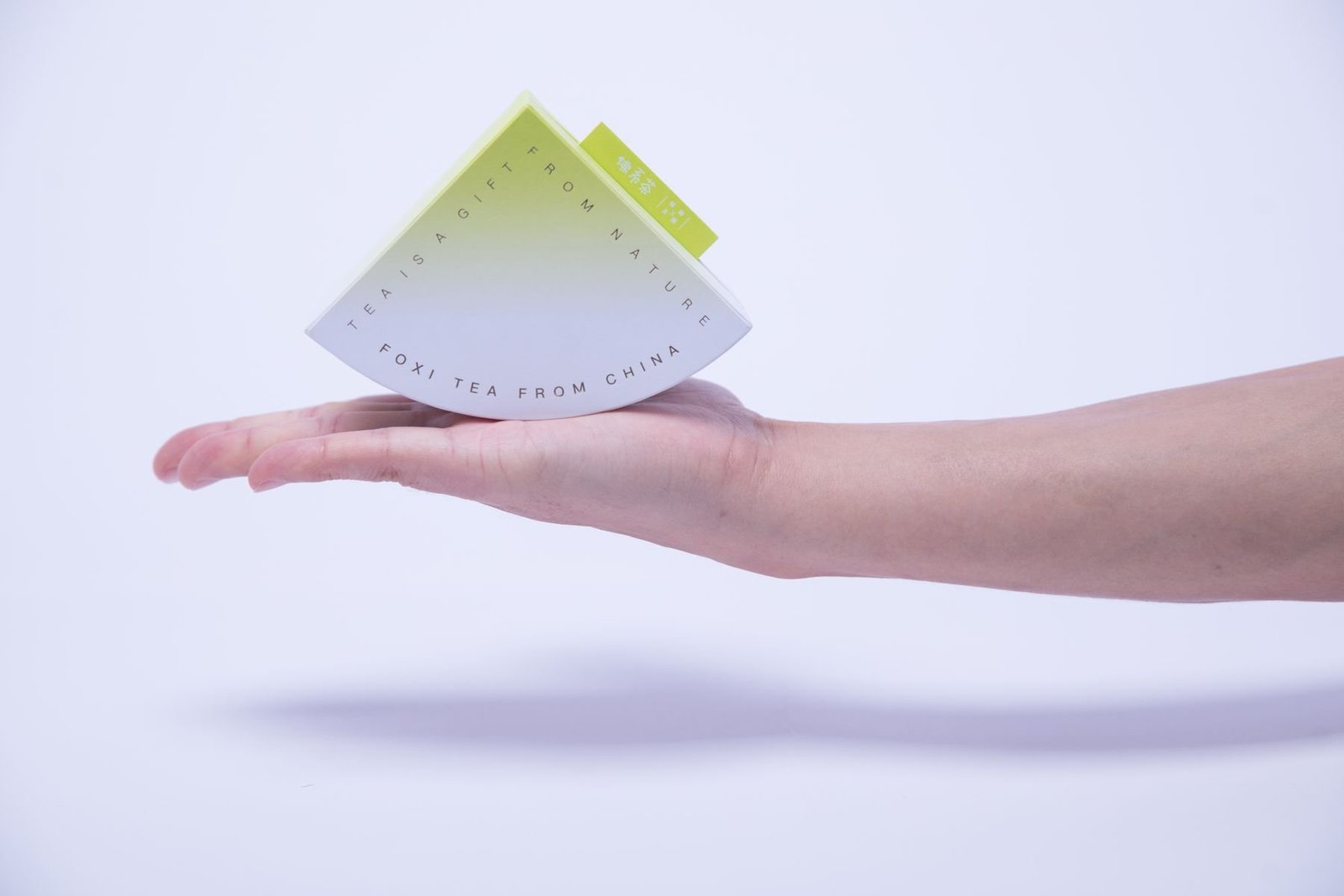
Choose the format around the tea, selling quantity and opening routine. Loose leaves need a suitable container and closure. Individually wrapped tea bags need a box that holds the planned count without crushing the sachets. A gift assortment needs organization as well as presentation. An ecommerce order needs an outer pack that survives the route.
| Format | Useful application | What to approve |
|---|---|---|
| Sealed pouch | Loose-leaf retail packs and refills | Material construction, seal quality, fill volume and opening |
| Tin with a suitable closure | A reusable tea container or gift item | Closure fit, lining, food-contact suitability and protection in transit |
| Folding carton with inner pack | Tea bags, small retail units and multipacks | Inner-pack function, usable dimensions, packing sequence and print |
| Presentation box with compartments | Tasting sets, corporate gifts and seasonal assortments | Actual sachet or tin sizes, product removal, dividers and shipment protection |
| Protective shipping carton | Online orders containing the selected retail pack | Movement, cushioning, closure and the complete loaded package |
A tin can be attractive without being the right answer for a refill business. A flexible pack can save storage space while creating different filling and sealing needs. A gift carton can make several flavours easier to navigate, but it adds assembly and inventory decisions. Compare these tradeoffs against the way customers actually buy and use your tea.
Stowliva’s custom tea boxes provide a starting point for the printed outer pack. If you already have a validated primary container, send its filled dimensions with your brief. For a simple retail carton, compare the custom folding carton options rather than automatically specifying a heavier gift construction.
2. Keep freshness protection separate from the gift-box design
Protect tea from the storage conditions that can change its quality. TWG Tea’s loose-leaf storage guidance identifies light, air, humidity and surrounding odours as concerns. Its consumer advice supports a clear buying principle: evaluate the container and closure, rather than assuming the printed carton provides a freshness barrier.
Ask the primary-pack supplier which properties matter for your blend and distribution conditions. Record the proposed material structure, closure, sealing method and supporting test information. A natural-looking outside surface does not establish the barrier performance of the complete pack. A resealable closure also does not replace the need to check the original production seal.
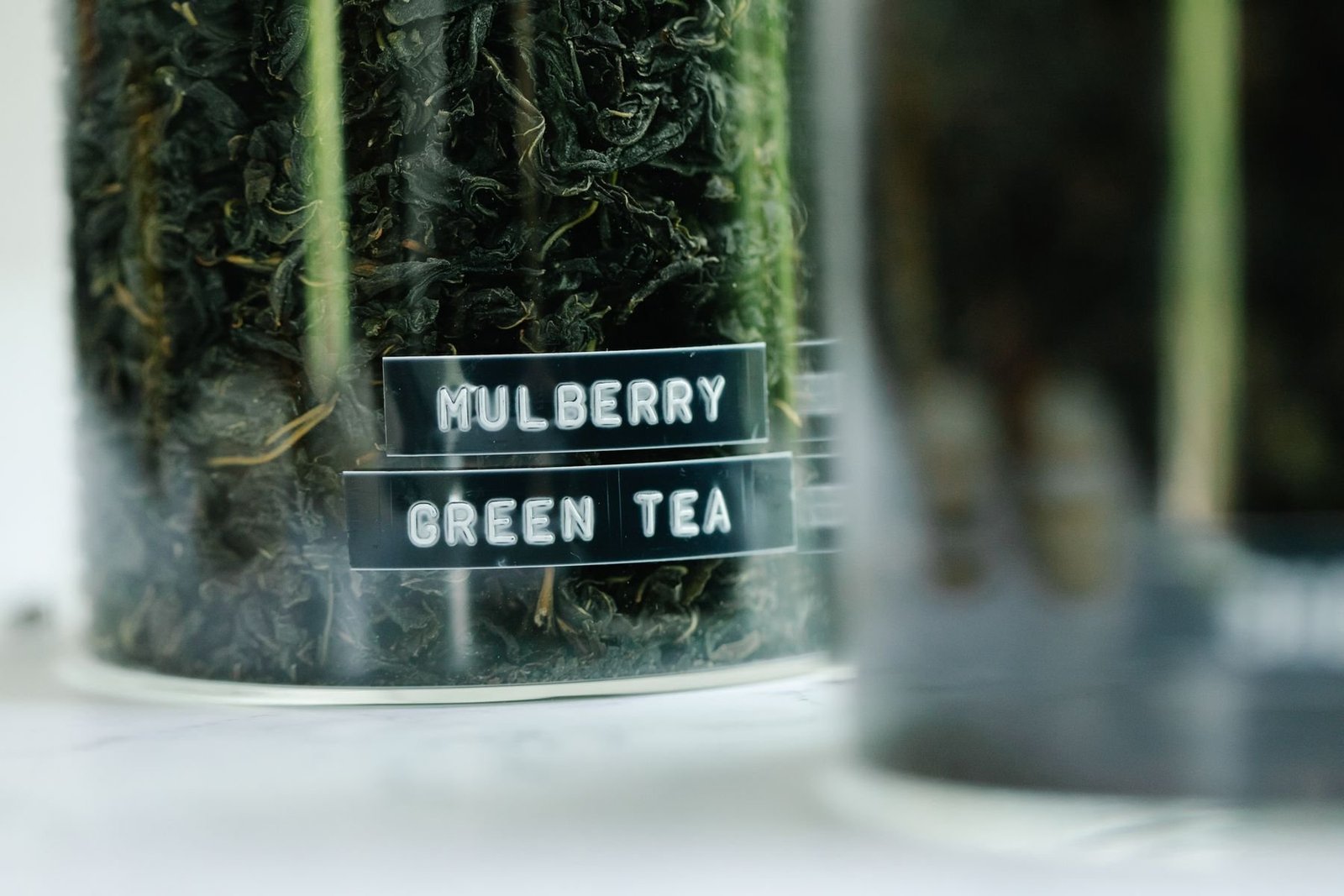
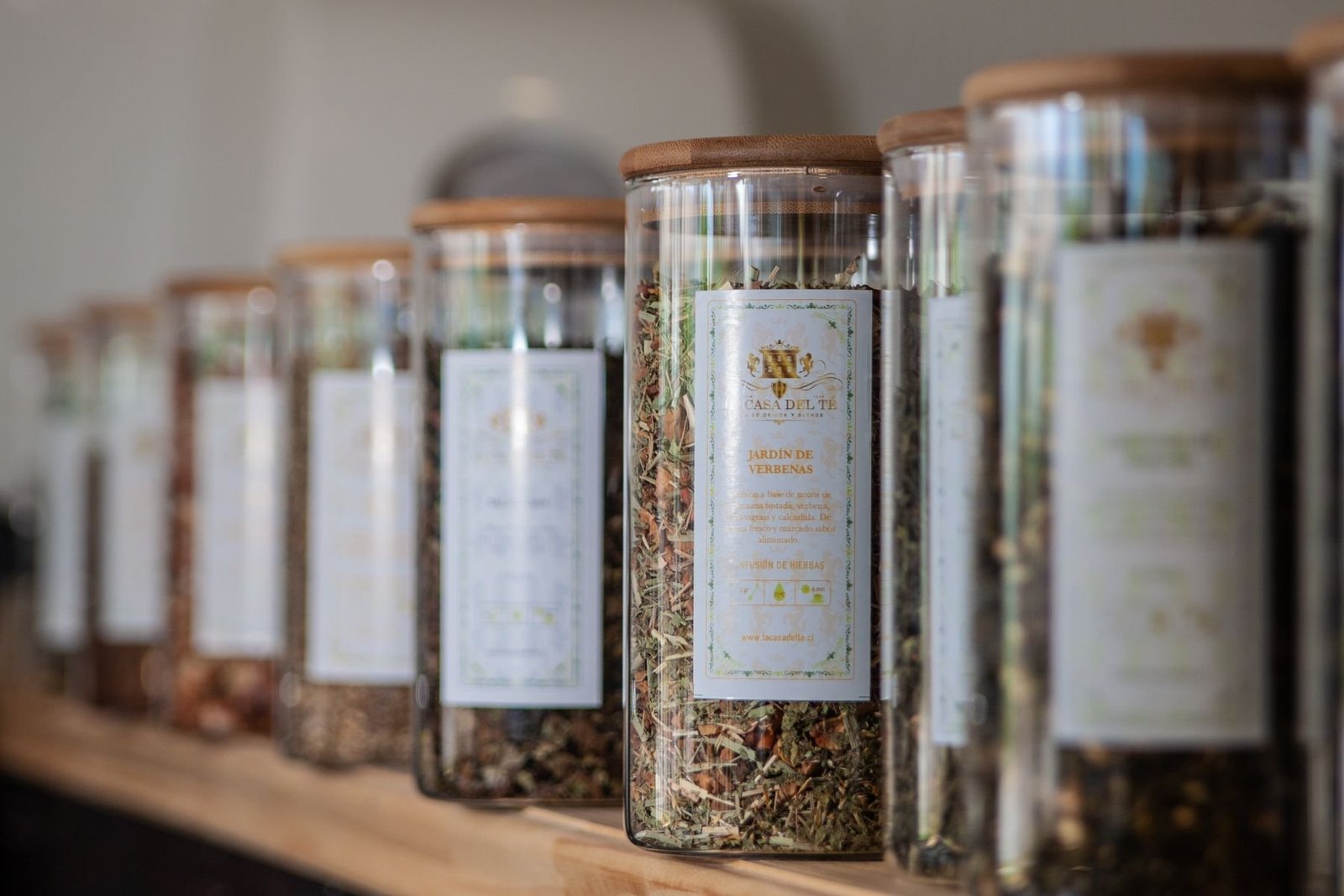
Clear jars are useful for showing tea varieties, as the reference photographs illustrate. Visibility and light protection are separate design considerations. If you select a clear container, consider the intended display and storage conditions, and whether an opaque outer pack is appropriate. Avoid assigning a universal shelf life based only on the package appearance.
For a tasting set, keep each flavour in its chosen primary pack, then design the presentation layer around it. Check whether strongly aromatic blends should be separated during packing and storage. A sample made with empty sachets will not reveal how the completed assortment behaves when filled with the real products.
3. Measure the filled pack, not just the tea’s net weight
Specify usable internal dimensions from an actual filled sample. The same net weight can occupy different volumes depending on leaf shape, blend ingredients and packing method. A tightly rolled leaf and a bulky herbal blend should not inherit the same carton dimensions without a fit check.
Measure the primary pack after filling and closing it. Include folded seals, gussets, tin rims and any labels that affect fit. Then establish the carton orientation: upright, flat, side by side or stacked. Decide which panel faces the customer and which opening lets a packer place the product without forcing it through the mouth of the carton.
Use the largest approved variant to test a shared box. Record whether smaller variants need a divider or a different insert. A single outer size can simplify inventory, but excessive empty space may undermine the presentation and require more shipment protection. Compare the cost of one common structure with the cost of two sizes before finalizing the range.
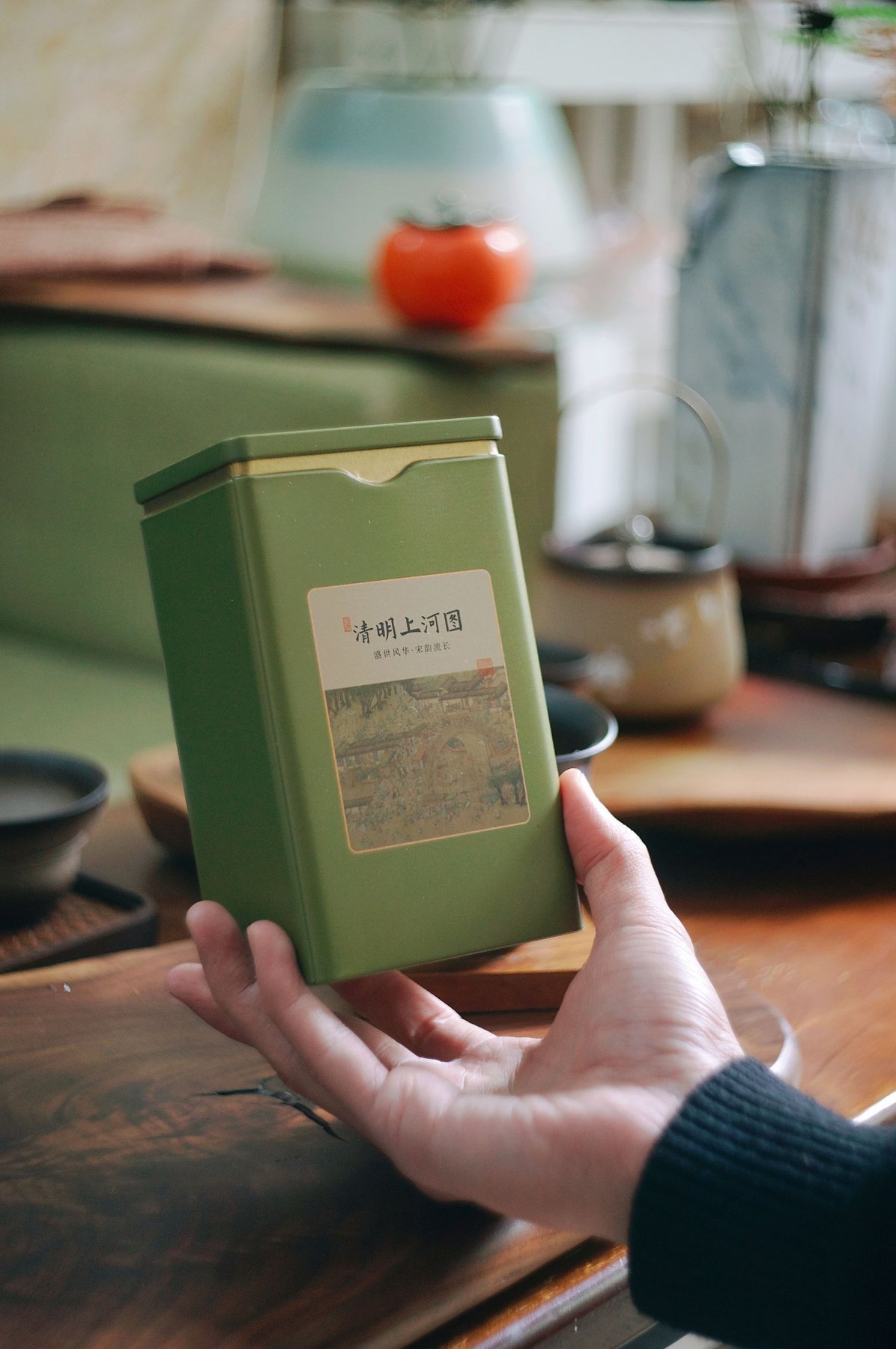
For box packaging design, a buyer worksheet should include the tea format, net quantity, filled primary-pack dimensions, number of units, opening direction and shipping channel. Add the required barcode and label areas. For assortments, label each compartment in the drawing so a packer can recreate the intended sequence without guessing.
If compartment fit is the main issue, discuss custom packaging inserts. Their dimensions must suit the filled units and removal action. More friction is not always better: customers should be able to remove a tin or sachet without bending the box or tearing the primary pack.
4. Confirm food-contact suitability for the relevant layers
Identify every material that will touch the tea and confirm suitability for the intended use. The FDA’s food-contact packaging overview explains its oversight of substances used in contact with food. A paper specification or attractive print finish alone does not establish that the selected construction is appropriate for direct contact.
Give the supplier the actual contact arrangement. Will loose leaves touch the pouch lining, a paper liner or a tin? Will the carton only hold sealed units? Which coatings, adhesives or print surfaces might be involved? Request the documentation relevant to those components and the destination market, and keep it linked to the approved specification.
Do not describe an entire packaging system as approved solely because a component has supporting paperwork. Review the proposed finished construction and conditions of use. Likewise, do not place loose tea directly against decorative tissue, ribbons or a printed carton unless the relevant food-contact suitability has been established.
For a tea gift, custom gift boxes can provide the presentation layer around suitably packed tea. This distinction is useful in the quote request: describe what needs food contact documentation and what simply needs to hold, protect or display the primary pack.
5. Make flavour, brewing and label information easy to find
Design the information hierarchy before adding decorative finishes. A shopper should quickly identify the tea, quantity and relevant product information. A gift recipient should distinguish the blends and find the brand’s brewing instructions. Use the finished size when checking text, rather than relying on a zoomed-in artwork view.
For US sales, review the FDA’s current food labeling resources against the actual product and claims. Plan room for the applicable information early. This guide does not prescribe a universal label panel; formulation, claims, exemptions and destination requirements need their own review.
Keep variant names consistent across the carton, inner pack and website. If one base box serves several teas, define the variable-label position and the process for checking the right label against the right fill. A colour system can help staff and customers, but readable names should still do the identification work.
Barcodes need a planned area, not an improvised gap after the artwork is complete. GS1’s retail 2D barcode implementation guidance highlights quiet zones, contrast and interference from folds or graphics. Confirm the symbol appropriate to your retail channel and test it on the finished printed pack. A QR code linking to brewing details should complement information that must appear on the package.
6. Test the retail pack inside its shipping system
Approve the product, inner pack, presentation layer and outer carton together. Tea tins can move inside a gift box. Loose sachets can migrate between compartments. Decorative corners can rub against the shipper. Evaluate those interactions with the real filled units and the packing method you plan to use.
Start with a repeatable packout trial: assemble the box, fill it, close it, place it in the shipper and inspect the opening experience after handling. Record the packing time and the number of extra components. If staff must improvise padding on every order, the design still needs work.
For formal transit validation, choose a protocol matching the distribution channel. ISTA’s test procedure overview distinguishes screening tests from transport simulations. A test lab can help select the procedure and acceptance criteria; a casual shake test is not equivalent to a documented protocol.
Compare custom mailer boxes with custom shipping boxes around the intended retail unit. Size the outer pack after the protective arrangement is decided. A smaller shipper only saves money if it still protects the shipment and fits the packing routine.
7. Approve claims, cost and the physical sample before print
Use specific environmental statements that match the actual finished components. The FTC’s Green Guides summary explains why broad environmental language and disposal claims need evidence and appropriate qualification. A paper outer box does not determine the disposal route of a multilayer inner pack.
Write disposal instructions component by component where needed. Confirm the selected material, coating, adhesive and local collection route. If responsible fibre sourcing is part of the brief, request the relevant evidence and label permissions for that order. Keep product freshness and shipment protection in the comparison; reducing material at the expense of unusable tea is not a useful outcome.
Compare quotes on the same basis: structure, material, dimensions, number of printed versions, finishes, insert, assembly, packing and delivery. Include storage space and replenishment needs. A lower unit price can be offset by slower assembly or a large minimum quantity for each flavour.
Before approval, check a physical sample with the real product. Confirm filled fit, closure, print position, text readability, barcode scan, compartment order and removal. Keep the approved drawing and sample reference together. Changes to the primary pack or fill quantity should trigger a fit review before the next box order.
A clear tea packaging brief you can send today
Send the tea format, filled container dimensions, units per box, destination market, retail or gift use, shipping route, artwork and planned quantity. Identify the unresolved decision: barrier pack, box size, compartment layout or finish. Ask for a sample plan and the documents relevant to the selected construction.
Explore Stowliva’s printed tea box options, compare packaging feel with the packaging sample kit, or request a tea packaging quote. The general sample kit helps compare materials and finishes; a project-specific filled sample is still needed to approve your tea pack.
Tea Packaging: frequently asked questions
What is the best packaging for loose-leaf tea?
Choose a primary container and closure appropriate to the tea and storage conditions, then validate the filled pack. A pouch, tin or other container can be suitable depending on the material, seal and use; a decorative carton alone does not establish freshness protection.
Can tea go directly inside a printed paper box?
Only when the selected construction has been confirmed suitable for direct food contact and the intended storage conditions. Otherwise, keep the tea in an appropriate primary pack and use the printed box for presentation.
How do I choose a tea box size?
Measure the actual filled and closed primary pack, including seals, rims and folded features. Specify the usable internal dimensions and number of units, then approve loading, closure and removal on a physical sample.
Does recyclable tea packaging mean every layer is recyclable?
No. Check the inner pack, carton, dividers, labels and decorative pieces separately against the destination collection system. Qualify disposal instructions for the finished components.
About this guide: Prepared by Stowliva Editorial using the linked references, reviewed October 13, 2026. Reference photographs show independent examples. Confirm specifications and claims for the selected order.